
Search Results
496 Results Found for “Adjuvant therapy”

ESMO 2026 brought new evidence across early and advanced breast cancer, with important updates on endocrine-based treatment, targeted therapies and ADCs. The selected studies examine several key questions in clinical practice, including the long-term benefits of adjuvant treatment, therapeutic options following progression on CDK4/6 inhibitors and the potential of emerging ADCs to improve outcomes in advanced disease.
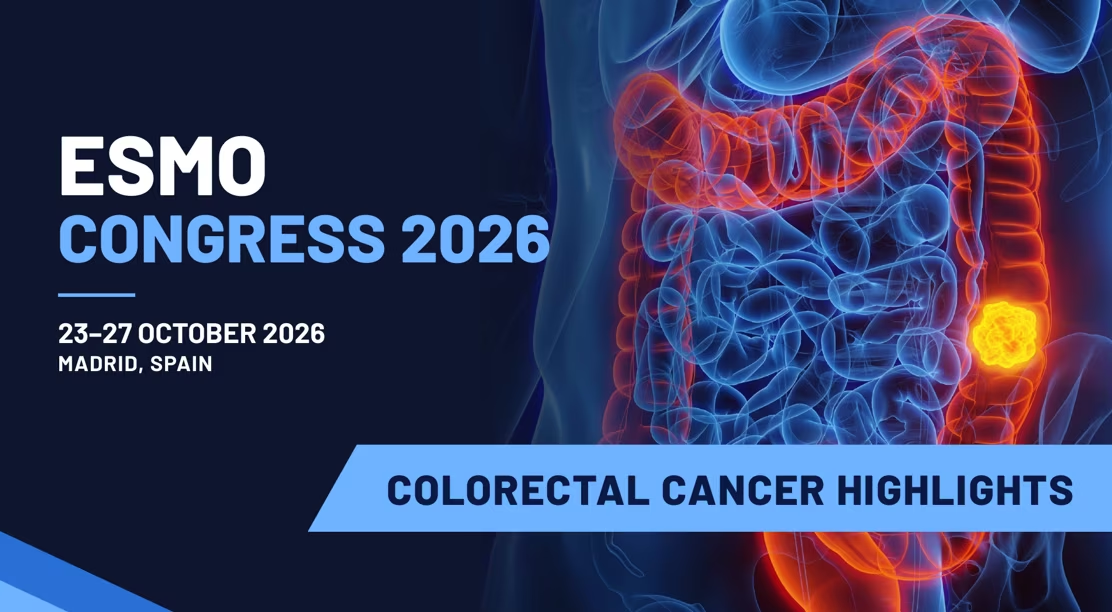
What are the most important developments in lower gastrointestinal oncology from ESMO 2026? Five selected studies examine key questions across locally advanced rectal cancer and metastatic and early-stage colorectal cancer. From the potential for immunotherapy to support organ preservation in dMMR/MSI-H rectal cancer, to longer-term survival outcomes with dual checkpoint inhibition and strategies to overcome acquired resistance to targeted therapy, these findings offer insights into evolving treatment approaches and their potential implications for clinical practice.

How might new treatment combinations and emerging biomarkers inform bladder cancer management? Five studies selected from ESMO 2026 address this question across different disease settings: VOLGA, KEYNOTE-B15/EV-304, ENERGIZE, KEYNOTE-866 and POTOMAC. Their findings examine perioperative treatment intensification, the potential of circulating tumor DNA (ctDNA) to characterize treatment response and the addition of immunotherapy to bacillus Calmette–Guérin (BCG) in high-risk non-muscle-invasive disease.

ESMO 2026 brought phase 3 data on an individualized mRNA-based therapy for resected melanoma, a histone deacetylase inhibitor combination for advanced melanoma, and updated survival results for adjuvant cemiplimab in cutaneous squamous cell carcinoma. Dr Rodrigo Munhoz selects the key abstracts shaping the melanoma and skin cancer landscape.

It is with great pleasure that we present the latest edition of touchREVIEWS in Oncology & Haematology. This issue reflects the growing momentum of precision oncology, from liquid biopsy and response-adapted strategies to antibody–drug conjugates (ADCs) and immune-based therapies, ...
Diffuse large B-cell lymphoma (DLBCL) is the most common lymphoma in the USA and Western Europe.1,2 DLBCL is treated with curative intent given the aggressive nature of the disease. Rituximab (R), cyclophosphamide (C), doxorubicin (H), vincristine (O) and prednisone (P) (...

Gastrointestinal (GI) cancers constitute a major contributor to global cancer incidence and mortality and remain among the leading causes of cancer-related death worldwide despite advances in prevention, screening and supportive care.1,2 Collectively encompassing malignancies of the esophagus, stomach, liver, biliary ...

Which treatment strategies are improving outcomes in RCC, and where do investigational combinations stand? At ESMO 2026, six selected studies examined treatment approaches across first-line advanced disease, oligometastatic RCC and adjuvant therapy: LITESPARK-011, LITESPARK-012, the ivonescimab phase Ib/II study, PE-PE, SWOG S2200 and KEYNOTE-564. Together, these data offer insights into the evolving evidence base guiding treatment decisions across different RCC settings.

With the European Society for Medical Oncology (ESMO) Congress 2026 fast approaching, attention is turning to Madrid, where the meeting is held from 23–27th October. Whether you are joining onsite or via the virtual platform, the three Presidential Symposia are the sessions not to miss. This year they carry 12 late-breaking abstracts (LBAs) spanning melanoma, lung, genitourinary, gastrointestinal, gynecological and rare cancers. With close to 300 scientific and educational sessions to choose from, we know the programme can feel overwhelming. So we have put together a quick guide to the headline sessions: when and where they run, who is presenting, and links to explore each one in the programme planner, so you can decide which to prioritize.

The European Society for Medical Oncology (ESMO) Congress 2026 promises a compelling program of clinical data, spanning personalized cancer vaccines, next-generation antibody–drug conjugates (ADCs) and novel approaches to targeted therapy and immunotherapy. With several studies already generating excitement following positive topline announcements, all eyes will be on the full results and their potential implications for clinical practice. Below, we highlight the 12 presidential abstracts to watch, the key findings to look out for and the questions these studies could help answer.
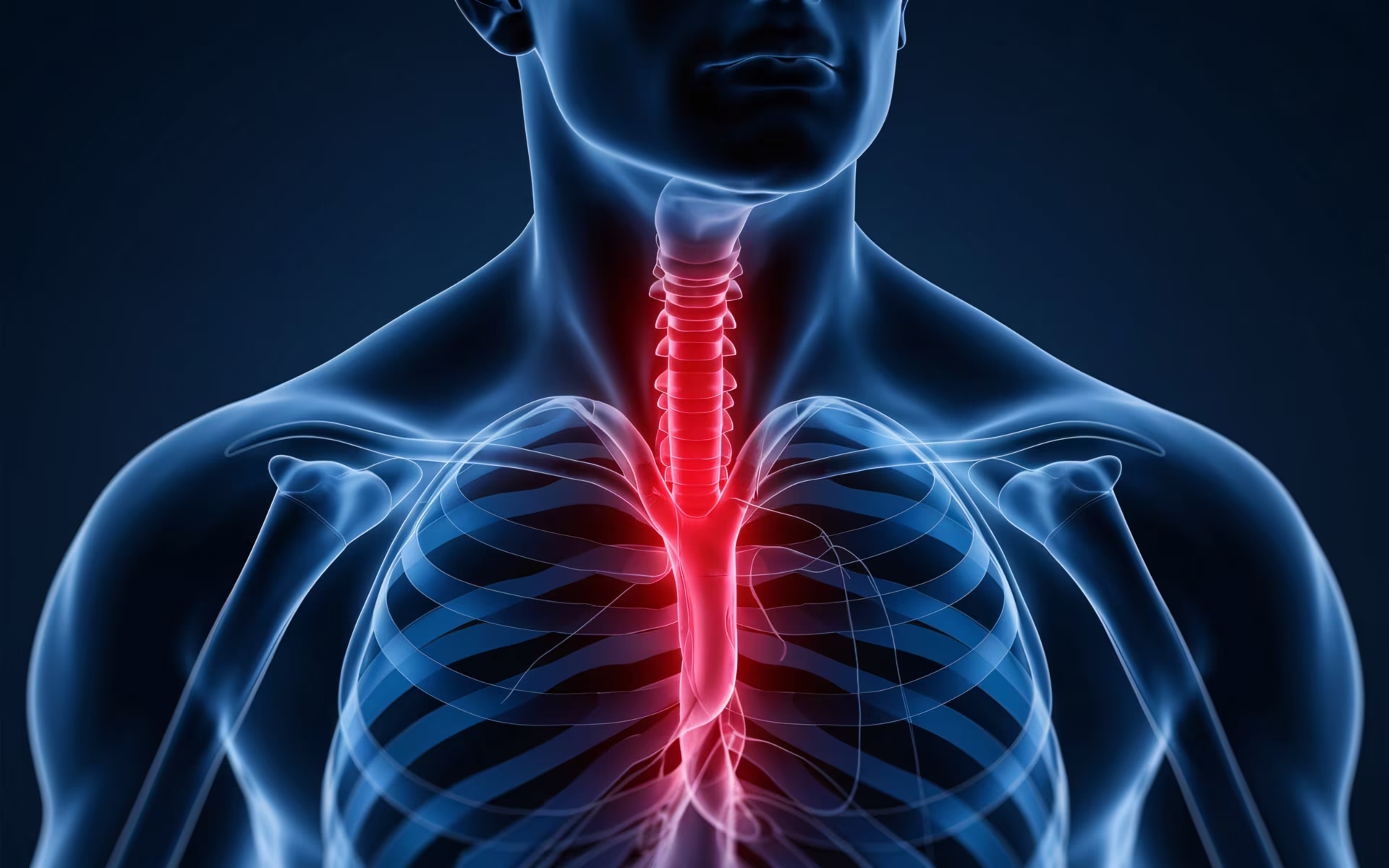
Esophageal cancer (EC) is a major global health concern, ranking as the 11th most commonly diagnosed cancer and the seventh leading cause of cancer-related deaths worldwide, with an estimated 494,320 new cases and 441,994 deaths in 2024.1 Esophageal squamous cell carcinoma (ESCC) remains ...
Urothelial carcinoma (UC) is the 11th most common cancer in the UK, with approximately 11,000 new bladder cancer diagnoses annually.1 Globally, bladder cancer accounts for approximately 635,000 new diagnoses and 228,000 deaths annually, based on the latest GLOBOCAN estimates for 2024.2 Bladder cancer constitutes ...
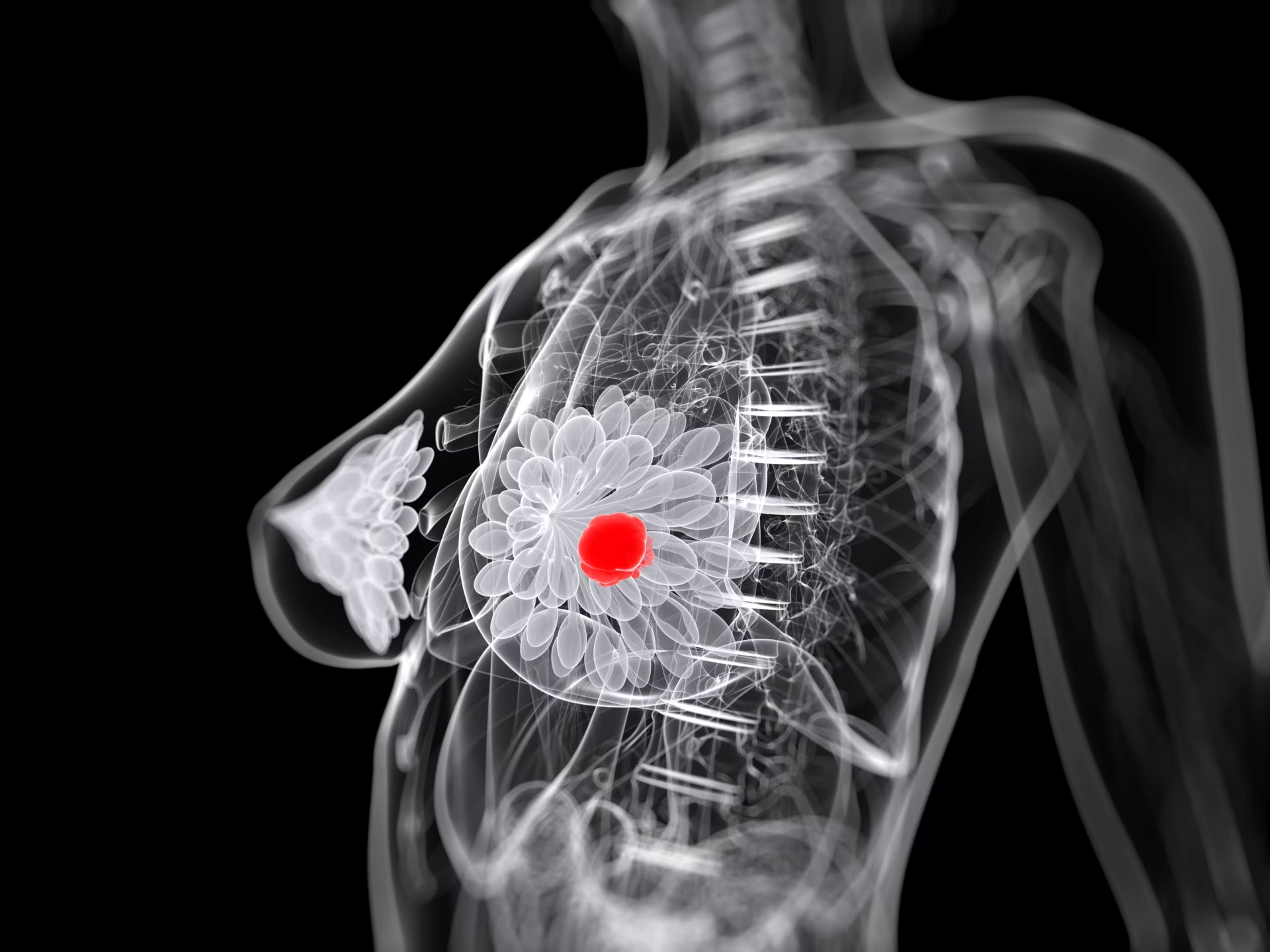
Metastatic triple-negative breast cancer (mTNBC) is a clinically heterogeneous disease, but compared with other breast cancer subtypes, triple-negative breast cancer (TNBC) is generally associated with a poorer prognosis and has historically had limited therapeutic options.1 The 5-year survival rate remains ...
Choosing the appropriate adjuvant therapy in patients with melanoma undergoing neoadjuvant treatment
This article examines current evidence supporting the use of neoadjuvant immunotherapy in patients with resectable macroscopic stage III melanoma and critically discusses the selection of appropriate adjuvant therapy following surgery. It is written in the context of emerging evidence from ...
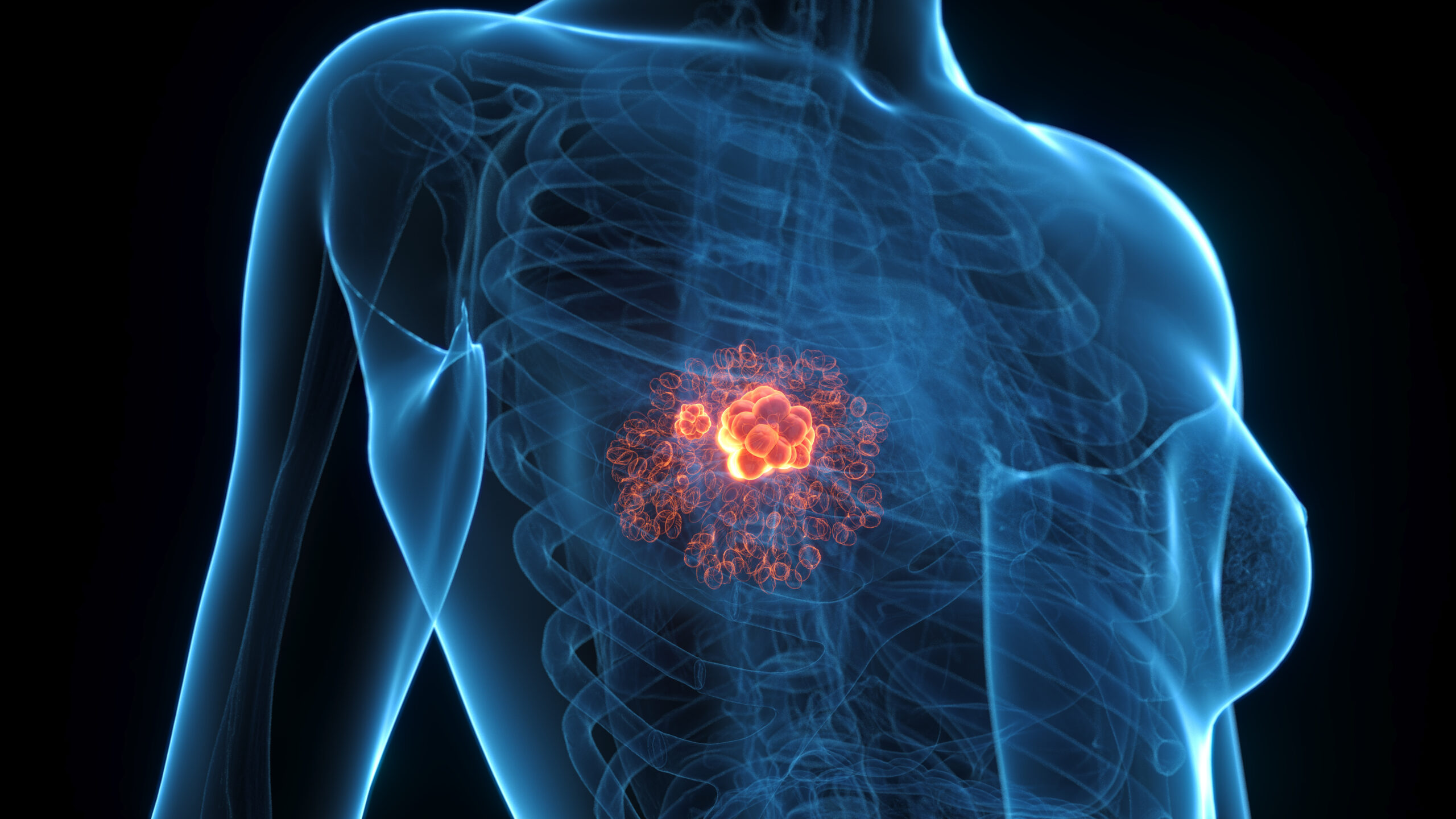
Circulating tumor DNA (ctDNA) has emerged as an innovative and minimally invasive tool in precision oncology. With a short half-life of 30–120 min, ctDNA provides real-time insight into tumor dynamics.1 In early-stage breast cancer, there is growing evidence supporting its potential ...

Join us as leading experts discuss key data from the Plenary, Late-breaking and top oral sessions across each major disease area at ASCO 2026 touchONCOLOGY coverage of ASCO 2026 2026 American Society of Clinical Oncology (ASCO) Annual Meeting brought together the global oncology ...

From adjuvant immunotherapy to microbiome-driven precision medicine, the biggest renal cell carcinoma abstracts presented at ASCO 2026 highlight where the field is heading next, and what may change first. In this round-up, we discuss the key data from four of the meeting’s most important studies, from investigational to late-phase: RAMPART, KEYNOTE-564, CaboNivo in patients with nccRCC and microbiome-based predictive biomarker development in mRCC.

Bladder cancer’s treatment landscape is changing fast; and the biggest abstracts presented at ASCO 2026 show just how far that shift now extends. With insight from our Editor-in-Chief, Prof Axel S Merseburger (University Hospital Schleswig-Holstein, Germany), we examine the four studies likely to have the biggest impact on clinical practice across advanced and localized disease: EV-302, KEYNOTE-905, SAKK 06/19 and POTOMAC.
Log into your Touch Account
Keep track of your clinical interests and newsletter subscriptions.
Sign up with an Email
Or use a .
Register now for FREE access
Already registered? Login below.
