
Search Results
454 Results Found for “Aged 80 and over”

Diffuse large B-cell lymphoma (DLBCL) is the most common lymphoma in the USA and Western Europe.1,2 DLBCL is treated with curative intent given the aggressive nature of the disease. Rituximab (R), cyclophosphamide (C), doxorubicin (H), vincristine (O) and prednisone (P) (...

Gastrointestinal (GI) cancers constitute a major contributor to global cancer incidence and mortality and remain among the leading causes of cancer-related death worldwide despite advances in prevention, screening and supportive care.1,2 Collectively encompassing malignancies of the esophagus, stomach, liver, biliary ...

Urothelial carcinoma (UC) is the 11th most common cancer in the UK, with approximately 11,000 new bladder cancer diagnoses annually.1 Globally, bladder cancer accounts for approximately 635,000 new diagnoses and 228,000 deaths annually, based on the latest GLOBOCAN estimates for 2024.2 Bladder cancer constitutes ...

For almost two decades, R-CHOP has remained the established frontline standard for DLBCL, yet approximately 40% of patients are not cured with first-line therapy. At EHA 2026, Prof Georg Lenz presented new phase 3 data from the frontMIND study suggesting that this long-standing backbone may now be open to improvement. The study showed that adding tafasitamab and lenalidomide to R-CHOP significantly improved progression-free survival (PFS) in previously untreated patients with high-risk DLBCL and high-grade B-cell lymphoma (HGBL), marking one of the first positive frontline intensification trials in this setting in recent years.

Extended follow-up from the phase 3 INDIGO trial presented at ASCO 2026 provides further evidence that vorasidenib may offer durable disease control in patients with grade 2 glioma harboring IDH1/2 mutations, reinforcing earlier findings that led to its regulatory approvals. In the article below, we provide a details analysis of the latest INDIGO data and Dr Timothy Cloughesy's expert perspective on what the longer-term efficacy and safety findings could mean for the evolving treatment landscape in IDH-mutant glioma.

Dr Rupert Bartsch (University of Vienna, Austria) highlighted six important studies across the breast cancer landscape presented at ASCO 2026. The studies below discuss interesting and strategic developments in genomic risk stratification in early disease, supportive care optimization, HER2-positive metastatic strategies and novel antibody–drug conjugates in triple-negative breast cancer.

Among the emerging voices at the 7th SIOP Europe Annual Meeting, was Dr Miguel Vieira-Martins, (Princess Máxima Center, Utrecht, Netherlands and member of Young SIOPE Steering Committee). He is deeply engaged in both the scientific and collaborative structures driving the field forward. In this interview, he discusses how opportunities in Young SIOPE are supporting early-career professionals, and reflects on the importance of international networks, the rise of immunotherapy and how meetings like SIOPE are accelerating progress from bench to bedside.
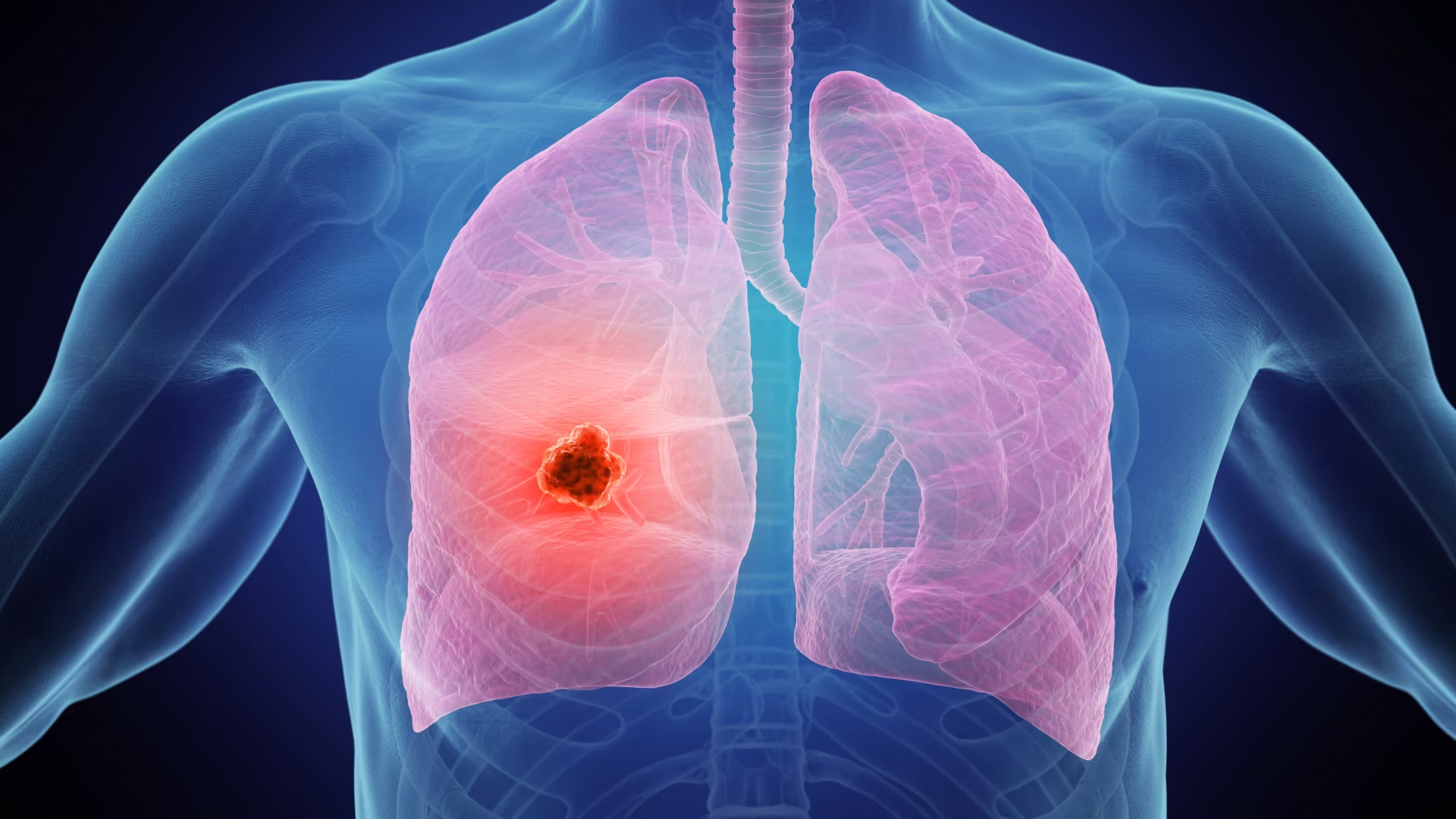
Non-small cell lung cancer (NSCLC) remains the leading cause of cancer-related mortality worldwide.1 Over the past two decades, the molecular characterization of NSCLC has transformed the therapeutic landscape by enabling the development of targeted therapies that have significantly improved outcomes ...

An immunosuppressed person is one whose immune function is impaired by underlying disease and/or immunosuppressive medications, resulting in reduced immunosurveillance against malignant cells and increased vulnerability to opportunistic infections. Longstanding immunosuppression has been linked to increased risk for cutaneous (...

Small bowel adenocarcinoma (SBA) is a rare gastrointestinal malignancy, accounting for about 1–3% of gastrointestinal cancers.1,2 Its reported incidence has increased in recent decades, likely reflecting improved detection by balloon-assisted and capsule endoscopy and the more widespread use of cross-sectional imaging.3,4 ...

In this Future Leaders interview, Margaret Wheless reflects on the mentors who shaped her career, the fulfillment she finds in patient care and teaching, and the importance of empathy, collaboration, and intentional mentorship for emerging oncologists.

In this touchONCOLOGY Future Leaders 2026 interview, Dr Lenz reflects on the mentorship that shaped his commitment to oncology, the role of research in exposing inequities in cancer care, and why ensuring equitable access to innovation will define the future of the field.

In this Future Leaders interview, Dr Di Carlo reflects on the mentors who shaped her career, the lessons of resilience and authenticity she carries forward, and the importance of aligning personal values with patient-centered care and lifelong learning in oncology.

Pancreatic cancer (PC) is the tenth most common cancer in 2024, with 66,440 new cases and 51,570 deaths.1,2 Globally, the prevalence varies from 10/100,000 cases in the Americas and Europe to 0.9/100,000 cases in South Central Asia and most of Africa.3 Currently, it has the ...

We are counting down to the launch of touchONCOLOGY Future Leaders 2026 – a celebration of the rising stars shaping the future of cancer care.

At ESGO26 investigators answered some of the field’s most persistent questions: the optimal timing of surgery, chemotherapy scheduling, the promise of immunotherapy in platinum-resistant disease and how molecular profiling can sharpen surgical decision-making. And the results didn't disappoint. Below are four of the most important abstracts from the Late-breaking, Best Oral and Best Three Minutes sessions: ENGOT-ov65/KEYNOTE-B96, RACC, ACR-368-201 and EUGENIE revealed insights that could shift the standard of care. Here’s what you need to know.

Immune checkpoint inhibitors (ICIs) act by blocking inhibitory pathways such as programmed cell death protein 1 (PD-1), programmed cell death ligand 1 (PD-L1) and cytotoxic T lymphocyte-associated antigen 4 (CTLA-4), thereby restoring T-cell activity and promoting tumour cell destruction.1,2 The ability of tumours ...

Project Cure CRC, a $100 million initiative by the Colorectal Cancer Alliance (Alliance), continues to revolutionize colorectal cancer research by announcing three new groundbreaking grants aimed at transforming patient care. To date, Project Cure CRC has reviewed more than 500 research proposals and invested nearly $13 million to fuel 32 innovative studies. Several grantees have already published progress from their work in prestigious scientific journals, reflecting the program’s impact on advancing the field. As the largest nonprofit dedicated to ending colorectal cancer, the Alliance is prioritizing Project Cure CRC to accelerate the development of cutting-edge treatments that improve outcomes for patients worldwide.
Log into your Touch Account
Keep track of your clinical interests and newsletter subscriptions.
Sign up with an Email
Or use a .
Register now for FREE access
Already registered? Login below.
