
Search Results
252 Results Found for “Biomarkers”
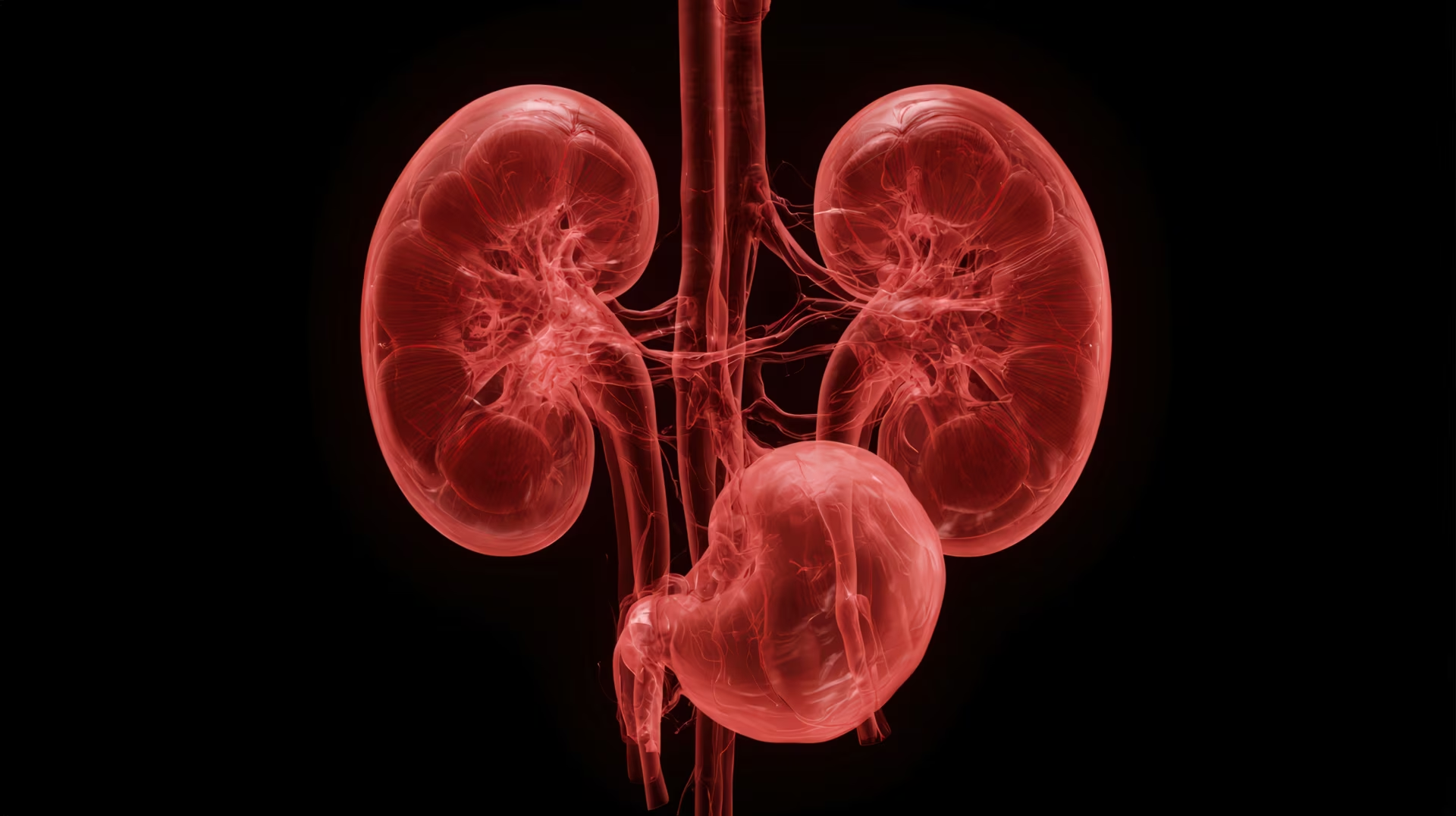
Urothelial carcinoma (UC) is the 11th most common cancer in the UK, with approximately 11,000 new bladder cancer diagnoses annually.1 Globally, bladder cancer accounts for approximately 635,000 new diagnoses and 228,000 deaths annually, based on the latest GLOBOCAN estimates for 2024.2 Bladder cancer constitutes ...
Choosing the appropriate adjuvant therapy in patients with melanoma undergoing neoadjuvant treatment
This article examines current evidence supporting the use of neoadjuvant immunotherapy in patients with resectable macroscopic stage III melanoma and critically discusses the selection of appropriate adjuvant therapy following surgery. It is written in the context of emerging evidence from ...

How can clinicians distinguish true progression from pseudoprogression in MGMT-methylated glioblastoma? Dr Jigisha Thakkar discusses the clinical implications of time to true progression in MGMT-methylated glioblastoma and approaches to distinguishing pseudoprogression from treatment failure.

From AI and real-time toxicity monitoring to exercise and behavioural interventions, Prof Joanne Bowen explores the innovations reshaping supportive cancer care and outlines MASCC’s priorities for translating emerging evidence into meaningful improvements for patients.
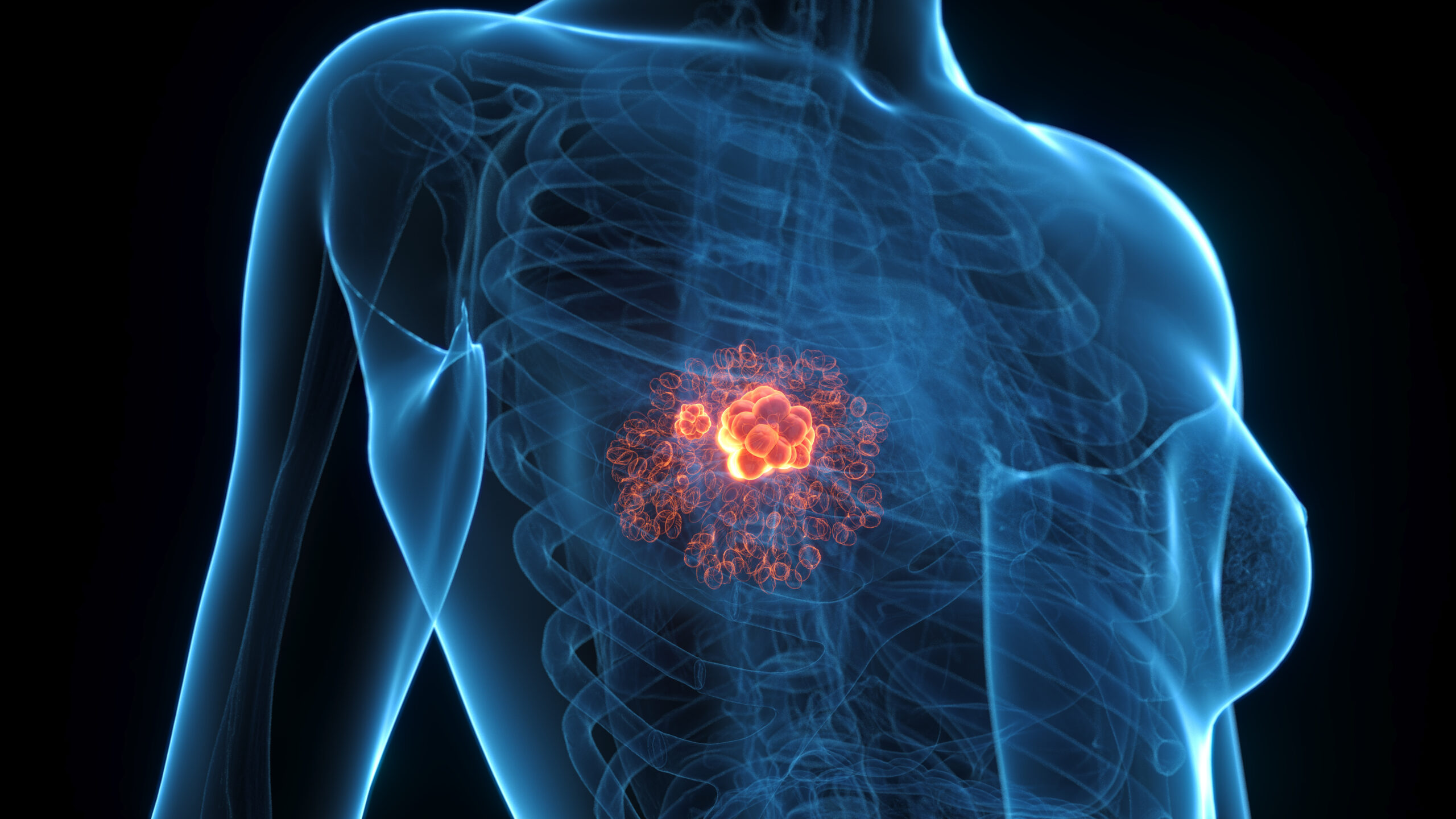
Circulating tumor DNA (ctDNA) has emerged as an innovative and minimally invasive tool in precision oncology. With a short half-life of 30–120 min, ctDNA provides real-time insight into tumor dynamics.1 In early-stage breast cancer, there is growing evidence supporting its potential ...


Abderrahim Oussalah discusses findings from the SEPT9_CROSS study evaluating circulating methylated SEPT9 as a blood-based biomarker for HCC detection in cirrhosis. “These findings support a two-tier surveillance framework in which mSEPT9 and AFP work together to improve both the ...

The 38th Annual Congress of the European Association of Nuclear Medicine (EANM) in Barcelona brought together over 9,400 participants, marking a major milestone. The meeting highlighted major advances in oncologic imaging and theranostics, with a strong emphasis on precision medicine and combination treatment strategies. Across plenary sessions, debates, and late-breaking discussions, the meeting underscored how nuclear medicine is increasingly central to cancer diagnosis, treatment selection, and therapeutic delivery.

This issue of touchREVIEWS in Oncology & Haematology brings together a diverse collection of articles reflecting the growing complexity of cancer care and the continued evolution of precision medicine across tumour types. From rare malignancies and treatment-related challenges to emerging ...
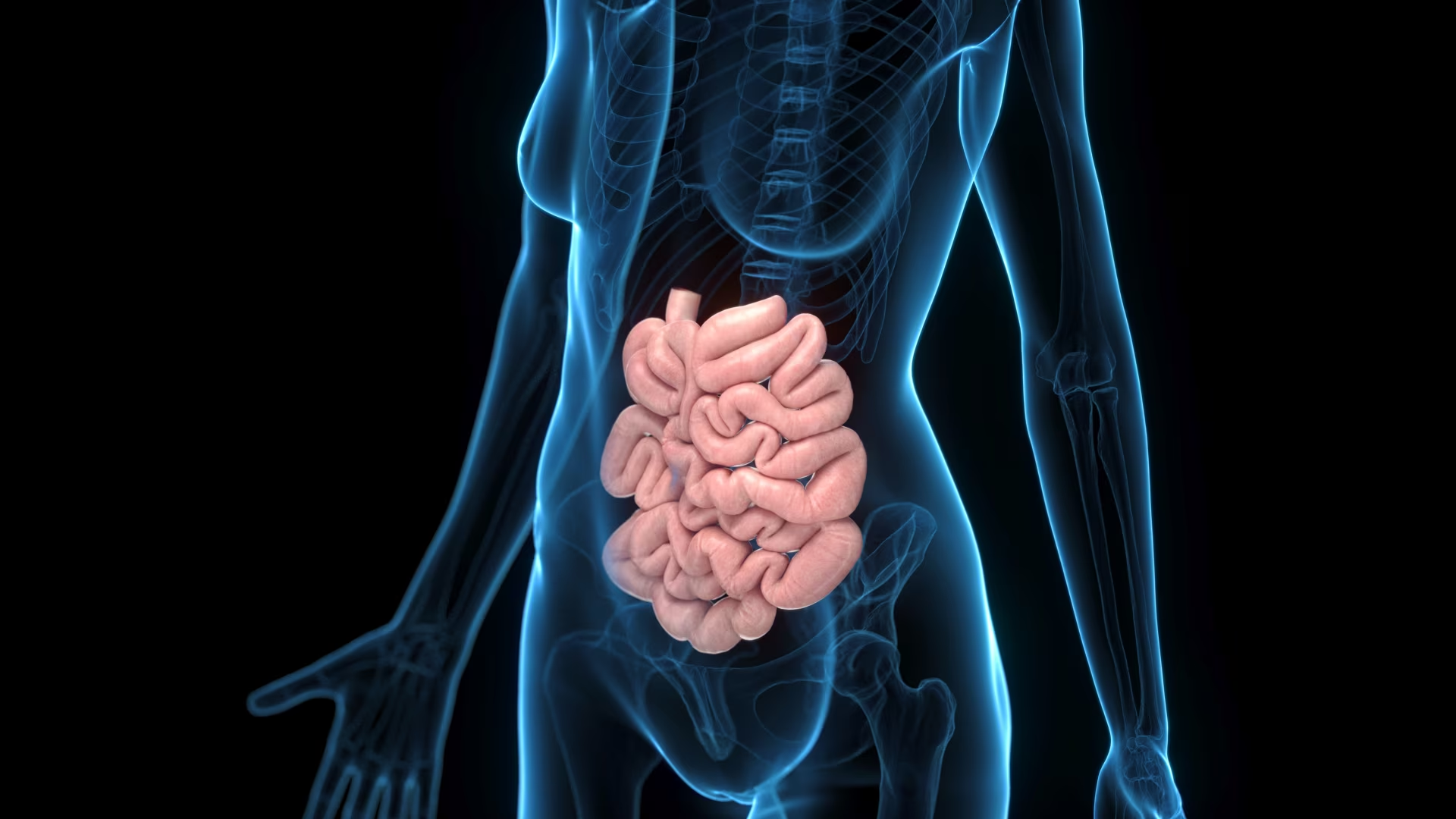
Small bowel adenocarcinoma (SBA) is a rare gastrointestinal malignancy, accounting for about 1–3% of gastrointestinal cancers.1,2 Its reported incidence has increased in recent decades, likely reflecting improved detection by balloon-assisted and capsule endoscopy and the more widespread use of cross-sectional imaging.3,4 ...

The 15th European Breast Cancer Conference (EBCC15) showcased a wave of research poised to reshape breast cancer care. Below, we spotlight the key highlights from this year’s conference.

Pancreatic cancer (PC) is the tenth most common cancer in 2024, with 66,440 new cases and 51,570 deaths.1,2 Globally, the prevalence varies from 10/100,000 cases in the Americas and Europe to 0.9/100,000 cases in South Central Asia and most of Africa.3 Currently, it has the ...

Emerging strategies in head and neck cancer focus on personalizing therapy and reducing toxicity. ctDNA-guided chemotherapy with pembrolizumab in recurrent HNSCC achieved a 73% response rate, while ozuriftamab vedotin showed promising activity in pretreated HPV-positive OPSCC. Long-term results from the Quarterback trials indicate that reduced-dose chemoradiation after induction chemotherapy maintains durable control in selected patients. These findings support further exploration of molecular-guided, targeted, and de-escalated approaches to optimize outcomes.


From breakthrough perioperative regimens to biomarker-driven precision therapy, ESMO 2025 unveiled practice-changing data in bladder cancer. Landmark trials like KEYNOTE-905, IMvigor011, and BladderPath are redefining standards across disease stages—offering new hope for cisplatin-ineligible patients, guiding adjuvant decisions through ctDNA, and streamlining diagnostics with MRI.

In this episode, Nicky speaks with Prof. Georgina Ellison-Hughes from King’s College London about the groundbreaking field of senolytics and their potential to advance the treatment of age-related diseases. From understanding the science behind cellular senescence to how senolytic drugs work and what early clinical trials reveal, this episode explores an exciting frontier in longevity medicine.

“ESMO 2025 felt like a true turning point in breast cancer care” At the European Society for Medical Oncology (ESMO) 2025 congress, the landscape of early and advanced breast cancer management was powerfully reshaped, with new data spanning hormone-receptor positive (HR+), human ...
At ESMO25, oesophageal cancer care made substantive headway: the MATTERHORN trial established a significant overall survival benefit with perioperative durvalumab plus FLOT, while SKYSCRAPER-07 offered a provocative signal of benefit for adjuvant atezolizumab after chemoradiation in squamous disease. In this interview with Dr Michael Gibson we unpack the data, the implications for multidisciplinary practice and the future research direction.
Log into your Touch Account
Keep track of your clinical interests and newsletter subscriptions.
Sign up with an Email
Or use a .
Register now for FREE access
Already registered? Login below.
