
Search Results
93 Results Found for “Gene expression profiling”

Diffuse large B-cell lymphoma (DLBCL) is the most common lymphoma in the USA and Western Europe.1,2 DLBCL is treated with curative intent given the aggressive nature of the disease. Rituximab (R), cyclophosphamide (C), doxorubicin (H), vincristine (O) and prednisone (P) (...

Gastrointestinal (GI) cancers constitute a major contributor to global cancer incidence and mortality and remain among the leading causes of cancer-related death worldwide despite advances in prevention, screening and supportive care.1,2 Collectively encompassing malignancies of the esophagus, stomach, liver, biliary ...

Esophageal cancer (EC) is a major global health concern, ranking as the 11th most commonly diagnosed cancer and the seventh leading cause of cancer-related deaths worldwide, with an estimated 494,320 new cases and 441,994 deaths in 2024.1 Esophageal squamous cell carcinoma (ESCC) remains ...

Choosing the appropriate adjuvant therapy in patients with melanoma undergoing neoadjuvant treatment
This article examines current evidence supporting the use of neoadjuvant immunotherapy in patients with resectable macroscopic stage III melanoma and critically discusses the selection of appropriate adjuvant therapy following surgery. It is written in the context of emerging evidence from ...
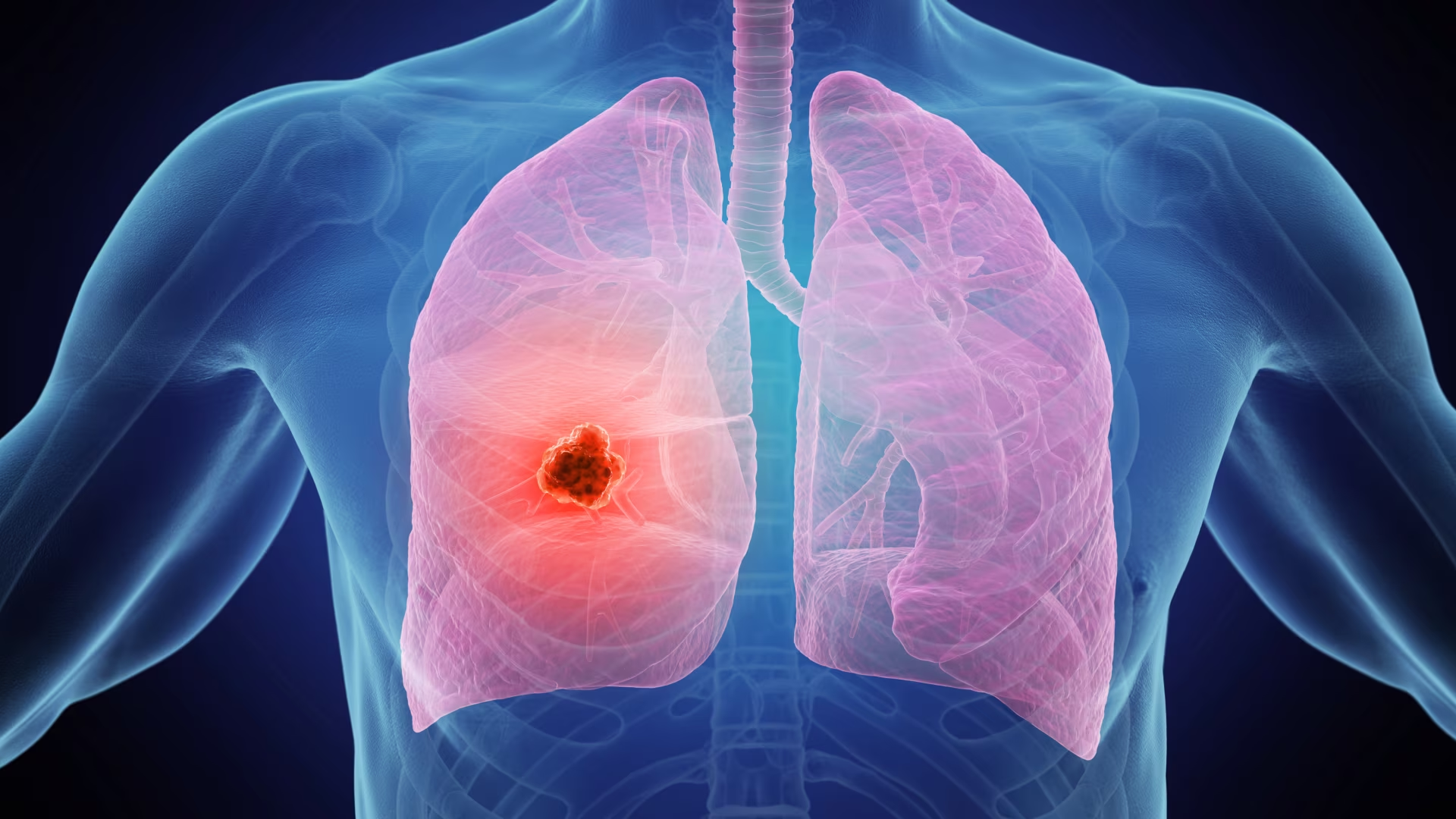
Non-small cell lung cancer (NSCLC) remains the leading cause of cancer-related mortality worldwide.1 Over the past two decades, the molecular characterization of NSCLC has transformed the therapeutic landscape by enabling the development of targeted therapies that have significantly improved outcomes ...

Small bowel adenocarcinoma (SBA) is a rare gastrointestinal malignancy, accounting for about 1–3% of gastrointestinal cancers.1,2 Its reported incidence has increased in recent decades, likely reflecting improved detection by balloon-assisted and capsule endoscopy and the more widespread use of cross-sectional imaging.3,4 ...

At the ESMO Annual Meeting 2025, Dr Antonio González-Martín unveiled pivotal data from the ANITA and NAPISTAR-101 trials, spotlighting new insights into immunotherapy, biomarkers and new antibody–drug conjugates for recurrent and platinum-resistant ovarian cancer.

Early-onset lung cancer is typically defined as occurring in individuals aged 18–50 years, although there is no universally accepted definition.1–3 This entity, though rare, poses unique diagnostic and therapeutic challenges. This article synthesizes current evidence on the unique features and management ...

Hepatocellular carcinoma (HCC) is the most common primary malignancy of the liver, comprising approximately 85% of all primary liver cancers.1 Globally, it ranks as the sixth-most common cancer and the third-leading cause of cancer-related mortality, with over 900,000 new cases and 830,000 deaths ...

With the second half of 2025 underway, we asked our touchONCOLOGY Future Leaders 2025 to share the developments they believe will shape the future of the field. Here, they highlight five exciting areas that promise to transform practice – not only as the year draws to a close, but well into the future.

The first half of 2025 has brought exciting developments in oncology, with groundbreaking research and real-world progress showcased at ASCO, EHA and many more leading conferences around the world. We asked five of our touchONCOLOGY Future Leaders 2025 to share what they believe has been most impactful so far this year – here’s what they told us.

Liquid biopsy: Initial concepts and application in solid tumours The US National Cancer Institute defines liquid biopsy (LB) as ‘a test done on a sample of blood to look for cancer cells from a tumour that are circulating in the ...

Despite being considered a rare type of malignancy, constituting only 3% of all gastrointestinal cancers, the incidence of biliary tract cancers (BTCs) has been increasing worldwide in recent years, with about 20,000 new cases annually only in the USA.1–3 These cancers arise ...

Key points Olutasidenib induces durable responses in patients with relapsed or refractory (R/R) acute myeloid leukaemia (AML) with isocitrate dehydrogenase 1 (IDH1) mutations in the phase I and II clinical trials. The side effects of olutasidenib are well known and ...

Biliary tract cancers (BTCs) are a heterogeneous group of adenocarcinomas that originate from the epithelial lining of the biliary tree and are classified into cholangiocarcinoma (CCA) and gallbladder cancer. BTC is an aggressive and rare epithelial malignancy that is usually ...

Human epidermal growth factor receptor-2 (HER2)-positive breast cancer accounts for 15% of all breast cancers.1 This breast cancer subtype was historically associated with poor outcomes; however, the development of HER2-directed therapies has dramatically improved outcomes for patients with both ...
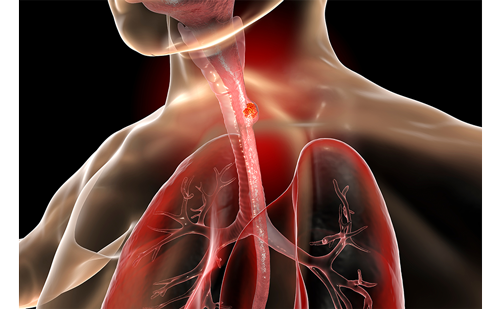
Cancers of the oesophagus and oesophagogastric junction (OGJ), termed upper gastrointestinal (UGI) cancers, are lethal and constitute a significant public health problem. In 2020, 604,000 cases and 544,000 UGI cancer-related deaths were estimated worldwide.1 UGI cancers are the seventh most frequently diagnosed cancer ...

Until recently, treatment options for metastatic colorectal cancer (CRC) have been limited to a cytotoxic chemotherapy with or without an anti-epithelial growth-factor receptor (EGFR) monoclonal antibody, namely cetuximab and panitumumab, or an anti-angiogenic agent such as bevacizumab, aflibercept or ramucirumab. ...
Log into your Touch Account
Keep track of your clinical interests and newsletter subscriptions.
Sign up with an Email
Or use a .
Register now for FREE access
Already registered? Login below.
