
Search Results
161 Results Found for “HER2-low”
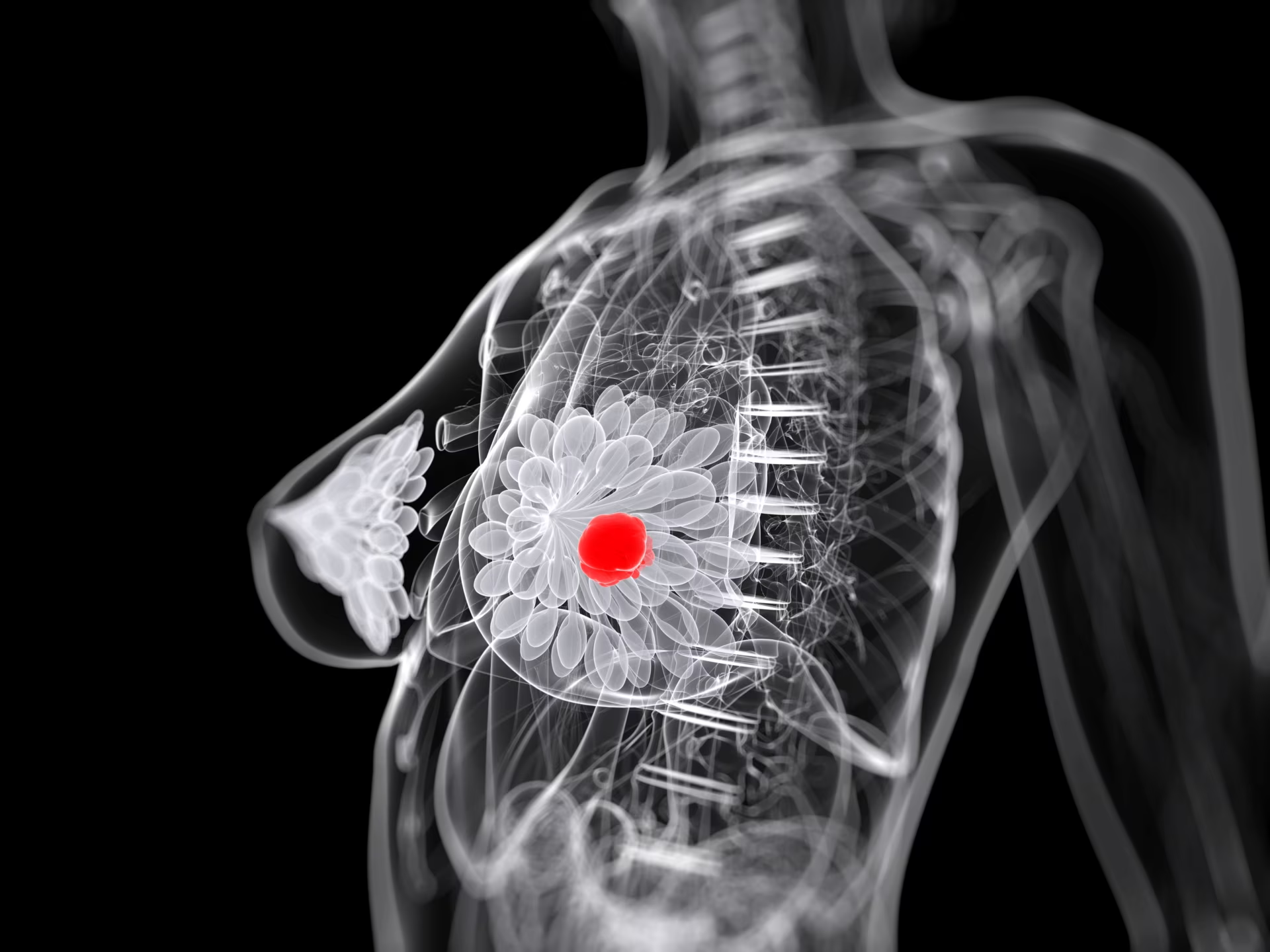
Metastatic triple-negative breast cancer (mTNBC) is a clinically heterogeneous disease, but compared with other breast cancer subtypes, triple-negative breast cancer (TNBC) is generally associated with a poorer prognosis and has historically had limited therapeutic options.1 The 5-year survival rate remains ...
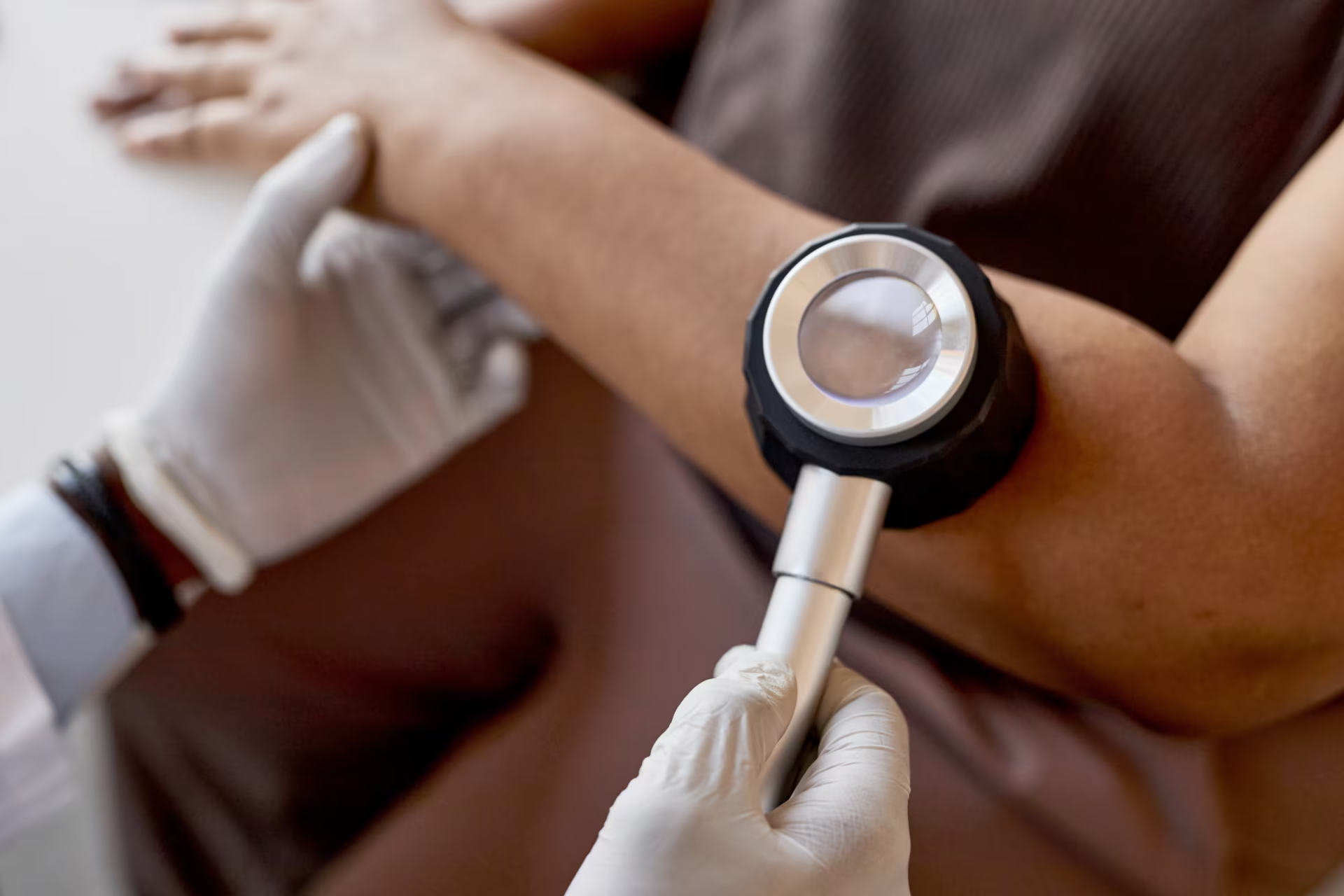
Choosing the appropriate adjuvant therapy in patients with melanoma undergoing neoadjuvant treatment
This article examines current evidence supporting the use of neoadjuvant immunotherapy in patients with resectable macroscopic stage III melanoma and critically discusses the selection of appropriate adjuvant therapy following surgery. It is written in the context of emerging evidence from ...

The 2026 World Conference on Lung Cancer delivered several results with the potential to change clinical practice. My main takeaway was the speed at which effective options are multiplying in both small-cell lung cancer and molecularly defined non-small-cell lung cancer. The immediate advance is welcome, but it also makes treatment selection more complex: mature survival, intracranial control, toxicity, sequencing and access will increasingly matter as much as response rate or progression-free survival.
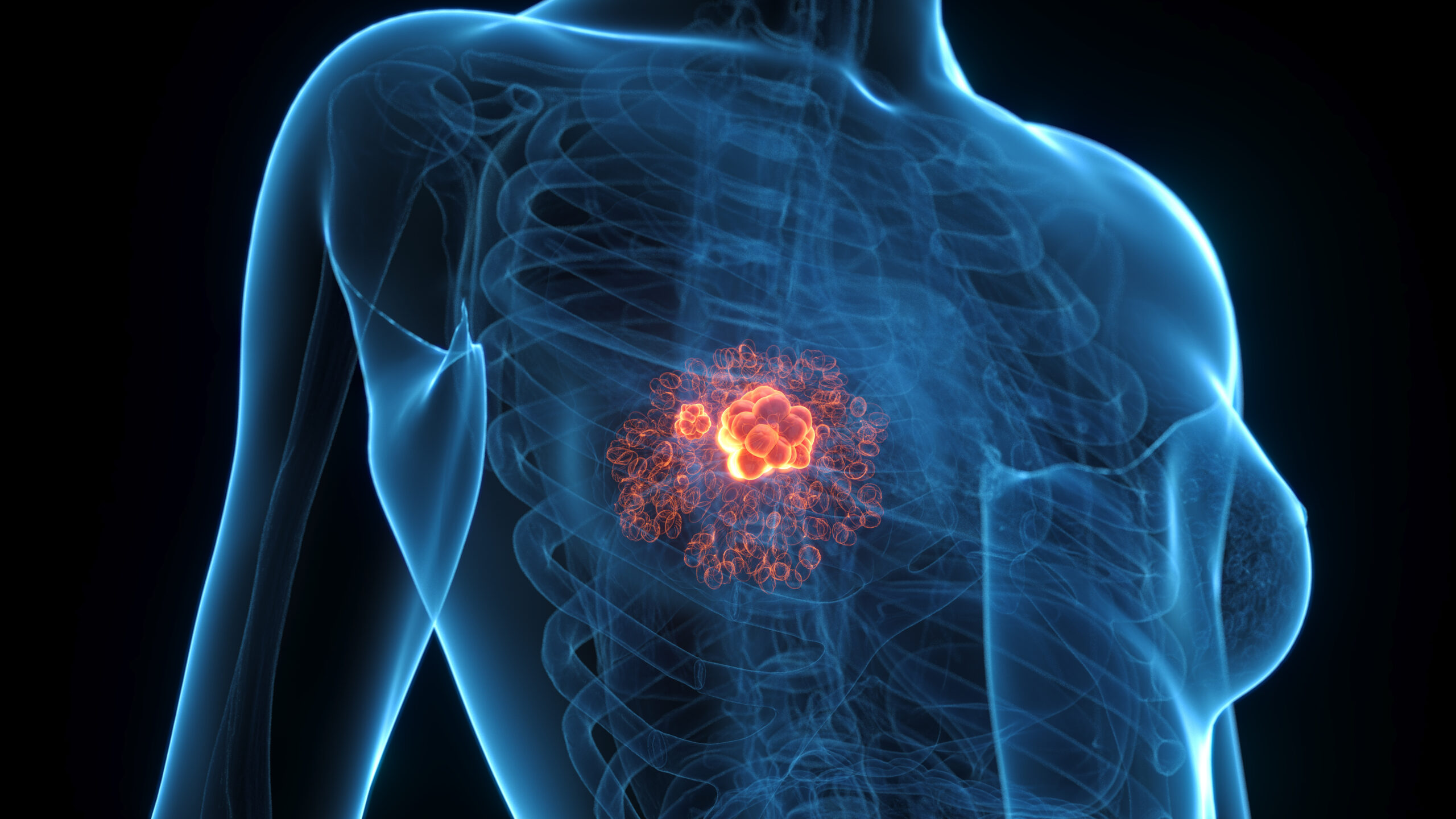
Circulating tumor DNA (ctDNA) has emerged as an innovative and minimally invasive tool in precision oncology. With a short half-life of 30–120 min, ctDNA provides real-time insight into tumor dynamics.1 In early-stage breast cancer, there is growing evidence supporting its potential ...

Several late-breaking gastrointestinal oncology studies presented at ASCO 2026 highlighted how treatment selection is continuing to evolve across colorectal, hepatobiliary, gastric, and esophageal cancers, with new data on ctDNA-guided adjuvant therapy, earlier integration of targeted agents, and intensified perioperative strategies. In this round-up, we have selected six of the most important late-breakers, and examine the latest data from CIRCULATE, BREAKWATER, EMERALD-3, Neo-CRAG, SCIENCE, and RC48-C027.

Dr Rupert Bartsch (University of Vienna, Austria) highlighted six important studies across the breast cancer landscape presented at ASCO 2026. The studies below discuss interesting and strategic developments in genomic risk stratification in early disease, supportive care optimization, HER2-positive metastatic strategies and novel antibody–drug conjugates in triple-negative breast cancer.
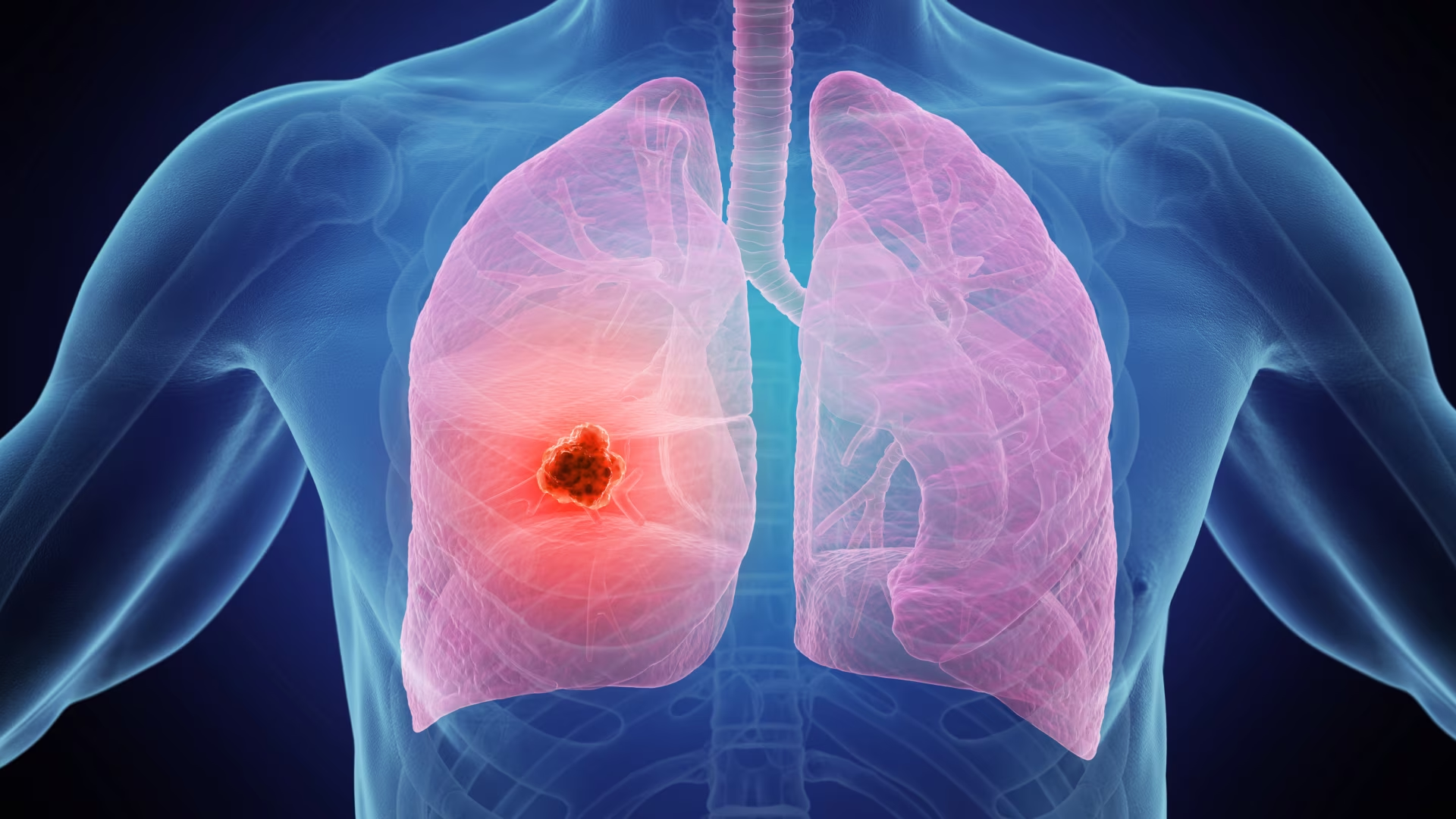
Non-small cell lung cancer (NSCLC) remains the leading cause of cancer-related mortality worldwide.1 Over the past two decades, the molecular characterization of NSCLC has transformed the therapeutic landscape by enabling the development of targeted therapies that have significantly improved outcomes ...
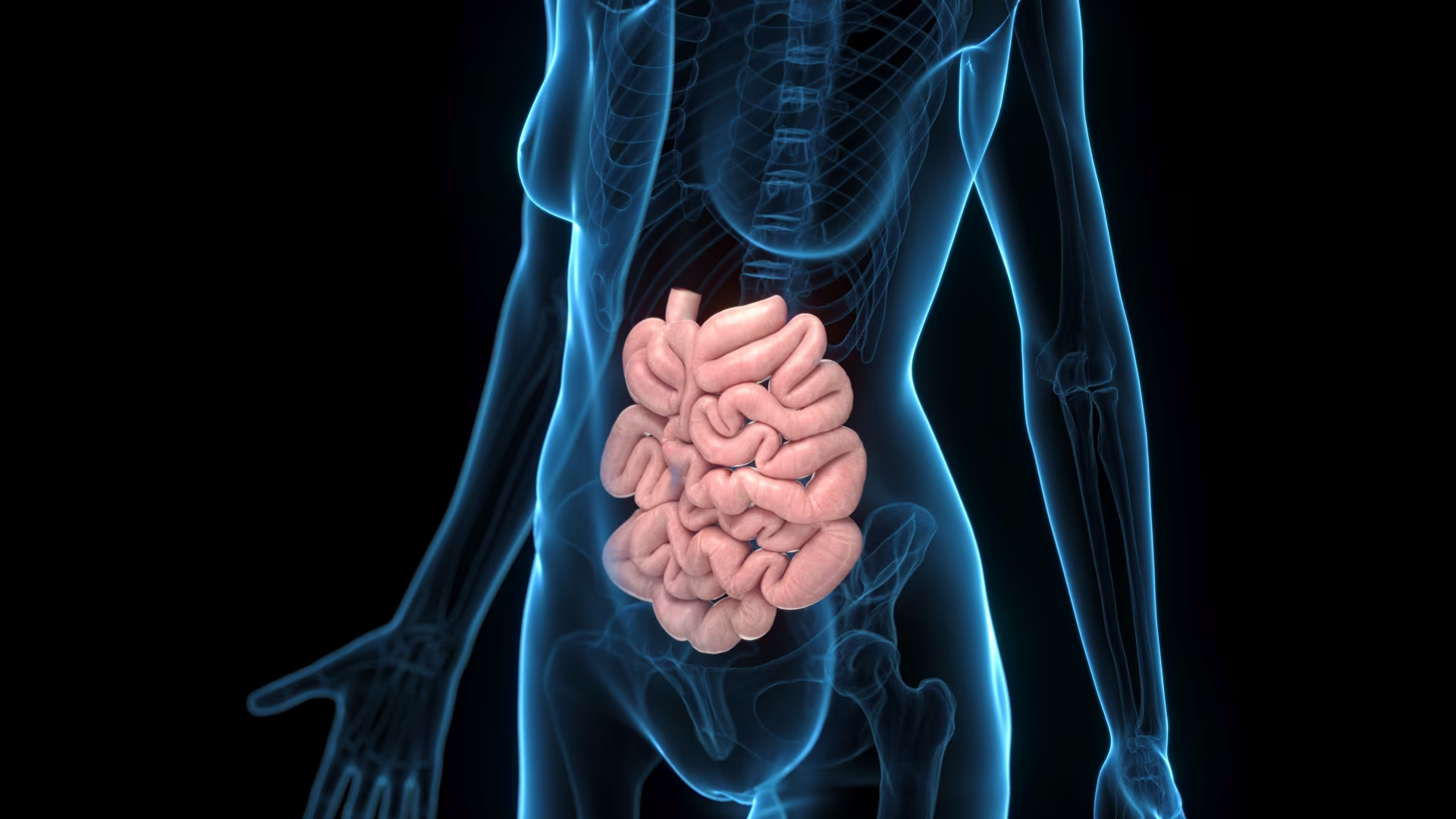
Small bowel adenocarcinoma (SBA) is a rare gastrointestinal malignancy, accounting for about 1–3% of gastrointestinal cancers.1,2 Its reported incidence has increased in recent decades, likely reflecting improved detection by balloon-assisted and capsule endoscopy and the more widespread use of cross-sectional imaging.3,4 ...

Pancreatic cancer (PC) is the tenth most common cancer in 2024, with 66,440 new cases and 51,570 deaths.1,2 Globally, the prevalence varies from 10/100,000 cases in the Americas and Europe to 0.9/100,000 cases in South Central Asia and most of Africa.3 Currently, it has the ...

The 2026 ASCO Genitourinary Cancers Symposium showcased pivotal advances across renal, prostate and bladder cancers. Key late-breaking trials across kidney, prostate and bladder cancer highlighted promising combinations, novel targeted therapies and innovative radioligand approaches, demonstrating improved disease control, progression-free survival and ...
February has already been very busy across regulation, clinical research and community awareness - and we're only half way through! See below a round-up of the main breakthroughs and what to look out for during the rest of the month. ...
As we begin 2026, Dr Ana Tecic Vuger (University Hospital for Tumors, Zagreb, Croatia) reflects on the major breakthroughs throughout 2025. The breast cancer community has witnessed transformative progress across the continuum of research and clinical care, from more precise targeted therapies and novel endocrine strategies to advances in biomarker-driven treatment sequencing and survivorship. The major oncology meetings – ASCO 2025, ESMO/ESMO Breast 2025, and the San Antonio Breast Cancer Symposium (SABCS) 2025 – offered a rich tapestry of data that helps shape practice and sharpen research priorities.

The treatment paradigm for HER2-positive advanced gastric and GEJ adenocarcinoma has been reshaped by the integration of immune checkpoint inhibitors into trastuzumab-based chemotherapy. The phase III KEYNOTE-811 trial established the benefit of adding pembrolizumab to trastuzumab and chemotherapy, whereas the HERIZON-GEA-01 trial, presented at 2026 ASCO GI Cancers Symposium, explored a distinct strategy – enhancing HER2 blockade itself through substitution with the bispecific antibody zanidatamab, with or without PD-1 inhibition.
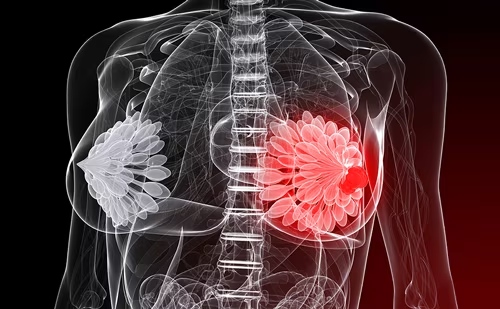
Breakthroughs from the 2025 San Antonio Breast Cancer Symposium in oral SERDs, HER2-targeted maintenance therapy, ADCs and next-generation endocrine combinations are reshaping breast cancer care across early and metastatic disease. From practice-changing phase III data to nuanced treatment selection in triple-positive and ESR1-mutant disease, this in-depth report unpacks what the latest trials really mean for clinicians. Register now to read the full analysis and stay ahead of rapidly evolving practice.

2025 has brought exciting developments in oncology, with groundbreaking research and real-world progress showcased at ASCO, ESMO, EHA, ASH and many more leading conferences around the world. We asked our key faculty to share what they believe has been most impactful so far this year – here’s what they told us.

Discover how everyday choices—from what you eat to how you manage stress—can significantly shape long-term cancer prevention. This article explores the powerful, evidence-based impact of nutrition, physical activity, sleep, and social connection on lowering cancer risk and supporting healthier aging. Learn what the world’s longest-living communities can teach us about prevention—and why small lifestyle changes can make a big difference.

The European Society for Medical Oncology (ESMO) 2025 congress brought over 100 late-breaking abstracts, 250 sessions, 600 expert speakers and 33,800 delegates to Berlin in October. The meeting highlighted innovations ranging from novel agents to real-world evidence and patient-centred care. In this article, hear from the experts on the key breakthroughs and clinical insights set to shape the future of oncology practice.
From breakthrough perioperative regimens to biomarker-driven precision therapy, ESMO 2025 unveiled practice-changing data in bladder cancer. Landmark trials like KEYNOTE-905, IMvigor011, and BladderPath are redefining standards across disease stages—offering new hope for cisplatin-ineligible patients, guiding adjuvant decisions through ctDNA, and streamlining diagnostics with MRI.
Log into your Touch Account
Keep track of your clinical interests and newsletter subscriptions.
Sign up with an Email
Or use a .
Register now for FREE access
Already registered? Login below.
