
Search Results
30 Results Found for “antineoplastic agents”

Diffuse large B-cell lymphoma (DLBCL) is the most common lymphoma in the USA and Western Europe.1,2 DLBCL is treated with curative intent given the aggressive nature of the disease. Rituximab (R), cyclophosphamide (C), doxorubicin (H), vincristine (O) and prednisone (P) (...
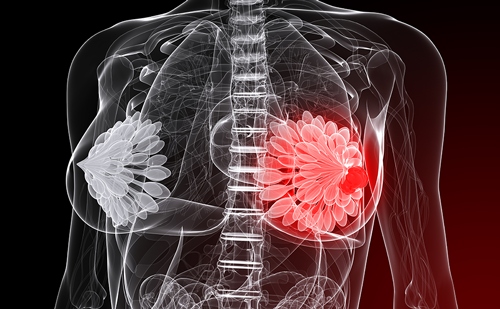
Endocrine therapy (ET) has changed the natural history of hormone receptor-positive (HR+) breast cancer (BC) and is the cornerstone of the treatment of HR+ BC. There are several ETs approved for the treatment of BC, including selective oestrogen receptor modulators (...

Androgen deprivation therapy (ADT) has been the cornerstone of the treatment of metastatic prostate carcinoma for over 70 years, ever since Huggins and Hodges first treated men with prostate carcinoma with orchidectomy or oestrogen injection in 1941.1 However, the treatment landscape of ...

The antitumor activity of immune checkpoint inhibotors in various solid and haematologic malignancies has substantially increased immunotherapy implications for cancer. Once only a niche treatment for selected cancers (renal cancer and melanoma), now cancer immunotherapy has become an important option ...

Prostate cancer is the second most common cancer in men and the fourth most commonly occurring cancer worldwide, with 1.3 million new cases in 2018.1 Prostate cancer is considered to be castrate-sensitive (castration-sensitive prostate cancer [CSPC]) if it responds to medical or ...
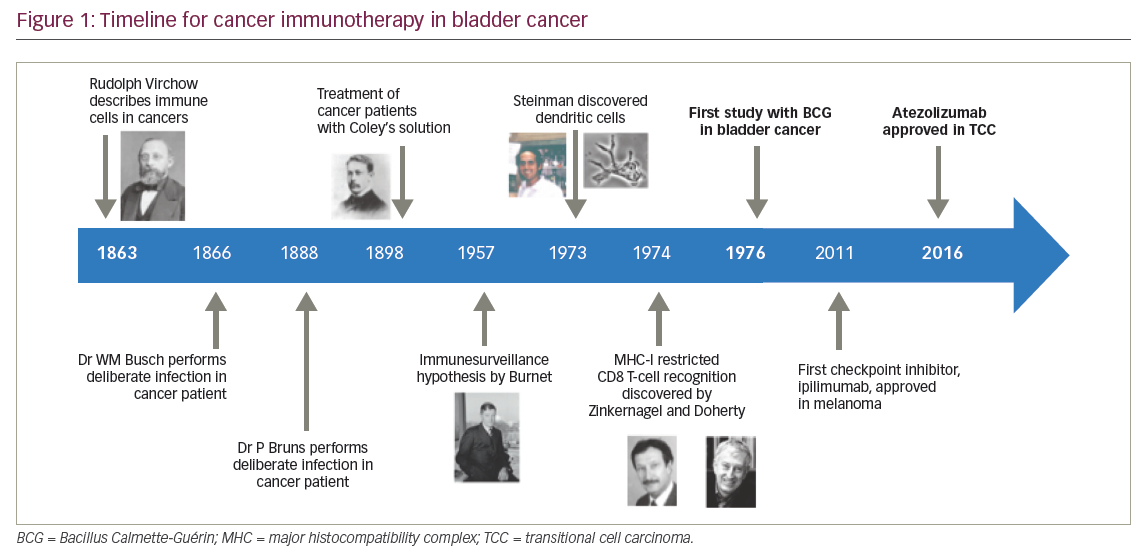
Bladder cancer is the ninth most common cancer worldwide, with an estimated 430,000 new cases and 165,000 deaths in 2012.1 More than 90% of bladder cancers are of urothelial cell origin and the remaining histological subtypes include either pure forms of histological variants, such ...
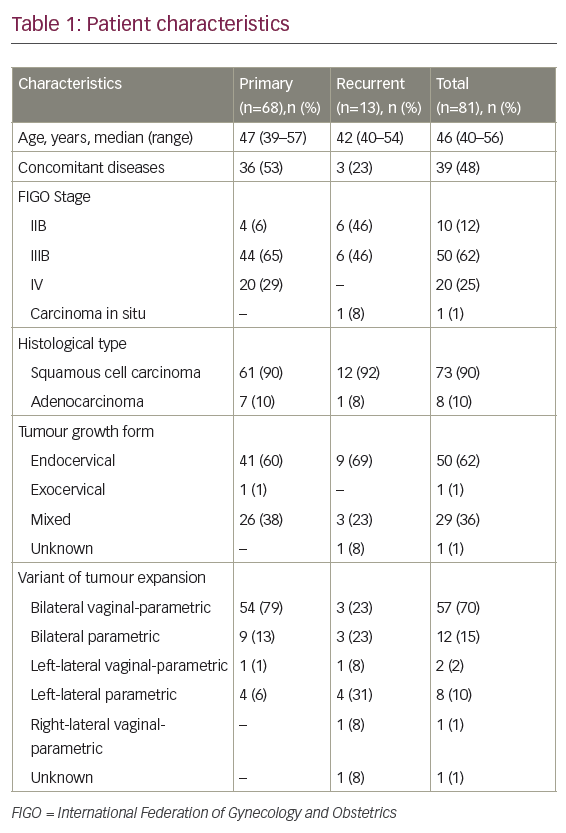
Cervical cancer (CC) is a leading cause of cancer morbidity in women globally. In Europe, epidemiological data on CC incidence shows important differences between countries: from 3.6 per 100,000 women in Switzerland to 28.6 per 100,000 in Romania.1,2 In 2015 in the Republic of Belarus, ...
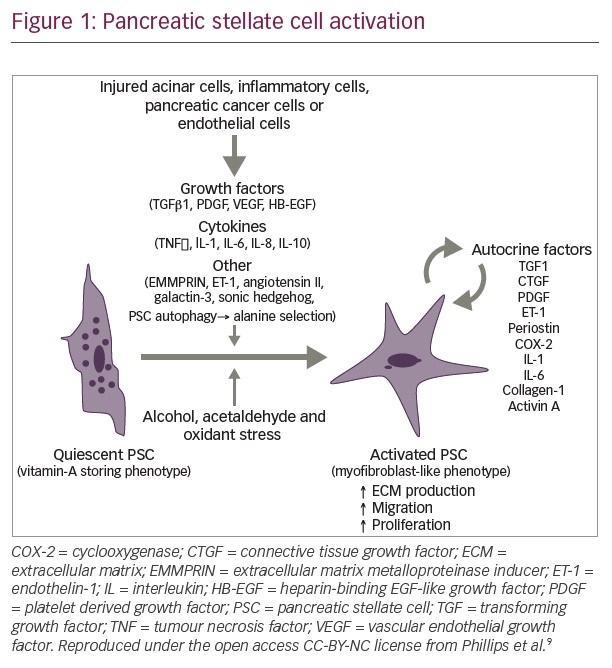
Hyaluronic acid (HA) is a key component of the stroma that dominates the microenvironment of tumours of several different types of cancer especially metastatic pancreatic ductal adenocarcinoma (PDA).1 It contributes to the quite solid characteristics of these tumours, and is ...
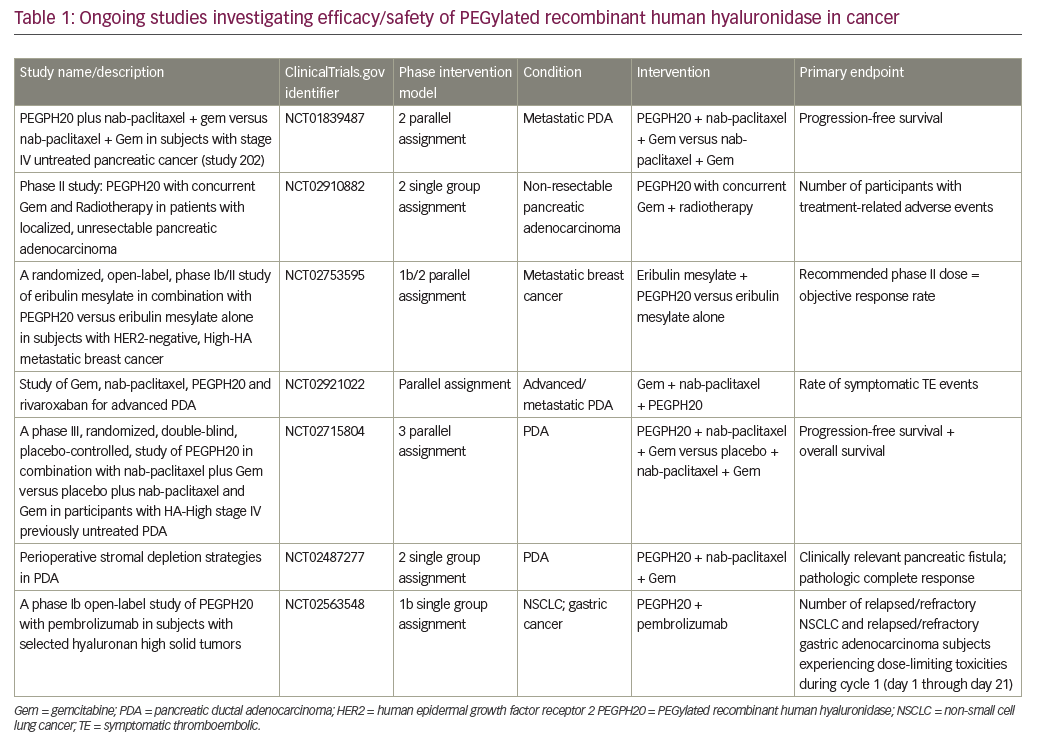
Despite progress in managing many cancer types in recent decades, metastatic pancreatic ductal adenocarcinoma (PDA), accounting for over 90% of all malignancies of the pancreas, continues to have an extremely poor prognosis. Indeed, in the US PDA has an estimated 5-year ...

Each June, at the oral sessions of the annual American Society of Clinical Oncology (ASCO) meeting, the ASCO Program Committee’s top ranked abstracts are presented and subjected to expert commentary. These sessions frequently signal the latest directions along which ...
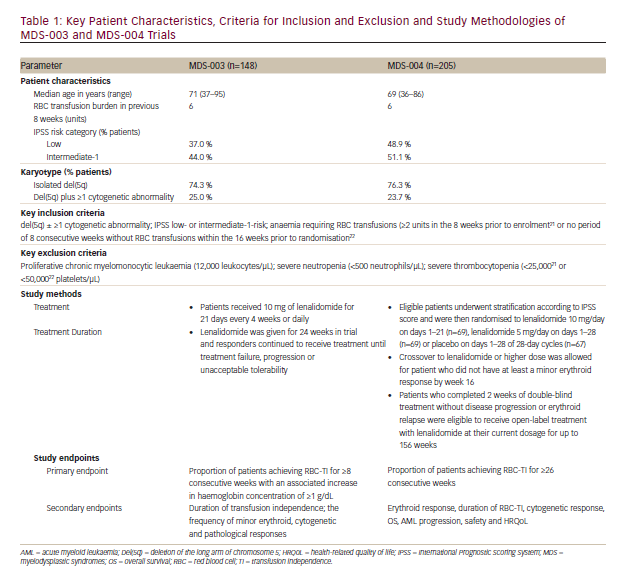
Myelodysplastic Syndromes and 5q Deletion Myelodysplastic syndromes (MDS) are a group of rare blood disorders that occur as a result of abnormal development of blood cells within the bone marrow. MDS may progress to life-threatening failure of the bone marrow ...
The myelodysplastic syndromes (MDS) are a heterogeneous group of haematological disorders characterised by ineffective haematopoiesis with associated cytopenias and a hypercellular bone marrow (BM) with dysplastic changes.1 Patients with MDS have a variable reduction in the production of normal red ...
Epithelial ovarian cancer has long been recognized as being highly sensitive to cytotoxic chemotherapy, with anticipated objective response to platinum-based chemotherapy of approximately 70-85%1. Furthermore, overall survival (OS) for women presenting with advanced disease has been documented to have improved ...
It has been almost 50 years since the first study of an antiemetic (prochlorperazine versus placebo) for chemotherapy-induced nausea and vomiting (CINV) was published.1 However, we have not reached the point where CINV is never a problem for any patient receiving ...
Antineoplastic therapy is frequently complicated by the development of cardiotoxicity, either as the direct effects of chemotherapy on the heart, such as left ventricular dysfunction (LVD), heart failure (HF) or ischaemia, or as indirect effects due to haemodynamic changes, thrombotic ...
Cachexia is a complex metabolic disorder that results in progressive weight loss, muscle and adipose tissue wasting and inflammation and is frequently observed in patients with incurable malignancies.1 Weight loss in cancer patients results from reduction in adipose tissue and ...
Hepatocellular carcinoma (HCC) is the most common primary liver malignancy (70–85 %)1 with an associated mortality of >600,000 per year.2,3 Underlying cirrhosis is the major risk factor,2 with an estimated annual risk of developing HCC of 4–8 %.2,4 Hepatitis B is responsible for 53–80 % of all ...
Infections remain an important cause of morbidity and mortality in cancer patients, mainly those affected by haematological malignancies and those undergoing stem cell transplant (SCT).1–3 With the improvement of cancer care in the past decades, patients live longer, and immunosuppression ...
Log into your Touch Account
Keep track of your clinical interests and newsletter subscriptions.
Sign up with an Email
Or use a .
Register now for FREE access
Already registered? Login below.
