
Search Results
574 Results Found for “carcinoma”
Urothelial carcinoma (UC) is the 11th most common cancer in the UK, with approximately 11,000 new bladder cancer diagnoses annually.1 Globally, bladder cancer accounts for approximately 635,000 new diagnoses and 228,000 deaths annually, based on the latest GLOBOCAN estimates for 2024.2 Bladder cancer constitutes ...


Abderrahim Oussalah discusses findings from the SEPT9_CROSS study evaluating circulating methylated SEPT9 as a blood-based biomarker for HCC detection in cirrhosis. “These findings support a two-tier surveillance framework in which mSEPT9 and AFP work together to improve both the ...


From adjuvant immunotherapy to microbiome-driven precision medicine, the biggest renal cell carcinoma abstracts presented at ASCO 2026 highlight where the field is heading next, and what may change first. In this round-up, we discuss the key data from four of the meeting’s most important studies, from investigational to late-phase: RAMPART, KEYNOTE-564, CaboNivo in patients with nccRCC and microbiome-based predictive biomarker development in mRCC.

Bladder cancer’s treatment landscape is changing fast; and the biggest abstracts presented at ASCO 2026 show just how far that shift now extends. With insight from our Editor-in-Chief, Prof Axel S Merseburger (University Hospital Schleswig-Holstein, Germany), we examine the four studies likely to have the biggest impact on clinical practice across advanced and localized disease: EV-302, KEYNOTE-905, SAKK 06/19 and POTOMAC.

Several late-breaking gastrointestinal oncology studies presented at ASCO 2026 highlighted how treatment selection is continuing to evolve across colorectal, hepatobiliary, gastric, and esophageal cancers, with new data on ctDNA-guided adjuvant therapy, earlier integration of targeted agents, and intensified perioperative strategies. In this round-up, we have selected six of the most important late-breakers, and examine the latest data from CIRCULATE, BREAKWATER, EMERALD-3, Neo-CRAG, SCIENCE, and RC48-C027.

The five selected Plenary late-breaking abstracts at the ASCO 2026 Annual Meeting in Chicago showcased some of the meeting’s most practice-influencing data. Across prostate cancer, sarcoma, lung cancer and pancreatic cancer, these phase 3 studies demonstrated meaningful improvements in survival outcomes, highlighting the growing impact of perioperative intensification, precision oncology and novel targeted therapies in difficult-to-treat disease settings.

New clinical data presented at the 2026 International Kidney Cancer Symposium (IKCS) Europe supports the potential of next-generation FTI darlifarnib, alone and in combination with cabozantinib, to overcome resistance and resensitize tumors to VEGFR TKI therapy in clear cell renal cell carcinoma (ccRCC)

This issue of touchREVIEWS in Oncology & Haematology brings together a diverse collection of articles reflecting the growing complexity of cancer care and the continued evolution of precision medicine across tumour types. From rare malignancies and treatment-related challenges to emerging ...
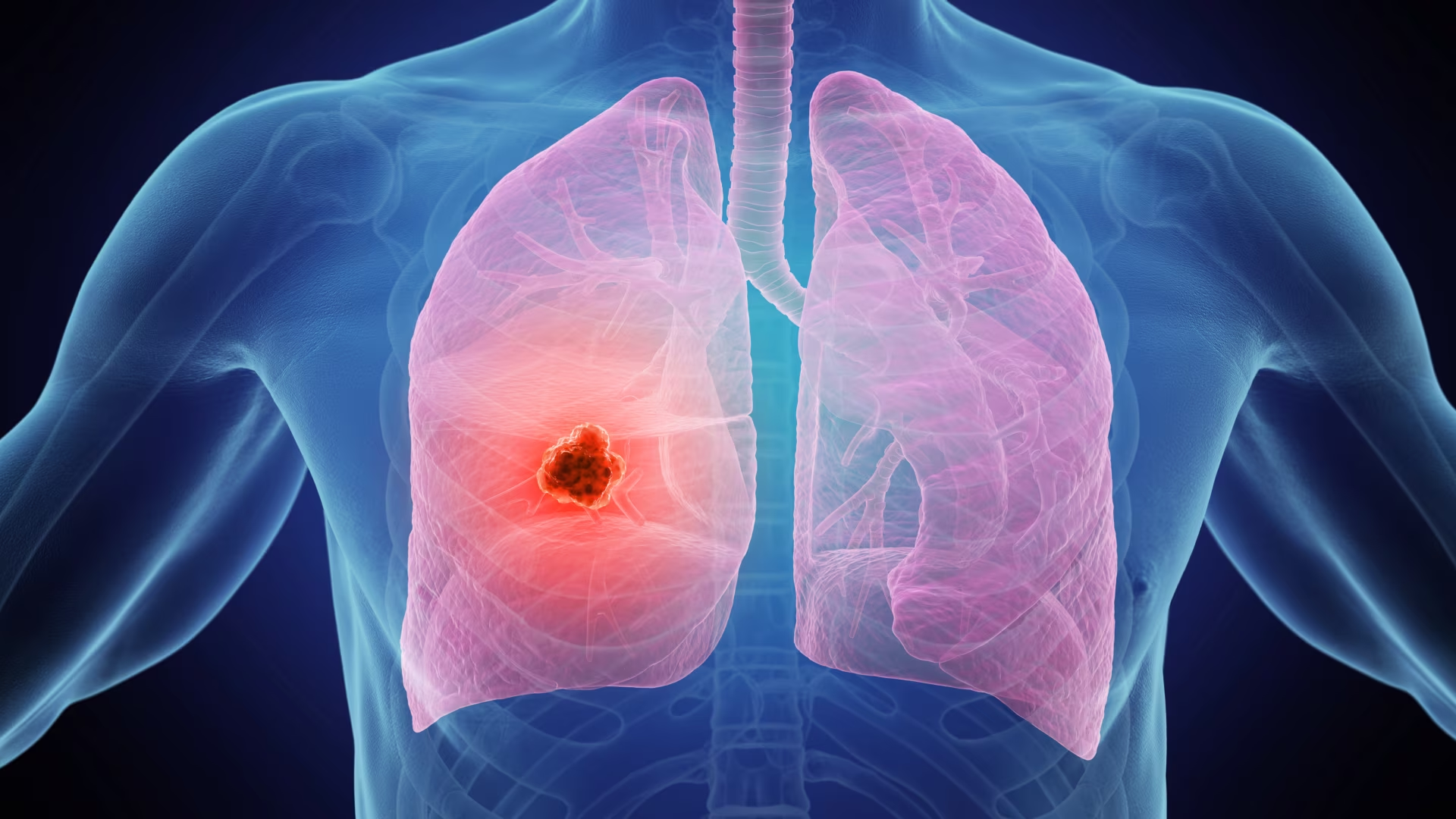
Non-small cell lung cancer (NSCLC) remains the leading cause of cancer-related mortality worldwide.1 Over the past two decades, the molecular characterization of NSCLC has transformed the therapeutic landscape by enabling the development of targeted therapies that have significantly improved outcomes ...

An immunosuppressed person is one whose immune function is impaired by underlying disease and/or immunosuppressive medications, resulting in reduced immunosurveillance against malignant cells and increased vulnerability to opportunistic infections. Longstanding immunosuppression has been linked to increased risk for cutaneous (...
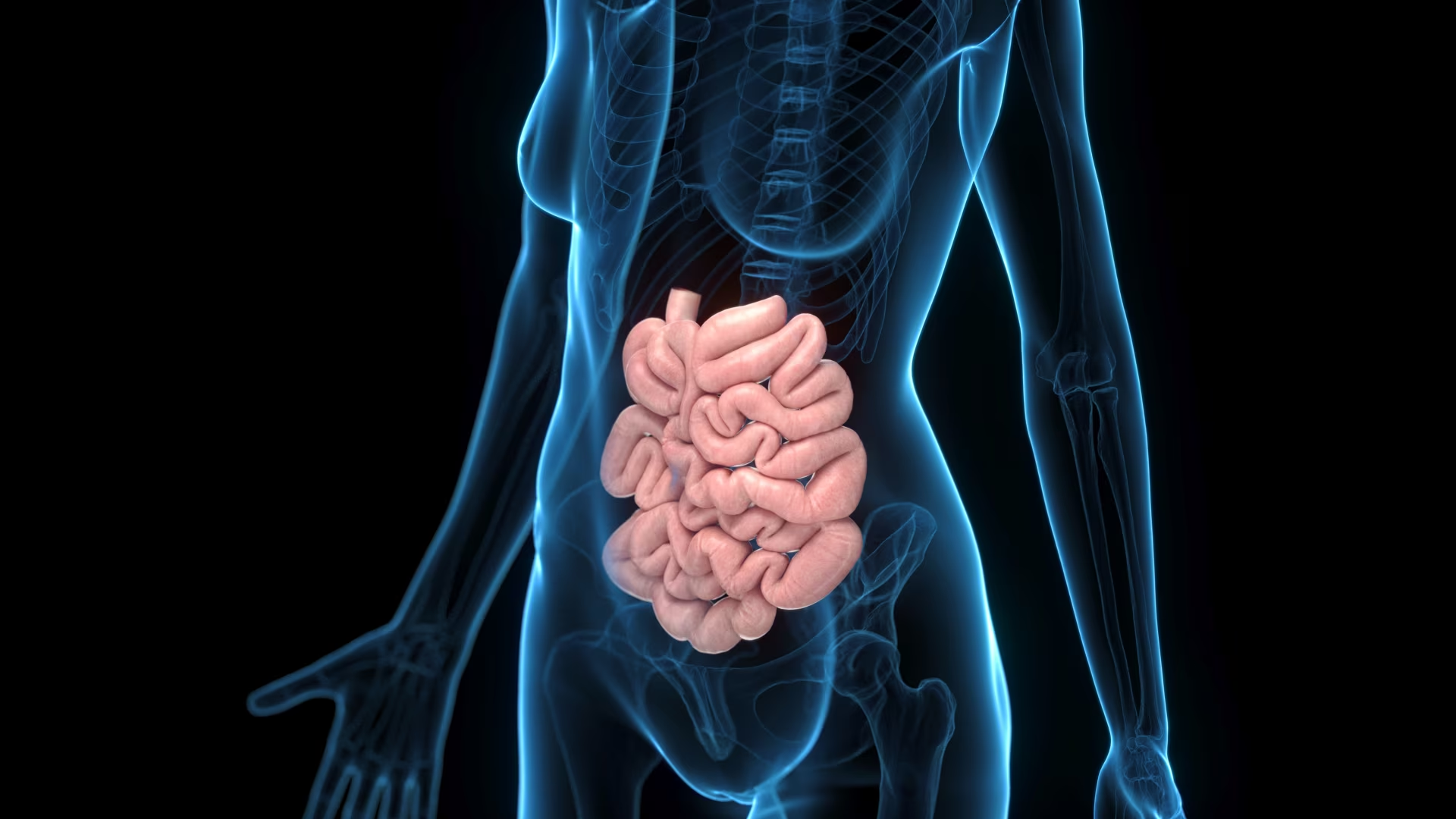
Small bowel adenocarcinoma (SBA) is a rare gastrointestinal malignancy, accounting for about 1–3% of gastrointestinal cancers.1,2 Its reported incidence has increased in recent decades, likely reflecting improved detection by balloon-assisted and capsule endoscopy and the more widespread use of cross-sectional imaging.3,4 ...

The 15th European Breast Cancer Conference (EBCC15) showcased a wave of research poised to reshape breast cancer care. Below, we spotlight the key highlights from this year’s conference.
At #EAU26, Professor Dickon Hayne presented early findings from the ZiPUP study. This is a phase I trial exploring a novel PET imaging approach in urothelial cancer. In this interview, he discusses the unmet need in staging, the study’s design and what the preliminary data might mean for clinical practice.

At EAU26, Prof Dickon Hayne presented findings from the ANZUP 1301 (BCG+MM) trial. With global BCG shortages and ongoing challenges around tolerability, the study offers timely insights into how combination intravesical strategies may deliver comparable efficacy while improving patient experience and resource utilisation.
At the recent 2026 ASCO Genitourinary Cancers Symposium (ASCO GU26), Dr Jeannie Hoffman-Censits (The Sidney Kimmel Comprehensive Cancer Center, Johns Hopkins Medical Center, Baltimore, MD, USA) presented data from ECOG-ACRIN EA8192 cohort C, exploring a new approach for patients with high-grade (HG) upper tract urothelial carcinoma (UTUC) who are ineligible for cisplatin. With neoadjuvant options limited in this population, the trial assessed whether combining chemotherapy with immunotherapy could improve outcomes.
Log into your Touch Account
Keep track of your clinical interests and newsletter subscriptions.
Sign up with an Email
Or use a .
Register now for FREE access
Already registered? Login below.
