
Search Results
122 Results Found for “central nervous system”
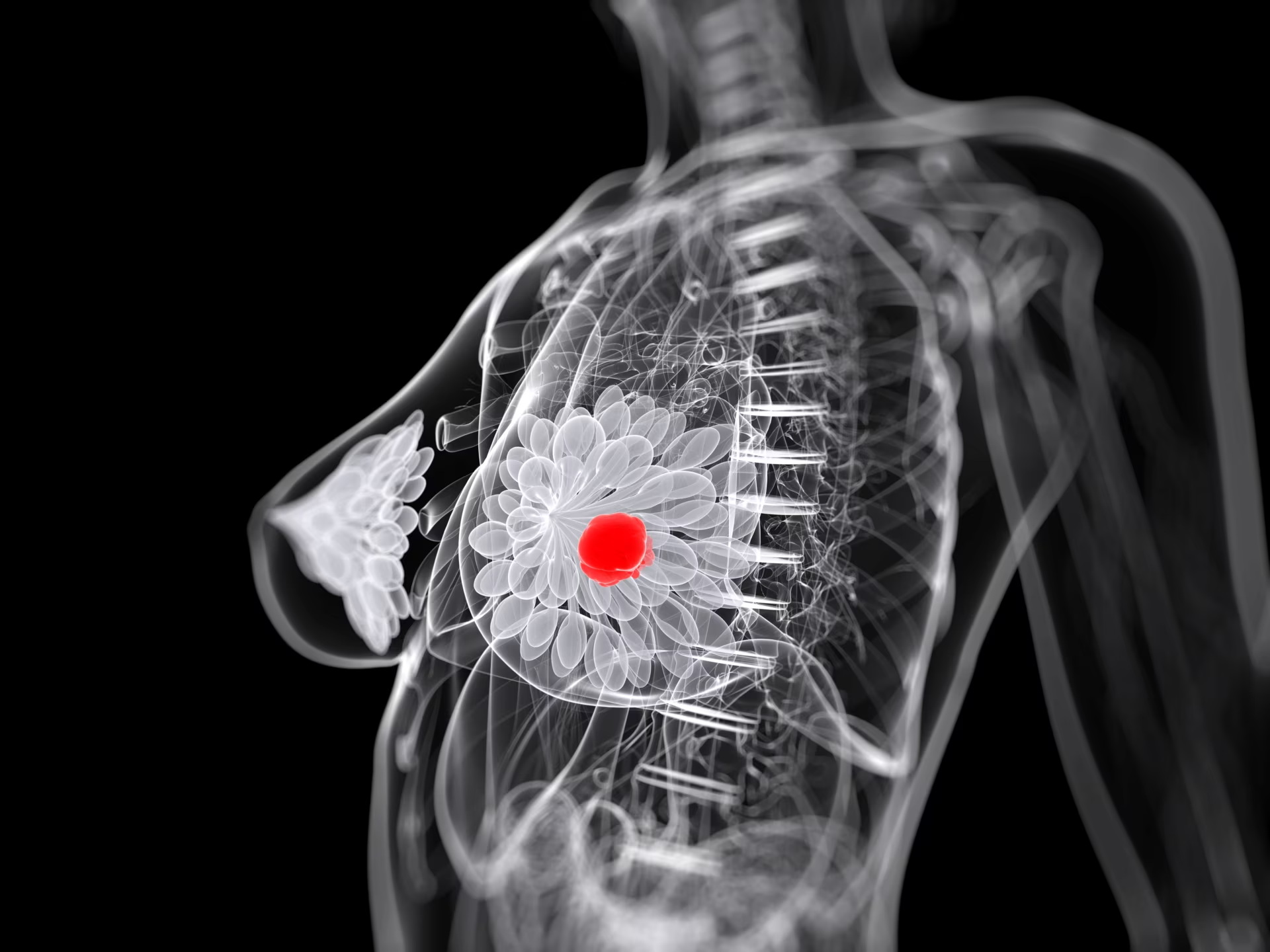
Metastatic triple-negative breast cancer (mTNBC) is a clinically heterogeneous disease, but compared with other breast cancer subtypes, triple-negative breast cancer (TNBC) is generally associated with a poorer prognosis and has historically had limited therapeutic options.1 The 5-year survival rate remains ...

How can clinicians distinguish true progression from pseudoprogression in MGMT-methylated glioblastoma? Dr Jigisha Thakkar discusses the clinical implications of time to true progression in MGMT-methylated glioblastoma and approaches to distinguishing pseudoprogression from treatment failure.

Dr Igor Gómez-Randulfe Rodríguez examines four studies from WCLC 2026 that could influence the evolving management of small-cell lung cancer and molecularly defined non-small-cell lung cancer, from B7-H3 antibody-drug conjugates and MRI surveillance to emerging therapies targeting EGFR exon 20 insertions and ROS1.
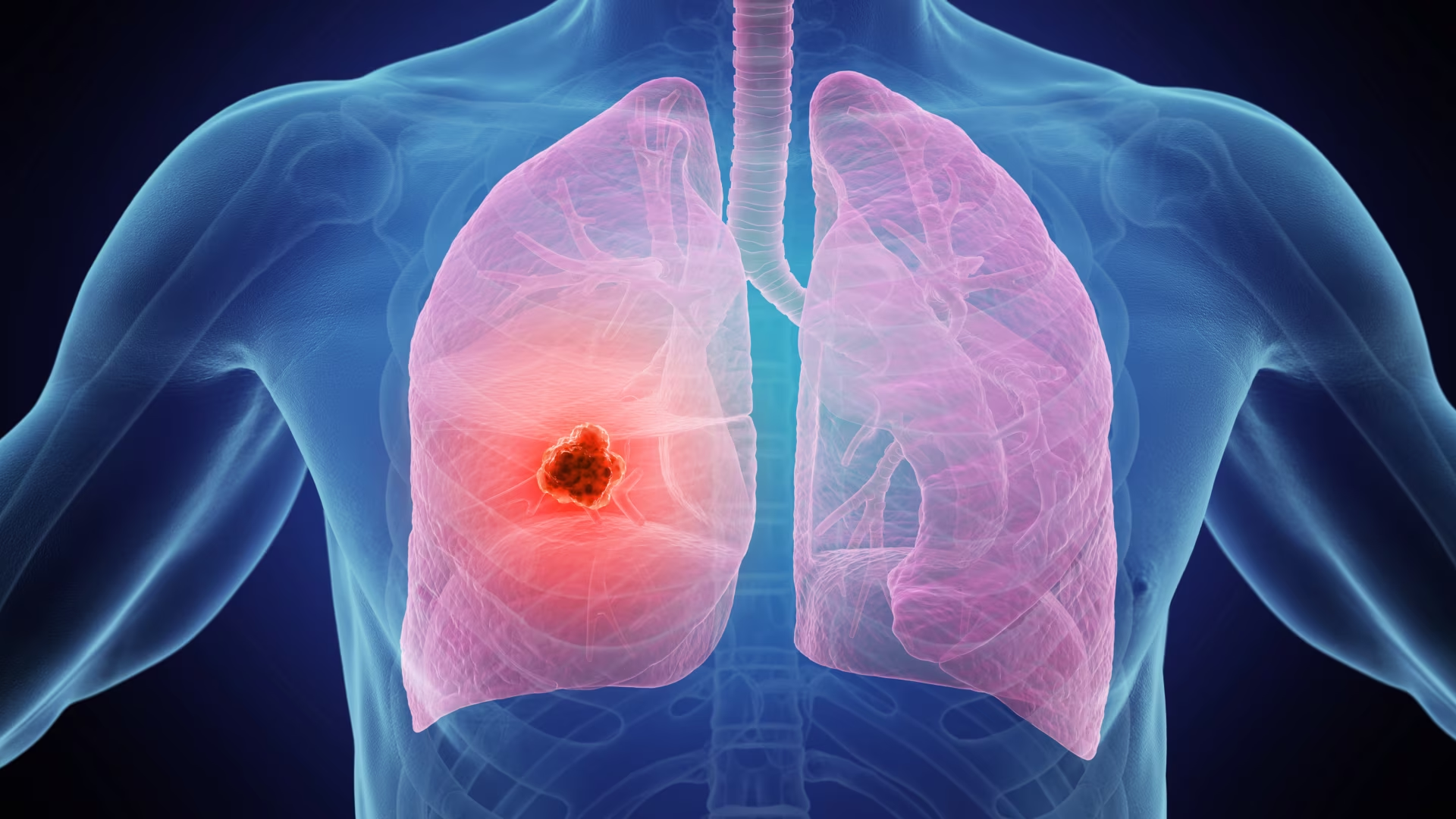
Non-small cell lung cancer (NSCLC) remains the leading cause of cancer-related mortality worldwide.1 Over the past two decades, the molecular characterization of NSCLC has transformed the therapeutic landscape by enabling the development of targeted therapies that have significantly improved outcomes ...

Among glial tumours of the central nervous system (CNS), one of the most devastating is the category of H3K27-altered midline gliomas because of their uniform and rapid mortality, high neurological symptom burden and predilection for paediatric, adolescent and ...
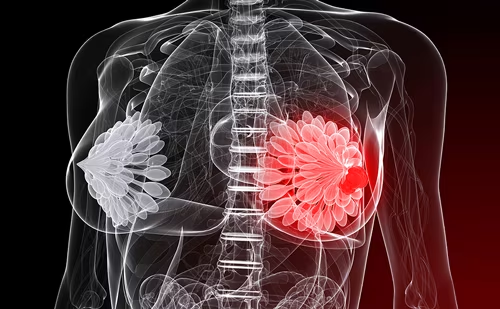
Breakthroughs from the 2025 San Antonio Breast Cancer Symposium in oral SERDs, HER2-targeted maintenance therapy, ADCs and next-generation endocrine combinations are reshaping breast cancer care across early and metastatic disease. From practice-changing phase III data to nuanced treatment selection in triple-positive and ESR1-mutant disease, this in-depth report unpacks what the latest trials really mean for clinicians. Register now to read the full analysis and stay ahead of rapidly evolving practice.
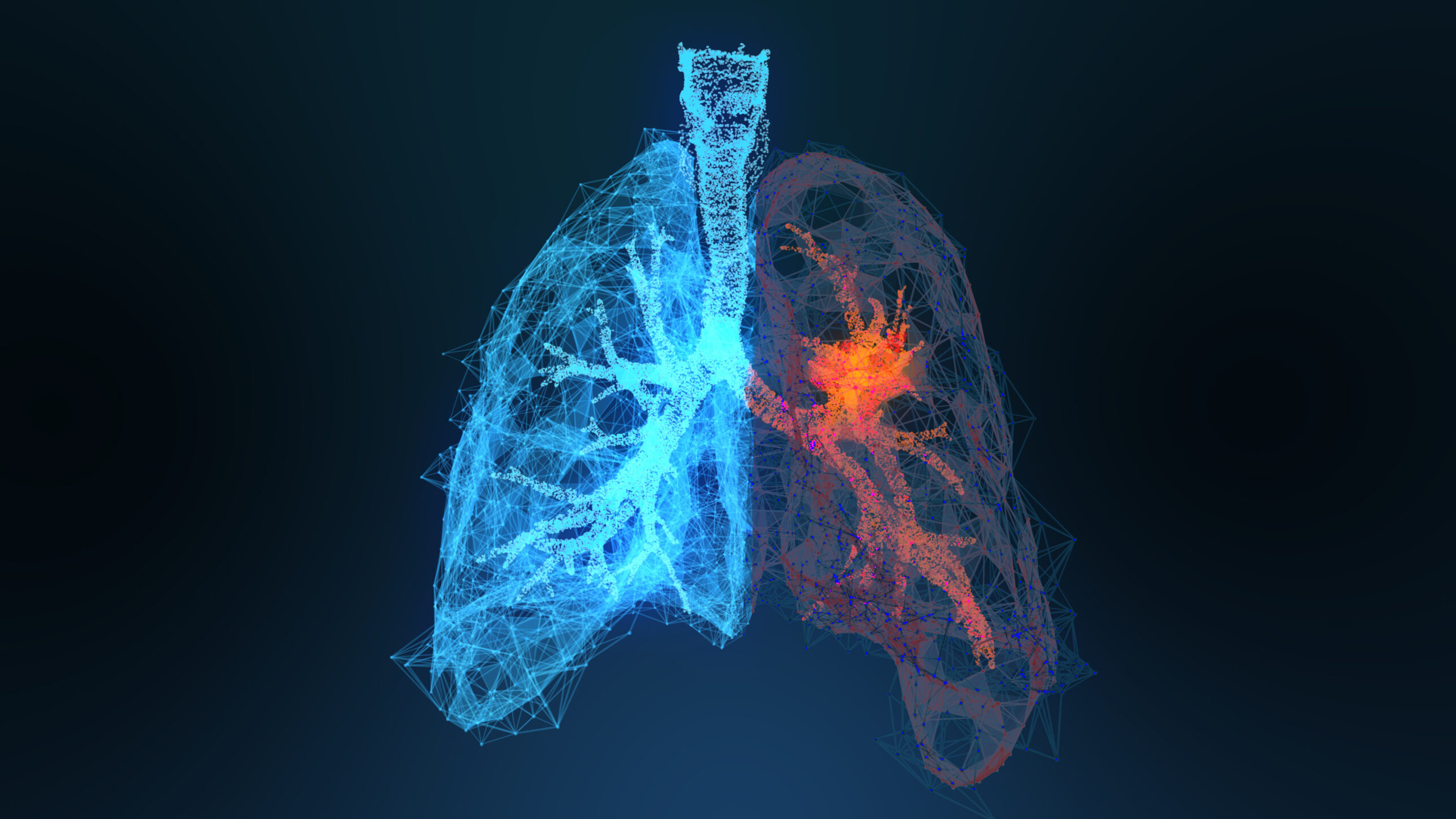
At this year’s ESMO 2025 lung-cancer programme, several large phase II/III studies delivered practice-shaking results across EGFR-mutant, squamous, small-cell and ALK-positive disease. From upfront osimertinib plus chemo to antibody-drug conjugates in chemo-resistant EGFR-mutant disease and adjuvant ALK inhibition, here are the six landmark abstracts clinicians and researchers need to know — and what they could mean for the clinic.

The intestinal microbiota, composed of approximately 1,000 species and over 100 trillion micro-organisms, plays a vital role in host physiology, including metabolism, barrier function and immune regulation.1 Disruption of this delicate host–microbiota balance – known as dysbiosis – has been implicated in the ...

The first primary microangiopathic haemolytic anaemia was identified as thrombotic thrombocytopenic purpura (TTP) by Dr Moschowitz in 1924. At that time, the classic pentad of clinical features, still used today, included fever, erythrocyte fragmentation, thrombocytopenia, kidney injury and neurologic injury.1 It ...

Early-onset lung cancer is typically defined as occurring in individuals aged 18–50 years, although there is no universally accepted definition.1–3 This entity, though rare, poses unique diagnostic and therapeutic challenges. This article synthesizes current evidence on the unique features and management ...

Dr Rimas Lukas highlights early-stage neuro-oncology research presented at ANA 2025. Key approaches targeting CNS tumours include immune checkpoint inhibition, patient-derived glioblastoma vaccines, focused ultrasound, and cGAS–STING pathway therapies. The session showcased innovative strategies aiming to harness immunity in the fight against these difficult-to-treat cancers.

Maya Davies, winner of the 2025 MASCC Young Investigator Award, is uncovering how cancer treatments disrupt the brain in childhood cancer patients. Her research highlights the role of the gut microbiota, blood-brain barrier, and inflammation in treatment-related toxicity, paving the way for more personalised and biologically informed supportive oncology.

At WCLC 2025, final FLAURA2 results revealed that osimertinib plus chemotherapy significantly improves overall survival in EGFR-mutant advanced non-small cell lung cancer (NSCLC), extending median survival to nearly four years. Experts stress the practice-changing impact, while highlighting the importance of tailoring treatment to patient fitness, comorbidities, and individual goals.

Dr Federico Monaca discusses the role of consolidative thoracic radiotherapy after chemo-immunotherapy in ES-SCLC, highlighting improved chest control but uncertain survival impact. He also reflects on key WCLC 2025 updates, including DLL3-targeted therapies, novel immunotherapy combinations, and biomarker-driven strategies offering fresh hope in small cell and non-small cell lung cancers.

Dr Igor Gómez-Randulfe discusses new real-world evidence on second-line carboplatin plus pemetrexed after osimertinib in EGFR-mutant NSCLC. The retrospective analysis highlights modest response rates and short overall survival, reinforcing the need for more effective strategies and raising critical questions about sequencing, intensification, and resistance profiling.

At #ASCO25, key neuro-oncology presentations explored focused ultrasound to enhance drug delivery, the benefits of maximal surgical resection in IDH-mutant gliomas, and final CATNON data supporting adjuvant temozolomide. Other highlights included improved cognitive outcomes with stereotactic radiosurgery for brain metastases and early results from a novel gamma delta T cell therapy.

In this episode, we explore the future of continuing medical education (CME) with the team behind touchIME. Hannah Fisher and Matthew Goodwin share insights into global and US trends, the importance of patient inclusivity and how educational outcomes are evolving to better measure the direct impact of learning on clinical practice and patient care.

We are delighted to present the latest edition of touchREVIEWS in Oncology & Haematology. This issue underscores the evolving landscape of cancer therapeutics, showcasing advances across a wide range of malignancies, from haematologic diseases to solid tumours, through novel mechanisms, ...
Log into your Touch Account
Keep track of your clinical interests and newsletter subscriptions.
Sign up with an Email
Or use a .
Register now for FREE access
Already registered? Login below.
