
Search Results
27 Results Found for “colorectal neoplasm”

Gastrointestinal (GI) cancers constitute a major contributor to global cancer incidence and mortality and remain among the leading causes of cancer-related death worldwide despite advances in prevention, screening and supportive care.1,2 Collectively encompassing malignancies of the esophagus, stomach, liver, biliary ...

Esophageal cancer (EC) is a major global health concern, ranking as the 11th most commonly diagnosed cancer and the seventh leading cause of cancer-related deaths worldwide, with an estimated 494,320 new cases and 441,994 deaths in 2024.1 Esophageal squamous cell carcinoma (ESCC) remains ...

Small bowel adenocarcinoma (SBA) is a rare gastrointestinal malignancy, accounting for about 1–3% of gastrointestinal cancers.1,2 Its reported incidence has increased in recent decades, likely reflecting improved detection by balloon-assisted and capsule endoscopy and the more widespread use of cross-sectional imaging.3,4 ...

Pancreatic cancer (PC) is the tenth most common cancer in 2024, with 66,440 new cases and 51,570 deaths.1,2 Globally, the prevalence varies from 10/100,000 cases in the Americas and Europe to 0.9/100,000 cases in South Central Asia and most of Africa.3 Currently, it has the ...

Outcomes for patients with metastatic colorectal cancer have steadily improve due to discovery of new drugs as well as increasing number patients undergoing local therapies.1 Angiogenesis is of a paramount importance in this disease and since vascular endothelial growth factor (...

To date, the cornerstone of curative treatment in early-stage gastrointestinal (GI) cancers includes surgery and sometimes radiation therapy. Depending on the stage and tumour type, these approaches are often combined with systemic neoadjuvant or adjuvant therapies. After all definitive therapy ...

Somatic DNA mutational analysis has transformed how we characterize existing cancer and select treatments. For example, circulating tumour cell-free DNA (cfDNA) can be used to select targeted therapies, monitor treatment response and detect disease recurrence.1 However, early attempts with targeted ...
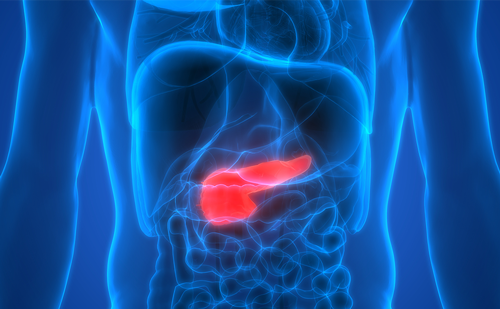
Pancreatic ductal adenocarcinoma (PDA) is predicted to beat colon cancer in terms of total cancer-related deaths in the USA by this year (2020).1 Given this projected burden of disease, efforts in understanding and developing new treatments for PDA are paramount. In ...

Peritoneal carcinomatosis, defined as tumor dissemination in the peritoneal cavity, is a common manifestation of gastrointestinal malignancies. However, isolated peritoneal metastases (IPM) are relatively rare, though appendiceal tumors and peritoneal mesothelioma have a propensity to involve only the peritoneum. Cytoreductive ...
Despite substantial advances in cancer diagnosis and treatment, the long-term survival rate for many cancer patients remains dismal.1 More than 90% of cancer-related mortality is ascribed to disease resurgence months or years after adjuvant therapy, either in the form of local ...

Welcome to the fall edition of Oncology & Hematology Review, which features a broad range of articles covering topics of relevance to oncologists and hematologists, as well as the wider medical community. Included in this edition is an article by ...
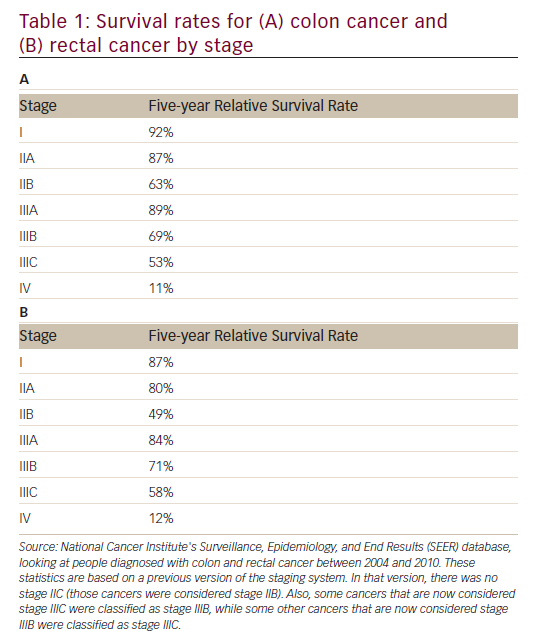
As is the case with most solid tumors, gastrointestinal (GI) tumors are treated in a variety of modalities, which are used singularly or in combination, including surgery, targeted therapies, radiation, and chemotherapy. Survival rates by stage in colon and rectal ...

As is the case with most solid tumors, gastrointestinal (GI) tumors are treated in a variety of modalities, which are used singularly or in combination, including surgery, targeted therapies, radiation, and chemotherapy. Survival rates by stage in colon and rectal ...
Neuroendocrine tumours (NETs) is a collective term for a diverse range of neoplasms that arise from cells that originate in the endocrine and nervous systems and share common morphological and immunohistochemical features, including the presence of secretory granules. These tumours ...
Malignant tumours are relatively uncommon in children, especially considering the incidence of cancer in adults. The difficulty of performing meaningful studies due to the limited numbers of patients treated at each paediatric oncology centre has encouraged oncologists to embark on ...
Prognostic factors of clinical outcomes in patients with cancer are a useful tool in the practice of medicine, especially in the fields of oncology and malignant hematology. A good prognostic factor should reflect the biology of its targeted disease, be ...
Europe is undergoing considerable demographic change. It is estimated that people aged over 65 years will make up 28 % of Europe’s population in 2050.1 Many neoplasms develop and are diagnosed in seniors; for example, 65 % of males with prostate cancer are aged over 65 ...
More than 350 cancer genes have been identified to date (see www.sanger.ac.uk/genetics/CGP) using a combination of epidemiological, genetic, and laboratory techniques. Decades of research into cancer genes have established some basic principles of tumorigenesis, including the ...
Log into your Touch Account
Keep track of your clinical interests and newsletter subscriptions.
Sign up with an Email
Or use a .
Register now for FREE access
Already registered? Login below.
