
Search Results
88 Results Found for “corticosteroid”

How can clinicians distinguish true progression from pseudoprogression in MGMT-methylated glioblastoma? Dr Jigisha Thakkar discusses the clinical implications of time to true progression in MGMT-methylated glioblastoma and approaches to distinguishing pseudoprogression from treatment failure.

This issue of touchREVIEWS in Oncology & Haematology brings together a diverse collection of articles reflecting the growing complexity of cancer care and the continued evolution of precision medicine across tumour types. From rare malignancies and treatment-related challenges to emerging ...

Among glial tumours of the central nervous system (CNS), one of the most devastating is the category of H3K27-altered midline gliomas because of their uniform and rapid mortality, high neurological symptom burden and predilection for paediatric, adolescent and ...

An immunosuppressed person is one whose immune function is impaired by underlying disease and/or immunosuppressive medications, resulting in reduced immunosurveillance against malignant cells and increased vulnerability to opportunistic infections. Longstanding immunosuppression has been linked to increased risk for cutaneous (...

Pancreatic cancer (PC) is the tenth most common cancer in 2024, with 66,440 new cases and 51,570 deaths.1,2 Globally, the prevalence varies from 10/100,000 cases in the Americas and Europe to 0.9/100,000 cases in South Central Asia and most of Africa.3 Currently, it has the ...

Immune checkpoint inhibitors (ICIs) act by blocking inhibitory pathways such as programmed cell death protein 1 (PD-1), programmed cell death ligand 1 (PD-L1) and cytotoxic T lymphocyte-associated antigen 4 (CTLA-4), thereby restoring T-cell activity and promoting tumour cell destruction.1,2 The ability of tumours ...

The first primary microangiopathic haemolytic anaemia was identified as thrombotic thrombocytopenic purpura (TTP) by Dr Moschowitz in 1924. At that time, the classic pentad of clinical features, still used today, included fever, erythrocyte fragmentation, thrombocytopenia, kidney injury and neurologic injury.1 It ...

At this year’s European Society for Blood and Marrow Transplantation (EBMT) meeting in Glasgow, Scotland, graft-versus-host disease (GVHD) emerged as a central topic of discussion. The conference featured a wealth of innovative research, with numerous abstracts presenting advances in the management of chronic and refractory GVHD, offering new hope for patients facing this challenging complication. Here we explore some of the most exciting abstracts presented.
Multiple myeloma (MM) is the second most common haematological malignancy, with upwards of 35,000 diagnoses in the USA each year.1,2 It remains a leading cause of blood cancer-related mortality worldwide, and although therapeutic advances have allowed for significant improvements in the ...
In December 2019, an outbreak of pneumonia of unknown aetiology was observed in the Chinese city of Wuhan, capital of Hubei province. By January 2020, this outbreak was attributed to a novel virus classified as severe acute respiratory syndrome coronavirus 2 (SARS-CoV-2), the ...

The addition of rituximab to chemotherapy provides an overall survival benefit in aggressive lymphomas,1 whereas for indolent lymphoma subtypes this addition has resulted in improvements in progression-free survival.2 For more than two decades, immunotherapy with monoclonal ‘naked’ antibodies targeting CD20 ...
Allogeneic haematopoietic stem cell transplant (allo-HSCT) remains a potential curative therapeutic option for patients with refractory/relapsed Hodgkin lymphoma (HL) in whom an autologous peripheral blood stem-cell transplantation (PBSCT) has failed. This is explained by the additional benefit of a ...
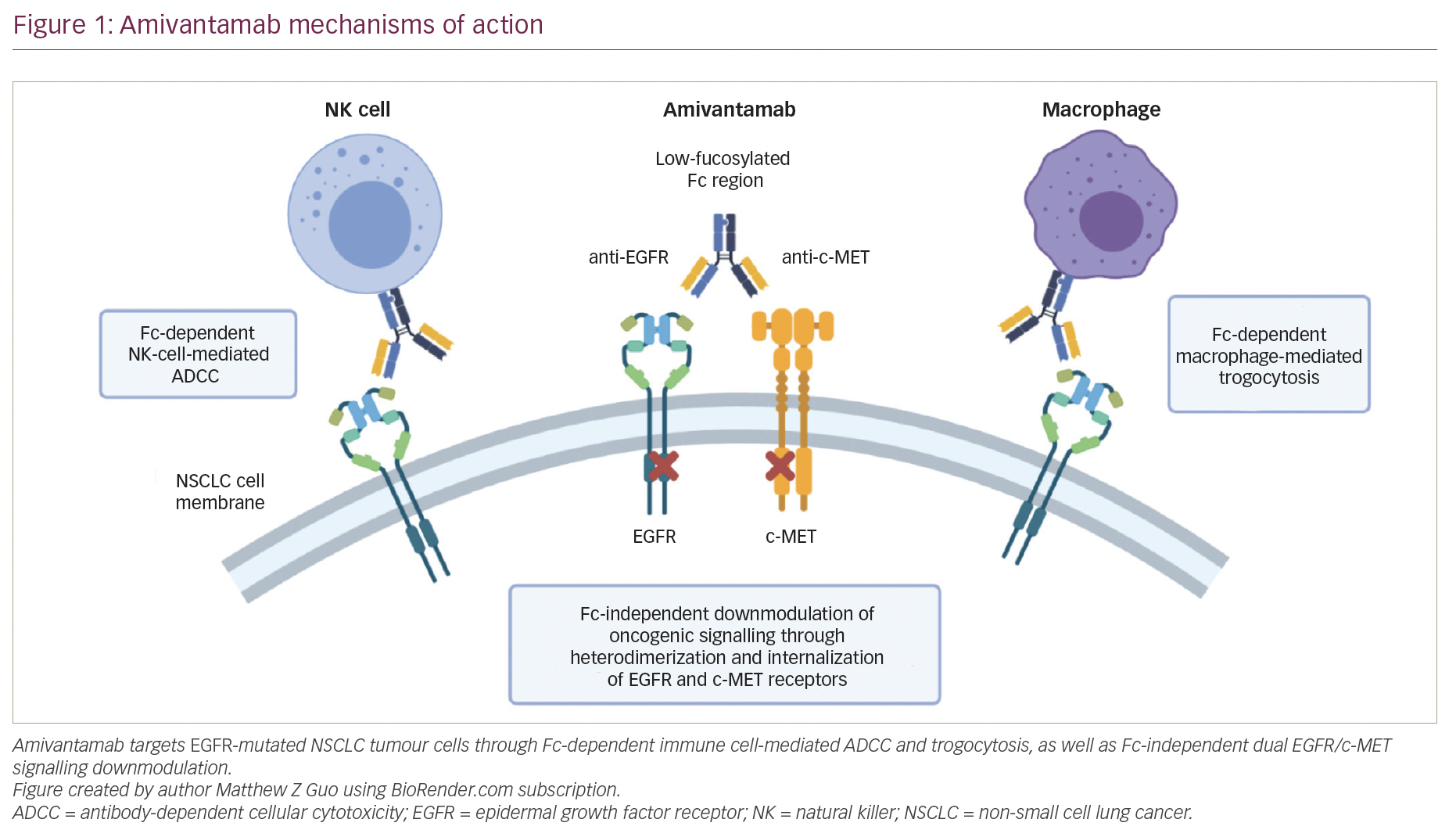
Cancer treatment has expanded rapidly in recent years as advancements in the fields of tumour biology and molecular diagnostics have informed the development of targeted therapies, improving survival in patients with oncogene-addicted cancers with therapeutically relevant molecular lesions. Osimertinib has ...
Allogeneic haematopoietic cell transplantation (allo-HCT) has a bi-faceted role in the treatment of haematopoietic malignancies. First, allo-HCT gives high-dose chemotherapy a chance to reduce the leukaemic burden; second, it allows graft-originated natural killer and T cells to initiate an adoptive ...
Lung cancer is the leading cause of cancer deaths in the USA. In 2018 an estimated 154,050 Americans were predicted to die from lung cancer, accounting for approximately 25% of all cancer deaths.1 However, recent advances have transformed early diagnosis and the treatment ...
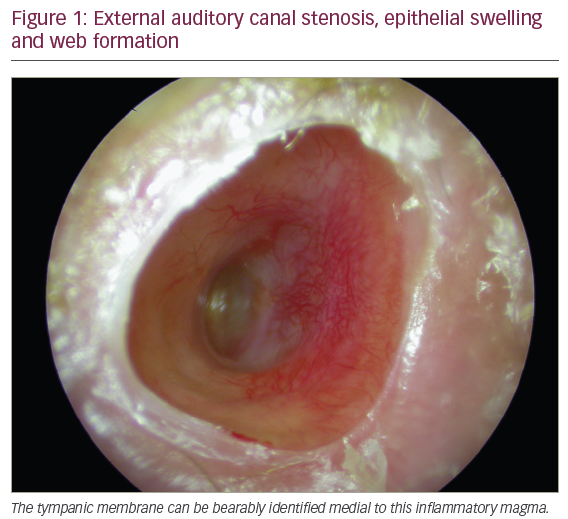
Bilateral Obliterative External Otitis in the Context of Chronic Iron Deficiency—Report of Two Cases
Plummer-Vinson syndrome is a rare disorder that predominantly affects middle-aged women.1 It is widely renowned throughout the medical literature as the result of a chronic iron deficiency state. Yet, the underlying mechanisms leading to the multitude of head and neck ...
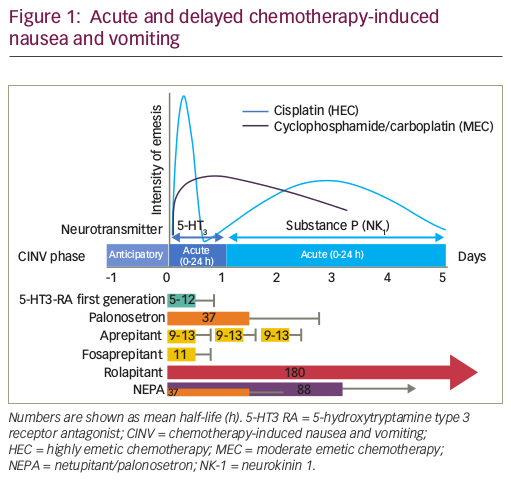
Despite the increasing availability of precision medicine and the recent introduction of immune checkpoint inhibitors in the treatment of many tumours, chemotherapy remains the standard of care for most patients with cancer. Chemotherapy-induced nausea and vomiting (CINV) is highly prevalent ...
Log into your Touch Account
Keep track of your clinical interests and newsletter subscriptions.
Sign up with an Email
Or use a .
Register now for FREE access
Already registered? Login below.
