
Search Results
29 Results Found for “cyclin-dependent kinase (CDK) inhibitor”

Pancreatic cancer (PC) is the tenth most common cancer in 2024, with 66,440 new cases and 51,570 deaths.1,2 Globally, the prevalence varies from 10/100,000 cases in the Americas and Europe to 0.9/100,000 cases in South Central Asia and most of Africa.3 Currently, it has the ...

Highlights Immunotherapy, especially combinatory immunotherapy, has shown promise with prolonged survival for patients with advanced mesothelioma in the first-line setting (see the sections on ‘Systemic treatment and immunotherapy debut’ and ‘Randomized immunotherapy trials of mesothelioma’). Histology-based therapy is important to ...

Endocrine therapy (ET) has changed the natural history of hormone receptor-positive (HR+) breast cancer (BC) and is the cornerstone of the treatment of HR+ BC. There are several ETs approved for the treatment of BC, including selective oestrogen receptor modulators (...

Trastuzumab deruxtecan (T-DXd) is a novel human epidermal growth factor receptor 2 (HER2)-targeted antibody–drug conjugate (ADC) designed to effectively deliver a potent topoisomerase I inhibitor (exatecan derivative) to HER2-expressing cancer cells and limit potential systemic toxicity.1 T-DXd has ...

Breast cancer is the most common cancer among women worldwide, and more than a fifth of those diagnosed will develop incurable metastatic disease.1 Molecular testing to investigate genetic and genomic variation is essential to identify the most effective treatment plans ...

touchONCOLOGY spoke with editorial board member Sara Tolaney (Dana-Farber Cancer Institute, Boston, MA, USA) to discuss her highlights from the American Society of Clinical Oncology (ASCO) Annual Meeting, 2–6, June 2023. These include the phase 3 SONIA trial (NCT03425838) assessing CDK4/6 inhibitors for ...
Chemotherapy-induced myelosuppression has long been considered a toxicity that limits the dose of cytotoxic agents, which contributes to significant morbidity and mortality.1 Sub-optimal dose intensity may decrease the efficacy of therapy, thereby compromising progression-free survival (PFS) and overall survival (OS) ...

DESTINY-Breast04 investigates the use of trastuzumab deruxtecan, in the first randomized clinical trial to show that targeting HER2 provides clinically meaningful benefits for patients with HER2-low metastatic breast cancer (0:10). Dr Judy King (Royal Free Hospital, London, UK) joined touchONCOLOGY ...
Gastro-oesophageal cancers (GEC), which include both gastric (GC) and oesophageal cancers (EC), are among the most common cancers globally.1 In the USA, the American Cancer Society estimated 20,640 new diagnoses of EC and 26,380 new diagnoses of GC, each contributing to 16,410 and 11,090 ...

Neuroendocrine neoplasms (NENs) comprise a heterogenous group of malignancies with diverse clinical behaviour determined by tumour characteristics such as grade, differentiation and primary tumour origin.1 While neuroendocrine carcinomas are poorly differentiated aggressive malignancies, well-differentiated neuroendocrine tumours (NETs) tend to be ...
Cumulatively, TNBC accounts for 35–40% of breast cancer deaths in the United States, despite only comprising 10–15% of total breast cancer cases diagnosed.1 Even before the use of anti-estrogen therapies became widespread, hormone receptor-positive breast cancer (HR+BC) provided a far more ...

touchONCOLOGY joins Dr Sara Tolaney (Dana-Farber Cancer Institute, Harvard Medical School, Boston, MA, USA) at ASCO 2021 to discuss unmet needs and ongoing research in patients with early-stage HER2+ breast cancer. The abstract ‘eMonarcHER: A phase 3 study of abemaciclib plus standard ...

Prostate cancer is the second most common cause of cancer mortality in men, with most deaths occurring as a result of metastatic disease that has become resistant to androgen deprivation therapy (ADT).1 Most recently, immunotherapy, in the form of immune ...

Welcome to the spring edition of Oncology and Hematology Review (US). During the difficult days of this COVID-19 pandemic, which has impacted cancer care worldwide, we hope our journal provides reason for optimism. We begin with one of our popular ...
Since the approval of palbociclib in 2015,1 cyclin dependent kinase (CDK) 4/6 inhibitors have been a heavily-researched and discussed class of medication for the management of metastatic, hormone receptor positive (HR+), human epidermal growth factor receptor 2-unamplified (HER2-) breast cancer. Because ...

Breast cancer is a heterogeneous disease and its prognosis can vary widely according to its biological subtype. Expression of hormone receptors (HRs; comprising oestrogen receptors and progesterone receptors) and human epidermal growth factor receptor-2 (HER2) are routinely used to guide ...
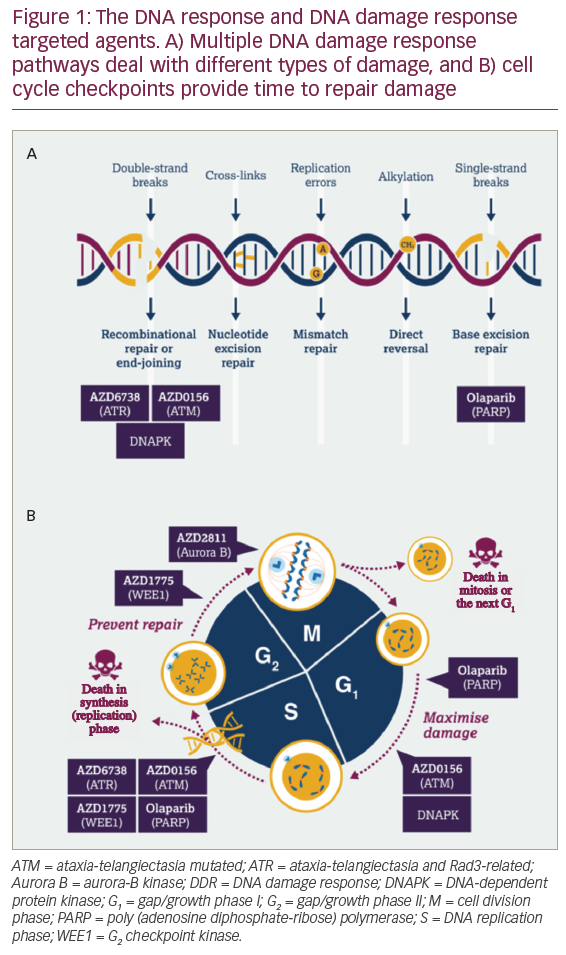
Introduction Presented by Sean Bohen Oncology is one of the cornerstone therapeutic areas for AstraZeneca, and within the AstraZeneca oncology drug discovery platform there are four main research areas: tumour drivers and resistance, immuno-oncology, antibody conjugates and the DNA damage ...

Q. What are the most promising therapeutic targets and agents currently under evaluation, and how might they change the breast cancer treatment paradigm? Since the main classifications of breast cancer were established (based on the presence of oestrogen, progesterone and/...
Log into your Touch Account
Keep track of your clinical interests and newsletter subscriptions.
Sign up with an Email
Or use a .
Register now for FREE access
Already registered? Login below.
