
Search Results
32 Results Found for “diffuse large B-cell lymphoma (DLBCL)”

ESMO 2026 presented new data across multiple myeloma, lymphoma and myeloid malignancies, exploring investigational bispecific antibodies, ADCs and targeted therapies. The studies selected for this round-up examine investigational approaches in relapsed/refractory disease and newly diagnosed settings, including combinations designed to deepen responses and emerging targets in patients with limited treatment options.

Diffuse large B-cell lymphoma (DLBCL) is the most common lymphoma in the USA and Western Europe.1,2 DLBCL is treated with curative intent given the aggressive nature of the disease. Rituximab (R), cyclophosphamide (C), doxorubicin (H), vincristine (O) and prednisone (P) (...

For almost two decades, R-CHOP has remained the established frontline standard for DLBCL, yet approximately 40% of patients are not cured with first-line therapy. At EHA 2026, Prof Georg Lenz presented new phase 3 data from the frontMIND study suggesting that this long-standing backbone may now be open to improvement. The study showed that adding tafasitamab and lenalidomide to R-CHOP significantly improved progression-free survival (PFS) in previously untreated patients with high-risk DLBCL and high-grade B-cell lymphoma (HGBL), marking one of the first positive frontline intensification trials in this setting in recent years.

Several important lymphoma studies presented at ASCO 2026 provided new data across newly diagnosed and relapsed/refractory disease settings. The studies spanned aggressive B-cell lymphomas and classic Hodgkin lymphoma, evaluating novel antibody-based combinations, epigenetic targeting strategies and chemotherapy-sparing approaches. Dr Tycel Phillips provides his expert insights into the six most important studies of the meeting.
Marginal zone lymphoma subtypes Marginal zone lymphoma (MZL) is an indolent non-Hodgkin lymphoma (NHL) that accounts for 5.0%–10.0% of NHLs.1 There are three subtypes of MZL: extranodal (including mucosa-associated lymphoid tissue [MALT]), splenic and nodal.1 Extranodal MZL (EMZL) is the most ...
B-cell signalling pathways are critical regulators of B-cell development, expansion, and survival and function via various mediators, including Src family kinases (SFKs), spleen tyrosine kinase, Bruton’s tyrosine kinase (BTK) and phosphatidylinositol 3 kinase (PI3K) (Figure 1).1,2 BTK, a member of ...

The addition of rituximab to chemotherapy provides an overall survival benefit in aggressive lymphomas,1 whereas for indolent lymphoma subtypes this addition has resulted in improvements in progression-free survival.2 For more than two decades, immunotherapy with monoclonal ‘naked’ antibodies targeting CD20 ...

Umberto Vitolo is a Haematology Consultant, Candiolo Cancer Institute, Fondazione del Piemonte per l'Oncologia, IRCCS, Candiolo (Torino), Italy. His research interests are haematological malignancies, primarily lymphoma. He is a member of the Italian Society of Haematology, the Italian Society of ...
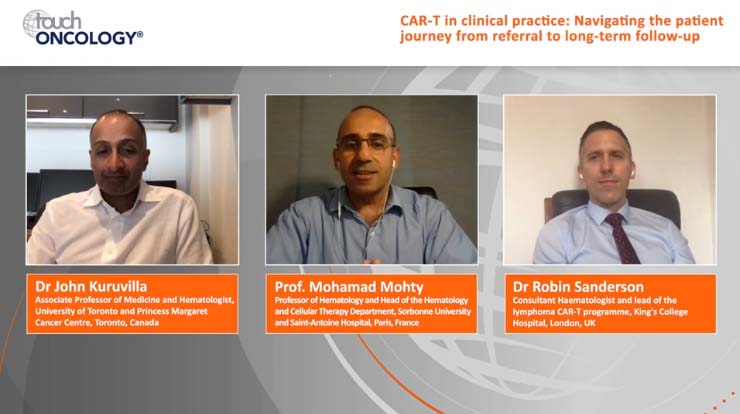

Chimeric antigen receptor (CAR) T-cell therapy has been the most important recent breakthrough in the treatment of haematological malignancies. CAR T-cell therapy is a novel adoptive immunotherapy in which T lymphocytes are re-engineered ex vivo to produce CARs that can ...
Waldenström macroglobulinemia (WM) is an indolent lymphoma characterized by the presence of a circulating monoclonal immunoglobulin M (IgM) protein of any size and lymphoplasmacytic infiltrate in the bone marrow.1 It lies within a continuous spectrum of disorders associated with ...

Diffuse large B-cell lymphoma (DLBCL) is the most common lymphoid malignancy, and accounts for 30–40% of all cases of non-Hodgkin’s lymphoma.1 Various subtypes of DLBCL have been recognised by the World Health Organization (WHO), including primary mediastinal large B-cell lymphoma, ...
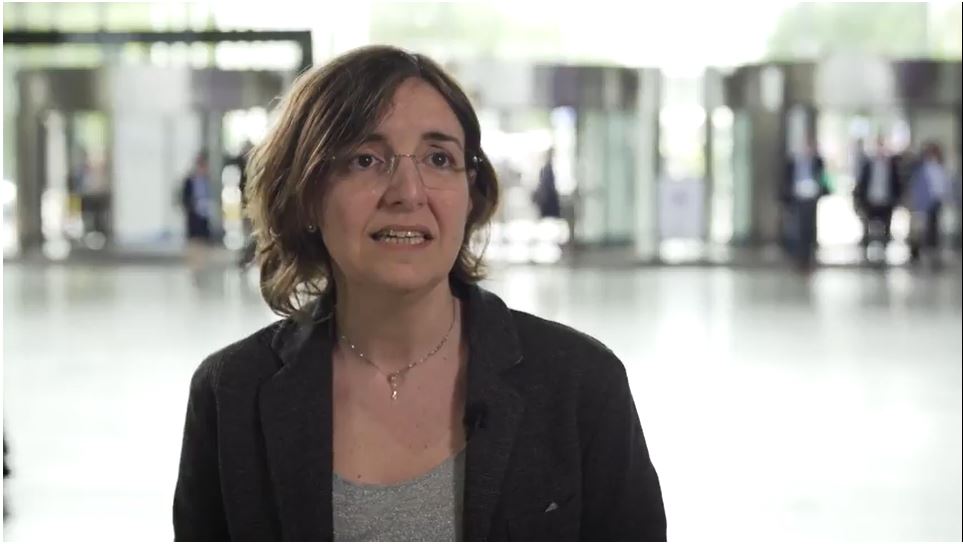
Annalisa Chiapella from Azienda Ospedaliero Universitaria Città della Salute e della Scienza di Torino in Italy talks to touchONCOLOGY about patients with diffuse large B-cell lymphoma (DLBCL) with a TP53 mutation, and the aims and findings of the FIL-DLCL04 study ...

Editorial board member, Ian W Flinn from Sarah Cannon, Tennesse Oncology, in Nashville, TN, talks to us about risk of relapse and promising treatments for relapsed/refractory CLL and advances in the treatment of DLBCL and follicular lymphoma. 1. What are ...
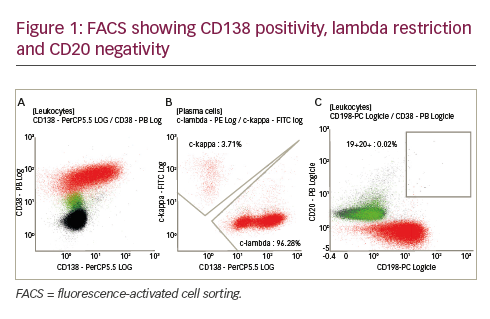
Post-transplant lymphoproliferative disorder (PTLD) is a severe complication of haematopoietic stem cell transplantation (HSCT). Most of the PTLDs originate from B-cells. Overall, 60–80% of PTLDs are associated with Epstein-Barr virus (EBV); this can vary depending on PTLD type and time of ...
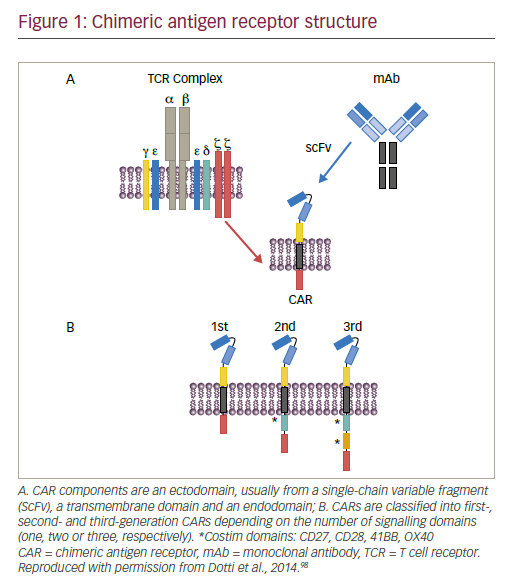
Advances have been made in the use of genetically enhanced T cell therapy, in particular, chimeric antigen receptor (CAR) T cells. Such CAR T cells have been shown to be efficacious in erradicating a number of haematologic malignancies.1–3 CARs are ...
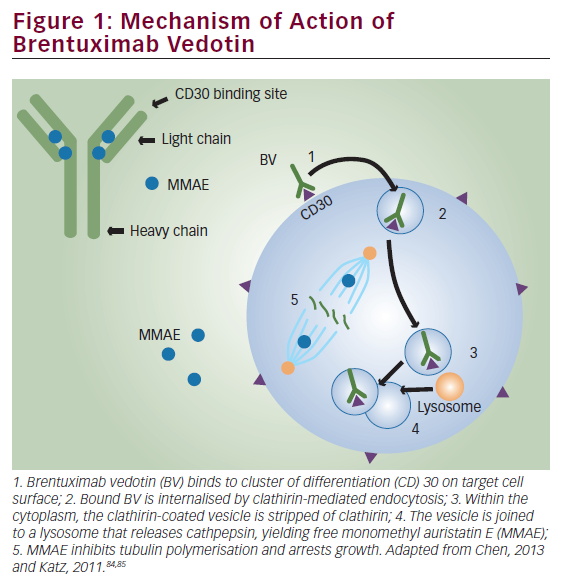
Antibody-based therapeutics have become an essential component of cancer therapy since the introduction of rituximab in the late 1990s. However, although they can confer clinical benefits, especially when combined with chemotherapy, many monoclonal antibodies do not provide long-term beneficial effects.1 ...

Individualized treatment of patients with malignancy is feasible in modern oncology due to improved molecular techniques and the development of novel, targeted agents. Diffuse large B-cell lymphoma (DLBCL) is the most common non-Hodgkin lymphoma (NHL). Standard frontline therapy consists of ...
Log into your Touch Account
Keep track of your clinical interests and newsletter subscriptions.
Sign up with an Email
Or use a .
Register now for FREE access
Already registered? Login below.
