
Search Results
257 Results Found for “education”
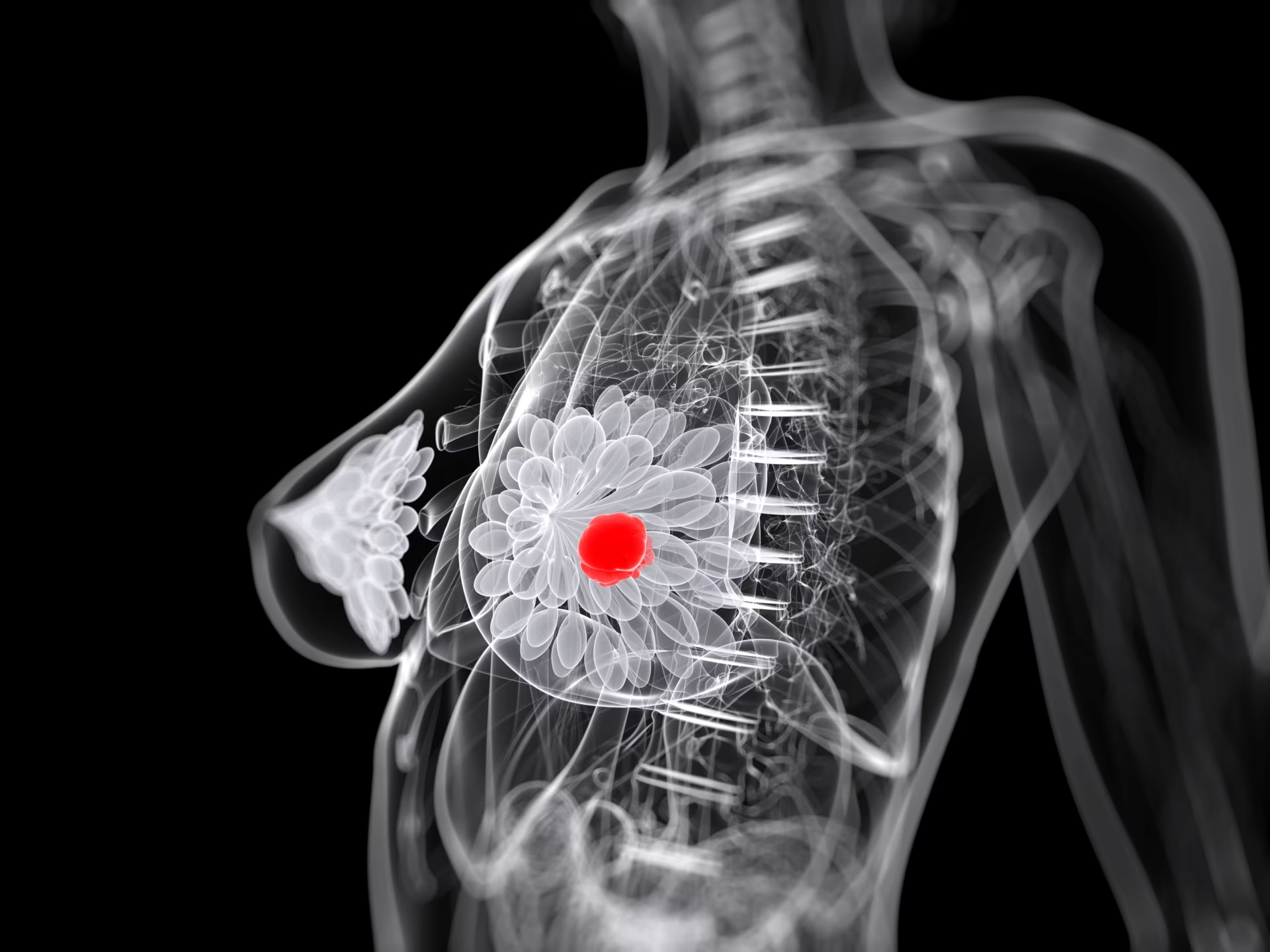
Metastatic triple-negative breast cancer (mTNBC) is a clinically heterogeneous disease, but compared with other breast cancer subtypes, triple-negative breast cancer (TNBC) is generally associated with a poorer prognosis and has historically had limited therapeutic options.1 The 5-year survival rate remains ...

As EORTC enters a new chapter under the Presidency of Professor Benjamin Besse (Gustave Roussy Institute and Paris-Saclay University, Villejuif, France), the organization is looking to accelerate academic research while keeping patients and scientific independence at its core. In this detailed and in-depth Q&A, Prof Besse shares his priorities for EORTC, from supporting the next generation of investigators and broadening clinical trial populations, to giving greater weight to quality of life and patient perspectives. He also considers how emerging technologies, including artificial intelligence, could reshape the way cancer research is conducted.

From AI and real-time toxicity monitoring to exercise and behavioural interventions, Prof Joanne Bowen explores the innovations reshaping supportive cancer care and outlines MASCC’s priorities for translating emerging evidence into meaningful improvements for patients.

The European Hematology Association (EHA) 2026 Congress brought together the global hematology community to unveil the latest practice-shaping advances in hematological malignancies and blood disorders. From plenary and late-breaking trial results to prestigious award winners, novel therapeutics, translational science and emerging technologies, the meeting delivered a vast volume of data. In this expert-led round-up, leading specialists distil the most important data and key takeaways from across each disease area, offering an essential guide to the studies set to shape the future of hematology.

This activity consolidates three educational infographics examining recurrence risk assessment, adjuvant CDK4/6 inhibitor clinical trial data, and adverse event management in patients with high-risk HR+, HER2− early breast cancer (EBC).

At the 7th SIOP Europe Annual Meeting, the Projects in Spotlight sessions showcased the collaborative initiatives between SIOP Europe and key stakeholders. From innovation, rare malignancies and psychosocial support to survivorship, these projects aim to improve outcomes, coordination between research and clinical care, reduce inequalities, and strengthen patient-centred care across Europe. Scroll down for a snapshot of each project and click on the headings to find out more.

Your clinical career is shaped not only by what you know, but by who helps you navigate what comes next. Join us for the final episode in our mini-series exploring non-clinical skills that can help you thrive in your clinical career. Today we explore how to develop the right team around you to support your work, and what building that bench can mean for your career, and the life you build alongside it.

Congress coverage | This May, experts from around the world gathered in Glasgow, Scotland for the the 7th SIOP Europe Annual Meeting. This year celebrated the importance of collaboration, bringing together the diverse stakeholders involved in facing children and adolescents with cancer, and ensuring all voices were heard. The Annual Meeting was held in partnership with CCI Europe, ensuring the representation and participation of childhood cancer parents and survivors.

At the 7th SIOP Europe Annual Meeting, emerging therapies, biological precision, and workforce development are all under the spotlight. Dr Daniela Di Carlo (Chair, Young SIOPE), reflects on where the field is heading, particularly CAR T-cell therapy and artificial intelligence, and what is needed to ensure that progress translates into real-world benefit for children with cancer.

Ahead of European Cancer Nursing Day 2026 (ECND26), Stavroula Chante (Macmillan Lead Cancer Nurse, The Royal Wolverhampton NHS Trust) discusses the growing importance of cancer nurses in survivorship care, personalised medicine and multidisciplinary oncology teams. Speaking about this year’s theme, 'Supporting Life Beyond Cancer', she highlights the increasing demands facing the oncology nursing workforce across Europe, the need for greater recognition and investment, and why supporting nurses is essential to improving patient outcomes and quality of life.
At the 7th SIOP Europe Annual Meeting, Professor Uta Dirksen (President, SIOP Europe) outlines a vision for a more equitable and collaborative future in paediatric oncology, one shaped as much by community engagement as by scientific innovation.

The impact on patients diagnosed with tenosynovial giant cell tumour (TGCT) can be profound. It is characterized by high recurrence rates, chronic symptoms, and frequent delays in specialist care. Although it is a benign tumor, diffuse TGCT often requires complex multidisciplinary management similar to that used in sarcoma care. In this interview, Dr Sydney Stern (Head of TGCT Support Programs) discusses the evolving treatment landscape, the promise of targeted therapies, and the role of patient advocacy in improving outcomes for people living with this rare tumour.

The 38th Annual Congress of the European Association of Nuclear Medicine (EANM) in Barcelona brought together over 9,400 participants, marking a major milestone. The meeting highlighted major advances in oncologic imaging and theranostics, with a strong emphasis on precision medicine and combination treatment strategies. Across plenary sessions, debates, and late-breaking discussions, the meeting underscored how nuclear medicine is increasingly central to cancer diagnosis, treatment selection, and therapeutic delivery.

An immunosuppressed person is one whose immune function is impaired by underlying disease and/or immunosuppressive medications, resulting in reduced immunosurveillance against malignant cells and increased vulnerability to opportunistic infections. Longstanding immunosuppression has been linked to increased risk for cutaneous (...

In this Future Leaders interview, Margaret Wheless reflects on the mentors who shaped her career, the fulfillment she finds in patient care and teaching, and the importance of empathy, collaboration, and intentional mentorship for emerging oncologists.

In this Future Leaders interview, Dr Gómez Rivas discusses the mentors who shaped his career, the values that sustain a life in surgery and research, and the importance of mentorship, teamwork and resilience for the next generation of urologists.

In this Future Leaders interview, Dr Kevin Keane discusses the mentors who shaped his approach to clinically meaningful research, the integration of surgery and innovation in uro-oncology and the collaborative, patient-centred advances set to transform bladder cancer care.
Log into your Touch Account
Keep track of your clinical interests and newsletter subscriptions.
Sign up with an Email
Or use a .
Register now for FREE access
Already registered? Login below.
