
Search Results
78 Results Found for “endocrine resistance”
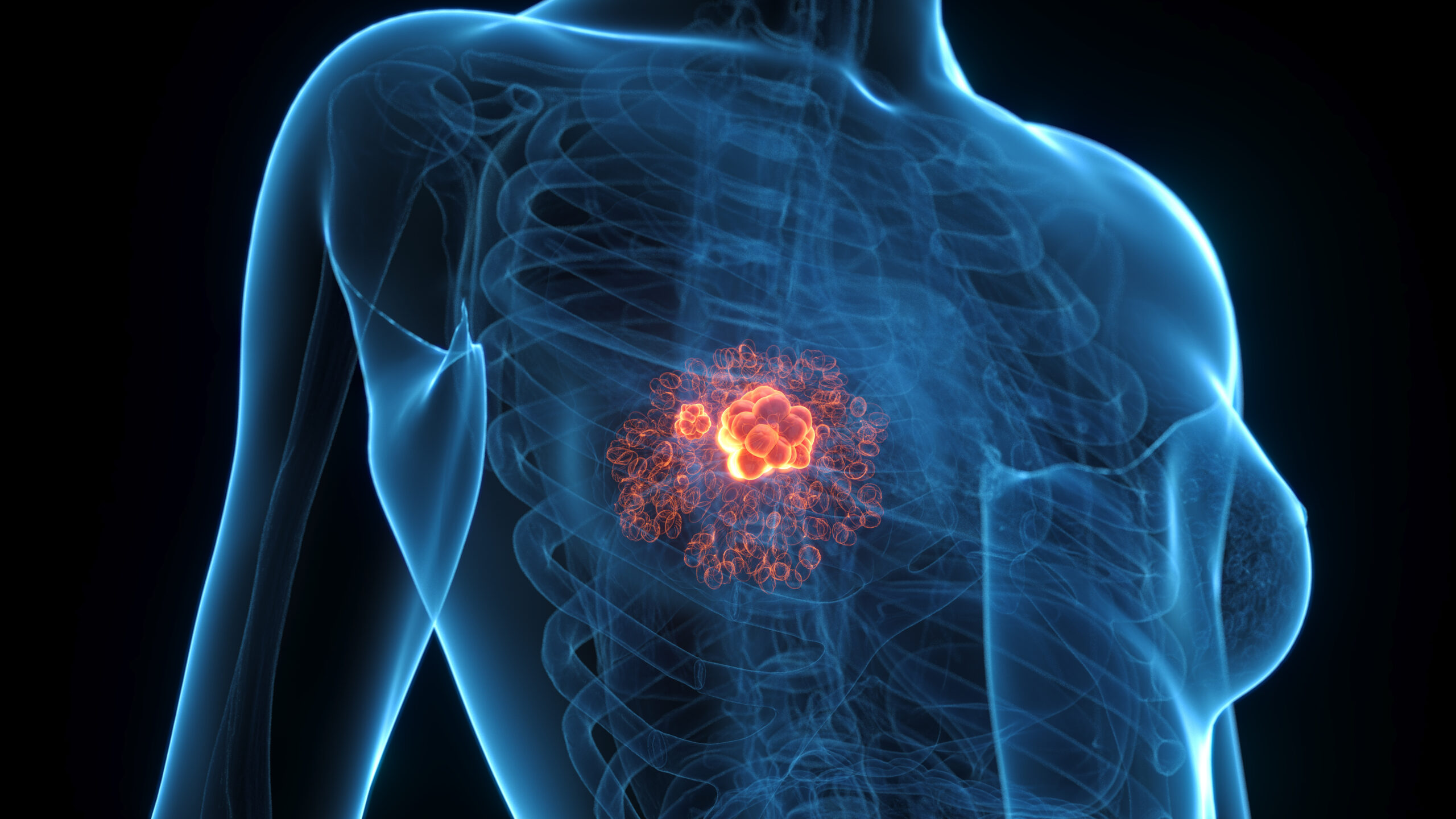
Circulating tumor DNA (ctDNA) has emerged as an innovative and minimally invasive tool in precision oncology. With a short half-life of 30–120 min, ctDNA provides real-time insight into tumor dynamics.1 In early-stage breast cancer, there is growing evidence supporting its potential ...

The 38th Annual Congress of the European Association of Nuclear Medicine (EANM) in Barcelona brought together over 9,400 participants, marking a major milestone. The meeting highlighted major advances in oncologic imaging and theranostics, with a strong emphasis on precision medicine and combination treatment strategies. Across plenary sessions, debates, and late-breaking discussions, the meeting underscored how nuclear medicine is increasingly central to cancer diagnosis, treatment selection, and therapeutic delivery.

Pancreatic cancer (PC) is the tenth most common cancer in 2024, with 66,440 new cases and 51,570 deaths.1,2 Globally, the prevalence varies from 10/100,000 cases in the Americas and Europe to 0.9/100,000 cases in South Central Asia and most of Africa.3 Currently, it has the ...

As we begin 2026, Dr Ana Tecic Vuger (University Hospital for Tumors, Zagreb, Croatia) reflects on the major breakthroughs throughout 2025. The breast cancer community has witnessed transformative progress across the continuum of research and clinical care, from more precise targeted therapies and novel endocrine strategies to advances in biomarker-driven treatment sequencing and survivorship. The major oncology meetings – ASCO 2025, ESMO/ESMO Breast 2025, and the San Antonio Breast Cancer Symposium (SABCS) 2025 – offered a rich tapestry of data that helps shape practice and sharpen research priorities.
Breakthroughs from the 2025 San Antonio Breast Cancer Symposium in oral SERDs, HER2-targeted maintenance therapy, ADCs and next-generation endocrine combinations are reshaping breast cancer care across early and metastatic disease. From practice-changing phase III data to nuanced treatment selection in triple-positive and ESR1-mutant disease, this in-depth report unpacks what the latest trials really mean for clinicians. Register now to read the full analysis and stay ahead of rapidly evolving practice.
At ESMO25, Prof. Sara Hurvitz presented VIKTORIA-1 data showing gedatolisib combinations significantly improved progression-free survival in HR+/HER2–, PIK3CA wild-type advanced breast cancer after prior CDK4/6 inhibitor therapy. Both triplet and doublet regimens demonstrated robust response rates, durable benefit, and a favorable safety profile, supporting potential regulatory review.

It is with great pleasure that we present the latest edition of touchREVIEWS in Oncology & Haematology. This issue highlights the remarkable progress and innovation shaping the fields of oncology and haematology, featuring articles that delve into both emerging therapies ...

Metastatic castration-resistant prostate cancer (mCRPC) represents the most formidable stage of prostate cancer (PCa) and is responsible for the majority of PCa-related mortalities. This advanced form of the disease typically evolves from less aggressive stages.1 PCa is broadly categorized into ...

In our latest episode, we delve into the world of space medicine to explore how drug crystallization in microgravity could revolutionize biologic drug administration. Joining us is Dr Katie King, CEO of BioOrbit, to discuss the science, challenges, and technological advancements that could make space-based drug production a reality.
Endocrine therapy (ET) has changed the natural history of hormone receptor-positive (HR+) breast cancer (BC) and is the cornerstone of the treatment of HR+ BC. There are several ETs approved for the treatment of BC, including selective oestrogen receptor modulators (...
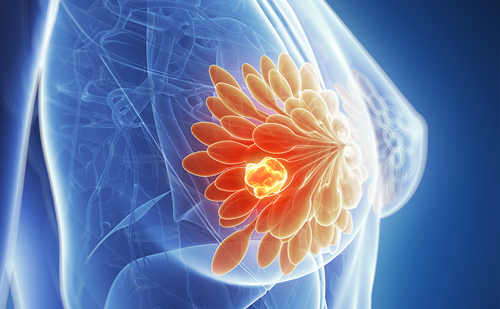
Trastuzumab deruxtecan (T-DXd) is a novel human epidermal growth factor receptor 2 (HER2)-targeted antibody–drug conjugate (ADC) designed to effectively deliver a potent topoisomerase I inhibitor (exatecan derivative) to HER2-expressing cancer cells and limit potential systemic toxicity.1 T-DXd has ...
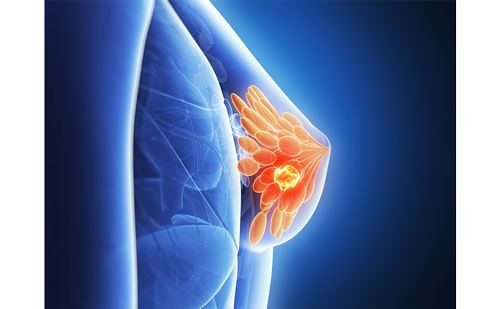
Breast cancer is the most common cancer among women worldwide, and more than a fifth of those diagnosed will develop incurable metastatic disease.1 Molecular testing to investigate genetic and genomic variation is essential to identify the most effective treatment plans ...

Welcome to the latest edition of touchREVIEWS in Oncology & Haematology. Despite the success of the human papillomavirus vaccination programme, cervical cancer remains one of the most common cancers in women, and advanced disease carries a poor prognosis. Lebreton et ...

Cholangiocarcinomas (CCAs) are a heterogenous group of cancers arising from the biliary epithelium. While they account for around 3% of all gastrointestinal malignancies, they are the second most common primary liver cancer.1 CCAs tend to metastasize and have early lymph node ...

Neuroendocrine neoplasms (NENs) comprise a heterogenous group of malignancies with diverse clinical behaviour determined by tumour characteristics such as grade, differentiation and primary tumour origin.1 While neuroendocrine carcinomas are poorly differentiated aggressive malignancies, well-differentiated neuroendocrine tumours (NETs) tend to be ...

Prostate cancer is the second most common cause of cancer mortality in men, with most deaths occurring as a result of metastatic disease that has become resistant to androgen deprivation therapy (ADT).1 Most recently, immunotherapy, in the form of immune ...
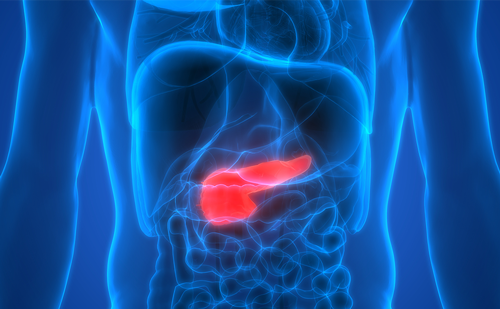
Pancreatic ductal adenocarcinoma (PDA) is predicted to beat colon cancer in terms of total cancer-related deaths in the USA by this year (2020).1 Given this projected burden of disease, efforts in understanding and developing new treatments for PDA are paramount. In ...

Welcome to the spring edition of Oncology and Hematology Review (US). During the difficult days of this COVID-19 pandemic, which has impacted cancer care worldwide, we hope our journal provides reason for optimism. We begin with one of our popular ...
Log into your Touch Account
Keep track of your clinical interests and newsletter subscriptions.
Sign up with an Email
Or use a .
Register now for FREE access
Already registered? Login below.
