
Search Results
40 Results Found for “esophageal squamous cell carcinoma”
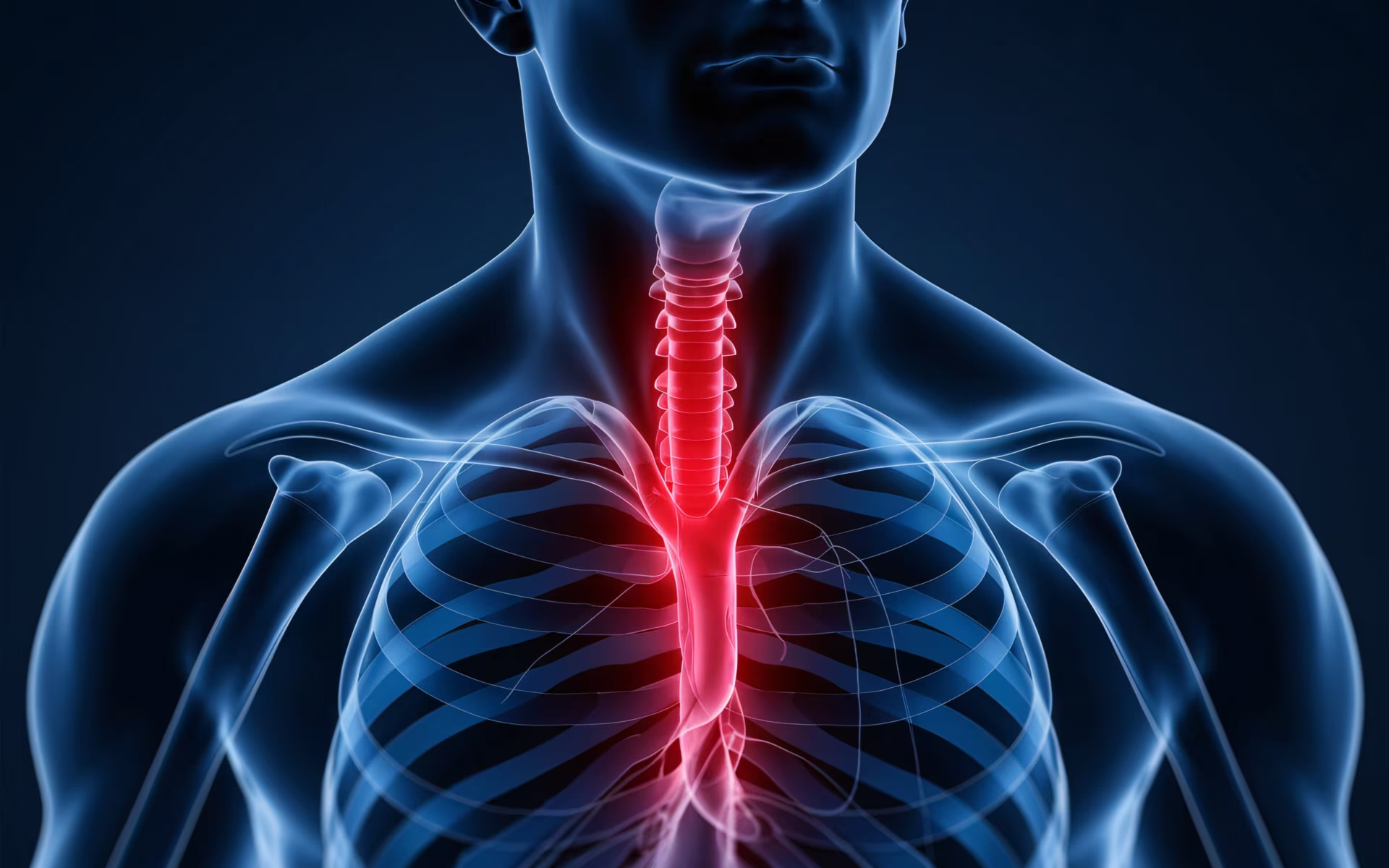
Esophageal cancer (EC) is a major global health concern, ranking as the 11th most commonly diagnosed cancer and the seventh leading cause of cancer-related deaths worldwide, with an estimated 494,320 new cases and 441,994 deaths in 2024.1 Esophageal squamous cell carcinoma (ESCC) remains ...

Several late-breaking gastrointestinal oncology studies presented at ASCO 2026 highlighted how treatment selection is continuing to evolve across colorectal, hepatobiliary, gastric, and esophageal cancers, with new data on ctDNA-guided adjuvant therapy, earlier integration of targeted agents, and intensified perioperative strategies. In this round-up, we have selected six of the most important late-breakers, and examine the latest data from CIRCULATE, BREAKWATER, EMERALD-3, Neo-CRAG, SCIENCE, and RC48-C027.

The European Society for Medical Oncology (ESMO) 2025 congress brought over 100 late-breaking abstracts, 250 sessions, 600 expert speakers and 33,800 delegates to Berlin in October. The meeting highlighted innovations ranging from novel agents to real-world evidence and patient-centred care. In this article, hear from the experts on the key breakthroughs and clinical insights set to shape the future of oncology practice.
At ESMO25, oesophageal cancer care made substantive headway: the MATTERHORN trial established a significant overall survival benefit with perioperative durvalumab plus FLOT, while SKYSCRAPER-07 offered a provocative signal of benefit for adjuvant atezolizumab after chemoradiation in squamous disease. In this interview with Dr Michael Gibson we unpack the data, the implications for multidisciplinary practice and the future research direction.

The intestinal microbiota, composed of approximately 1,000 species and over 100 trillion micro-organisms, plays a vital role in host physiology, including metabolism, barrier function and immune regulation.1 Disruption of this delicate host–microbiota balance – known as dysbiosis – has been implicated in the ...

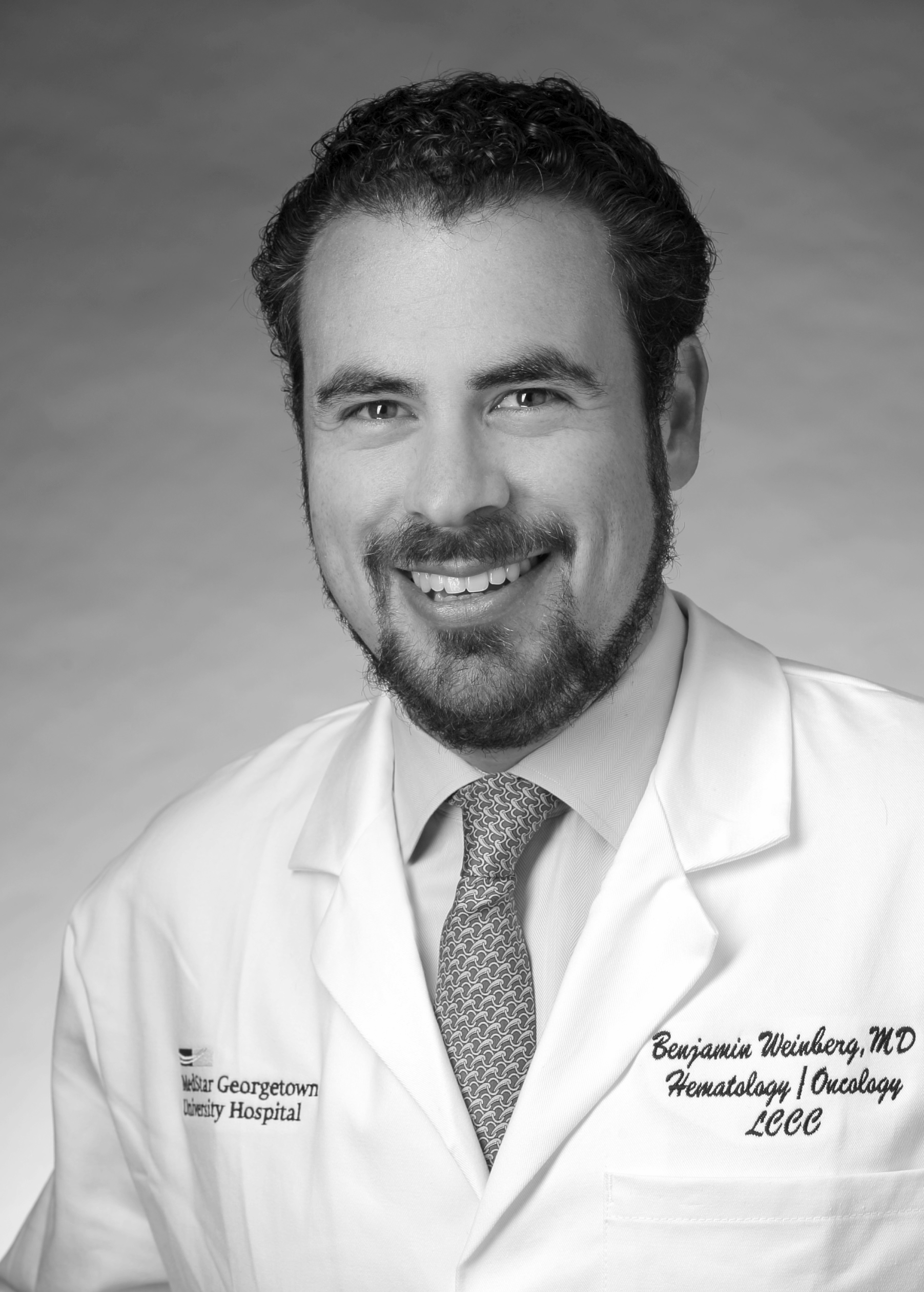
Q&A with Dr Benjamin Weinberg: Understanding rare GI cancers (small bowel, appendix and anal cancer)
Rare gastrointestinal (GI) cancers present unique challenges in diagnosis, treatment and research. Dr. Benjamin Weinberg discusses three of the rarest GI cancers: small bowel, appendix and anal cancer.

It is with great pleasure that we present the latest edition of touchREVIEWS in Oncology & Haematology. This issue highlights the remarkable progress and innovation shaping the fields of oncology and haematology, featuring articles that delve into both emerging therapies ...

Oesophageal cancer is the eighth most commonly diagnosed cancer and is the sixth leading cause of cancer death worldwide.1,2 Worldwide, around 604,100 new instances of oesophageal cancer were recorded in 2020, leading to approximately 544,100 deaths. This translates to a standardized incidence rate ...

In this interview, Dr Michael K. Gibson (Vanderbilt-Ingram Cancer Center, Vanderbilt University Medical Center, Nashville, TN, USA), an expert in head and neck and gastrointestinal (GI) oncology shares his personal journey, reflecting on how early experiences with cancer shaped his ...
The field of immuno-oncology has provided novel therapeutic agents that have led to significant improvements in patient outcomes across many tumour types. There have also been great efforts to incorporate immunotherapy (IO) into the treatment paradigms of gastrointestinal (GI) cancers. ...

touchONCOLOGY spoke with editorial board member Michael K Gibson (Vanderbilt University, Nashville, TN, USA) to discuss his highlights from the American Society of Clinical Oncology (ASCO) Annual Meeting, 2–6, June 2023 in the field of upper GI oncology, including the phase 3 ATTRACTION-5 ...
Welcome to the latest edition of touchREVIEWS in Oncology & Haematology, which features some of the recent key developments in oncological and haematological disease. The journal opens with an expert interview with Linda Martin on a new fluorescent imaging agent ...
Oesophageal cancer (OC) is the seventh most common malignancy and the sixth leading cause of death from cancer worldwide,1 with approximately 604,000 new cases in 2020.2 OC has two main histological subtypes: oesophageal squamous cell carcinoma (OSCC) and oesophageal adenocarcinoma (OAC). Worldwide, ...


Welcome to the latest edition of touchREVIEWS in Oncology & Haematology, which features a wealth of topical and practical content for oncologists and haematologists, as well as being of interest to the wider medical community. We open with an editorial ...
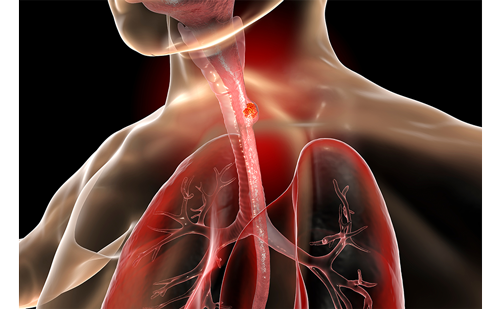
Cancers of the oesophagus and oesophagogastric junction (OGJ), termed upper gastrointestinal (UGI) cancers, are lethal and constitute a significant public health problem. In 2020, 604,000 cases and 544,000 UGI cancer-related deaths were estimated worldwide.1 UGI cancers are the seventh most frequently diagnosed cancer ...
Gastro-oesophageal cancers (GEC), which include both gastric (GC) and oesophageal cancers (EC), are among the most common cancers globally.1 In the USA, the American Cancer Society estimated 20,640 new diagnoses of EC and 26,380 new diagnoses of GC, each contributing to 16,410 and 11,090 ...
Log into your Touch Account
Keep track of your clinical interests and newsletter subscriptions.
Sign up with an Email
Or use a .
Register now for FREE access
Already registered? Login below.
