
Search Results
50 Results Found for “genomics”

Gastrointestinal (GI) cancers constitute a major contributor to global cancer incidence and mortality and remain among the leading causes of cancer-related death worldwide despite advances in prevention, screening and supportive care.1,2 Collectively encompassing malignancies of the esophagus, stomach, liver, biliary ...
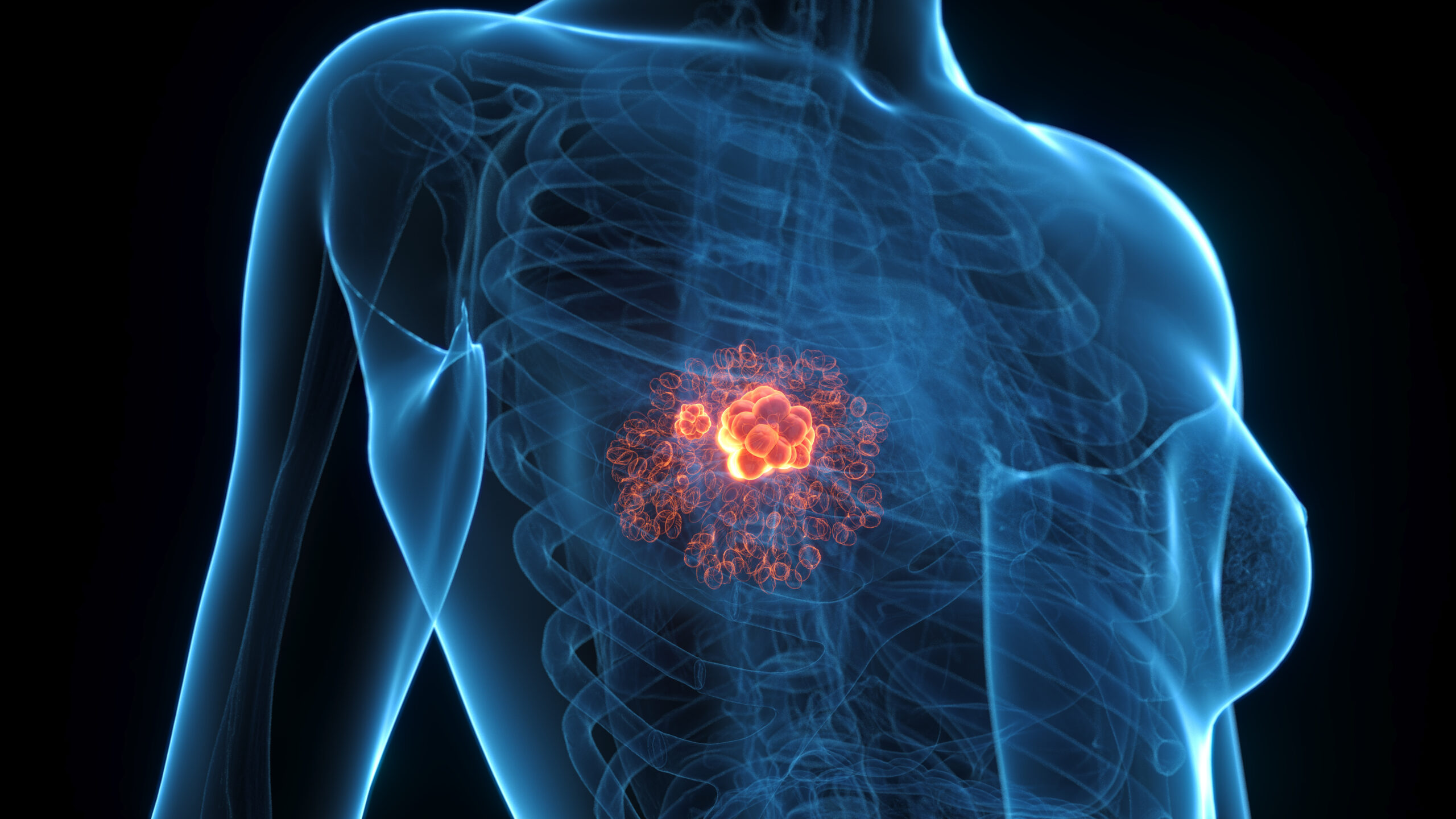
Circulating tumor DNA (ctDNA) has emerged as an innovative and minimally invasive tool in precision oncology. With a short half-life of 30–120 min, ctDNA provides real-time insight into tumor dynamics.1 In early-stage breast cancer, there is growing evidence supporting its potential ...

The 38th Annual Congress of the European Association of Nuclear Medicine (EANM) in Barcelona brought together over 9,400 participants, marking a major milestone. The meeting highlighted major advances in oncologic imaging and theranostics, with a strong emphasis on precision medicine and combination treatment strategies. Across plenary sessions, debates, and late-breaking discussions, the meeting underscored how nuclear medicine is increasingly central to cancer diagnosis, treatment selection, and therapeutic delivery.

Small bowel adenocarcinoma (SBA) is a rare gastrointestinal malignancy, accounting for about 1–3% of gastrointestinal cancers.1,2 Its reported incidence has increased in recent decades, likely reflecting improved detection by balloon-assisted and capsule endoscopy and the more widespread use of cross-sectional imaging.3,4 ...

The intestinal microbiota, composed of approximately 1,000 species and over 100 trillion micro-organisms, plays a vital role in host physiology, including metabolism, barrier function and immune regulation.1 Disruption of this delicate host–microbiota balance – known as dysbiosis – has been implicated in the ...

ASCO 2025 showcased transformative breast cancer data. The SERENA-6 trial introduced a novel ctDNA-driven approach for ESR1 mutations, improving PFS with camizestrant. DESTINY-Breast09 supported trastuzumab deruxtecan in first-line HER2-positive disease, while ASCENT-04 showed promise for sacituzumab govitecan plus immunotherapy in triple-negative breast cancer—heralding major shifts in clinical practice.

Dr. Sara Tolaney discusses ASCENT-04, a phase III trial showing that sacituzumab govitecan plus pembrolizumab significantly improves progression-free survival versus chemotherapy plus pembrolizumab in PD-L1–positive metastatic TNBC. With a PFS of 11.2 months and a hazard ratio of 0.65, the combination may represent a new first-line treatment standard.

DESTINY-Breast09 interim results show that trastuzumab deruxtecan plus pertuzumab significantly improves progression-free survival compared to standard THP in first-line treatment for metastatic HER2-positive breast cancer. With a median PFS of 40.7 months versus 26.9 months, the data suggest a potential shift in the treatment paradigm.

"I draw inspiration from the resilience of our patients, whose courage in the face of adversity reminds me of the purpose behind the work we do" Dr Jemma Arakelyan’s (The University of Hong Kong, Pokfulam, Hong Kong) journey into ...
“By engaging in research early, young oncologists can contribute to scientific discovery” Q1. What inspired you to pursue a career in oncology? Initially, as a gastroenterologist, I experienced many benign diseases and endoscopic procedures, but oncology was what interested me ...

Providing valuable insights into the findings from key studies including DESTINY-Breast06 (NCT04494425), postMONARCH (NCT05169567), and TBCRC 048 (olaparib expanded) (NCT02032823), Dr. Tolaney explores the potential impact these results could have on clinical practice.
Significant advancements in breast cancer research emerged from ESMO 2023. To highlight these key data we spoke with prominent breast medical oncologist, Dr. Sara Tolaney (Dana-Farber Cancer Institute, Boston). In this interview, Dr. Tolaney highlights some of the most valuable data ...

The PALLAS trial assessed the efficacy of adding palbociclib to adjuvant endocrine therapy in patients with stage II-III breast cancer. In this touchONCOLOGY interview, we speak with Dr Angela DeMichele (Abramson Cancer Center, University of Pennsylvania, Philadelphia, PA, USA) to ...
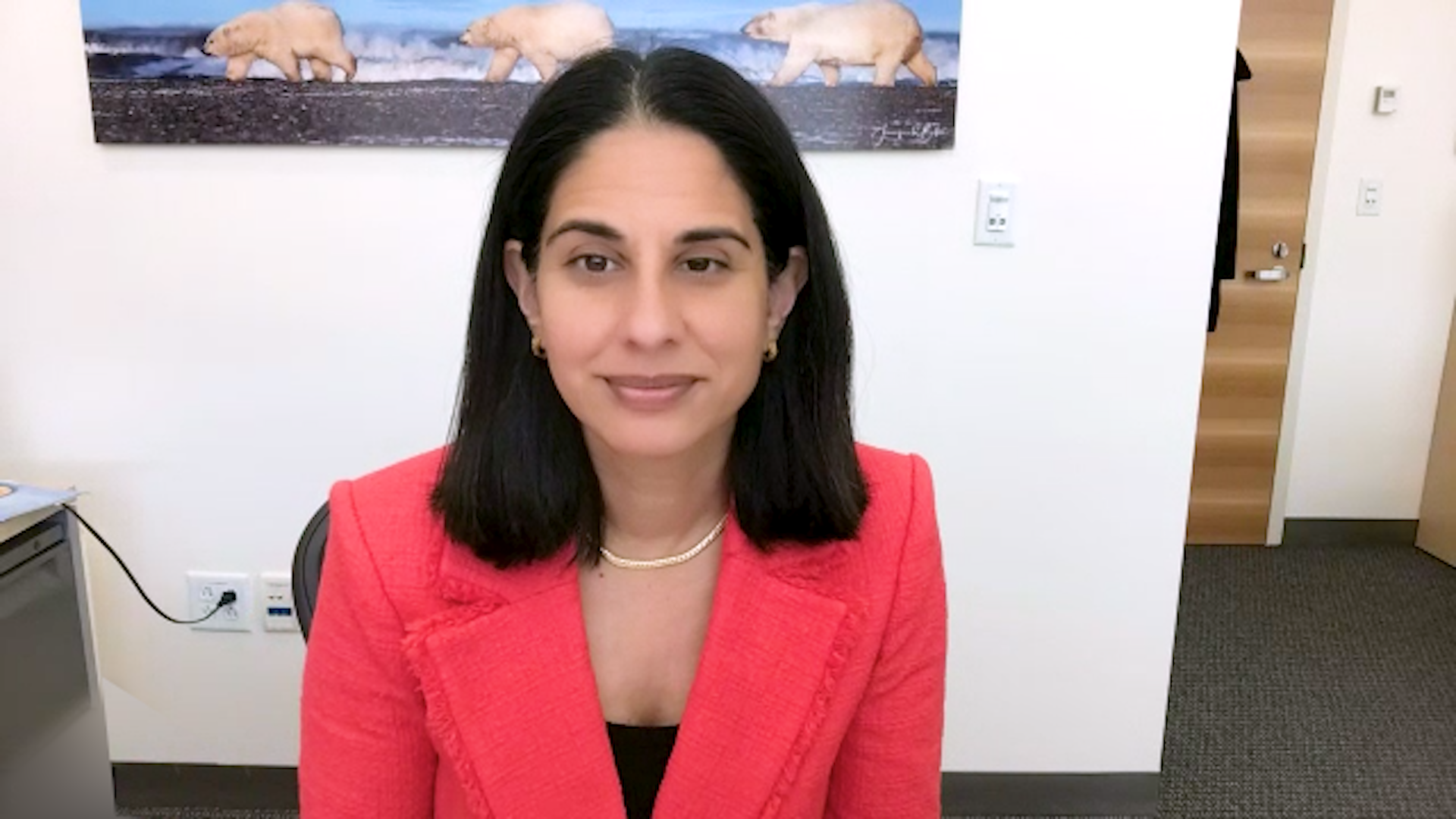
touchONCOLOGY spoke with editorial board member Sara Tolaney (Dana-Farber Cancer Institute, Boston, MA, USA) to discuss her highlights from the ASCO annual meeting. She highlights data from the NATALEE study (NCT03701334), which met its primary endpoint at interim analysis, thus ...
touchONCOLOGY spoke with editorial board member Sara Tolaney (Dana-Farber Cancer Institute, Boston, MA, USA) to discuss her highlights from the American Society of Clinical Oncology (ASCO) Annual Meeting, 2–6, June 2023. These include the phase 3 SONIA trial (NCT03425838) assessing CDK4/6 inhibitors for ...

The APT trial investigates adjuvant paclitaxel and trastuzumab in patients with node negative HER2+ breast cancer. Dr Sara Tolaney (Harvard Medical School, Boston, MA, USA) discusses the end-of-study, 10-year survival outcome results and explore what the study has demonstrated in ...

Dr Sara Tolaney joins touchONCOLOGY to discuss the latest clinical trial highlights in breast cancer, at ESMO 2022. She discusses the overall survival data from the TROPiCS-02 study, investigating sacituzumab govitecan-hziy versus treatment of physician's choice in participants with HR+/HER2...
Log into your Touch Account
Keep track of your clinical interests and newsletter subscriptions.
Sign up with an Email
Or use a .
Register now for FREE access
Already registered? Login below.
