
Search Results
8 Results Found for “malignant pleural mesothelioma”

Highlights Immunotherapy, especially combinatory immunotherapy, has shown promise with prolonged survival for patients with advanced mesothelioma in the first-line setting (see the sections on ‘Systemic treatment and immunotherapy debut’ and ‘Randomized immunotherapy trials of mesothelioma’). Histology-based therapy is important to ...
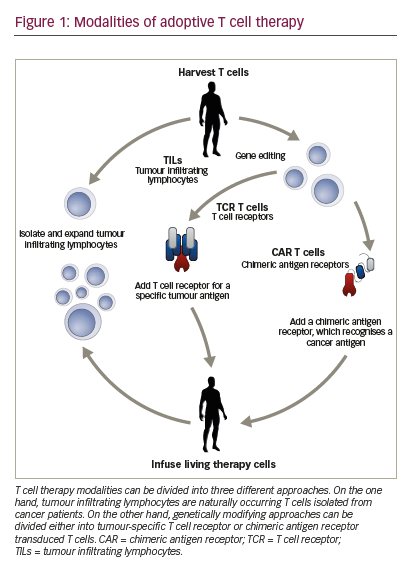
Cancer immunotherapy has come of age and has successfully been implemented as the standard of care in a number of oncologic indications.1 Antibodies targeting cancer-associated antigens on the tumour cell, such as CD20, constituted the first wave of immunotherapies leading ...
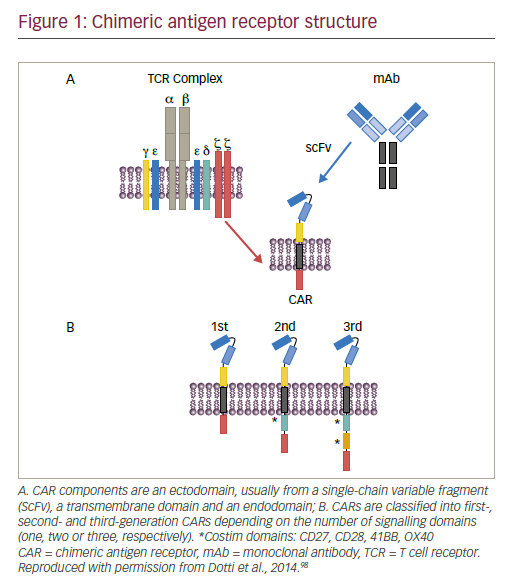
Advances have been made in the use of genetically enhanced T cell therapy, in particular, chimeric antigen receptor (CAR) T cells. Such CAR T cells have been shown to be efficacious in erradicating a number of haematologic malignancies.1–3 CARs are ...

Progress in Diagnosis The two major symptoms in patients with peritoneal mesothelioma are abdominal pain and abdominal distention. The patient may also show constitutional symptoms, such as weight loss and fever. In women, diffuse malignant peritoneal mesothelioma (DMPM) is frequently ...
Malignant pleural mesolthelioma (MPM) is a locally aggressive cancer that arises from the multipotential mesothelial cells of the pleura. MPM has a uniformly poor prognosis with a median survival from diagnosis of nine to 12 months.4 Limited treatment options are available ...
Lung cancer is the main cause of cancer deaths for both men and women in the US and worldwide. In the US, there were approximately 232,270 new cases diagnosed and 166,280 deaths due to this disease by the end of 2008.1 Non-small-cell cancer (...
The Rationale for Hyperthermic Intraperitoneal Chemotherapy The drug concentration attainable through an IPEC instillation approach allows the intrinsic or acquired drug resistance to be overcome, simultaneously minimising the systemic toxicity. Loco-regional drug delivery under hyperthermia offers several advantages over the ...
In addition, DMPM has been reported following radiation therapy, mica exposure, recurrent peritonitis, and administration of thorium dioxide.9–13 A great majority of patients present with abdominal pain and distension caused by the accumulation of tumors and ascitic fluid.14Without ...
Log into your Touch Account
Keep track of your clinical interests and newsletter subscriptions.
Sign up with an Email
Or use a .
Register now for FREE access
Already registered? Login below.
