
Search Results
116 Results Found for “next-generation sequencing”

The 2026 World Conference on Lung Cancer delivered several results with the potential to change clinical practice. My main takeaway was the speed at which effective options are multiplying in both small-cell lung cancer and molecularly defined non-small-cell lung cancer. The immediate advance is welcome, but it also makes treatment selection more complex: mature survival, intracranial control, toxicity, sequencing and access will increasingly matter as much as response rate or progression-free survival.
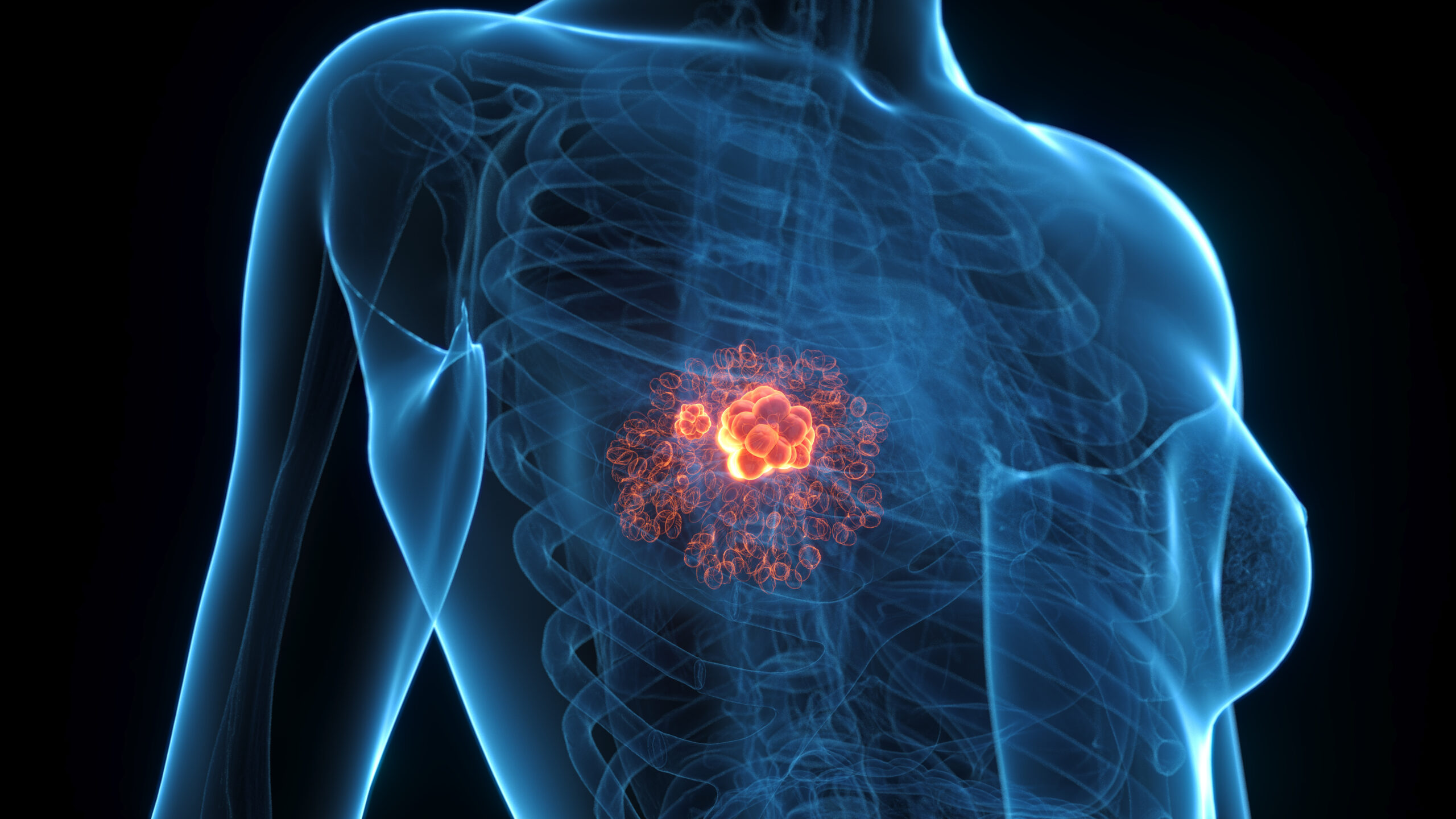
Circulating tumor DNA (ctDNA) has emerged as an innovative and minimally invasive tool in precision oncology. With a short half-life of 30–120 min, ctDNA provides real-time insight into tumor dynamics.1 In early-stage breast cancer, there is growing evidence supporting its potential ...

Join us as leading experts discuss key data from the Plenary, Late-breaking and top oral sessions across each major disease area at ASCO 2026 touchONCOLOGY coverage of ASCO 2026 2026 American Society of Clinical Oncology (ASCO) Annual Meeting brought together the global oncology ...

Could upfront PARP inhibition transform outcomes for patients with HRR-altered metastatic hormone-sensitive prostate cancer? New data from the landmark TALAPRO-3 trial show meaningful rPFS gains with talazoparib plus enzalutamide, reinforcing the importance of early biomarker testing. [touchplayvideo video_id="m9...

At SIOPE 2026, discussions around early phase clinical development highlighted both the scientific advances and structural challenges shaping modern paediatric oncology. Prof Cornelis Van Tilburg is closely involved in both areas through his leadership of the clinical trials unit and multiple investigator-initiated studies in paediatric neuro-oncology. In this interview, he discusses the barriers affecting European early phase research, evolving paediatric trial methodologies, and the importance of international collaboration in precision oncology.

The 38th Annual Congress of the European Association of Nuclear Medicine (EANM) in Barcelona brought together over 9,400 participants, marking a major milestone. The meeting highlighted major advances in oncologic imaging and theranostics, with a strong emphasis on precision medicine and combination treatment strategies. Across plenary sessions, debates, and late-breaking discussions, the meeting underscored how nuclear medicine is increasingly central to cancer diagnosis, treatment selection, and therapeutic delivery.
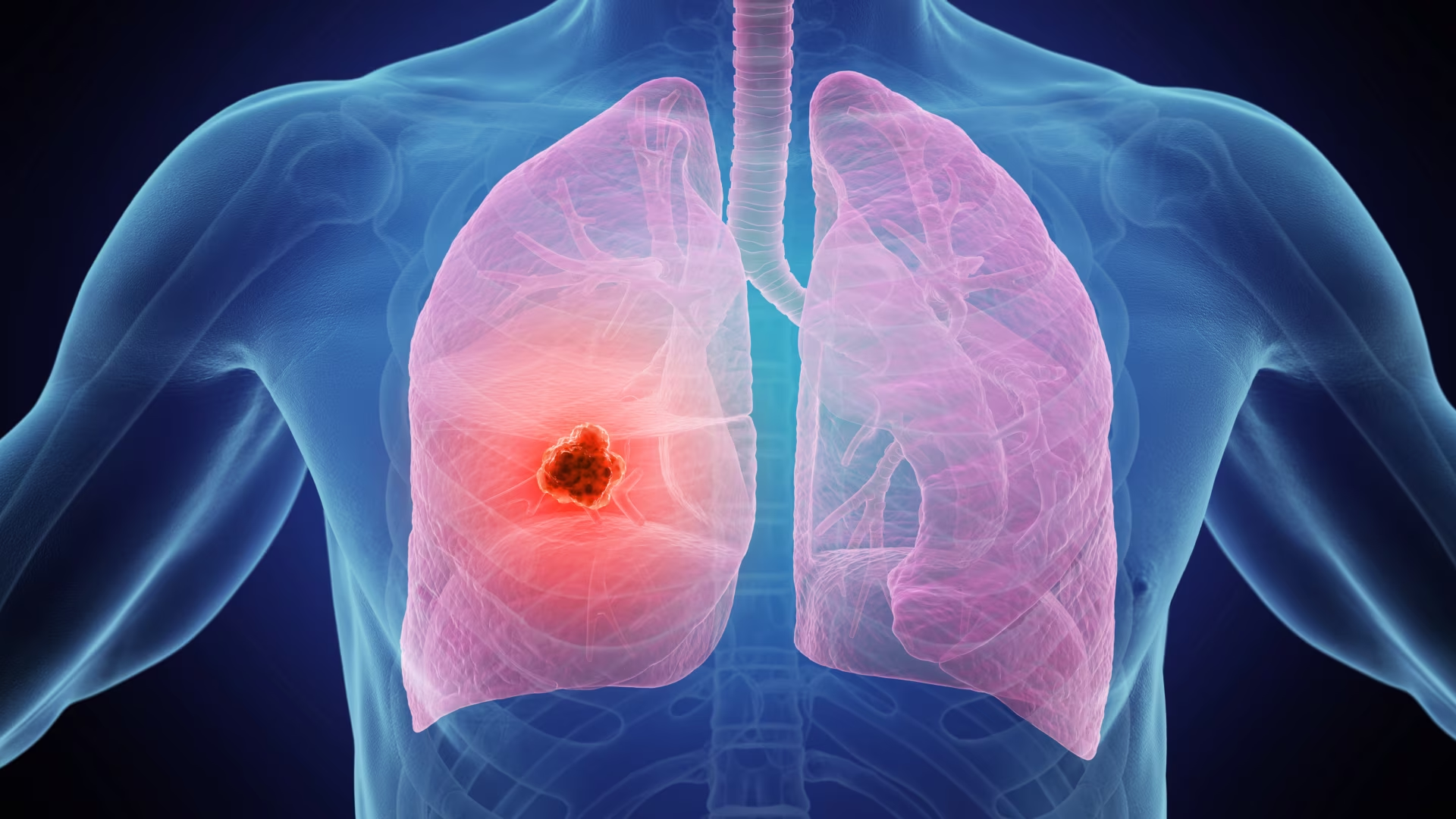
Non-small cell lung cancer (NSCLC) remains the leading cause of cancer-related mortality worldwide.1 Over the past two decades, the molecular characterization of NSCLC has transformed the therapeutic landscape by enabling the development of targeted therapies that have significantly improved outcomes ...
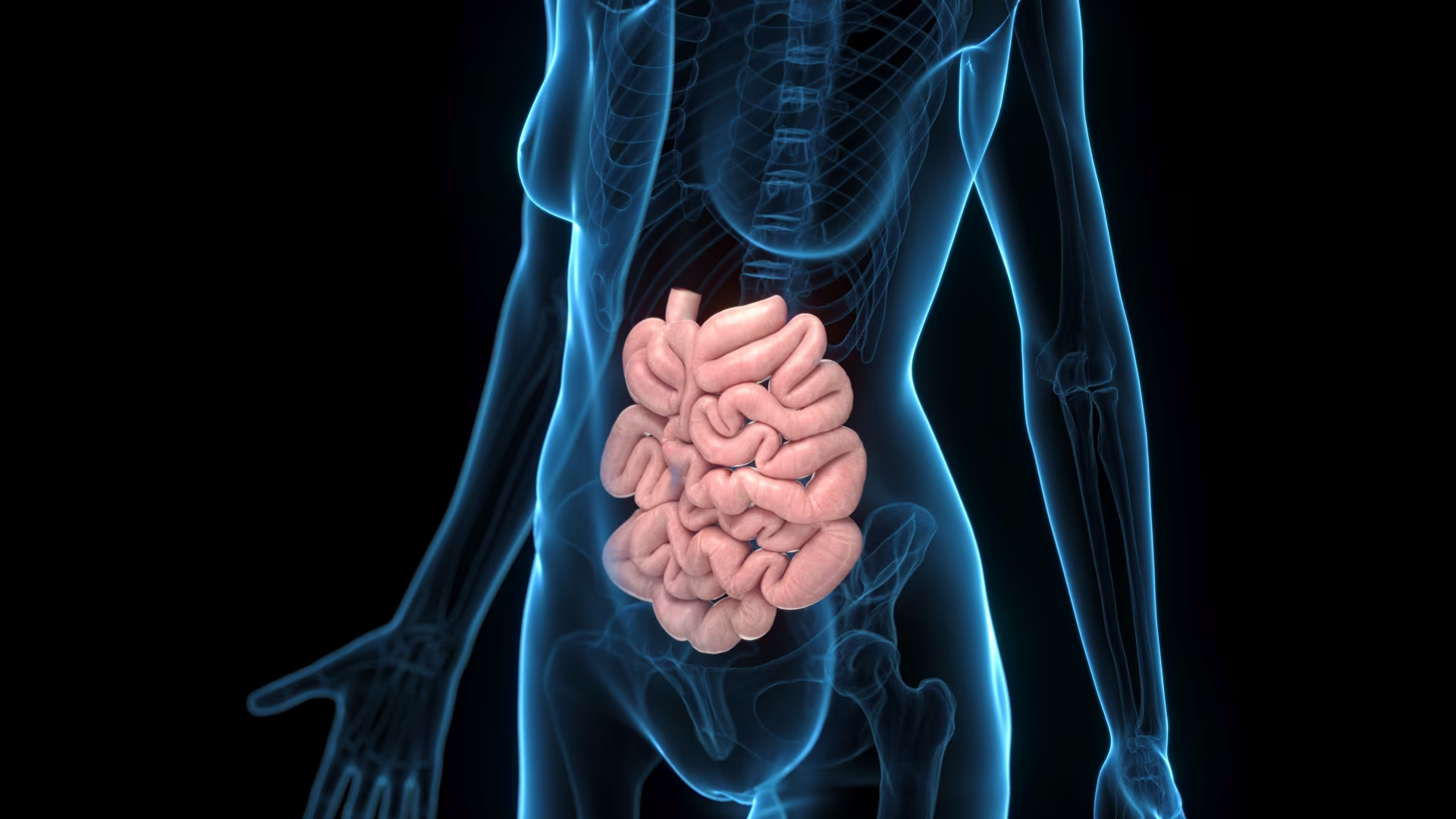
Small bowel adenocarcinoma (SBA) is a rare gastrointestinal malignancy, accounting for about 1–3% of gastrointestinal cancers.1,2 Its reported incidence has increased in recent decades, likely reflecting improved detection by balloon-assisted and capsule endoscopy and the more widespread use of cross-sectional imaging.3,4 ...

As we begin 2026, Dr Ana Tecic Vuger (University Hospital for Tumors, Zagreb, Croatia) reflects on the major breakthroughs throughout 2025. The breast cancer community has witnessed transformative progress across the continuum of research and clinical care, from more precise targeted therapies and novel endocrine strategies to advances in biomarker-driven treatment sequencing and survivorship. The major oncology meetings – ASCO 2025, ESMO/ESMO Breast 2025, and the San Antonio Breast Cancer Symposium (SABCS) 2025 – offered a rich tapestry of data that helps shape practice and sharpen research priorities.

The European Society for Medical Oncology (ESMO) 2025 congress brought over 100 late-breaking abstracts, 250 sessions, 600 expert speakers and 33,800 delegates to Berlin in October. The meeting highlighted innovations ranging from novel agents to real-world evidence and patient-centred care. In this article, hear from the experts on the key breakthroughs and clinical insights set to shape the future of oncology practice.

At ESMO25, late-breaking data from the PATHFINDER 2 trial highlighted the Galleri multi-cancer early detection (MCED) test’s potential to transform cancer screening. Detecting early-stage cancers across multiple tissues, the test showed a 62% positive predictive value and identified over seven times more screen-detected cancers than current methods. Complementing standard screening programs, MCED tests could bridge the gap for cancers without routine screening.

Early-onset lung cancer is typically defined as occurring in individuals aged 18–50 years, although there is no universally accepted definition.1–3 This entity, though rare, poses unique diagnostic and therapeutic challenges. This article synthesizes current evidence on the unique features and management ...

Lung cancer is the second most common type of cancer worldwide and in the USA, with its incidence varying depending on geographic and socioeconomic factors.1–3 According to data from the Global Cancer Observatory: Cancer Incidence, Mortality and Prevalence (GLOBACAN) database, ...

Liquid biopsy: Initial concepts and application in solid tumours The US National Cancer Institute defines liquid biopsy (LB) as ‘a test done on a sample of blood to look for cancer cells from a tumour that are circulating in the ...

Q&A with Dr Benjamin Weinberg: Understanding rare GI cancers (small bowel, appendix and anal cancer)
Rare gastrointestinal (GI) cancers present unique challenges in diagnosis, treatment and research. Dr. Benjamin Weinberg discusses three of the rarest GI cancers: small bowel, appendix and anal cancer.
“By engaging in research early, young oncologists can contribute to scientific discovery” Q1. What inspired you to pursue a career in oncology? Initially, as a gastroenterologist, I experienced many benign diseases and endoscopic procedures, but oncology was what interested me ...

Prof. Pierre Fenaux, Head of the Department of Hematology and Immunology at Assistance Publique-Hôpitaux de Paris Nord (Hôpitaux Saint-Louis, R Debré, Avicenne) is a leading expert in haematology with extensive experience in the treatment and management of myelodysplastic syndromes (MDS). In this interview, he discusses key considerations for first-line therapies in lower-risk MDS, the latest advances in treatment and the role of organizations like the European School of Hematology (ESH) in supporting haematologists.

In line with the continuously expanding molecular landscape of cancer, the ESMO Precision Medicine Working Group (PMWG) has revised its recommendations for tumour next-generation sequencing (NGS).
Log into your Touch Account
Keep track of your clinical interests and newsletter subscriptions.
Sign up with an Email
Or use a .
Register now for FREE access
Already registered? Login below.
