
Search Results
25 Results Found for “osimertinib”

2025 has brought exciting developments in oncology, with groundbreaking research and real-world progress showcased at ASCO, ESMO, EHA, ASH and many more leading conferences around the world. We asked our key faculty to share what they believe has been most impactful so far this year – here’s what they told us.

The European Society for Medical Oncology (ESMO) 2025 congress brought over 100 late-breaking abstracts, 250 sessions, 600 expert speakers and 33,800 delegates to Berlin in October. The meeting highlighted innovations ranging from novel agents to real-world evidence and patient-centred care. In this article, hear from the experts on the key breakthroughs and clinical insights set to shape the future of oncology practice.
At this year’s ESMO 2025 lung-cancer programme, several large phase II/III studies delivered practice-shaking results across EGFR-mutant, squamous, small-cell and ALK-positive disease. From upfront osimertinib plus chemo to antibody-drug conjugates in chemo-resistant EGFR-mutant disease and adjuvant ALK inhibition, here are the six landmark abstracts clinicians and researchers need to know — and what they could mean for the clinic.

Early-onset lung cancer is typically defined as occurring in individuals aged 18–50 years, although there is no universally accepted definition.1–3 This entity, though rare, poses unique diagnostic and therapeutic challenges. This article synthesizes current evidence on the unique features and management ...

At WCLC 2025, final FLAURA2 results revealed that osimertinib plus chemotherapy significantly improves overall survival in EGFR-mutant advanced non-small cell lung cancer (NSCLC), extending median survival to nearly four years. Experts stress the practice-changing impact, while highlighting the importance of tailoring treatment to patient fitness, comorbidities, and individual goals.

Dr Igor Gómez-Randulfe discusses new real-world evidence on second-line carboplatin plus pemetrexed after osimertinib in EGFR-mutant NSCLC. The retrospective analysis highlights modest response rates and short overall survival, reinforcing the need for more effective strategies and raising critical questions about sequencing, intensification, and resistance profiling.

We are delighted to present the latest edition of touchREVIEWS in Oncology & Haematology. This issue underscores the evolving landscape of cancer therapeutics, showcasing advances across a wide range of malignancies, from haematologic diseases to solid tumours, through novel mechanisms, ...

Lung cancer is the second most common type of cancer worldwide and in the USA, with its incidence varying depending on geographic and socioeconomic factors.1–3 According to data from the Global Cancer Observatory: Cancer Incidence, Mortality and Prevalence (GLOBACAN) database, ...

The annual ASCO2024 meeting was packed as always with the latest trial data and treatment advances in oncology.
Unmet clinical needs for patients with advanced epidermal growth factor receptor-mutated non–small-cell lung cancer Epidermal growth factor receptor (EGFR)-tyrosine kinase inhibitors (TKIs) have become the standard first-line therapy for patients with advanced non–small-cell lung cancer (NSCLC) harbouring ...

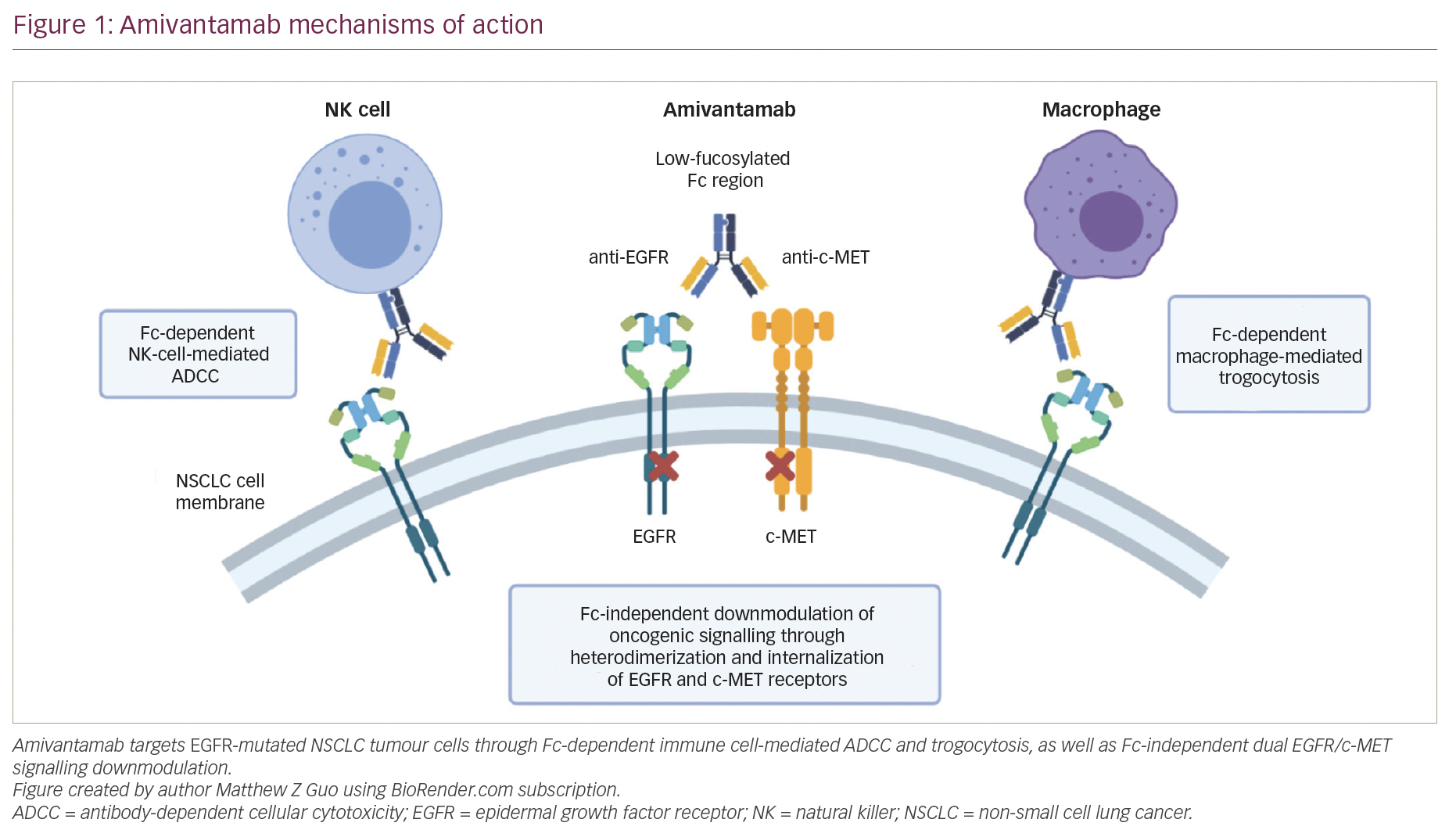
Dr Catherine Shu (Columbia University Irving Medical Center, New York, NY, USA) discusses the findings of the CHRYSALIS-2 study, which supports the use of amivantamab in certain groups of patients with advanced non-small-cell lung cancer (NSCLC) and represents a chemotherapy-free ...

touchONCOLOGY joins Professor Myung-Ju Ahn (Samsung Medical Center, Seoul, South Korea) at WCLC 2021 to discuss the AURA3 trial of osimertinib as a treatment for EGFR-mutant non-small cell lung cancer. Abstract: FP16.03 ClinicalTrials.gov Identifier: NCT02151981 Questions 1. What are the strengths ...
Cancer treatment has expanded rapidly in recent years as advancements in the fields of tumour biology and molecular diagnostics have informed the development of targeted therapies, improving survival in patients with oncogene-addicted cancers with therapeutically relevant molecular lesions. Osimertinib has ...
Historically, chemotherapy represented the only available treatment for patients with advanced non-small-cell lung cancer (NSCLC) who did not show any target molecular driver, such as epidermal growth factor receptor (EGFR), anaplastic lymphoma kinase (ALK) or the receptor tyrosine kinase ROS1. ...
Non-small cell lung cancer (NSCLC) remains a world-wide health issue, accounting for 85% of all lung cancers, of which there were an estimated 2.1 million new cases and 1.76 million deaths in 2018; equivalent to 11.6% of the global cancer burden.1,2 This incidence is expected ...

Suresh S Ramalingam, MD, FACP, FASCO is Professor of Hematology and Medical Oncology, Roberto C. Goizueta Chair for Cancer Research, Director of the Division of Medical Oncology and Deputy Director at the Winship Cancer Institute, Emory University School of Medicine ...

Lung cancer is the most common cancer worldwide, accounting for 11.6% of the total cancer incidence. It is also the leading cause of cancer death (18.4% of total cancer deaths), with more than 2 million new cases diagnosed worldwide in 2018.1 Non-small-cell lung cancer (...

Maurice Pérol, M.D., was Associate Professor of Pneumology and Head of the Department of Thoracic Oncology at the Croix-Rousse University Hospital in Lyon, France from 1993 until 2011. In 2011, he joined the Medical Oncology Department of Léon Bérard ...
Log into your Touch Account
Keep track of your clinical interests and newsletter subscriptions.
Sign up with an Email
Or use a .
Register now for FREE access
Already registered? Login below.
