
Search Results
55 Results Found for “patient advocacy”

At the 7th SIOP Europe Annual Meeting, Anita Kienesberger (Chair, Childhood Cancer International Europe [CCI Europe]), discusses the evolving landscape of paediatric oncology advocacy. She shares insights on the critical importance of psychosocial support, the necessity of collaborative research and the ongoing challenge of health inequalities across Europe. As CCI Europe transitions into an independent legal entity, Anita Kienesberger highlights the organisation's strategic shift toward empowering survivors and standardising long-term care.

At the 7th SIOP Europe Annual Meeting, Professor Uta Dirksen (President, SIOP Europe) outlines a vision for a more equitable and collaborative future in paediatric oncology, one shaped as much by community engagement as by scientific innovation.
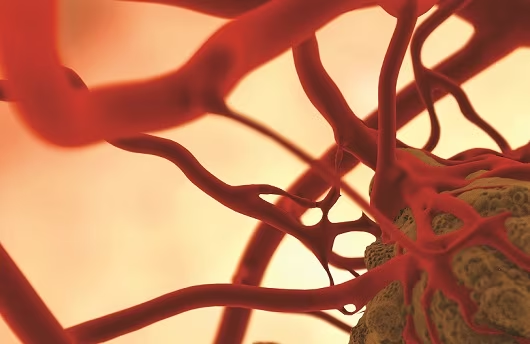
The impact on patients diagnosed with tenosynovial giant cell tumour (TGCT) can be profound. It is characterized by high recurrence rates, chronic symptoms, and frequent delays in specialist care. Although it is a benign tumor, diffuse TGCT often requires complex multidisciplinary management similar to that used in sarcoma care. In this interview, Dr Sydney Stern (Head of TGCT Support Programs) discusses the evolving treatment landscape, the promise of targeted therapies, and the role of patient advocacy in improving outcomes for people living with this rare tumour.

See who the oncology community selected as the rising stars of 2026!

In this touchONCOLOGY Future Leaders 2026 interview, Dr Lenz reflects on the mentorship that shaped his commitment to oncology, the role of research in exposing inequities in cancer care, and why ensuring equitable access to innovation will define the future of the field.

In this Future Leaders interview, Dr Soniya Dulal discusses the global mentors who shaped her career, the importance of building sustainable oncology systems in Nepal and how precision medicine, palliative care and international collaboration can improve patient outcomes in resource-limited settings.
February has already been very busy across regulation, clinical research and community awareness - and we're only half way through! See below a round-up of the main breakthroughs and what to look out for during the rest of the month. ...

The European Cancer Summit 2025 brought together leaders from across oncology to assess progress under Europe’s Beating Cancer Plan and chart next steps. Sessions focused on accelerating HPV elimination, strengthening screening and prevention policies, and preparing health systems for the rapid rise of artificial intelligence. Speakers emphasised practical solutions, collaborative action and the need for sustained investment to ensure equitable, high-quality cancer care across Europe.

Have you ever considered what advocacy truly means? What it represents for you, your patients, and your colleagues? We’re confident that you already act as an advocate, but can you identify yourself as one? Let’s explore together! ...

Cancer nursing is central to delivering complex, evidence-based cancer care across Europe. To meet evolving needs, the EONS Education Working Group develops frameworks, training, networks, and safety initiatives. These efforts advance professional growth, strengthen education, and shape the future of cancer nursing—ultimately improving outcomes for patients and families.

The World Bladder Cancer Patient Coalition (WBCPC) has launched its first Scientific Advisory Board (SAB) to strengthen the scientific foundation of its global advocacy and patient engagement work.
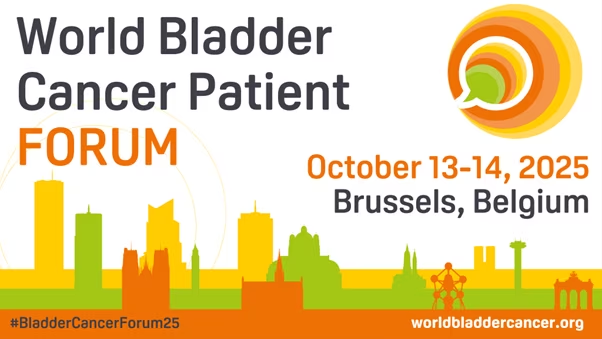
Every year, the World Bladder Cancer Patient Coalition convenes the only global gathering led by and for the bladder cancer patient community. The World Bladder Cancer Patient Forum takes place in Brussels, Belgium, on 13–14 October 2025 and you are invited to take part in this unique exchange.

In an evolving cancer landscape, cancer nurses are innovative leaders in cancer research. Their unique position at the intersection of clinical care and patient advocacy equips them to drive meaningful advancements in many critical areas, particularly symptom science.

The newly released Lancet Commission on hepatocellular carcinoma (HCC) is a powerful wake-up call to the global health community. It highlights that more than 60% of liver cancer cases are preventable through action on hepatitis, metabolic dysfunction-associated steatotic liver disease (MASLD) and alcohol use. Without intervention, HCC cases could double by 2050 – reaching over 1.5 million new cases annually and 1.37 million deaths.

Prof. Beate Rau reflects on her journey as a woman in surgical oncology, offering candid insights into the evolving culture, persistent inequities, and what it will take to achieve true gender balance in leadership. Her message to future leaders: focus on excellence, seek support, and help drive systemic change in surgery.

The European Oncology Nursing Society (EONS) recognized early the unique challenges that new generations of cancer nurses experience on a personal and professional level, as a result of rapid political and economic changes globally. Therefore, in 2017, in response to the needs and motivations of Young Cancer Nurses (YCN), EONS supported the development of a network for “cancer nurses and general nurses who work in cancer settings and / or with people affected by cancer in the WHO Europe region, who are under the age of 35”.

BUDAPEST – With a history of medical innovation stretching from Ignaz Semmelweis's groundbreaking antiseptic methods to Endre Mester's pioneering work in laser therapy, Budapest has long played a role in advancing medical science. This May, the tradition continues as the paediatric ...

"I draw inspiration from the resilience of our patients, whose courage in the face of adversity reminds me of the purpose behind the work we do" Dr Jemma Arakelyan’s (The University of Hong Kong, Pokfulam, Hong Kong) journey into ...
Log into your Touch Account
Keep track of your clinical interests and newsletter subscriptions.
Sign up with an Email
Or use a .
Register now for FREE access
Already registered? Login below.
