
Search Results
168 Results Found for “pembrolizumab”

Urothelial carcinoma (UC) is the 11th most common cancer in the UK, with approximately 11,000 new bladder cancer diagnoses annually.1 Globally, bladder cancer accounts for approximately 635,000 new diagnoses and 228,000 deaths annually, based on the latest GLOBOCAN estimates for 2024.2 Bladder cancer constitutes ...
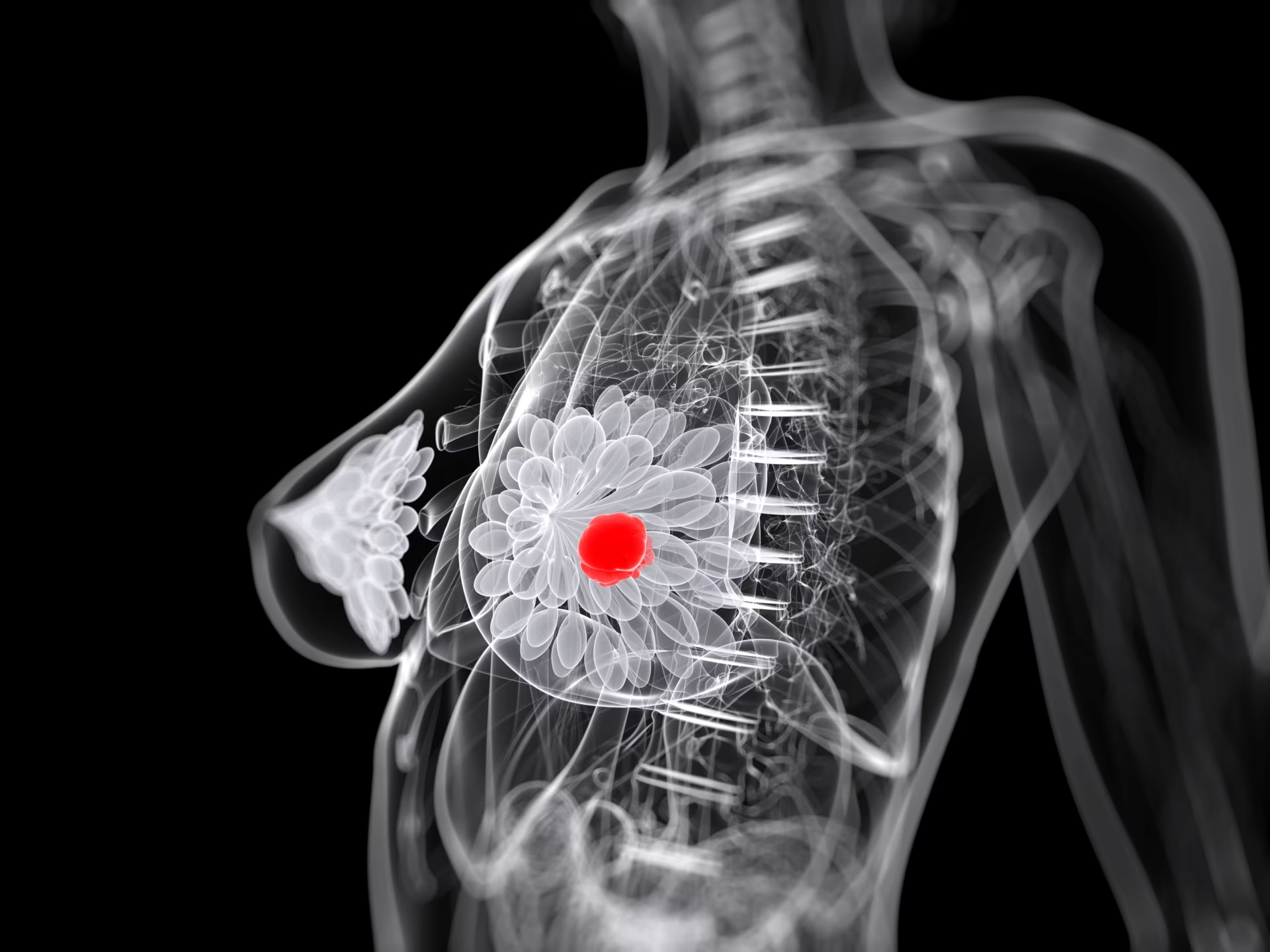
Metastatic triple-negative breast cancer (mTNBC) is a clinically heterogeneous disease, but compared with other breast cancer subtypes, triple-negative breast cancer (TNBC) is generally associated with a poorer prognosis and has historically had limited therapeutic options.1 The 5-year survival rate remains ...

Choosing the appropriate adjuvant therapy in patients with melanoma undergoing neoadjuvant treatment
This article examines current evidence supporting the use of neoadjuvant immunotherapy in patients with resectable macroscopic stage III melanoma and critically discusses the selection of appropriate adjuvant therapy following surgery. It is written in the context of emerging evidence from ...

The 2026 World Conference on Lung Cancer delivered several results with the potential to change clinical practice. My main takeaway was the speed at which effective options are multiplying in both small-cell lung cancer and molecularly defined non-small-cell lung cancer. The immediate advance is welcome, but it also makes treatment selection more complex: mature survival, intracranial control, toxicity, sequencing and access will increasingly matter as much as response rate or progression-free survival.

From adjuvant immunotherapy to microbiome-driven precision medicine, the biggest renal cell carcinoma abstracts presented at ASCO 2026 highlight where the field is heading next, and what may change first. In this round-up, we discuss the key data from four of the meeting’s most important studies, from investigational to late-phase: RAMPART, KEYNOTE-564, CaboNivo in patients with nccRCC and microbiome-based predictive biomarker development in mRCC.

Bladder cancer’s treatment landscape is changing fast; and the biggest abstracts presented at ASCO 2026 show just how far that shift now extends. With insight from our Editor-in-Chief, Prof Axel S Merseburger (University Hospital Schleswig-Holstein, Germany), we examine the four studies likely to have the biggest impact on clinical practice across advanced and localized disease: EV-302, KEYNOTE-905, SAKK 06/19 and POTOMAC.

New ASCENT-04 data presented at ASCO 2026 suggest that first-line sacituzumab govitecan plus pembrolizumab may provide sustained clinical benefit beyond first progression in patients with previously untreated PD-L1-positive metastatic triple-negative breast cancer. The exploratory post-hoc analysis showed improved PFS2 versus chemotherapy plus pembrolizumab, despite high crossover to sacituzumab govitecan in the control arm.

ASCO 2026 showed that thoracic oncology is moving beyond promising signals and increasingly closer to practice-changing evidence across multiple fields — from bispecific antibodies and ADC-based combinations to targeted therapy in both metastatic and peri-operative settings. In this piece, Dr Federico Monaca breaks down eight major abstracts from ASCO26, highlighting their take-aways and considering their potential relevance for clinical practice.

Small bowel adenocarcinoma (SBA) is a rare gastrointestinal malignancy, accounting for about 1–3% of gastrointestinal cancers.1,2 Its reported incidence has increased in recent decades, likely reflecting improved detection by balloon-assisted and capsule endoscopy and the more widespread use of cross-sectional imaging.3,4 ...

Pancreatic cancer (PC) is the tenth most common cancer in 2024, with 66,440 new cases and 51,570 deaths.1,2 Globally, the prevalence varies from 10/100,000 cases in the Americas and Europe to 0.9/100,000 cases in South Central Asia and most of Africa.3 Currently, it has the ...

Emerging strategies in head and neck cancer focus on personalizing therapy and reducing toxicity. ctDNA-guided chemotherapy with pembrolizumab in recurrent HNSCC achieved a 73% response rate, while ozuriftamab vedotin showed promising activity in pretreated HPV-positive OPSCC. Long-term results from the Quarterback trials indicate that reduced-dose chemoradiation after induction chemotherapy maintains durable control in selected patients. These findings support further exploration of molecular-guided, targeted, and de-escalated approaches to optimize outcomes.
The 2026 ASCO Genitourinary Cancers Symposium showcased pivotal advances across renal, prostate and bladder cancers. Key late-breaking trials across kidney, prostate and bladder cancer highlighted promising combinations, novel targeted therapies and innovative radioligand approaches, demonstrating improved disease control, progression-free survival and ...

At ESGO26 investigators answered some of the field’s most persistent questions: the optimal timing of surgery, chemotherapy scheduling, the promise of immunotherapy in platinum-resistant disease and how molecular profiling can sharpen surgical decision-making. And the results didn't disappoint. Below are four of the most important abstracts from the Late-breaking, Best Oral and Best Three Minutes sessions: ENGOT-ov65/KEYNOTE-B96, RACC, ACR-368-201 and EUGENIE revealed insights that could shift the standard of care. Here’s what you need to know.
At ESGO26, investigators tackled some of the most persistent questions in advanced ovarian cancer: when to operate, how best to schedule chemotherapy and whether immunotherapy can finally shift outcomes in platinum-resistant disease. Four major studies took centre stage — TRUST, ICON8B, ENGOT-ov65/KEYNOTE-B96 and a SUROVA HIPEC sub-analysis. Here, we break down the key take-home messages from each presentation.

February has already been very busy across regulation, clinical research and community awareness - and we're only half way through! See below a round-up of the main breakthroughs and what to look out for during the rest of the month. ...

As we begin 2026, Dr Ana Tecic Vuger (University Hospital for Tumors, Zagreb, Croatia) reflects on the major breakthroughs throughout 2025. The breast cancer community has witnessed transformative progress across the continuum of research and clinical care, from more precise targeted therapies and novel endocrine strategies to advances in biomarker-driven treatment sequencing and survivorship. The major oncology meetings – ASCO 2025, ESMO/ESMO Breast 2025, and the San Antonio Breast Cancer Symposium (SABCS) 2025 – offered a rich tapestry of data that helps shape practice and sharpen research priorities.

The treatment paradigm for HER2-positive advanced gastric and GEJ adenocarcinoma has been reshaped by the integration of immune checkpoint inhibitors into trastuzumab-based chemotherapy. The phase III KEYNOTE-811 trial established the benefit of adding pembrolizumab to trastuzumab and chemotherapy, whereas the HERIZON-GEA-01 trial, presented at 2026 ASCO GI Cancers Symposium, explored a distinct strategy – enhancing HER2 blockade itself through substitution with the bispecific antibody zanidatamab, with or without PD-1 inhibition.

The European Society for Medical Oncology (ESMO) 2025 congress brought over 100 late-breaking abstracts, 250 sessions, 600 expert speakers and 33,800 delegates to Berlin in October. The meeting highlighted innovations ranging from novel agents to real-world evidence and patient-centred care. In this article, hear from the experts on the key breakthroughs and clinical insights set to shape the future of oncology practice.
Log into your Touch Account
Keep track of your clinical interests and newsletter subscriptions.
Sign up with an Email
Or use a .
Register now for FREE access
Already registered? Login below.
