
Search Results
236 Results Found for “receptors”
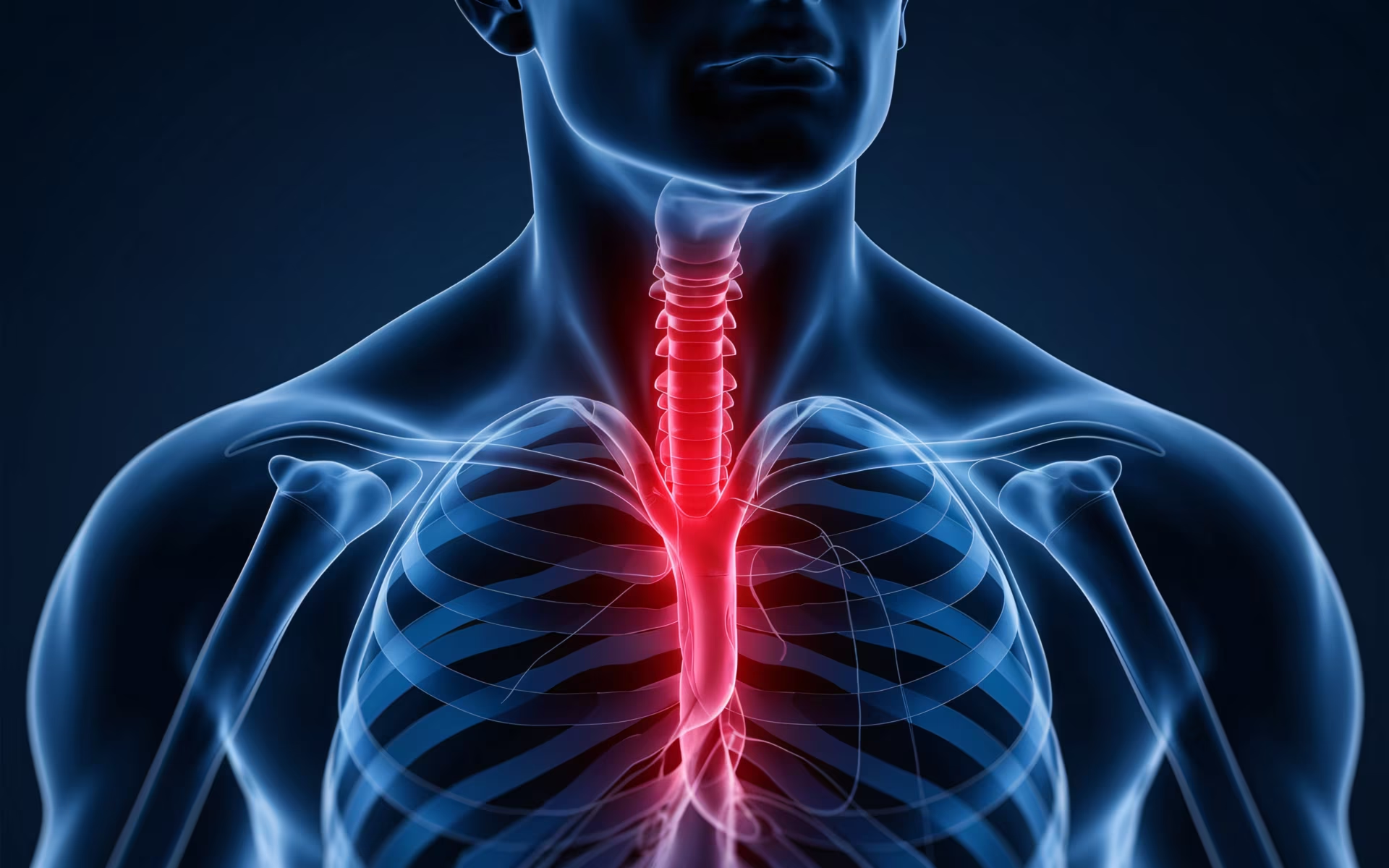
Esophageal cancer (EC) is a major global health concern, ranking as the 11th most commonly diagnosed cancer and the seventh leading cause of cancer-related deaths worldwide, with an estimated 494,320 new cases and 441,994 deaths in 2024.1 Esophageal squamous cell carcinoma (ESCC) remains ...
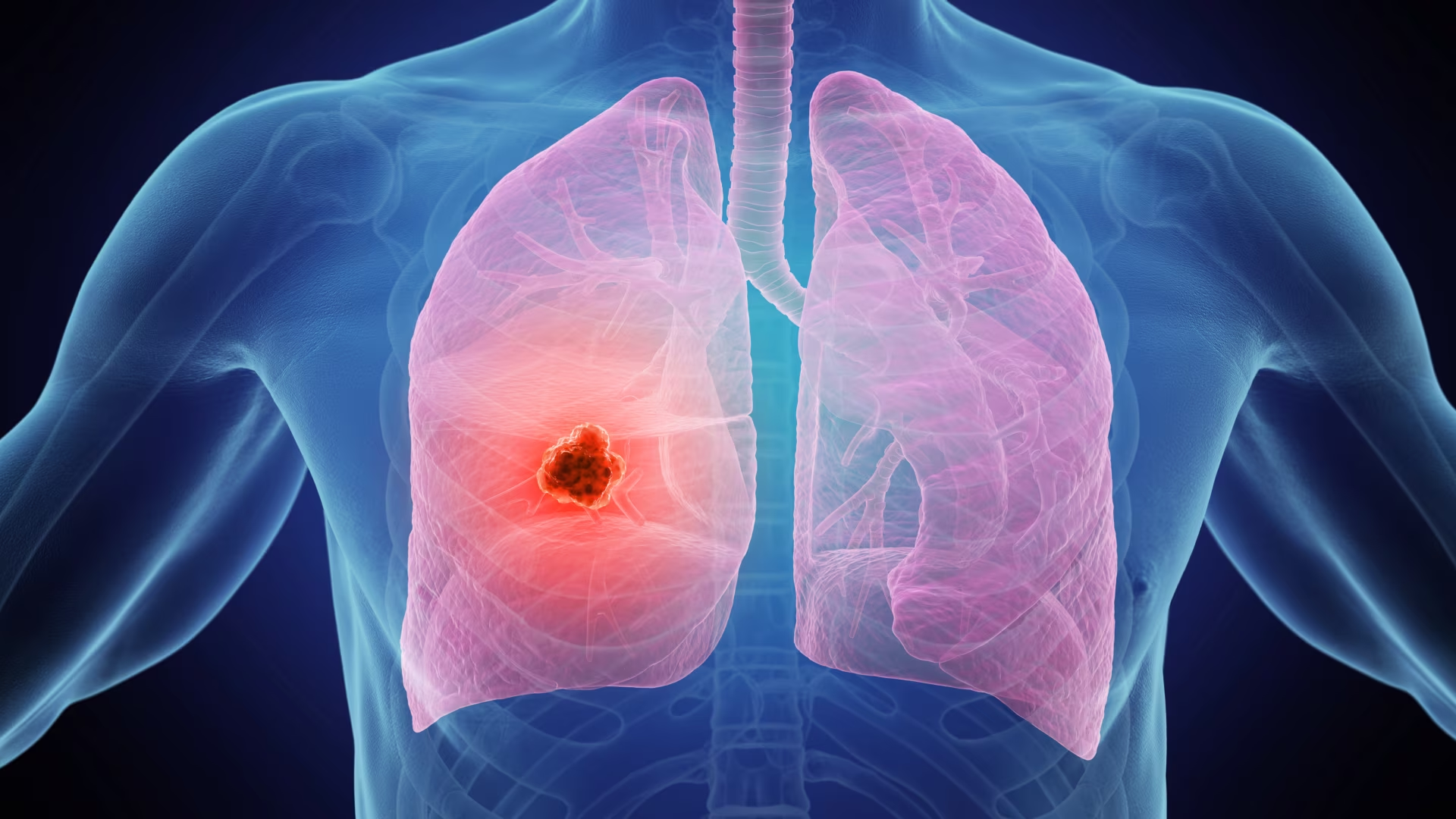
Non-small cell lung cancer (NSCLC) remains the leading cause of cancer-related mortality worldwide.1 Over the past two decades, the molecular characterization of NSCLC has transformed the therapeutic landscape by enabling the development of targeted therapies that have significantly improved outcomes ...

Among glial tumours of the central nervous system (CNS), one of the most devastating is the category of H3K27-altered midline gliomas because of their uniform and rapid mortality, high neurological symptom burden and predilection for paediatric, adolescent and ...
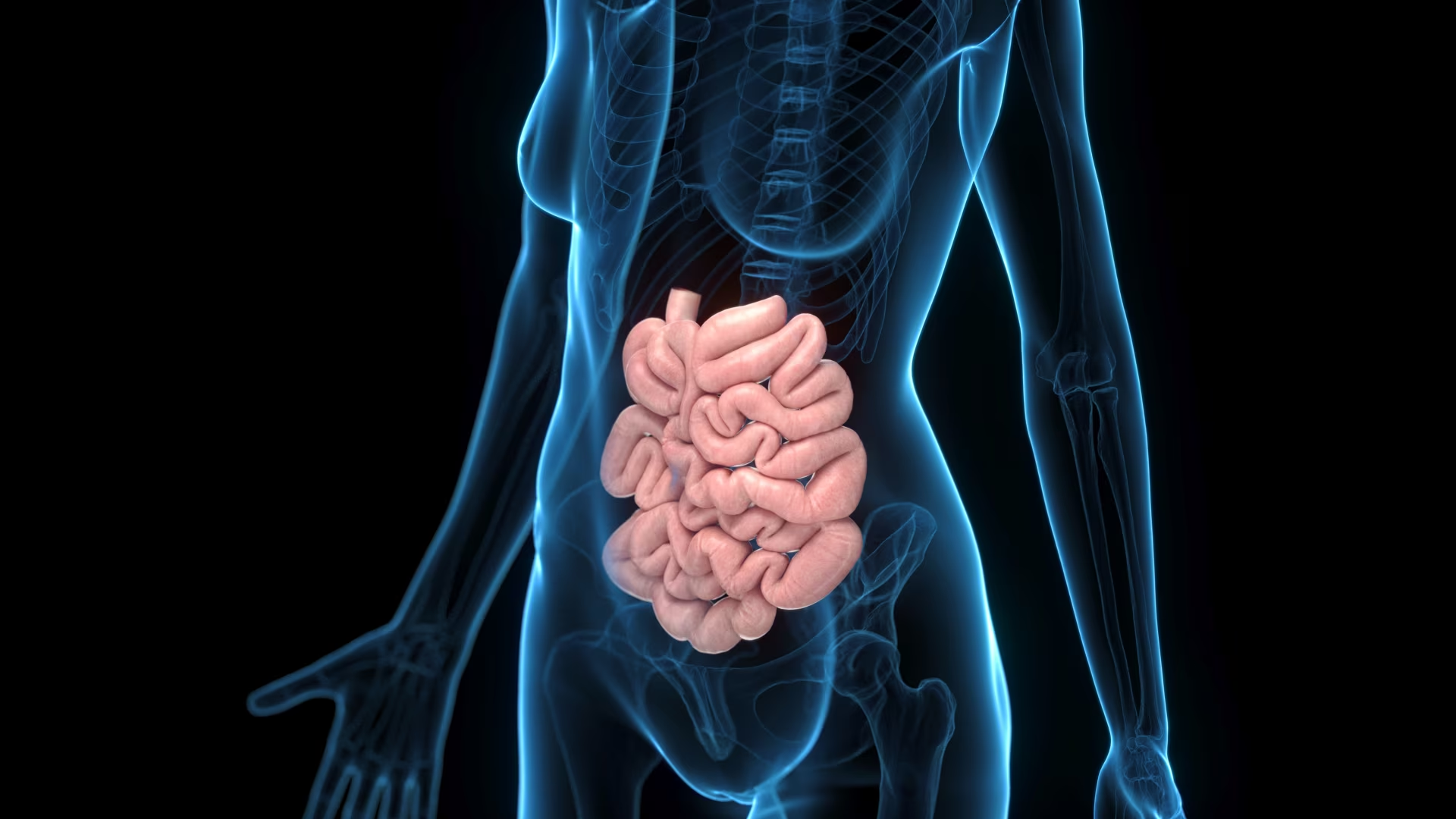
Small bowel adenocarcinoma (SBA) is a rare gastrointestinal malignancy, accounting for about 1–3% of gastrointestinal cancers.1,2 Its reported incidence has increased in recent decades, likely reflecting improved detection by balloon-assisted and capsule endoscopy and the more widespread use of cross-sectional imaging.3,4 ...

Pancreatic cancer (PC) is the tenth most common cancer in 2024, with 66,440 new cases and 51,570 deaths.1,2 Globally, the prevalence varies from 10/100,000 cases in the Americas and Europe to 0.9/100,000 cases in South Central Asia and most of Africa.3 Currently, it has the ...

Immune checkpoint inhibitors (ICIs) act by blocking inhibitory pathways such as programmed cell death protein 1 (PD-1), programmed cell death ligand 1 (PD-L1) and cytotoxic T lymphocyte-associated antigen 4 (CTLA-4), thereby restoring T-cell activity and promoting tumour cell destruction.1,2 The ability of tumours ...

The intestinal microbiota, composed of approximately 1,000 species and over 100 trillion micro-organisms, plays a vital role in host physiology, including metabolism, barrier function and immune regulation.1 Disruption of this delicate host–microbiota balance – known as dysbiosis – has been implicated in the ...

Early-onset lung cancer is typically defined as occurring in individuals aged 18–50 years, although there is no universally accepted definition.1–3 This entity, though rare, poses unique diagnostic and therapeutic challenges. This article synthesizes current evidence on the unique features and management ...

Maya Davies, winner of the 2025 MASCC Young Investigator Award, is uncovering how cancer treatments disrupt the brain in childhood cancer patients. Her research highlights the role of the gut microbiota, blood-brain barrier, and inflammation in treatment-related toxicity, paving the way for more personalised and biologically informed supportive oncology.

Cervical cancer (CC) is the fourth most common cancer among women worldwide, with an estimated 604,000 new cases and 342,000 CC-related deaths in 2020.1# Approximately 90% of CCs are caused by infection with human papillomavirus (HPV).2 Even though the adoption of both primary (HPV ...

Lung cancer is the second most common type of cancer worldwide and in the USA, with its incidence varying depending on geographic and socioeconomic factors.1–3 According to data from the Global Cancer Observatory: Cancer Incidence, Mortality and Prevalence (GLOBACAN) database, ...

Acute myeloid leukaemia (AML) is a heterogeneous haematologic cancer associated with clonal expansion of myeloid blasts in the bloodstream, bone marrow and other tissues. AML is associated with blasts expressing various complex molecular and cytogenetic alterations, which play an important ...

Metastatic castration-resistant prostate cancer (mCRPC) represents the most formidable stage of prostate cancer (PCa) and is responsible for the majority of PCa-related mortalities. This advanced form of the disease typically evolves from less aggressive stages.1 PCa is broadly categorized into ...

Rat sarcoma virus (RAS) proteins are a family of prototypical oncogenes frequently mutated in human cancers. Mutations in the RAS gene account for 19% of all pathogenic alterations and are the subject of extensive research in molecular and clinical oncology.1 The ...

Liver cancer remains a significant global health challenge, often going undetected until it has progressed to advanced stages. A major barrier to early detection is the lack of awareness about liver health and risk factors, such as chronic liver diseases ...
Endocrine therapy (ET) has changed the natural history of hormone receptor-positive (HR+) breast cancer (BC) and is the cornerstone of the treatment of HR+ BC. There are several ETs approved for the treatment of BC, including selective oestrogen receptor modulators (...
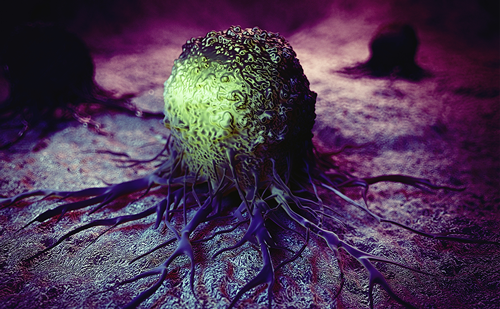
Cholangiocarcinoma (CCA) is a cancer of the epithelial cells lining the biliary tree in the liver and can occur both inside the liver (intrahepatic CCA [iCCA]) and outside the liver (extrahepatic CCA, which includes both perihilar and distal cholangiocarcinoma) (Figure 1). ...
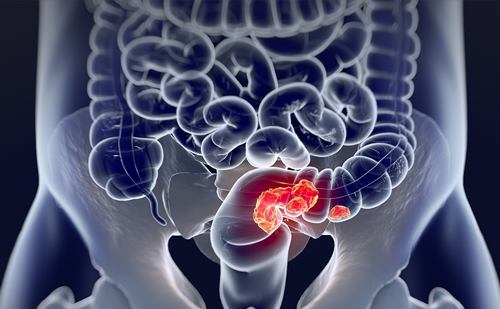
Outcomes for patients with metastatic colorectal cancer have steadily improve due to discovery of new drugs as well as increasing number patients undergoing local therapies.1 Angiogenesis is of a paramount importance in this disease and since vascular endothelial growth factor (...
Log into your Touch Account
Keep track of your clinical interests and newsletter subscriptions.
Sign up with an Email
Or use a .
Register now for FREE access
Already registered? Login below.
