
Search Results
195 Results Found for “relapsed/refractory”

ESMO 2026 presented new data across multiple myeloma, lymphoma and myeloid malignancies, exploring investigational bispecific antibodies, ADCs and targeted therapies. The studies selected for this round-up examine investigational approaches in relapsed/refractory disease and newly diagnosed settings, including combinations designed to deepen responses and emerging targets in patients with limited treatment options.

New phase 3 results in relapsed or refractory osteosarcoma, updated data for a direct β-catenin inhibitor in desmoid tumors and clinical findings across other rare sarcoma subtypes feature among the key studies presented at ESMO 2026. This round-up examines five abstracts, covering study designs, efficacy outcomes and safety data.
Diffuse large B-cell lymphoma (DLBCL) is the most common lymphoma in the USA and Western Europe.1,2 DLBCL is treated with curative intent given the aggressive nature of the disease. Rituximab (R), cyclophosphamide (C), doxorubicin (H), vincristine (O) and prednisone (P) (...

Can advances in antibody-drug conjugate design translate into meaningful survival benefits across more tumor types and earlier treatment settings, without unacceptable toxicity? Having transformed treatment for HER2-positive breast cancer, ADCs are now taking center stage in Madrid, featuring in one-third of the Presidential Symposium late-breaking abstracts. These studies illustrate a shift from established HER2-directed approaches, toward a broader landscape of targets, payloads and clinical applications. In this article, we examine the key trials to watch and the clinical questions they aim to address.

With the European Society for Medical Oncology (ESMO) Congress 2026 fast approaching, attention is turning to Madrid, where the meeting is held from 23–27th October. Whether you are joining onsite or via the virtual platform, the three Presidential Symposia are the sessions not to miss. This year they carry 12 late-breaking abstracts (LBAs) spanning melanoma, lung, genitourinary, gastrointestinal, gynecological and rare cancers. With close to 300 scientific and educational sessions to choose from, we know the programme can feel overwhelming. So we have put together a quick guide to the headline sessions: when and where they run, who is presenting, and links to explore each one in the programme planner, so you can decide which to prioritize.

Patient experience findings from the Phase 2 IZALCO study.

The European Society for Medical Oncology (ESMO) Congress 2026 promises a compelling program of clinical data, spanning personalized cancer vaccines, next-generation antibody–drug conjugates (ADCs) and novel approaches to targeted therapy and immunotherapy. With several studies already generating excitement following positive topline announcements, all eyes will be on the full results and their potential implications for clinical practice. Below, we highlight the 12 presidential abstracts to watch, the key findings to look out for and the questions these studies could help answer.
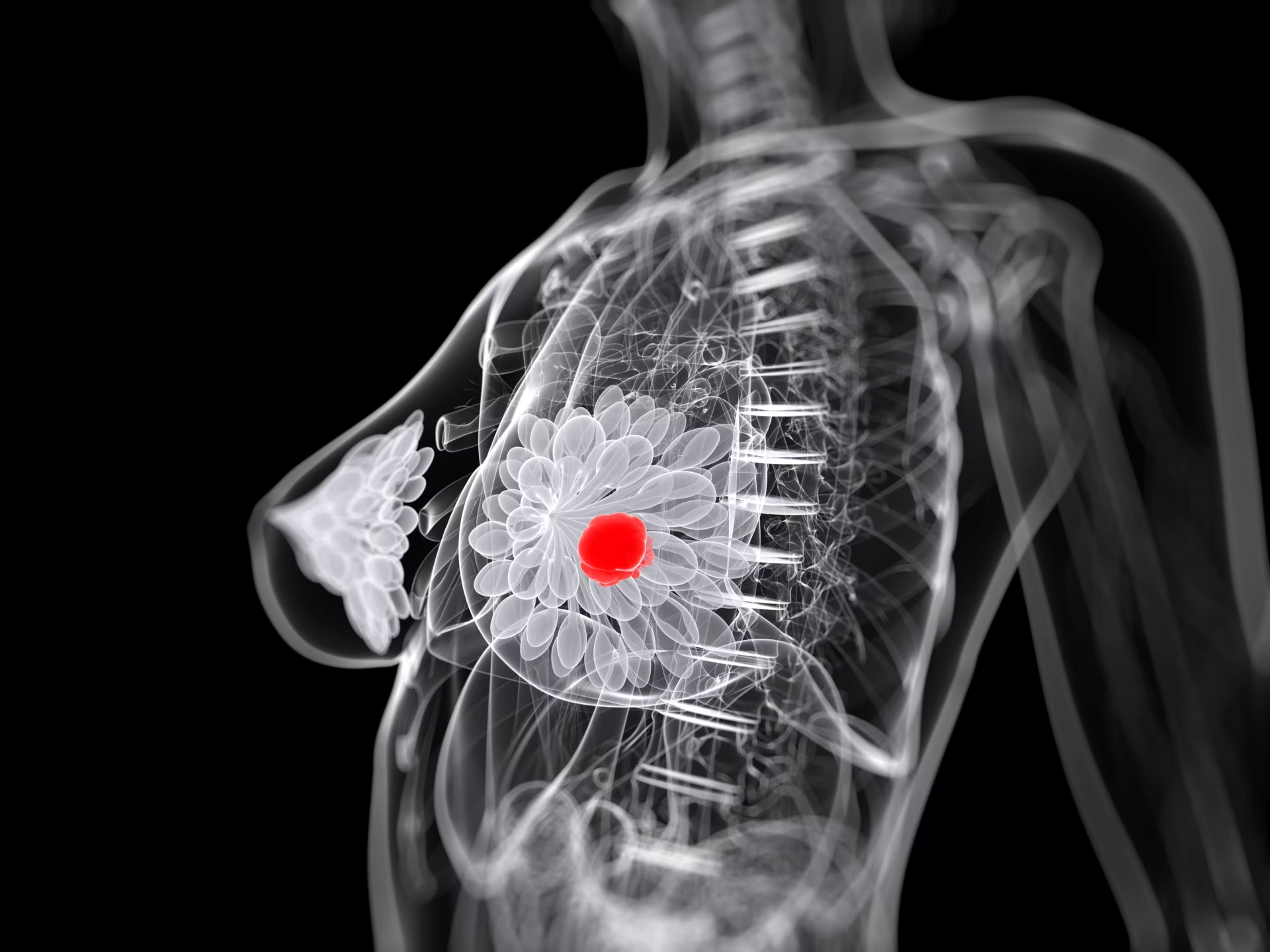
Metastatic triple-negative breast cancer (mTNBC) is a clinically heterogeneous disease, but compared with other breast cancer subtypes, triple-negative breast cancer (TNBC) is generally associated with a poorer prognosis and has historically had limited therapeutic options.1 The 5-year survival rate remains ...

For almost two decades, R-CHOP has remained the established frontline standard for DLBCL, yet approximately 40% of patients are not cured with first-line therapy. At EHA 2026, Prof Georg Lenz presented new phase 3 data from the frontMIND study suggesting that this long-standing backbone may now be open to improvement. The study showed that adding tafasitamab and lenalidomide to R-CHOP significantly improved progression-free survival (PFS) in previously untreated patients with high-risk DLBCL and high-grade B-cell lymphoma (HGBL), marking one of the first positive frontline intensification trials in this setting in recent years.

Several important lymphoma studies presented at ASCO 2026 provided new data across newly diagnosed and relapsed/refractory disease settings. The studies spanned aggressive B-cell lymphomas and classic Hodgkin lymphoma, evaluating novel antibody-based combinations, epigenetic targeting strategies and chemotherapy-sparing approaches. Dr Tycel Phillips provides his expert insights into the six most important studies of the meeting.

The European Hematology Association (EHA) 2026 Congress brought together the global hematology community to unveil the latest practice-shaping advances in hematological malignancies and blood disorders. From plenary and late-breaking trial results to prestigious award winners, novel therapeutics, translational science and emerging technologies, the meeting delivered a vast volume of data. In this expert-led round-up, leading specialists distil the most important data and key takeaways from across each disease area, offering an essential guide to the studies set to shape the future of hematology.

Join us as leading experts discuss key data from the Plenary, Late-breaking and top oral sessions across each major disease area at ASCO 2026 touchONCOLOGY coverage of ASCO 2026 2026 American Society of Clinical Oncology (ASCO) Annual Meeting brought together the global oncology ...
The first primary microangiopathic haemolytic anaemia was identified as thrombotic thrombocytopenic purpura (TTP) by Dr Moschowitz in 1924. At that time, the classic pentad of clinical features, still used today, included fever, erythrocyte fragmentation, thrombocytopenia, kidney injury and neurologic injury.1 It ...

Dr Federico Monaca discusses the role of consolidative thoracic radiotherapy after chemo-immunotherapy in ES-SCLC, highlighting improved chest control but uncertain survival impact. He also reflects on key WCLC 2025 updates, including DLL3-targeted therapies, novel immunotherapy combinations, and biomarker-driven strategies offering fresh hope in small cell and non-small cell lung cancers.

We are delighted to present the latest edition of touchREVIEWS in Oncology & Haematology. This issue underscores the evolving landscape of cancer therapeutics, showcasing advances across a wide range of malignancies, from haematologic diseases to solid tumours, through novel mechanisms, ...

Head and neck cancer (HNC), with over 946,000 new cases and 482,000 deaths in 2022, is the seventh most common cause of cancer-related deaths globally.1 Specifically, in the USA, the number of estimated new cases in 2024 was 74,000.2 Head and neck squamous cell carcinoma (...

Acute myeloid leukaemia (AML) is a heterogeneous haematologic cancer associated with clonal expansion of myeloid blasts in the bloodstream, bone marrow and other tissues. AML is associated with blasts expressing various complex molecular and cytogenetic alterations, which play an important ...

Bruton tyrosine kinase (BTK) plays a functional and integral role in B-cell receptor (BCR) signalling and is expressed in normal and malignant B cells. Given BTK’s central role in the survival and proliferation of malignant B cells, BTK inhibitors ...
Log into your Touch Account
Keep track of your clinical interests and newsletter subscriptions.
Sign up with an Email
Or use a .
Register now for FREE access
Already registered? Login below.
