
Search Results
591 Results Found for “risk factors”

Urothelial carcinoma (UC) is the 11th most common cancer in the UK, with approximately 11,000 new bladder cancer diagnoses annually.1 Globally, bladder cancer accounts for approximately 635,000 new diagnoses and 228,000 deaths annually, based on the latest GLOBOCAN estimates for 2024.2 Bladder cancer constitutes ...
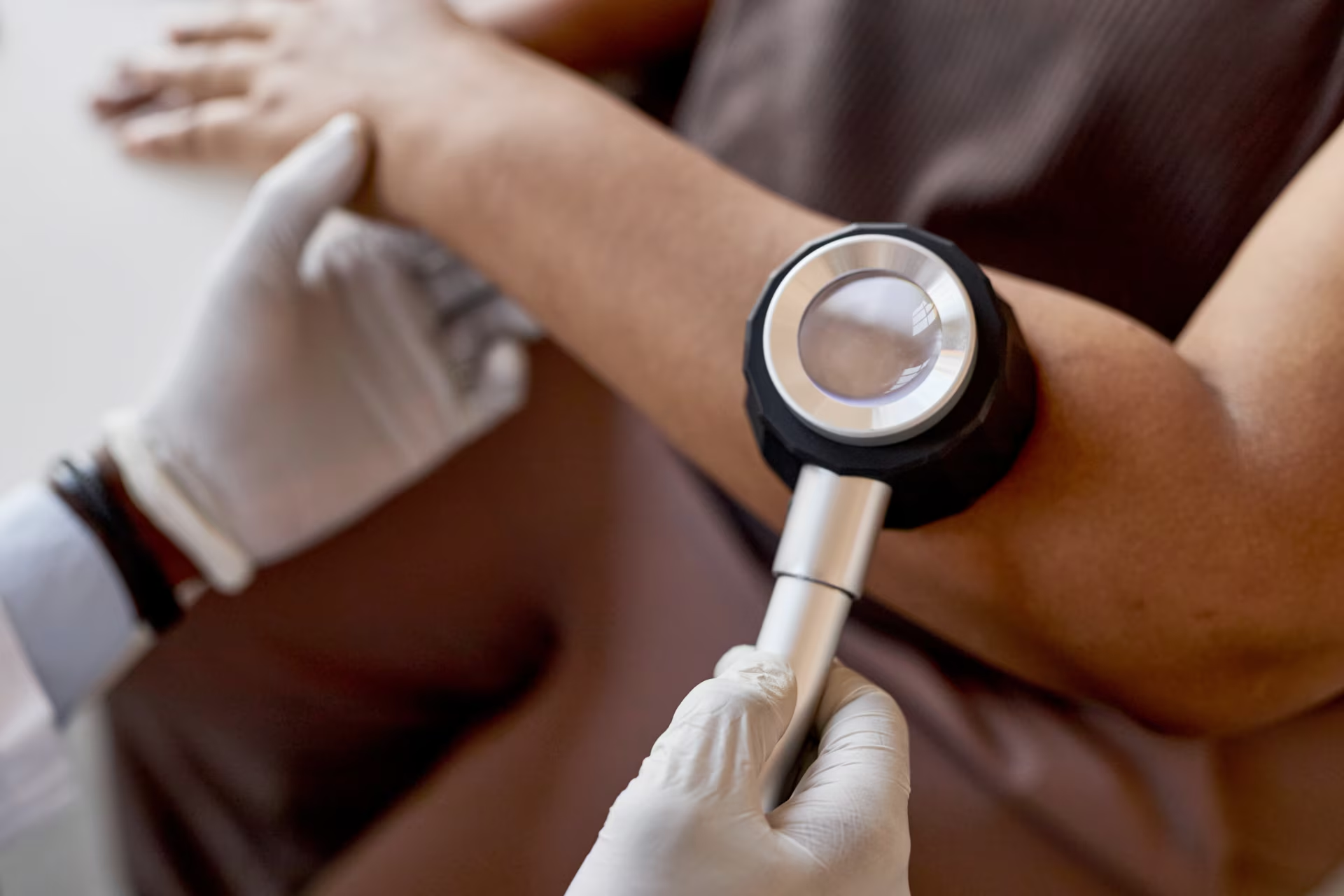
Choosing the appropriate adjuvant therapy in patients with melanoma undergoing neoadjuvant treatment
This article examines current evidence supporting the use of neoadjuvant immunotherapy in patients with resectable macroscopic stage III melanoma and critically discusses the selection of appropriate adjuvant therapy following surgery. It is written in the context of emerging evidence from ...
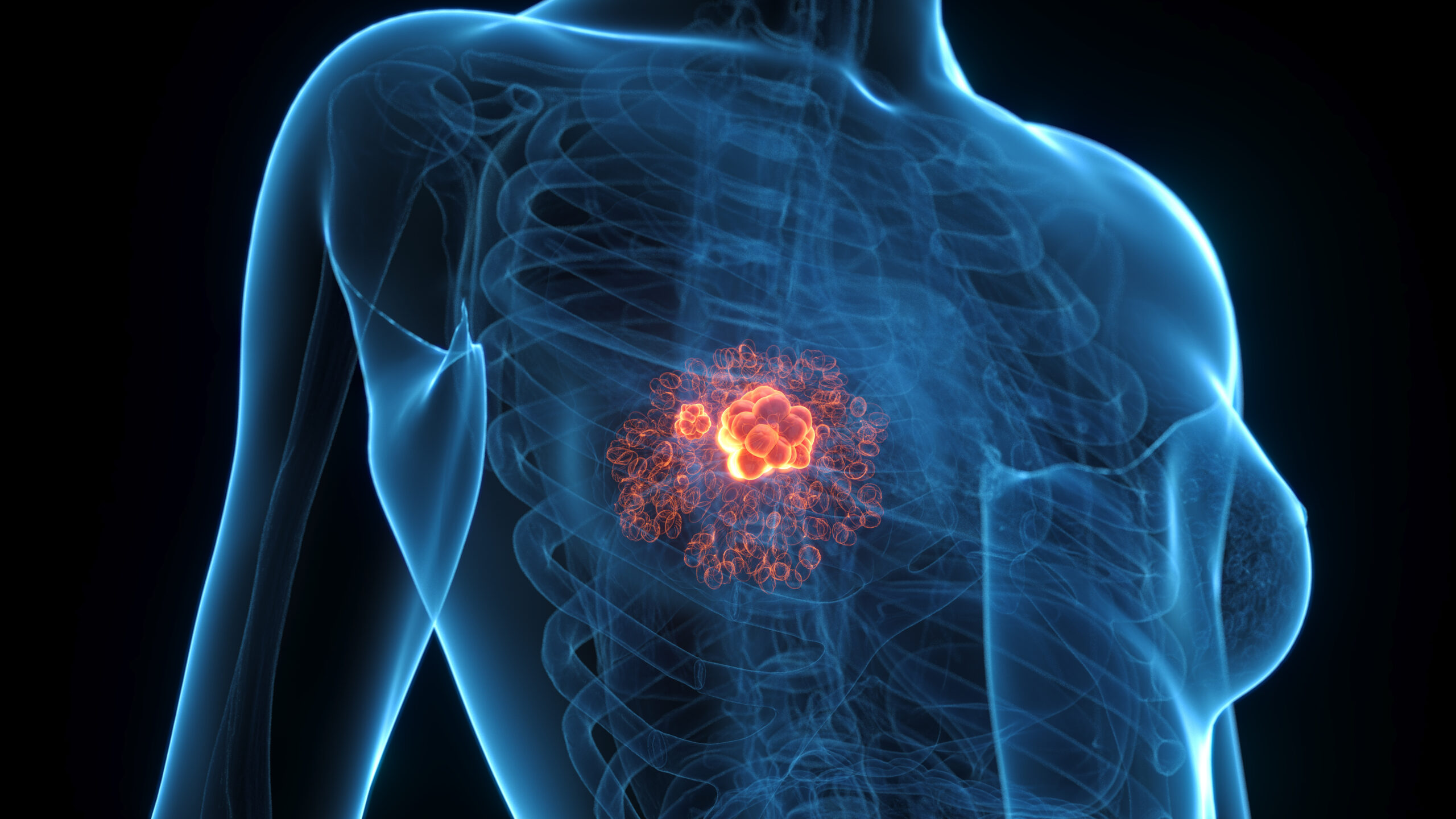
Circulating tumor DNA (ctDNA) has emerged as an innovative and minimally invasive tool in precision oncology. With a short half-life of 30–120 min, ctDNA provides real-time insight into tumor dynamics.1 In early-stage breast cancer, there is growing evidence supporting its potential ...


Several important lymphoma studies presented at ASCO 2026 provided new data across newly diagnosed and relapsed/refractory disease settings. The studies spanned aggressive B-cell lymphomas and classic Hodgkin lymphoma, evaluating novel antibody-based combinations, epigenetic targeting strategies and chemotherapy-sparing approaches. Dr Tycel Phillips provides his expert insights into the six most important studies of the meeting.

Could upfront PARP inhibition transform outcomes for patients with HRR-altered metastatic hormone-sensitive prostate cancer? New data from the landmark TALAPRO-3 trial show meaningful rPFS gains with talazoparib plus enzalutamide, reinforcing the importance of early biomarker testing. [touchplayvideo video_id="m9...

The plenary session at the AACR Annual Meeting 2026 brought sharp focus to one of oncology’s most urgent challenges: the global rise in early-onset cancers. Across four complementary presentations, speakers combined epidemiology, molecular biology and clinical insight to frame a multifactorial, and still evolving, picture of risk in younger populations. Below, we have broken down the key points and take-home messages from the session.
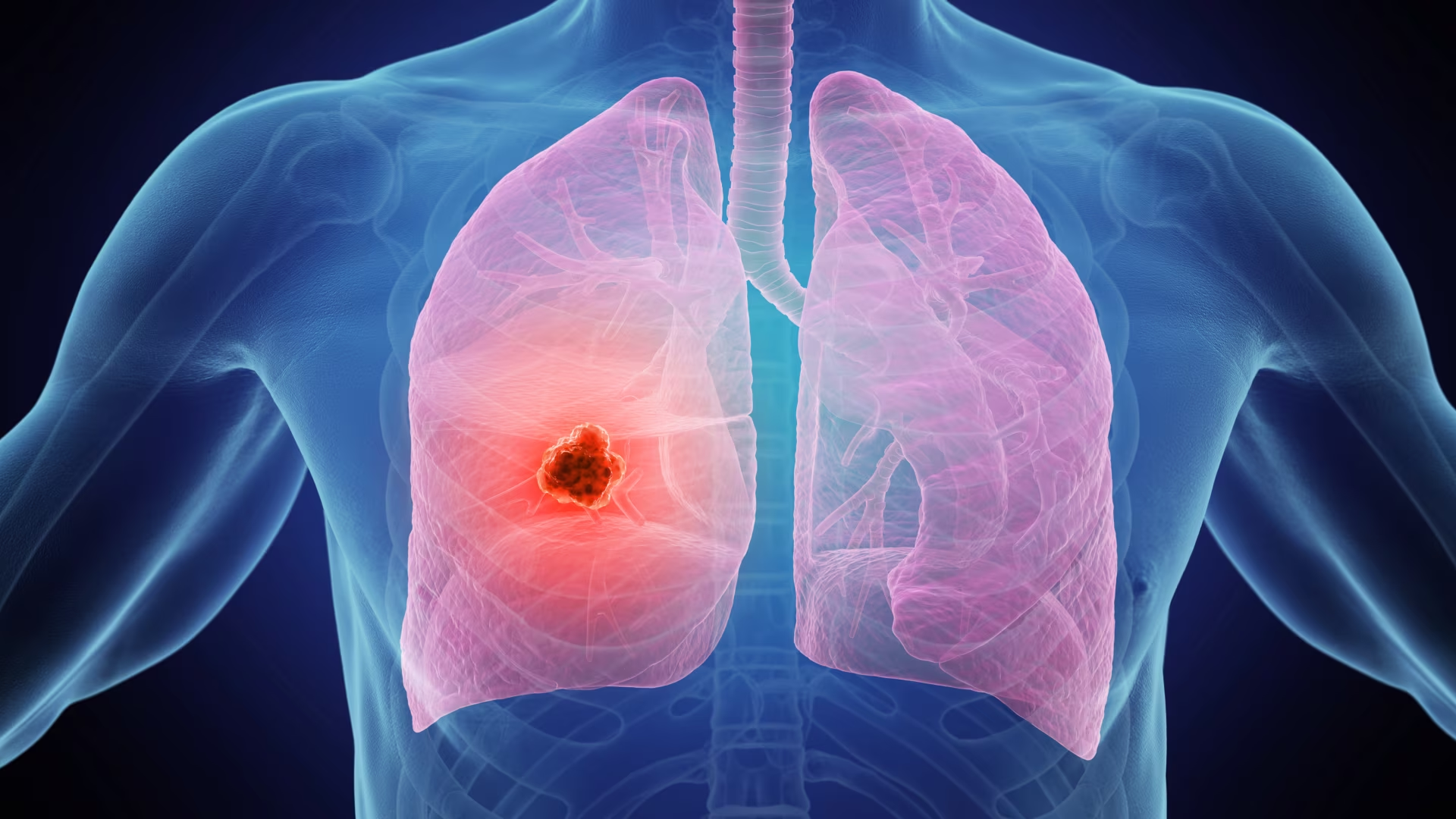
Non-small cell lung cancer (NSCLC) remains the leading cause of cancer-related mortality worldwide.1 Over the past two decades, the molecular characterization of NSCLC has transformed the therapeutic landscape by enabling the development of targeted therapies that have significantly improved outcomes ...

Among glial tumours of the central nervous system (CNS), one of the most devastating is the category of H3K27-altered midline gliomas because of their uniform and rapid mortality, high neurological symptom burden and predilection for paediatric, adolescent and ...

An immunosuppressed person is one whose immune function is impaired by underlying disease and/or immunosuppressive medications, resulting in reduced immunosurveillance against malignant cells and increased vulnerability to opportunistic infections. Longstanding immunosuppression has been linked to increased risk for cutaneous (...
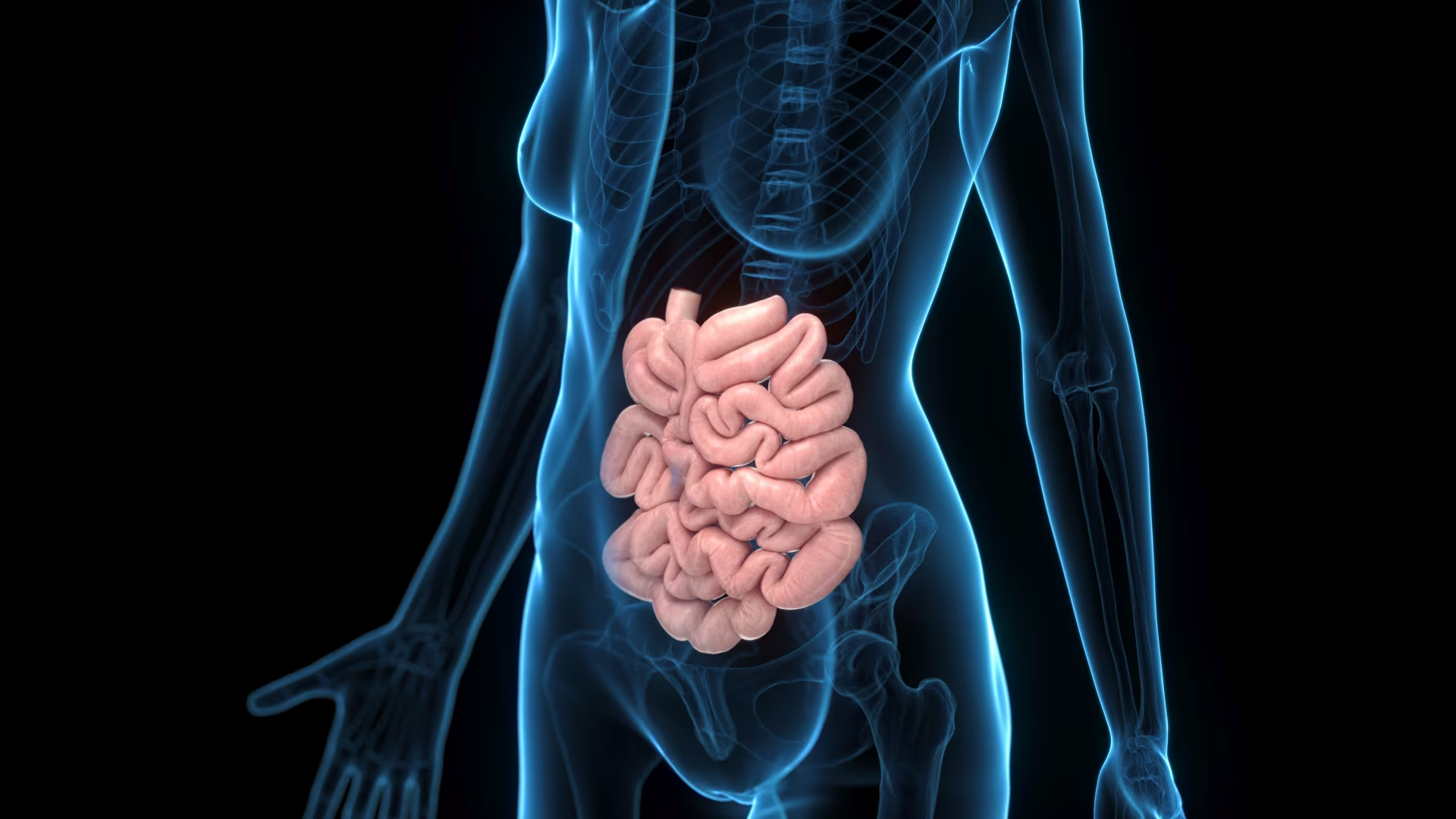
Small bowel adenocarcinoma (SBA) is a rare gastrointestinal malignancy, accounting for about 1–3% of gastrointestinal cancers.1,2 Its reported incidence has increased in recent decades, likely reflecting improved detection by balloon-assisted and capsule endoscopy and the more widespread use of cross-sectional imaging.3,4 ...

In this Future Leaders interview, Dr Kevin Keane discusses the mentors who shaped his approach to clinically meaningful research, the integration of surgery and innovation in uro-oncology and the collaborative, patient-centred advances set to transform bladder cancer care.
Pancreatic cancer (PC) is the tenth most common cancer in 2024, with 66,440 new cases and 51,570 deaths.1,2 Globally, the prevalence varies from 10/100,000 cases in the Americas and Europe to 0.9/100,000 cases in South Central Asia and most of Africa.3 Currently, it has the ...
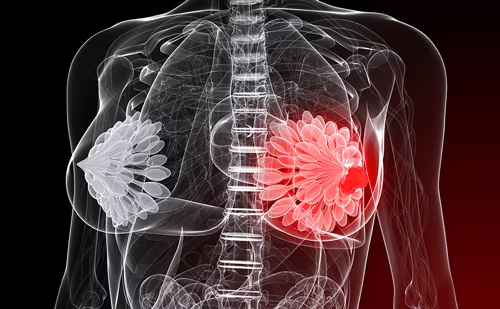
Breakthroughs from the 2025 San Antonio Breast Cancer Symposium in oral SERDs, HER2-targeted maintenance therapy, ADCs and next-generation endocrine combinations are reshaping breast cancer care across early and metastatic disease. From practice-changing phase III data to nuanced treatment selection in triple-positive and ESR1-mutant disease, this in-depth report unpacks what the latest trials really mean for clinicians. Register now to read the full analysis and stay ahead of rapidly evolving practice.

2025 has brought exciting developments in oncology, with groundbreaking research and real-world progress showcased at ASCO, ESMO, EHA, ASH and many more leading conferences around the world. We asked our key faculty to share what they believe has been most impactful so far this year – here’s what they told us.

Discover how everyday choices—from what you eat to how you manage stress—can significantly shape long-term cancer prevention. This article explores the powerful, evidence-based impact of nutrition, physical activity, sleep, and social connection on lowering cancer risk and supporting healthier aging. Learn what the world’s longest-living communities can teach us about prevention—and why small lifestyle changes can make a big difference.

In this episode, Nicky speaks with Prof. Georgina Ellison-Hughes from King’s College London about the groundbreaking field of senolytics and their potential to advance the treatment of age-related diseases. From understanding the science behind cellular senescence to how senolytic drugs work and what early clinical trials reveal, this episode explores an exciting frontier in longevity medicine.

Early-onset lung cancer is typically defined as occurring in individuals aged 18–50 years, although there is no universally accepted definition.1–3 This entity, though rare, poses unique diagnostic and therapeutic challenges. This article synthesizes current evidence on the unique features and management ...
Log into your Touch Account
Keep track of your clinical interests and newsletter subscriptions.
Sign up with an Email
Or use a .
Register now for FREE access
Already registered? Login below.
