
Search Results
185 Results Found for “stem cell transplantation”
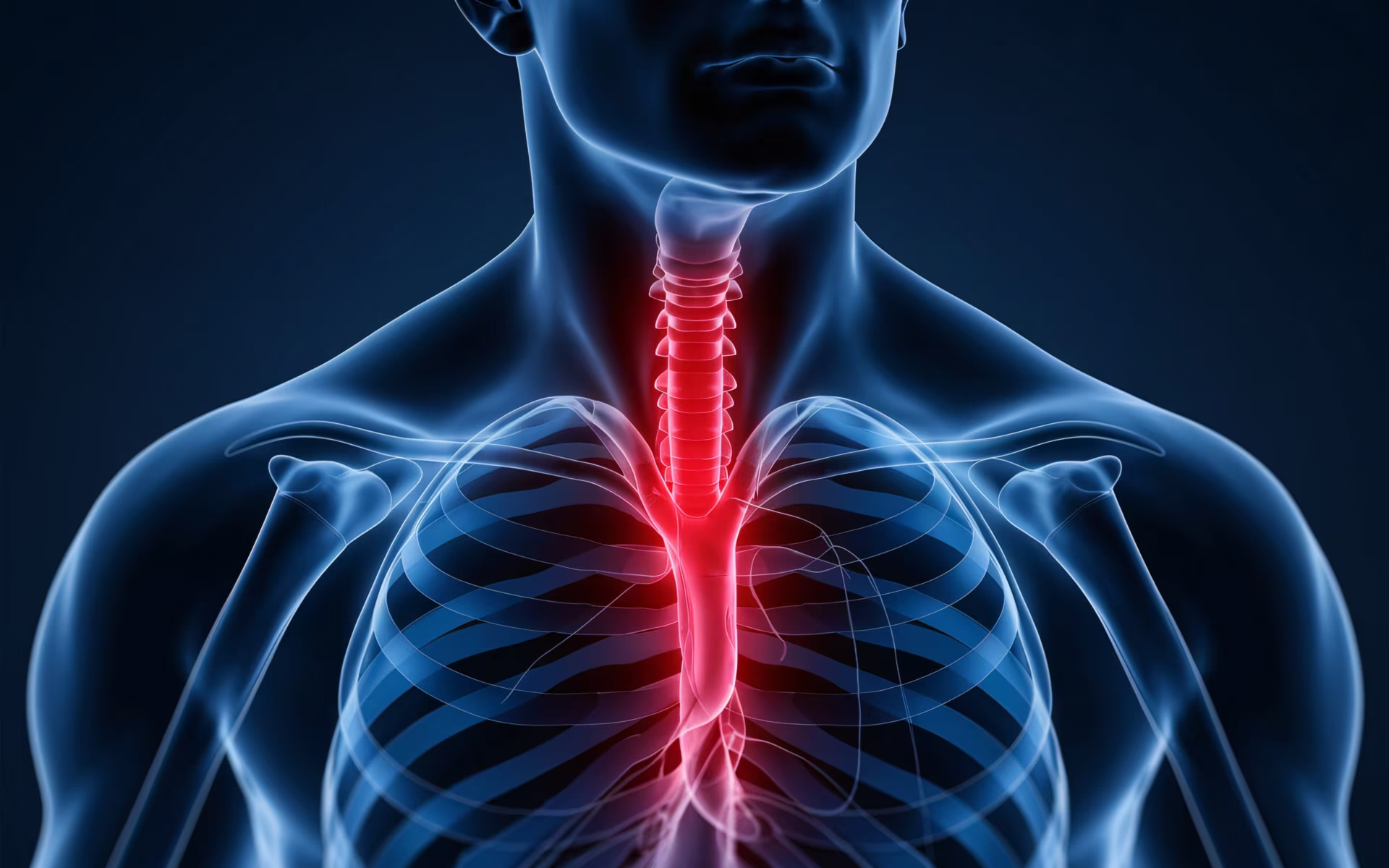
Esophageal cancer (EC) is a major global health concern, ranking as the 11th most commonly diagnosed cancer and the seventh leading cause of cancer-related deaths worldwide, with an estimated 494,320 new cases and 441,994 deaths in 2024.1 Esophageal squamous cell carcinoma (ESCC) remains ...

Acute myeloid leukaemia (AML) is a heterogeneous haematologic cancer associated with clonal expansion of myeloid blasts in the bloodstream, bone marrow and other tissues. AML is associated with blasts expressing various complex molecular and cytogenetic alterations, which play an important ...

Bruton tyrosine kinase (BTK) plays a functional and integral role in B-cell receptor (BCR) signalling and is expressed in normal and malignant B cells. Given BTK’s central role in the survival and proliferation of malignant B cells, BTK inhibitors ...

At this year’s European Society for Blood and Marrow Transplantation (EBMT) meeting in Glasgow, Scotland, graft-versus-host disease (GVHD) emerged as a central topic of discussion. The conference featured a wealth of innovative research, with numerous abstracts presenting advances in the management of chronic and refractory GVHD, offering new hope for patients facing this challenging complication. Here we explore some of the most exciting abstracts presented.

Few alliances have impacted patient care as significantly as the Myeloproliferative Neoplasms Research Consortium (MPN-RC). Established in 2006, the MPN-RC is an international group dedicated to advancing research and developing innovative treatment strategies for myeloproliferative neoplasms. In this episode, we speak with Prof. John Mascarenhas, about the coalition's founding, operational mechanics and how their efforts have led to paradigm-shifting therapies in the field.
The open-label, single-arm phase Ib/II Felix study (NCT04404660) investigated obecabtagene autoleucel (obe-cel, AUTO1), a novel anti-CD19 autologous CAR-T cell therapy, in adults with relapsed/refractory B-cell acute lymphoblastic leukemia. The results suggest that obe-cel can provide long-term remission without necessarily needing a transplant. touchONCOLOGY spoke with editorial board member, Elias Jabbour (MD Anderson Cancer Center, Houston, TX, USA), who summarized the key take-home messages from his presentation at ASCO 2024. Dr Jabbour also discussed the findings from the ASC4FIRST trial (NCT04971226).

The randomized phase III PERSEUS trial (NCT03710603) investigated daratumumab in combination with bortezomib, lenalidomide, and dexamethasone (VRd) compared with VRd and lenalidomide alone in patients with transplant-eligible newly diagnosed multiple myeloma (NDMM). Daratumumab, a CD38 monoclonal antibody, is currently approved ...
Mutations of the β-globin gene (HBB) cause sickle cell disease and β-thalassaemia, collectively named the β-haemoglobinopathies. As mankind’s most common severe genetic diseases, where they are most prevalent, public health systems can be stressed.1–3 Asymptomatic heterozygous carriers are protected ...
The optimal maintenance approach postautologous stem cell transplantation (ASCT) for patients with multiple myeloma is still an area of ongoing research. Lenalidomide has demonstrated clear superiority in clinical trials compared to placebo, and continuous post-transplant lenalidomide until progression is considered ...
Acute myeloid leukaemia (AML) is a heterogeneous haematological malignancy characterized by the presence of ≥20% blasts in bone marrow or peripheral blood or the presence of defined genetic abnormalities.1 In 2020, there were an estimated 21,450 new patients with AML and 11,180 AML-related deaths ...
Treatment options for myeloma have rapidly expanded in the past decade and, as with many cancers, the number of oral drug options has increased considerably. Given the more limited number of cancer hospitals, patients often must travel considerable distance to ...
Multiple myeloma (MM) remains largely an incurable disease with only a small percentage of patients achieving long-term remission.1 Here, we highlight some of the major studies on MM presented at the American Society of Hematology meeting in December 2021. Monoclonal gammopathy ...

Welcome to the winter edition of touchREVIEWS in Oncology & Haematology. Despite the continued impact of the COVID-19 pandemic on cancer care, 2021 has seen important advances in many areas of oncology, which is reflected in our diverse range of articles. ...

Immunoglobulin light chain (AL) amyloidosis is the most common type of systemic amyloidosis, a spectrum of diseases induced by misfolded proteins that generate insoluble amyloid fibrils and deposits in various organs. The precursor protein in AL amyloidosis is a toxic, ...
Paroxysmal nocturnal haemoglobinuria (PNH) is a rare, chronic haematological illness. The condition presents on a background of bone marrow failure, and affected individuals can experience an array of symptoms due to chronic haemolysis, as well as episodes of acute haemolysis ...
Allogeneic haematopoietic stem cell transplant (allo-HSCT) remains a potential curative therapeutic option for patients with refractory/relapsed Hodgkin lymphoma (HL) in whom an autologous peripheral blood stem-cell transplantation (PBSCT) has failed. This is explained by the additional benefit of a ...
Log into your Touch Account
Keep track of your clinical interests and newsletter subscriptions.
Sign up with an Email
Or use a .
Register now for FREE access
Already registered? Login below.
