
Search Results
104 Results Found for “tumor biomarkers”

How might new treatment combinations and emerging biomarkers inform bladder cancer management? Five studies selected from ESMO 2026 address this question across different disease settings: VOLGA, KEYNOTE-B15/EV-304, ENERGIZE, KEYNOTE-866 and POTOMAC. Their findings examine perioperative treatment intensification, the potential of circulating tumor DNA (ctDNA) to characterize treatment response and the addition of immunotherapy to bacillus Calmette–Guérin (BCG) in high-risk non-muscle-invasive disease.

Gastrointestinal (GI) cancers constitute a major contributor to global cancer incidence and mortality and remain among the leading causes of cancer-related death worldwide despite advances in prevention, screening and supportive care.1,2 Collectively encompassing malignancies of the esophagus, stomach, liver, biliary ...
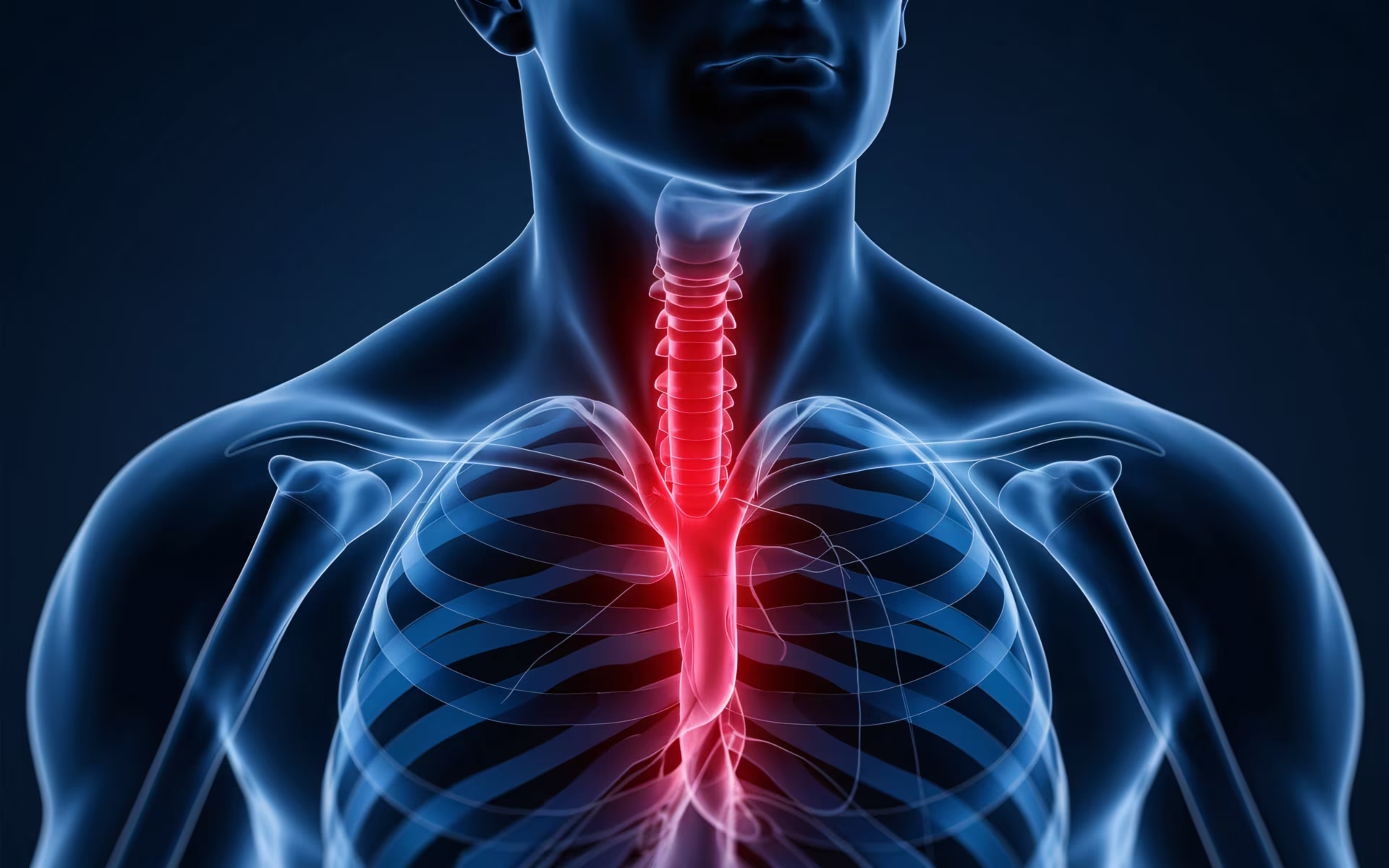
Esophageal cancer (EC) is a major global health concern, ranking as the 11th most commonly diagnosed cancer and the seventh leading cause of cancer-related deaths worldwide, with an estimated 494,320 new cases and 441,994 deaths in 2024.1 Esophageal squamous cell carcinoma (ESCC) remains ...
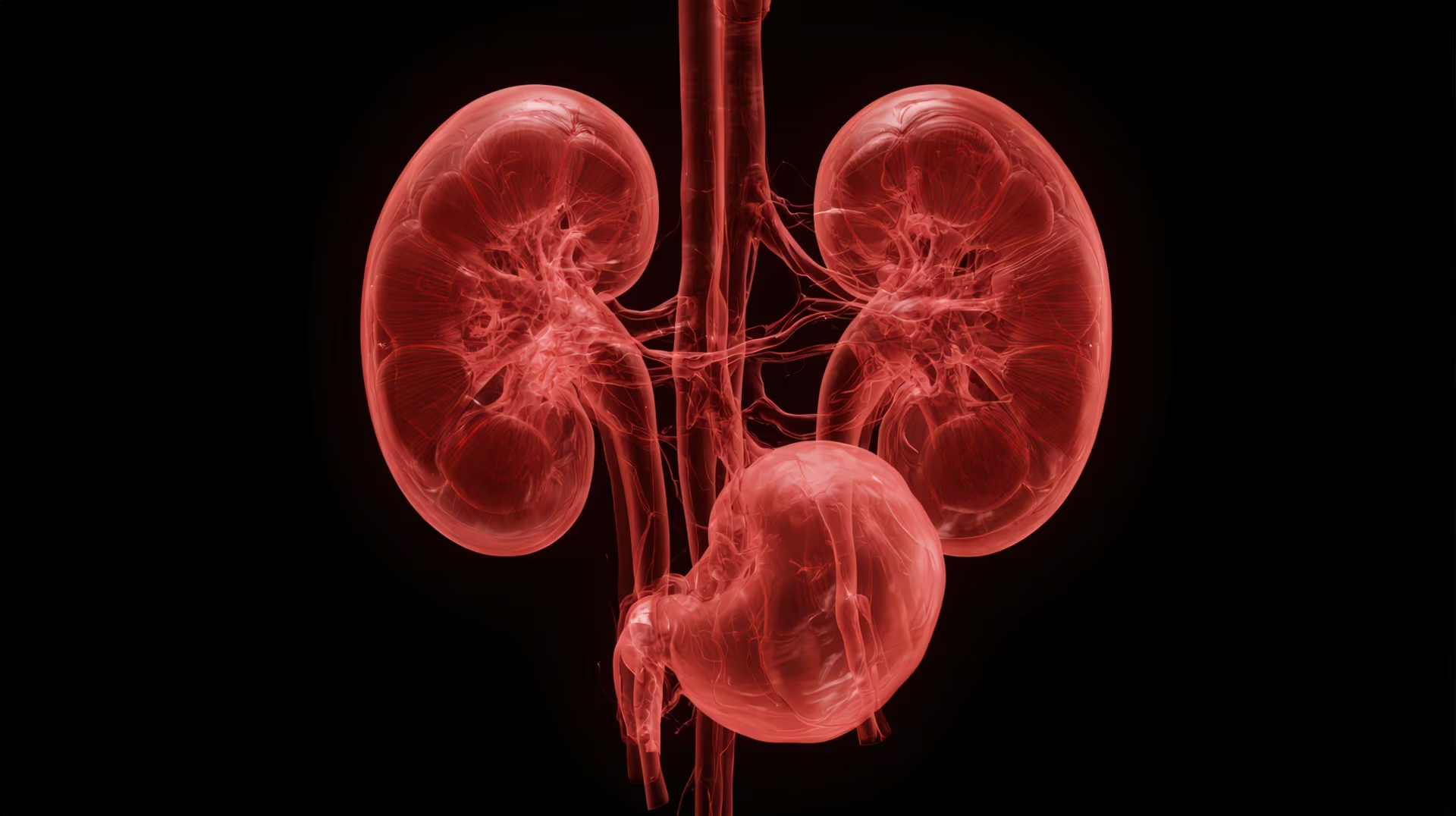
Urothelial carcinoma (UC) is the 11th most common cancer in the UK, with approximately 11,000 new bladder cancer diagnoses annually.1 Globally, bladder cancer accounts for approximately 635,000 new diagnoses and 228,000 deaths annually, based on the latest GLOBOCAN estimates for 2024.2 Bladder cancer constitutes ...
Choosing the appropriate adjuvant therapy in patients with melanoma undergoing neoadjuvant treatment
This article examines current evidence supporting the use of neoadjuvant immunotherapy in patients with resectable macroscopic stage III melanoma and critically discusses the selection of appropriate adjuvant therapy following surgery. It is written in the context of emerging evidence from ...
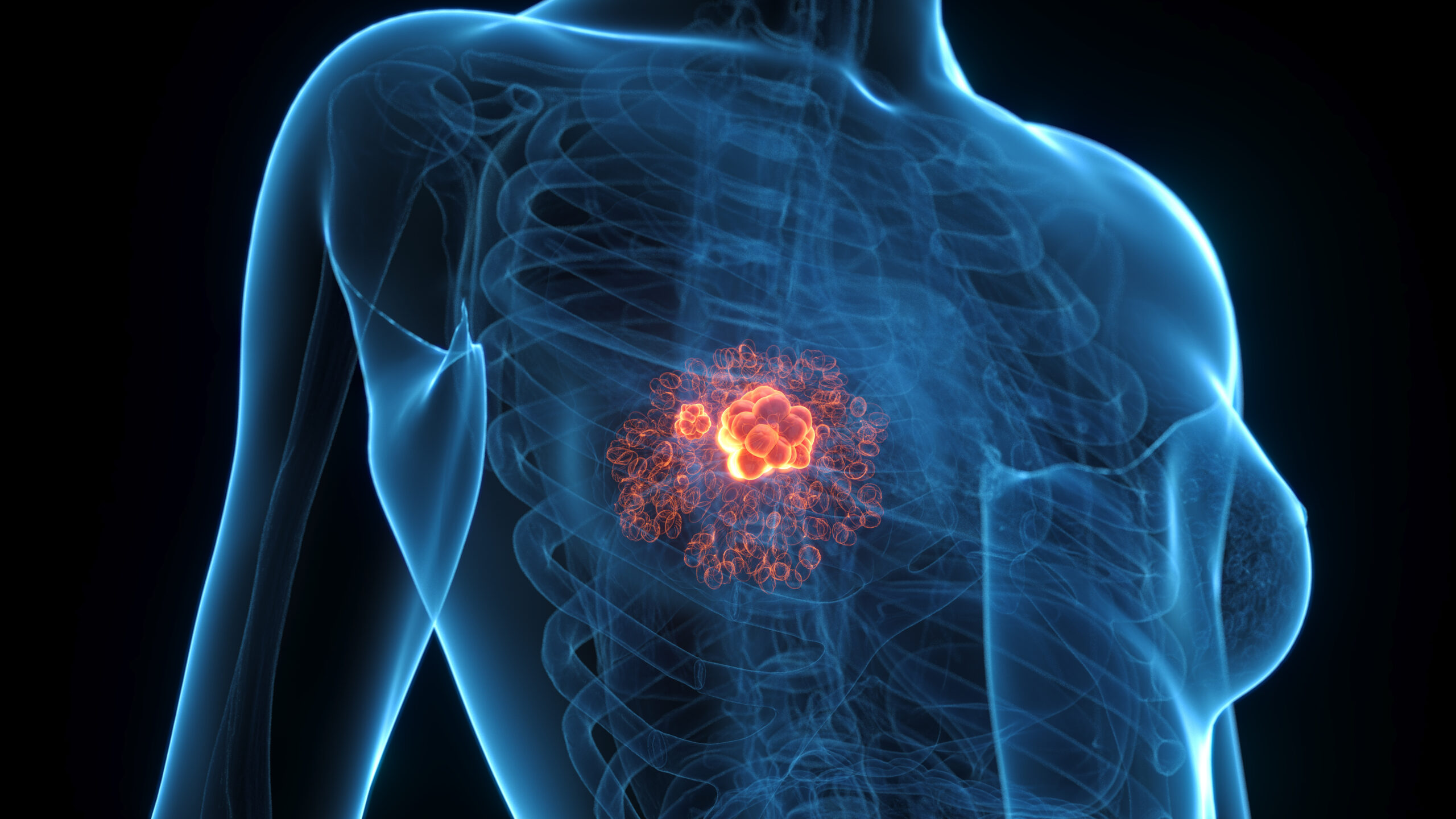
Circulating tumor DNA (ctDNA) has emerged as an innovative and minimally invasive tool in precision oncology. With a short half-life of 30–120 min, ctDNA provides real-time insight into tumor dynamics.1 In early-stage breast cancer, there is growing evidence supporting its potential ...

Abderrahim Oussalah discusses findings from the SEPT9_CROSS study evaluating circulating methylated SEPT9 as a blood-based biomarker for HCC detection in cirrhosis. “These findings support a two-tier surveillance framework in which mSEPT9 and AFP work together to improve both the ...

The 38th Annual Congress of the European Association of Nuclear Medicine (EANM) in Barcelona brought together over 9,400 participants, marking a major milestone. The meeting highlighted major advances in oncologic imaging and theranostics, with a strong emphasis on precision medicine and combination treatment strategies. Across plenary sessions, debates, and late-breaking discussions, the meeting underscored how nuclear medicine is increasingly central to cancer diagnosis, treatment selection, and therapeutic delivery.
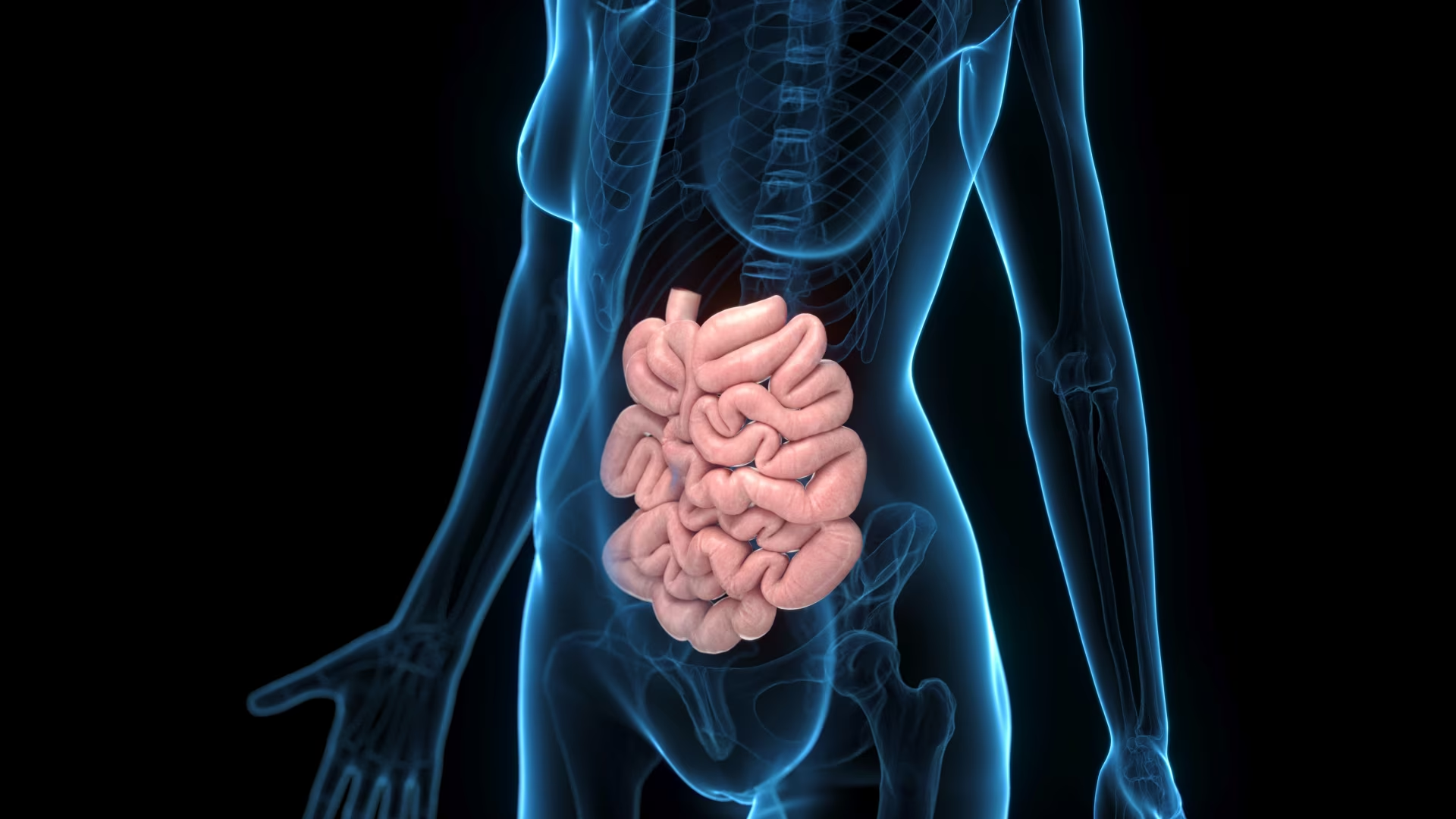
Small bowel adenocarcinoma (SBA) is a rare gastrointestinal malignancy, accounting for about 1–3% of gastrointestinal cancers.1,2 Its reported incidence has increased in recent decades, likely reflecting improved detection by balloon-assisted and capsule endoscopy and the more widespread use of cross-sectional imaging.3,4 ...

The 15th European Breast Cancer Conference (EBCC15) showcased a wave of research poised to reshape breast cancer care. Below, we spotlight the key highlights from this year’s conference.

Emerging strategies in head and neck cancer focus on personalizing therapy and reducing toxicity. ctDNA-guided chemotherapy with pembrolizumab in recurrent HNSCC achieved a 73% response rate, while ozuriftamab vedotin showed promising activity in pretreated HPV-positive OPSCC. Long-term results from the Quarterback trials indicate that reduced-dose chemoradiation after induction chemotherapy maintains durable control in selected patients. These findings support further exploration of molecular-guided, targeted, and de-escalated approaches to optimize outcomes.

“ESMO 2025 felt like a true turning point in breast cancer care” At the European Society for Medical Oncology (ESMO) 2025 congress, the landscape of early and advanced breast cancer management was powerfully reshaped, with new data spanning hormone-receptor positive (HR+), human ...

Dr Domenica Lorusso reviews key ovarian cancer studies from ASCO 2025, including new data on immunotherapy combinations, survival benefit in platinum-resistant disease, and surgical outcomes in newly diagnosed patients. While not practice-changing, the results add to the evidence base and may guide more tailored decision-making in clinical practice.

Head and neck cancer (HNC), with over 946,000 new cases and 482,000 deaths in 2022, is the seventh most common cause of cancer-related deaths globally.1 Specifically, in the USA, the number of estimated new cases in 2024 was 74,000.2 Head and neck squamous cell carcinoma (...

“The patient always comes first – that lesson guides every decision I make” Dr Ari Rosenberg (University of Chicago Medicine, Chicago, IL, USA) specializes in the treatment of head and neck cancer, salivary gland cancer and thyroid cancer. His particular ...

Despite being considered a rare type of malignancy, constituting only 3% of all gastrointestinal cancers, the incidence of biliary tract cancers (BTCs) has been increasing worldwide in recent years, with about 20,000 new cases annually only in the USA.1–3 These cancers arise ...

World Cancer Day is a campaign run by the Union for International Cancer Control (UICC). It is observed annually on February 4th, and unites the world in the fight against cancer. The theme for 2025–27, "United by Unique", highlights the individual ...

Highlights Immunotherapy, especially combinatory immunotherapy, has shown promise with prolonged survival for patients with advanced mesothelioma in the first-line setting (see the sections on ‘Systemic treatment and immunotherapy debut’ and ‘Randomized immunotherapy trials of mesothelioma’). Histology-based therapy is important to ...
Log into your Touch Account
Keep track of your clinical interests and newsletter subscriptions.
Sign up with an Email
Or use a .
Register now for FREE access
Already registered? Login below.
