
Search Results
16 Results Found for “upper tract urothelial carcinoma”

It is with great pleasure that we present the latest edition of touchREVIEWS in Oncology & Haematology. This issue reflects the growing momentum of precision oncology, from liquid biopsy and response-adapted strategies to antibody–drug conjugates (ADCs) and immune-based therapies, ...
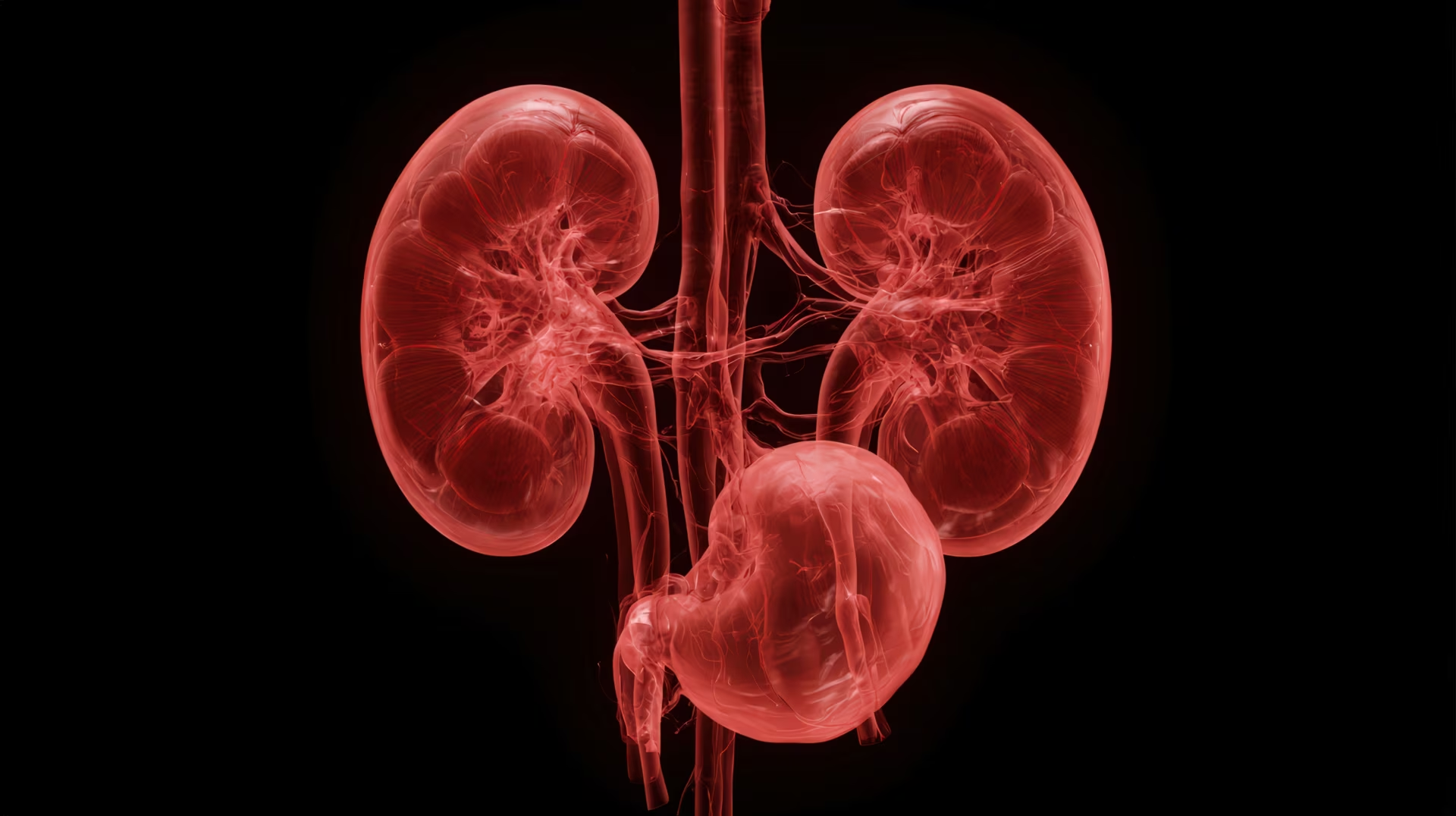
Urothelial carcinoma (UC) is the 11th most common cancer in the UK, with approximately 11,000 new bladder cancer diagnoses annually.1 Globally, bladder cancer accounts for approximately 635,000 new diagnoses and 228,000 deaths annually, based on the latest GLOBOCAN estimates for 2024.2 Bladder cancer constitutes ...

At #EAU26, Professor Dickon Hayne presented early findings from the ZiPUP study. This is a phase I trial exploring a novel PET imaging approach in urothelial cancer. In this interview, he discusses the unmet need in staging, the study’s design and what the preliminary data might mean for clinical practice.
At the recent 2026 ASCO Genitourinary Cancers Symposium (ASCO GU26), Dr Jeannie Hoffman-Censits (The Sidney Kimmel Comprehensive Cancer Center, Johns Hopkins Medical Center, Baltimore, MD, USA) presented data from ECOG-ACRIN EA8192 cohort C, exploring a new approach for patients with high-grade (HG) upper tract urothelial carcinoma (UTUC) who are ineligible for cisplatin. With neoadjuvant options limited in this population, the trial assessed whether combining chemotherapy with immunotherapy could improve outcomes.
From breakthrough perioperative regimens to biomarker-driven precision therapy, ESMO 2025 unveiled practice-changing data in bladder cancer. Landmark trials like KEYNOTE-905, IMvigor011, and BladderPath are redefining standards across disease stages—offering new hope for cisplatin-ineligible patients, guiding adjuvant decisions through ctDNA, and streamlining diagnostics with MRI.
At ESMO25, Prof. Morgan Rouprêt discussed early results from the ALBAN trial, evaluating atezolizumab plus BCG in high-risk NMIBC. While event-free survival outcomes were neutral, the findings underscore the need for biomarker-driven treatment selection and personalized immunotherapy in early-stage bladder cancer.
Bladder cancer is one of the most common malignancies in the USA, with an estimated 81,180 new cases and 17,100 deaths in 2022.1 Advanced urothelial carcinoma (aUC) includes both locally advanced, unresectable and metastatic urothelial cancer. About 5% of all bladder cancer cases present ...
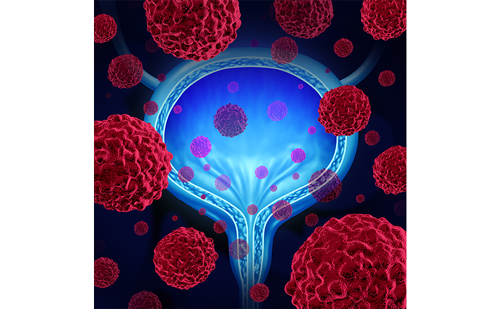
Bladder cancer (BC) is the sixth most common cancer in the world, accounting for 81,180 estimated new cases and 17,100 deaths in 2022.1 BC is most frequently diagnosed among people aged 65–74 years.1 For patients with disease limited to the bladder, the depth of ...

touchONCOLOGY joins Dr Alison Birtle (Consultant Oncologist and Honorary Senior Lecturer, Rosemere Cancer Centre, Lancashire Teaching Hospitals, Preston, UK) to discuss the updated primary and secondary analysis of the POUT trial in upper tract urothelial cancer (ClinicalTrials.gov Identifier: NCT01993979). ...
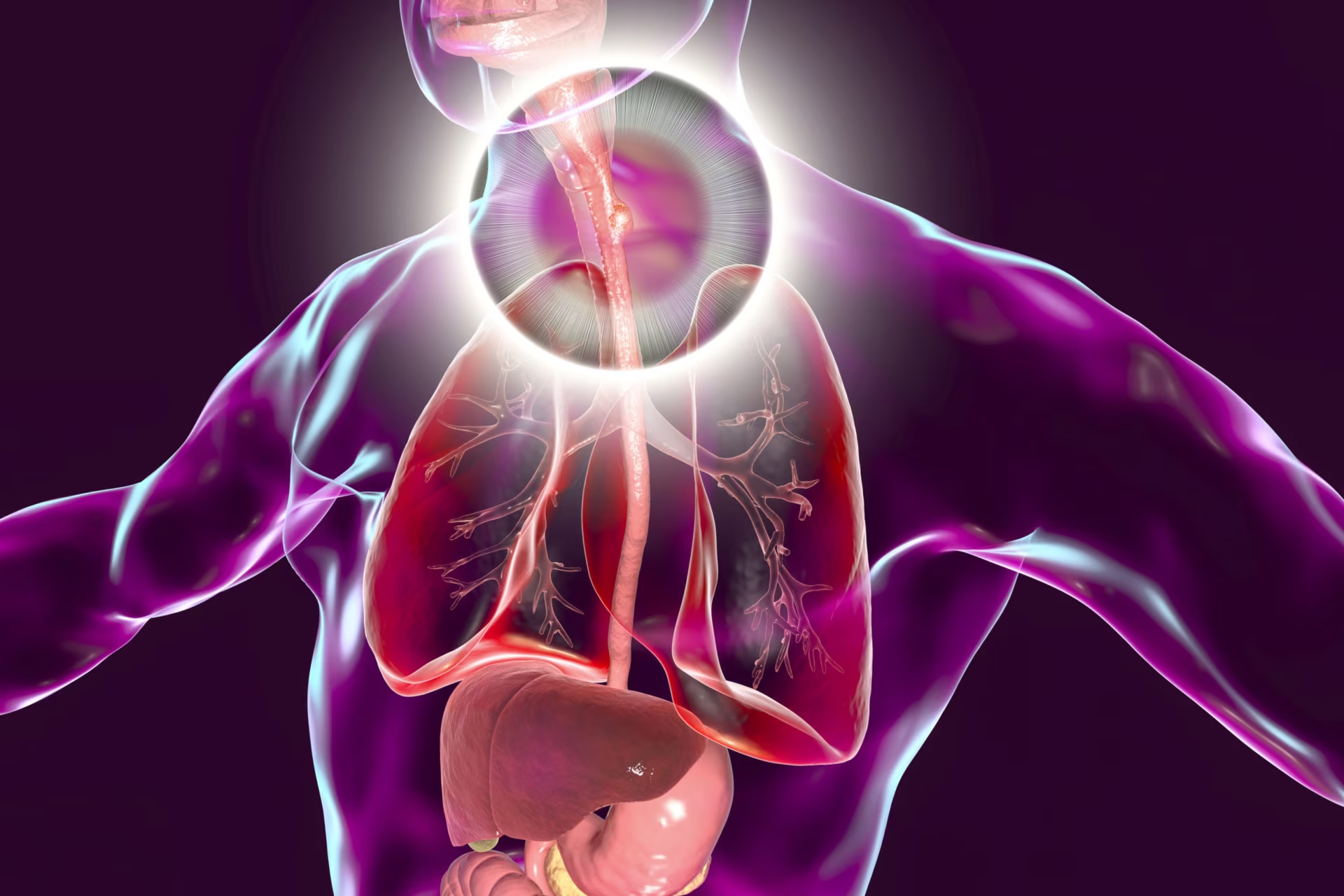
Esophageal cancer is the seventh most common malignancy and the sixth leading cause of death from cancer worldwide.1 The main histological subtypes are esophageal squamous cell carcinoma (ESCC) and esophageal adenocarcinoma. ESCC is the most common subtype, and the frequency ...
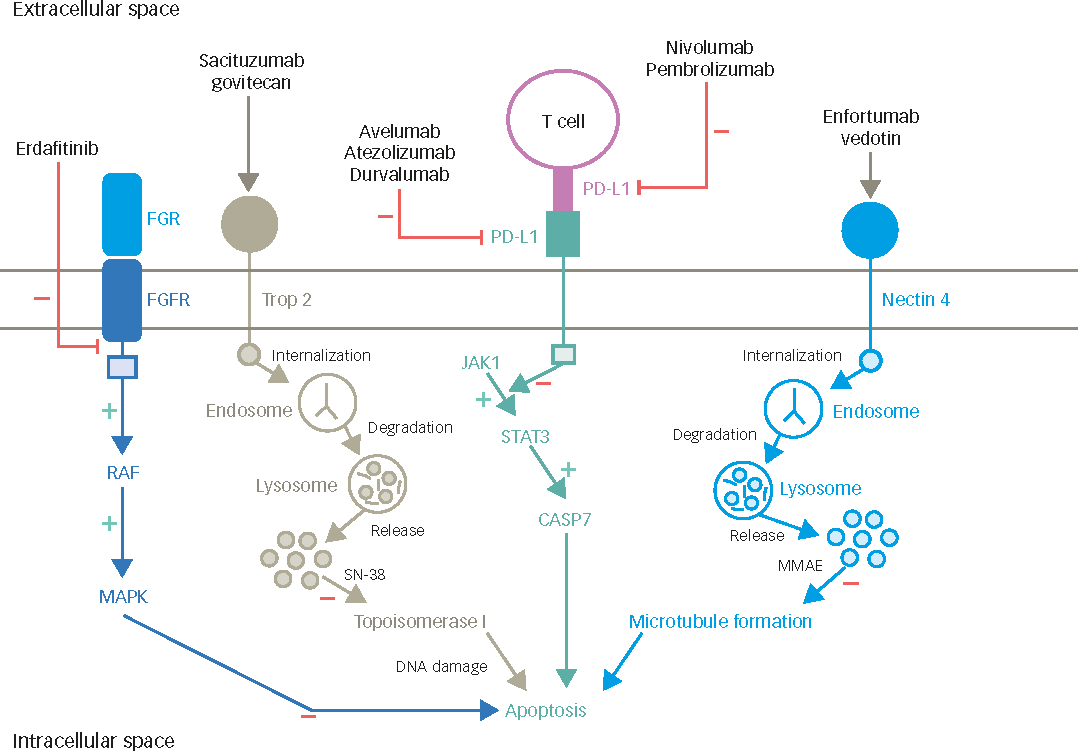
Urothelial carcinoma is the most common histologic type of bladder cancer in the USA and Europe, accounting for 90% of all bladder cancers. It is the sixth most common type of cancer diagnosed in the USA, and the 10th leading cause ...

We are joined by our Editor-in-Chief for European Oncology & Haematology, Axel S Merseburger, to discuss the recent results of the OLYMPUS trial, an ongoing, single-arm, multicenter trial enrolling 71 patients with treatment-naïve or recurrent low-grade non-invasive UTUC with at ...

With an estimated 549,000 new diagnoses and 200,000 deaths worldwide in 2018, bladder cancer is the tenth most common type of cancer in men and women.1 The most common type of bladder cancer in the Western world is uroepithelial carcinoma, which accounts for 90% ...
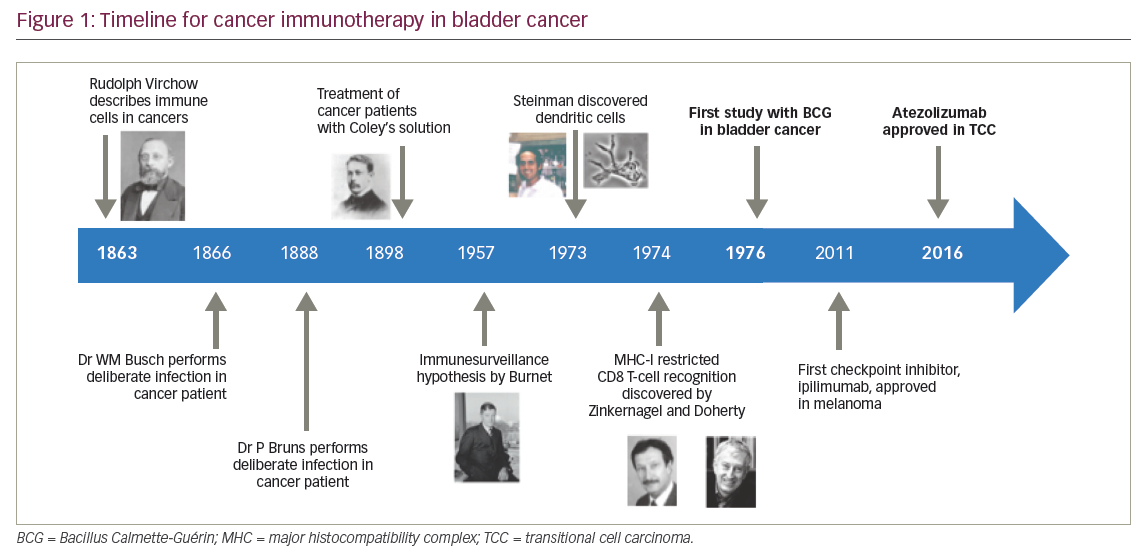
Bladder cancer is the ninth most common cancer worldwide, with an estimated 430,000 new cases and 165,000 deaths in 2012.1 More than 90% of bladder cancers are of urothelial cell origin and the remaining histological subtypes include either pure forms of histological variants, such ...

Overview of Registration Trials Data in Urothelial Carcinoma In total, 450 patients were treated in two phase II trials and one phase III trial that together formed the basis for the registration of vinflunine monotherapy in urothelial carcinoma patients after failure ...
An overview of evidence on use and development of cytotoxic and targeted agents in the second-line setting after failure of a platinum-based regimen will be presented below. Additional considerations on the possible role of immunotherapy in bladder cancer are also ...
Log into your Touch Account
Keep track of your clinical interests and newsletter subscriptions.
Sign up with an Email
Or use a .
Register now for FREE access
Already registered? Login below.
