
Search Results
141 Results Found for “young adult”

As EORTC enters a new chapter under the Presidency of Professor Benjamin Besse (Gustave Roussy Institute and Paris-Saclay University, Villejuif, France), the organization is looking to accelerate academic research while keeping patients and scientific independence at its core. In this detailed and in-depth Q&A, Prof Besse shares his priorities for EORTC, from supporting the next generation of investigators and broadening clinical trial populations, to giving greater weight to quality of life and patient perspectives. He also considers how emerging technologies, including artificial intelligence, could reshape the way cancer research is conducted.

At the 7th SIOP Europe Annual Meeting, emerging therapies, biological precision, and workforce development are all under the spotlight. Dr Daniela Di Carlo (Chair, Young SIOPE), reflects on where the field is heading, particularly CAR T-cell therapy and artificial intelligence, and what is needed to ensure that progress translates into real-world benefit for children with cancer.

Professor Pamela Kearns discusses the key points from her Plenary presentation on how the ITCC is expanding access to innovative therapies, harnessing precision data and reshaping Europe’s paediatric oncology clinical trial landscape. “We want to bring innovation directly to ...

The plenary session at the AACR Annual Meeting 2026 brought sharp focus to one of oncology’s most urgent challenges: the global rise in early-onset cancers. Across four complementary presentations, speakers combined epidemiology, molecular biology and clinical insight to frame a multifactorial, and still evolving, picture of risk in younger populations. Below, we have broken down the key points and take-home messages from the session.

Non-small cell lung cancer (NSCLC) remains the leading cause of cancer-related mortality worldwide.1 Over the past two decades, the molecular characterization of NSCLC has transformed the therapeutic landscape by enabling the development of targeted therapies that have significantly improved outcomes ...

Among glial tumours of the central nervous system (CNS), one of the most devastating is the category of H3K27-altered midline gliomas because of their uniform and rapid mortality, high neurological symptom burden and predilection for paediatric, adolescent and ...

Early-onset lung cancer is typically defined as occurring in individuals aged 18–50 years, although there is no universally accepted definition.1–3 This entity, though rare, poses unique diagnostic and therapeutic challenges. This article synthesizes current evidence on the unique features and management ...

Maya Davies, winner of the 2025 MASCC Young Investigator Award, is uncovering how cancer treatments disrupt the brain in childhood cancer patients. Her research highlights the role of the gut microbiota, blood-brain barrier, and inflammation in treatment-related toxicity, paving the way for more personalised and biologically informed supportive oncology.

Celia Díez de los Ríos de la Serna, MASCC 2025 President Training Fellow, advocates for integrating compassionate patient care with evidence-based science. She emphasizes survivorship research, equitable access, and multidisciplinary collaboration, envisioning a future where supportive oncology is valued as much as disease-focused treatment, improving both patient outcomes and quality of life.

As SIOG celebrates its 25th anniversary, Prof. Dr. Lore Decoster highlights how this year’s meeting in Ghent will focus on translating research into better daily care for older adults with cancer. With global care models, tumor-specific insights, and a strong call for collaboration, it promises to be a pivotal event.
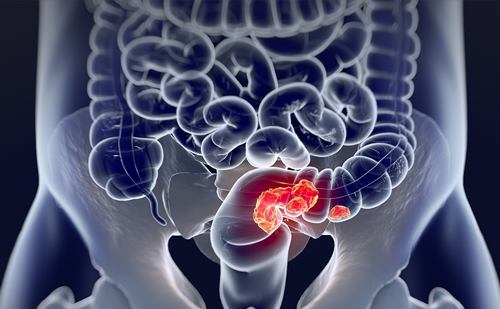
Project Cure CRC, the dynamic research initiative by the leading nonprofit Colorectal Cancer Alliance (Alliance), has awarded five new grants to advance urgent science in the colorectal cancer (CRC) space. To date, Project Cure CRC has received more than 400 research proposals and has invested almost $12 million in innovative colorectal cancer studies, with 29 grants funded. Project Cure CRC aims to accelerate and advance cutting-edge treatments to improve patient outcomes. As the largest nonprofit dedicated to ending this disease, the Alliance is prioritizing the initiative to help fill gaps from recent research funding cuts in the U.S.

"I draw inspiration from the resilience of our patients, whose courage in the face of adversity reminds me of the purpose behind the work we do" Dr Jemma Arakelyan’s (The University of Hong Kong, Pokfulam, Hong Kong) journey into ...
Dr Elene Mariamidze (Todua Clinic, Tbilisi) has built a career shaped by diverse mentorship and a commitment to patient-centered oncology. She reflects on invaluable lessons from global experts, the future of oncology, and practical advice for aspiring oncologists entering this challenging yet rewarding field.


Cancer is a leading cause of death worldwide and represents a growing major public health problem. Every year on February 4, World Cancer Day serves as a global initiative to raise awareness, promote education, and drive action in the fight against ...
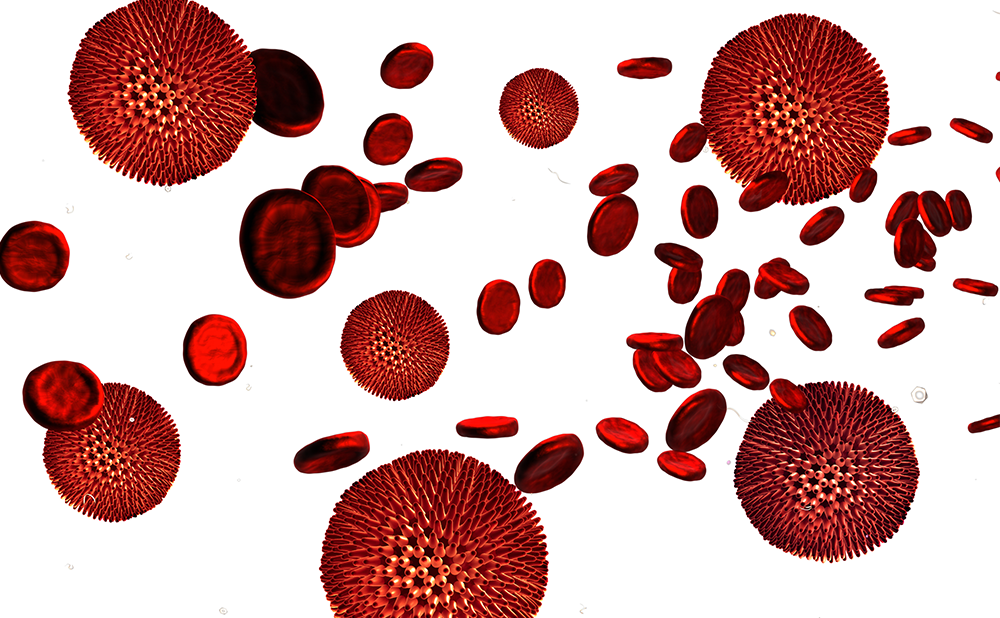
Mutations of the β-globin gene (HBB) cause sickle cell disease and β-thalassaemia, collectively named the β-haemoglobinopathies. As mankind’s most common severe genetic diseases, where they are most prevalent, public health systems can be stressed.1–3 Asymptomatic heterozygous carriers are protected ...

Severe haemophilia A (HA), defined as baseline factor VIII (FVIII) levels of <1%, results in traumatic and spontaneous bleeding episodes, which occur primarily in the joints, in addition to the muscles, soft tissue and the central nervous system. Prophylactic treatment ...
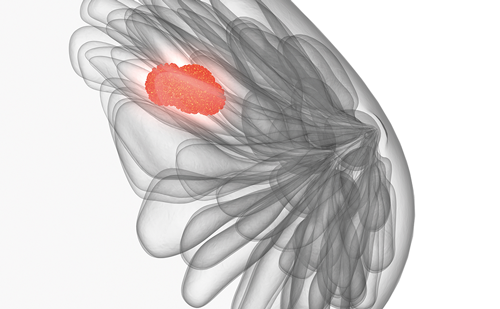
Breast cancer is the leading cause of cancer death in Hispanic women in the USA. According to the American Cancer Society, as many as one in nine Hispanic women will develop invasive breast cancer during their lifetime and one in 49 ...
Log into your Touch Account
Keep track of your clinical interests and newsletter subscriptions.
Sign up with an Email
Or use a .
Register now for FREE access
Already registered? Login below.
