
Search Results
12 Results Found for “Amivantamab”

Dr Igor Gómez-Randulfe Rodríguez examines four studies from WCLC 2026 that could influence the evolving management of small-cell lung cancer and molecularly defined non-small-cell lung cancer, from B7-H3 antibody-drug conjugates and MRI surveillance to emerging therapies targeting EGFR exon 20 insertions and ROS1.

The 2026 World Conference on Lung Cancer delivered several results with the potential to change clinical practice. My main takeaway was the speed at which effective options are multiplying in both small-cell lung cancer and molecularly defined non-small-cell lung cancer. The immediate advance is welcome, but it also makes treatment selection more complex: mature survival, intracranial control, toxicity, sequencing and access will increasingly matter as much as response rate or progression-free survival.

ASCO 2026 showed that thoracic oncology is moving beyond promising signals and increasingly closer to practice-changing evidence across multiple fields — from bispecific antibodies and ADC-based combinations to targeted therapy in both metastatic and peri-operative settings. In this piece, Dr Federico Monaca breaks down eight major abstracts from ASCO26, highlighting their take-aways and considering their potential relevance for clinical practice.

2025 has brought exciting developments in oncology, with groundbreaking research and real-world progress showcased at ASCO, ESMO, EHA, ASH and many more leading conferences around the world. We asked our key faculty to share what they believe has been most impactful so far this year – here’s what they told us.
At WCLC 2025, final FLAURA2 results revealed that osimertinib plus chemotherapy significantly improves overall survival in EGFR-mutant advanced non-small cell lung cancer (NSCLC), extending median survival to nearly four years. Experts stress the practice-changing impact, while highlighting the importance of tailoring treatment to patient fitness, comorbidities, and individual goals.

We are delighted to present the latest edition of touchREVIEWS in Oncology & Haematology. This issue underscores the evolving landscape of cancer therapeutics, showcasing advances across a wide range of malignancies, from haematologic diseases to solid tumours, through novel mechanisms, ...

Lung cancer is the second most common type of cancer worldwide and in the USA, with its incidence varying depending on geographic and socioeconomic factors.1–3 According to data from the Global Cancer Observatory: Cancer Incidence, Mortality and Prevalence (GLOBACAN) database, ...

Welcome to the latest issue of touchREVIEWS in Oncology & Haematology. We are honoured to present a series of compelling articles that reflect cutting-edge developments and diverse perspectives in this ever-evolving field. This issue includes a series of editorials and ...
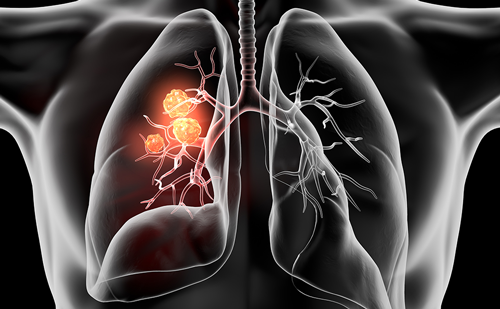
Unmet clinical needs for patients with advanced epidermal growth factor receptor-mutated non–small-cell lung cancer Epidermal growth factor receptor (EGFR)-tyrosine kinase inhibitors (TKIs) have become the standard first-line therapy for patients with advanced non–small-cell lung cancer (NSCLC) harbouring ...

Dr Catherine Shu (Columbia University Irving Medical Center, New York, NY, USA) discusses the findings of the CHRYSALIS-2 study, which supports the use of amivantamab in certain groups of patients with advanced non-small-cell lung cancer (NSCLC) and represents a chemotherapy-free ...

Welcome to the inaugral issue of touchREVIEWS in Oncology & Haematology (formerly Oncology & Hematology Review [US]), which aims to summarize the latest clinical data and provide practical advice to help busy physicians in their daily practice. As co-editors-in-chief of ...
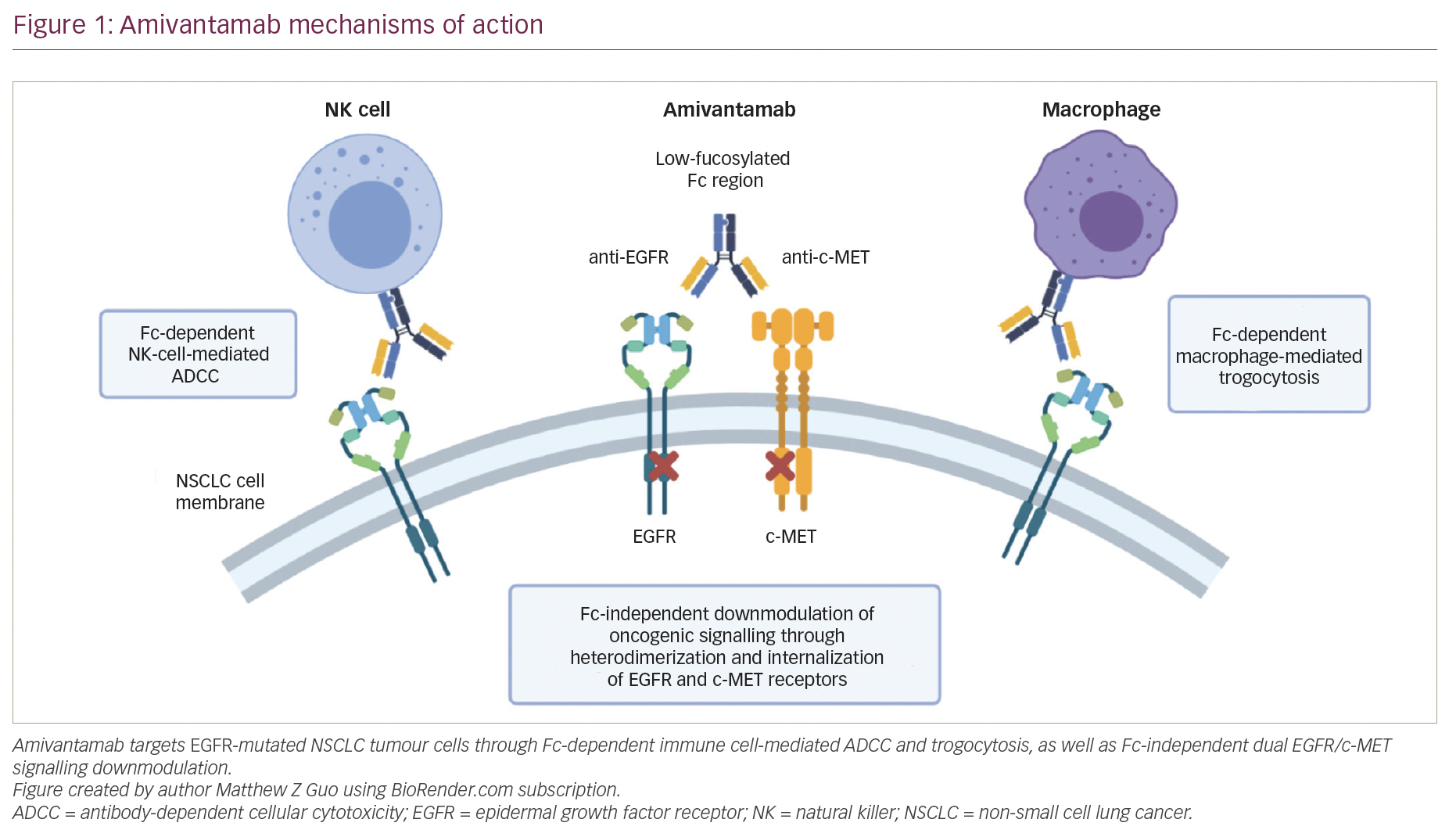
Cancer treatment has expanded rapidly in recent years as advancements in the fields of tumour biology and molecular diagnostics have informed the development of targeted therapies, improving survival in patients with oncogene-addicted cancers with therapeutically relevant molecular lesions. Osimertinib has ...
Log into your Touch Account
Keep track of your clinical interests and newsletter subscriptions.
Sign up with an Email
Or use a .
Register now for FREE access
Already registered? Login below.
