
Search Results
945 Results Found for “Anal cancer”

ESMO 2026 brought new evidence across early and advanced breast cancer, with important updates on endocrine-based treatment, targeted therapies and ADCs. The selected studies examine several key questions in clinical practice, including the long-term benefits of adjuvant treatment, therapeutic options following progression on CDK4/6 inhibitors and the potential of emerging ADCs to improve outcomes in advanced disease.

At European Society for Medical Oncology (ESMO) Congress 2026, new data from VOLGA, KEYNOTE-B15, ENERGIZE, KEYNOTE-866 and POTOMAC examine perioperative treatment combinations, circulating tumor DNA (ctDNA) and bladder-preserving strategies across muscle-invasive and non-muscle-invasive bladder cancer.
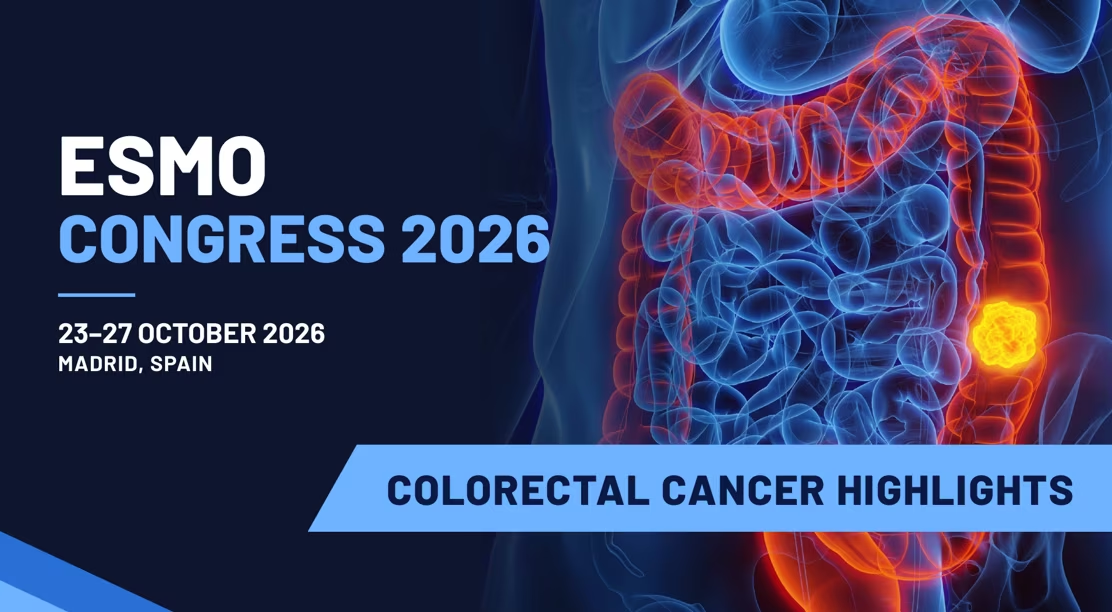
What are the most important developments in lower gastrointestinal oncology from ESMO 2026? Five selected studies examine key questions across locally advanced rectal cancer and metastatic and early-stage colorectal cancer. From the potential for immunotherapy to support organ preservation in dMMR/MSI-H rectal cancer, to longer-term survival outcomes with dual checkpoint inhibition and strategies to overcome acquired resistance to targeted therapy, these findings offer insights into evolving treatment approaches and their potential implications for clinical practice.

How might new treatment combinations and emerging biomarkers inform bladder cancer management? Five studies selected from ESMO 2026 address this question across different disease settings: VOLGA, KEYNOTE-B15/EV-304, ENERGIZE, KEYNOTE-866 and POTOMAC. Their findings examine perioperative treatment intensification, the potential of circulating tumor DNA (ctDNA) to characterize treatment response and the addition of immunotherapy to bacillus Calmette–Guérin (BCG) in high-risk non-muscle-invasive disease.

ESMO 2026 brought phase 3 data on an individualized mRNA-based therapy for resected melanoma, a histone deacetylase inhibitor combination for advanced melanoma, and updated survival results for adjuvant cemiplimab in cutaneous squamous cell carcinoma. Dr Rodrigo Munhoz selects the key abstracts shaping the melanoma and skin cancer landscape.
Diffuse large B-cell lymphoma (DLBCL) is the most common lymphoma in the USA and Western Europe.1,2 DLBCL is treated with curative intent given the aggressive nature of the disease. Rituximab (R), cyclophosphamide (C), doxorubicin (H), vincristine (O) and prednisone (P) (...

Gastrointestinal (GI) cancers constitute a major contributor to global cancer incidence and mortality and remain among the leading causes of cancer-related death worldwide despite advances in prevention, screening and supportive care.1,2 Collectively encompassing malignancies of the esophagus, stomach, liver, biliary ...

Which treatment strategies are improving outcomes in RCC, and where do investigational combinations stand? At ESMO 2026, six selected studies examined treatment approaches across first-line advanced disease, oligometastatic RCC and adjuvant therapy: LITESPARK-011, LITESPARK-012, the ivonescimab phase Ib/II study, PE-PE, SWOG S2200 and KEYNOTE-564. Together, these data offer insights into the evolving evidence base guiding treatment decisions across different RCC settings.

ESMO 2026, presented new findings across the prostate cancer treatment landscape, from intensifying treatment before and after surgery to improving outcomes in metastatic disease. This round-up examines five selected studies: DASL-HiCaP, the PROTEUS substudy, CAPItello-281, PEACE-1 and CCTG PR21. Together, the findings address treatment intensification in high-risk localized disease, targeted treatment for PTEN-deficient tumors, the durability of survival benefits with abiraterone and patient-reported quality of life with different treatments for mCRPC.

ESMO 2026 brought important developments in lung cancer, with new data spanning maintenance treatment for ES-SCLC, targeted therapies for molecularly defined NSCLC and ADCs in earlier and later treatment settings. Among the key findings were improved overall survival with maintenance tarlatamab plus durvalumab in DeLLphi-305, longer survival with divarasib in Krascendo 1 and promising results for sacituzumab tirumotecan in OptiTROP-Lung06 and OptiTROP-Lung04. SAFFRON also provided new evidence for biomarker-directed treatment following progression on osimertinib. Dr Gabriel Lenz reviews five key trials presented at ESMO 2026, highlighting the efficacy and safety findings, their potential clinical implications and the questions that remain.

ESMO 2026 put gynecological oncology in the spotlight, with new survival data, phase III trial results and emerging therapies bringing cervical, endometrial and ovarian cancer into focus. The key sessions examined the role of immunotherapy, ADCs and targeted agents across first-line and previously treated settings. The findings included improved PFS with pembrolizumab in dMMR endometrial cancer, OS results from randomized studies and early efficacy data for investigational treatments in recurrent ovarian cancer.
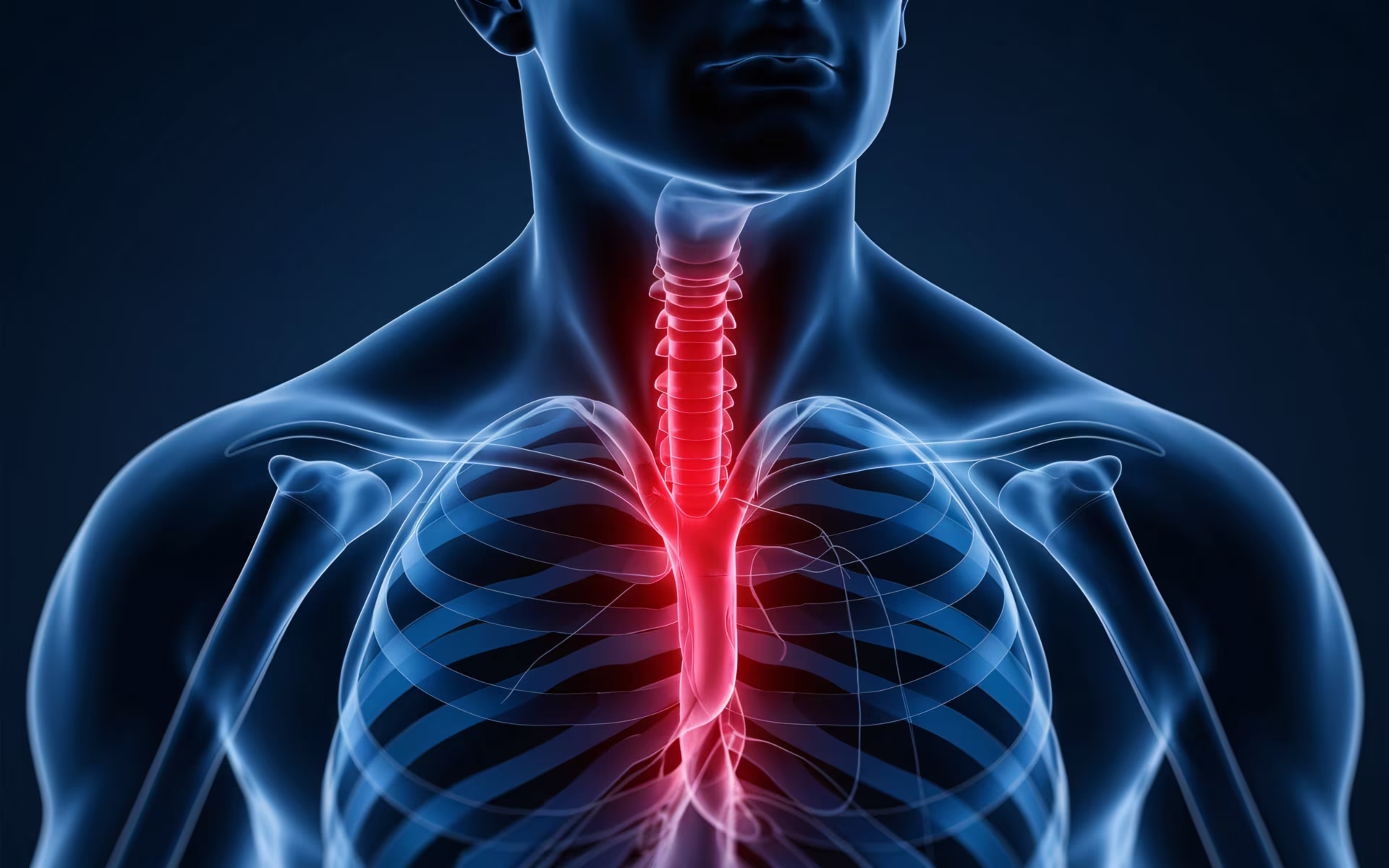
Esophageal cancer (EC) is a major global health concern, ranking as the 11th most commonly diagnosed cancer and the seventh leading cause of cancer-related deaths worldwide, with an estimated 494,320 new cases and 441,994 deaths in 2024.1 Esophageal squamous cell carcinoma (ESCC) remains ...

The microbiome has moved rapidly from an emerging area of cancer research towards a potential component of precision oncology. Yet despite compelling biological and observational evidence, important questions remain over how this knowledge should be translated safely into patient care.
Urothelial carcinoma (UC) is the 11th most common cancer in the UK, with approximately 11,000 new bladder cancer diagnoses annually.1 Globally, bladder cancer accounts for approximately 635,000 new diagnoses and 228,000 deaths annually, based on the latest GLOBOCAN estimates for 2024.2 Bladder cancer constitutes ...
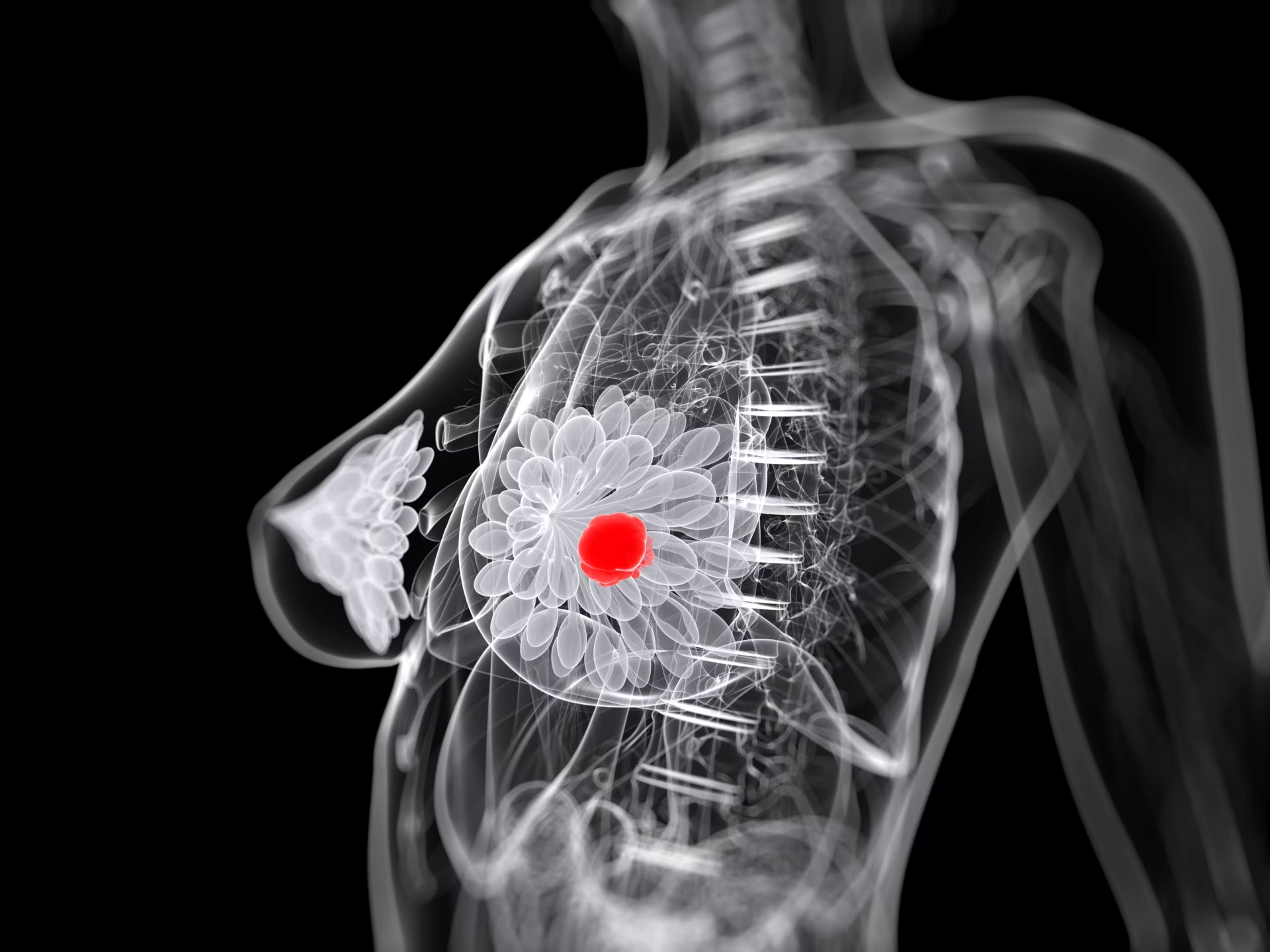
Metastatic triple-negative breast cancer (mTNBC) is a clinically heterogeneous disease, but compared with other breast cancer subtypes, triple-negative breast cancer (TNBC) is generally associated with a poorer prognosis and has historically had limited therapeutic options.1 The 5-year survival rate remains ...
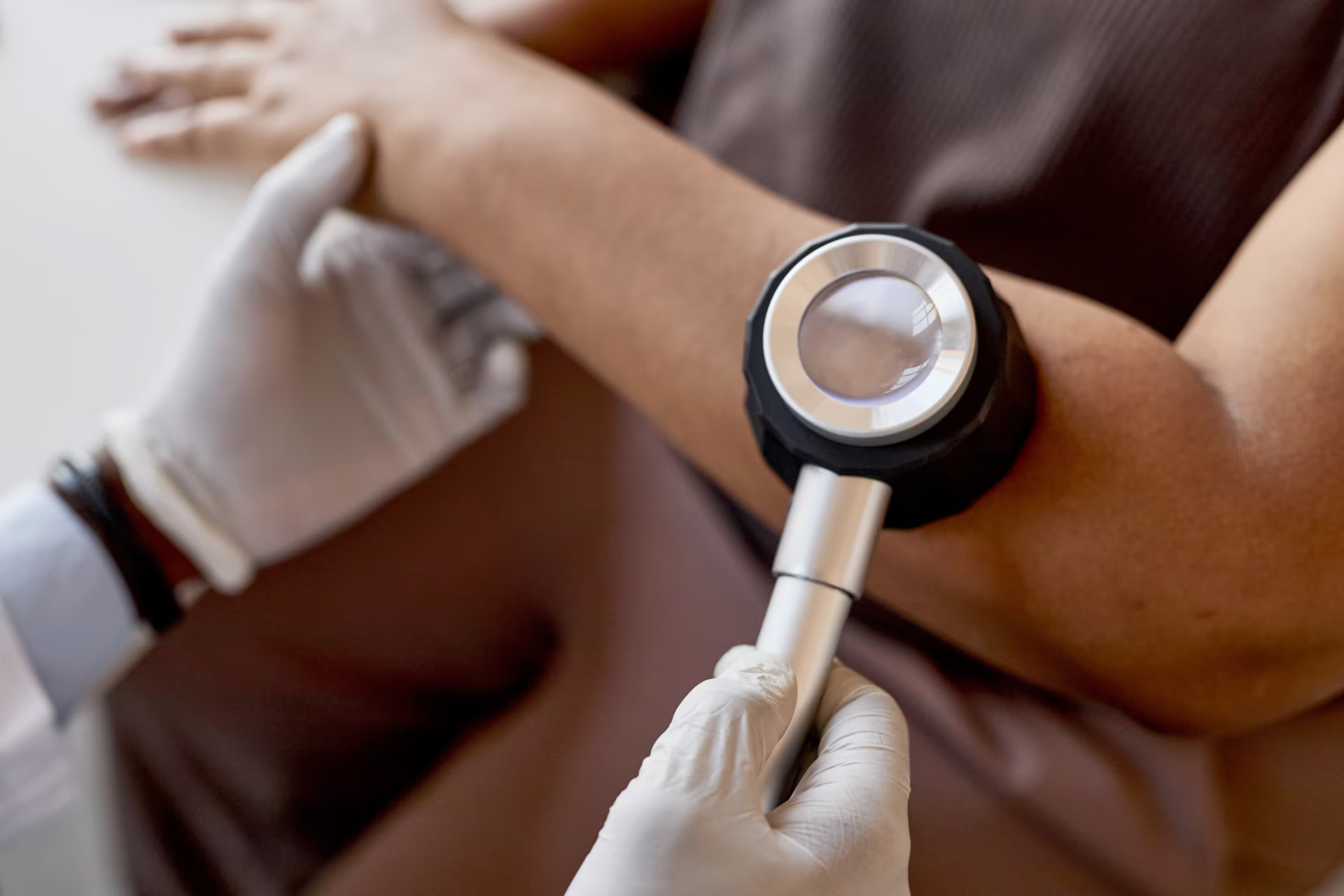
Choosing the appropriate adjuvant therapy in patients with melanoma undergoing neoadjuvant treatment
This article examines current evidence supporting the use of neoadjuvant immunotherapy in patients with resectable macroscopic stage III melanoma and critically discusses the selection of appropriate adjuvant therapy following surgery. It is written in the context of emerging evidence from ...

As EORTC enters a new chapter under the Presidency of Professor Benjamin Besse (Gustave Roussy Institute and Paris-Saclay University, Villejuif, France), the organization is looking to accelerate academic research while keeping patients and scientific independence at its core. In this detailed and in-depth Q&A, Prof Besse shares his priorities for EORTC, from supporting the next generation of investigators and broadening clinical trial populations, to giving greater weight to quality of life and patient perspectives. He also considers how emerging technologies, including artificial intelligence, could reshape the way cancer research is conducted.

Dr Igor Gómez-Randulfe Rodríguez examines four studies from WCLC 2026 that could influence the evolving management of small-cell lung cancer and molecularly defined non-small-cell lung cancer, from B7-H3 antibody-drug conjugates and MRI surveillance to emerging therapies targeting EGFR exon 20 insertions and ROS1.
Log into your Touch Account
Keep track of your clinical interests and newsletter subscriptions.
Sign up with an Email
Or use a .
Register now for FREE access
Already registered? Login below.
