
Search Results
1801 Results Found for “Cancer”
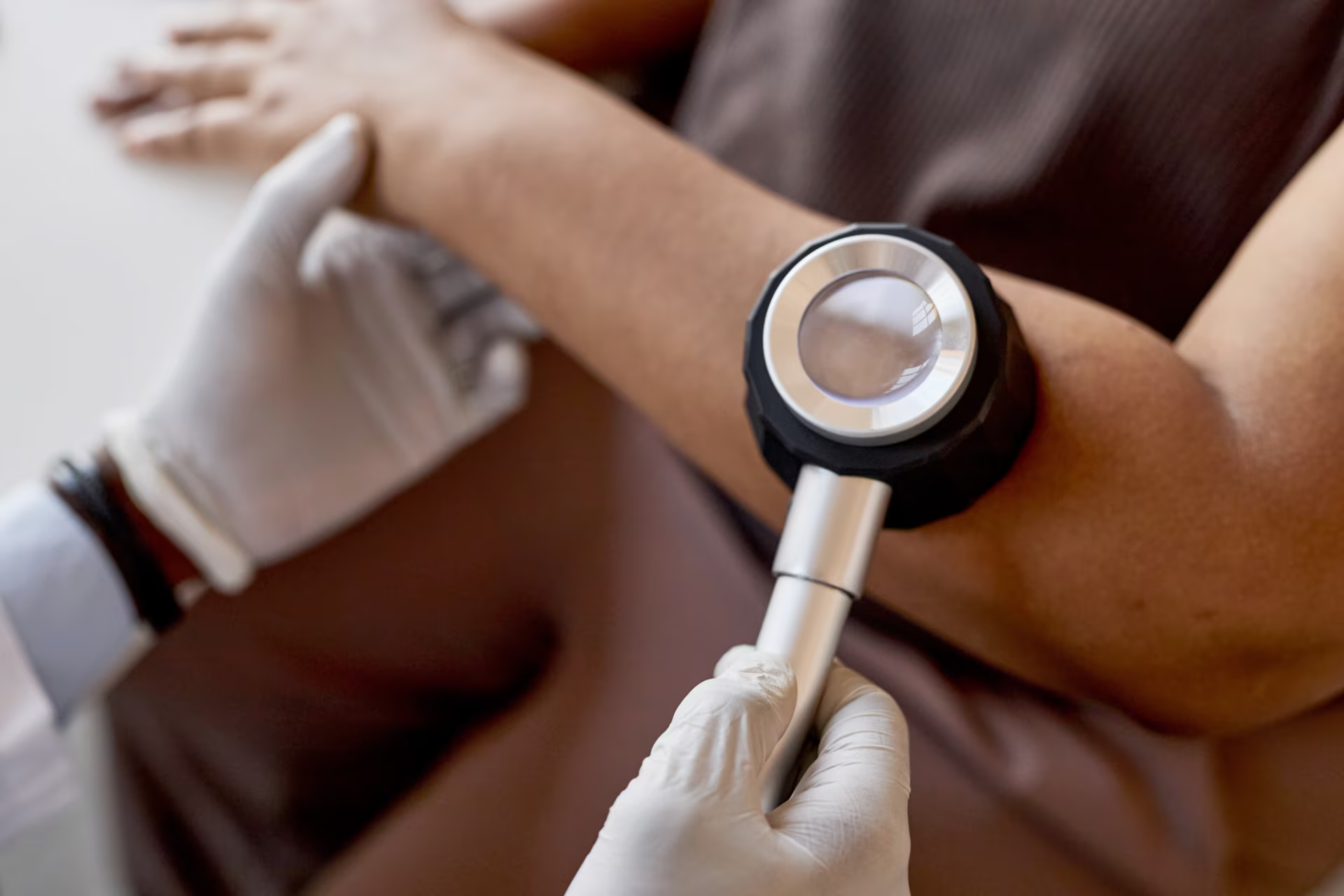
Choosing the appropriate adjuvant therapy in patients with melanoma undergoing neoadjuvant treatment
This article examines current evidence supporting the use of neoadjuvant immunotherapy in patients with resectable macroscopic stage III melanoma and critically discusses the selection of appropriate adjuvant therapy following surgery. It is written in the context of emerging evidence from ...

As EORTC enters a new chapter under the Presidency of Professor Benjamin Besse (Gustave Roussy Institute and Paris-Saclay University, Villejuif, France), the organization is looking to accelerate academic research while keeping patients and scientific independence at its core. In this detailed and in-depth Q&A, Prof Besse shares his priorities for EORTC, from supporting the next generation of investigators and broadening clinical trial populations, to giving greater weight to quality of life and patient perspectives. He also considers how emerging technologies, including artificial intelligence, could reshape the way cancer research is conducted.


Dr Igor Gómez-Randulfe Rodríguez examines four studies from WCLC 2026 that could influence the evolving management of small-cell lung cancer and molecularly defined non-small-cell lung cancer, from B7-H3 antibody-drug conjugates and MRI surveillance to emerging therapies targeting EGFR exon 20 insertions and ROS1.

The 2026 World Conference on Lung Cancer delivered several results with the potential to change clinical practice. My main takeaway was the speed at which effective options are multiplying in both small-cell lung cancer and molecularly defined non-small-cell lung cancer. The immediate advance is welcome, but it also makes treatment selection more complex: mature survival, intracranial control, toxicity, sequencing and access will increasingly matter as much as response rate or progression-free survival.

From AI and real-time toxicity monitoring to exercise and behavioural interventions, Prof Joanne Bowen explores the innovations reshaping supportive cancer care and outlines MASCC’s priorities for translating emerging evidence into meaningful improvements for patients.
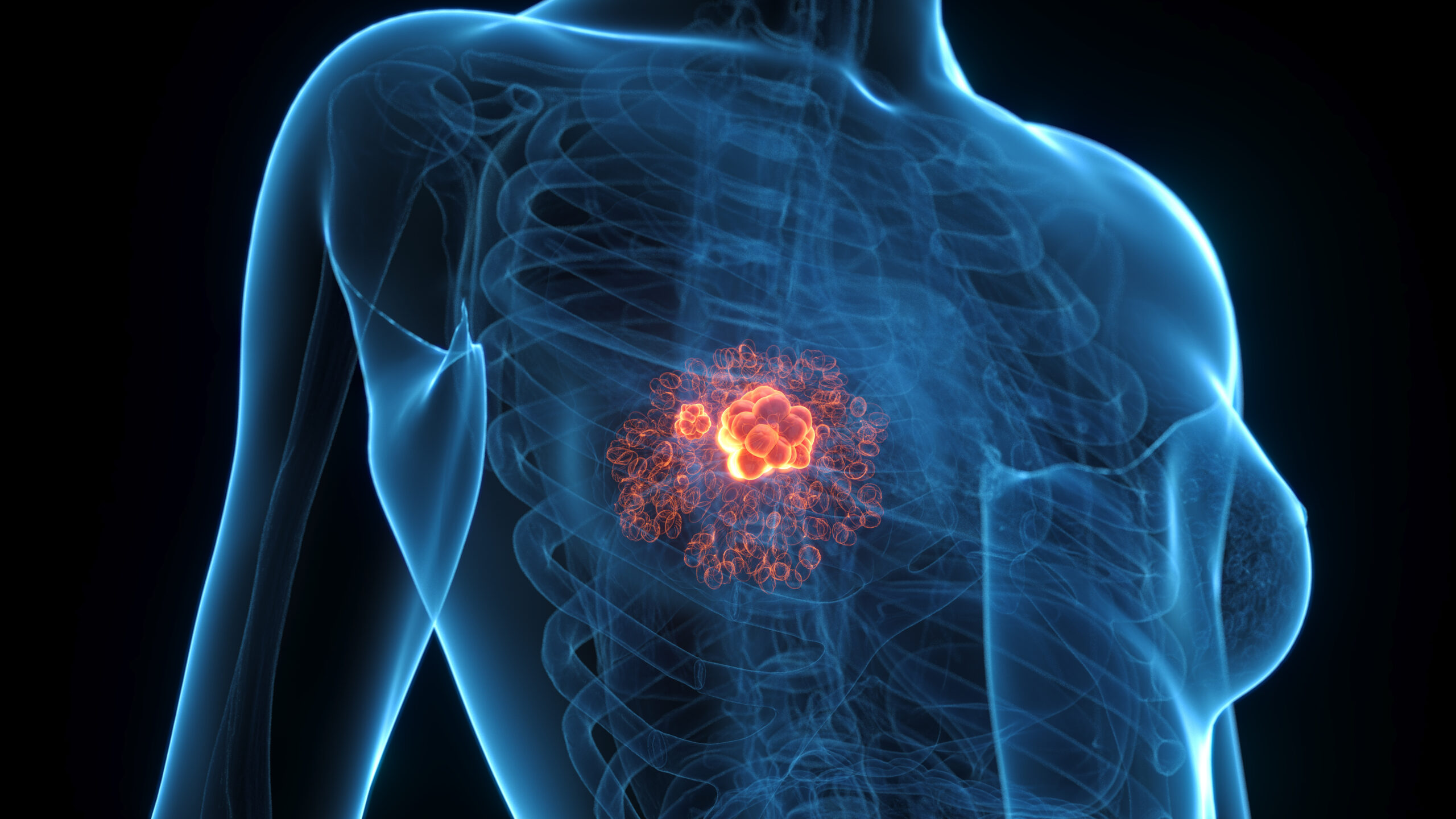
Circulating tumor DNA (ctDNA) has emerged as an innovative and minimally invasive tool in precision oncology. With a short half-life of 30–120 min, ctDNA provides real-time insight into tumor dynamics.1 In early-stage breast cancer, there is growing evidence supporting its potential ...


Several important lymphoma studies presented at ASCO 2026 provided new data across newly diagnosed and relapsed/refractory disease settings. The studies spanned aggressive B-cell lymphomas and classic Hodgkin lymphoma, evaluating novel antibody-based combinations, epigenetic targeting strategies and chemotherapy-sparing approaches. Dr Tycel Phillips provides his expert insights into the six most important studies of the meeting.


This interactive patient case simulation is designed to support risk stratification and treatment decision-making in HR+, HER2− early breast cancer (EBC).

This activity consolidates three educational infographics examining recurrence risk assessment, adjuvant CDK4/6 inhibitor clinical trial data, and adverse event management in patients with high-risk HR+, HER2− early breast cancer (EBC).

This activity brings together expert-led video discussions focused on the identification and management of patients with high-risk HR+, HER2− early breast cancer (EBC).
Log into your Touch Account
Keep track of your clinical interests and newsletter subscriptions.
Sign up with an Email
Or use a .
Register now for FREE access
Already registered? Login below.
