
Search Results
749 Results Found for “F-cells”
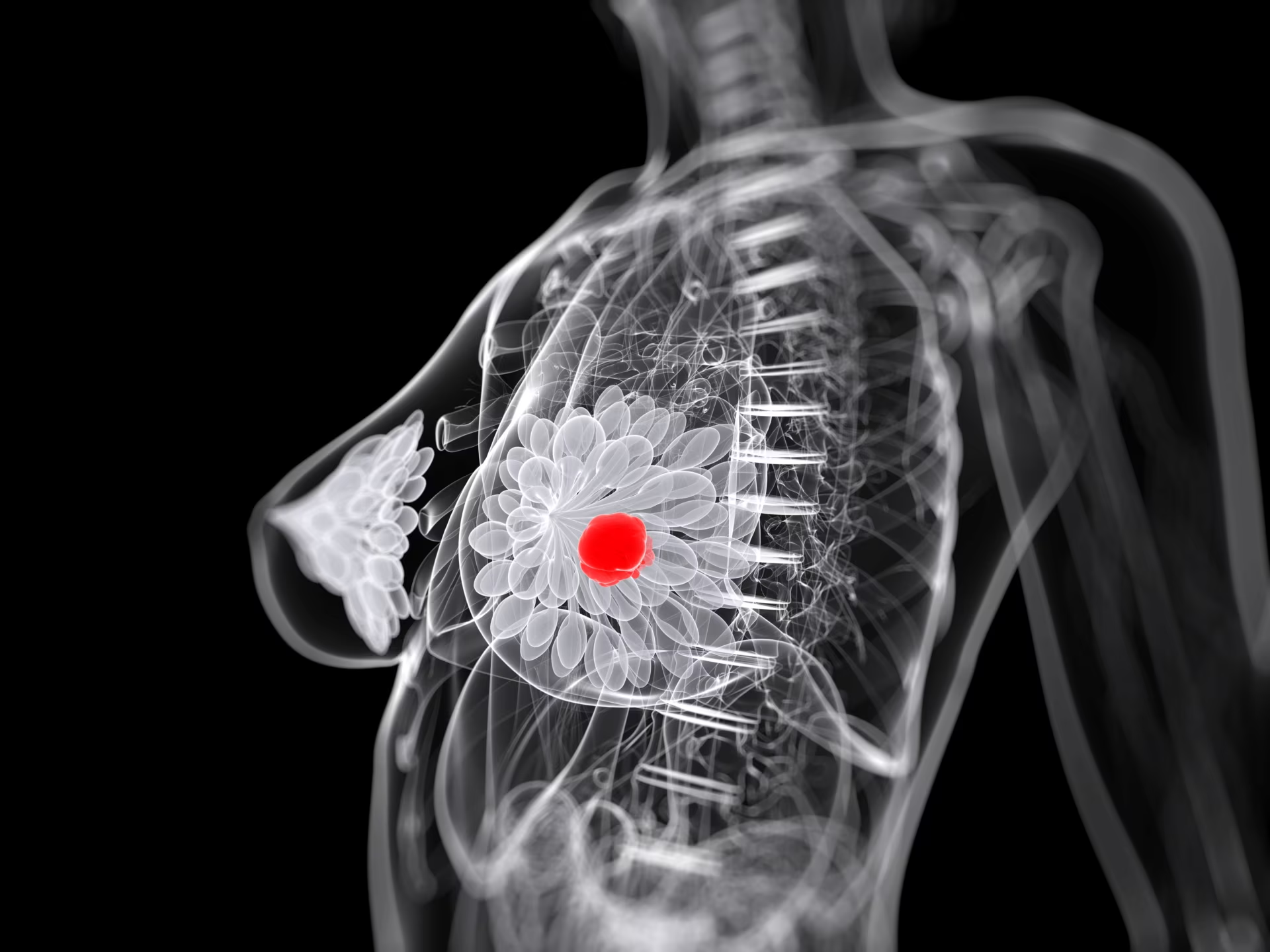
Metastatic triple-negative breast cancer (mTNBC) is a clinically heterogeneous disease, but compared with other breast cancer subtypes, triple-negative breast cancer (TNBC) is generally associated with a poorer prognosis and has historically had limited therapeutic options.1 The 5-year survival rate remains ...
Choosing the appropriate adjuvant therapy in patients with melanoma undergoing neoadjuvant treatment
This article examines current evidence supporting the use of neoadjuvant immunotherapy in patients with resectable macroscopic stage III melanoma and critically discusses the selection of appropriate adjuvant therapy following surgery. It is written in the context of emerging evidence from ...

The European Hematology Association (EHA) 2026 Congress brought together the global hematology community to unveil the latest practice-shaping advances in hematological malignancies and blood disorders. From plenary and late-breaking trial results to prestigious award winners, novel therapeutics, translational science and emerging technologies, the meeting delivered a vast volume of data. In this expert-led round-up, leading specialists distil the most important data and key takeaways from across each disease area, offering an essential guide to the studies set to shape the future of hematology.

New clinical data presented at the 2026 International Kidney Cancer Symposium (IKCS) Europe supports the potential of next-generation FTI darlifarnib, alone and in combination with cabozantinib, to overcome resistance and resensitize tumors to VEGFR TKI therapy in clear cell renal cell carcinoma (ccRCC)

Non-small cell lung cancer (NSCLC) remains the leading cause of cancer-related mortality worldwide.1 Over the past two decades, the molecular characterization of NSCLC has transformed the therapeutic landscape by enabling the development of targeted therapies that have significantly improved outcomes ...

Among glial tumours of the central nervous system (CNS), one of the most devastating is the category of H3K27-altered midline gliomas because of their uniform and rapid mortality, high neurological symptom burden and predilection for paediatric, adolescent and ...

An immunosuppressed person is one whose immune function is impaired by underlying disease and/or immunosuppressive medications, resulting in reduced immunosurveillance against malignant cells and increased vulnerability to opportunistic infections. Longstanding immunosuppression has been linked to increased risk for cutaneous (...

Small bowel adenocarcinoma (SBA) is a rare gastrointestinal malignancy, accounting for about 1–3% of gastrointestinal cancers.1,2 Its reported incidence has increased in recent decades, likely reflecting improved detection by balloon-assisted and capsule endoscopy and the more widespread use of cross-sectional imaging.3,4 ...

As part of our touchONCOLOGY Future Leaders 2026 programme, Dr Federico Monaca reflects on the mentors who shaped his approach to research and clinical trials, the importance of patience and patient-centred care, and the transformative potential of next-generation immunotherapies.

In this touchONCOLOGY Future Leaders 2026 interview, Dr Lenz reflects on the mentorship that shaped his commitment to oncology, the role of research in exposing inequities in cancer care, and why ensuring equitable access to innovation will define the future of the field.

Pancreatic cancer (PC) is the tenth most common cancer in 2024, with 66,440 new cases and 51,570 deaths.1,2 Globally, the prevalence varies from 10/100,000 cases in the Americas and Europe to 0.9/100,000 cases in South Central Asia and most of Africa.3 Currently, it has the ...
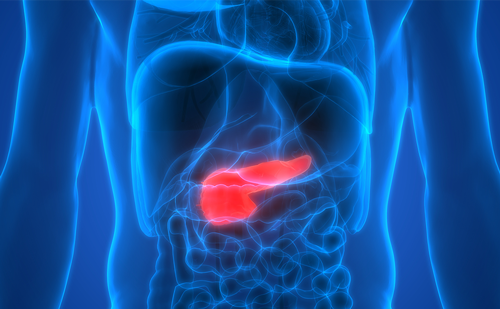
The FDA has approved Optune Pax®, a wearable therapeutic device, for adult patients with locally advanced pancreatic adenocarcinoma when used in combination with standard chemotherapy (gemcitabine and nab-paclitaxel). This marks the first FDA approval of a new treatment option for ...


Immune checkpoint inhibitors (ICIs) act by blocking inhibitory pathways such as programmed cell death protein 1 (PD-1), programmed cell death ligand 1 (PD-L1) and cytotoxic T lymphocyte-associated antigen 4 (CTLA-4), thereby restoring T-cell activity and promoting tumour cell destruction.1,2 The ability of tumours ...

Discover how everyday choices—from what you eat to how you manage stress—can significantly shape long-term cancer prevention. This article explores the powerful, evidence-based impact of nutrition, physical activity, sleep, and social connection on lowering cancer risk and supporting healthier aging. Learn what the world’s longest-living communities can teach us about prevention—and why small lifestyle changes can make a big difference.

Project Cure CRC, a $100 million initiative by the Colorectal Cancer Alliance (Alliance), continues to revolutionize colorectal cancer research by announcing three new groundbreaking grants aimed at transforming patient care. To date, Project Cure CRC has reviewed more than 500 research proposals and invested nearly $13 million to fuel 32 innovative studies. Several grantees have already published progress from their work in prestigious scientific journals, reflecting the program’s impact on advancing the field. As the largest nonprofit dedicated to ending colorectal cancer, the Alliance is prioritizing Project Cure CRC to accelerate the development of cutting-edge treatments that improve outcomes for patients worldwide.

At ESMO25, Professor John Crown shared insights into the five-year NATALEE trial data, revealing a sustained invasive disease-free survival advantage with adjuvant ribociclib + NSAI in HR+/HER2− early breast cancer. With benefits extending even after treatment completion, the findings could reshape adjuvant strategies for high-risk patients.

In this episode, Nicky speaks with Prof. Georgina Ellison-Hughes from King’s College London about the groundbreaking field of senolytics and their potential to advance the treatment of age-related diseases. From understanding the science behind cellular senescence to how senolytic drugs work and what early clinical trials reveal, this episode explores an exciting frontier in longevity medicine.
Log into your Touch Account
Keep track of your clinical interests and newsletter subscriptions.
Sign up with an Email
Or use a .
Register now for FREE access
Already registered? Login below.
