
Search Results
51 Results Found for “HCC”

Gastrointestinal (GI) cancers constitute a major contributor to global cancer incidence and mortality and remain among the leading causes of cancer-related death worldwide despite advances in prevention, screening and supportive care.1,2 Collectively encompassing malignancies of the esophagus, stomach, liver, biliary ...

Abderrahim Oussalah discusses findings from the SEPT9_CROSS study evaluating circulating methylated SEPT9 as a blood-based biomarker for HCC detection in cirrhosis. “These findings support a two-tier surveillance framework in which mSEPT9 and AFP work together to improve both the ...

Several late-breaking gastrointestinal oncology studies presented at ASCO 2026 highlighted how treatment selection is continuing to evolve across colorectal, hepatobiliary, gastric, and esophageal cancers, with new data on ctDNA-guided adjuvant therapy, earlier integration of targeted agents, and intensified perioperative strategies. In this round-up, we have selected six of the most important late-breakers, and examine the latest data from CIRCULATE, BREAKWATER, EMERALD-3, Neo-CRAG, SCIENCE, and RC48-C027.

Immune checkpoint inhibitors (ICIs) act by blocking inhibitory pathways such as programmed cell death protein 1 (PD-1), programmed cell death ligand 1 (PD-L1) and cytotoxic T lymphocyte-associated antigen 4 (CTLA-4), thereby restoring T-cell activity and promoting tumour cell destruction.1,2 The ability of tumours ...

It is with great pleasure that we present the latest edition of touchREVIEWS in Oncology & Haematology. This edition showcases the continued advances and innovation reshaping cancer care, as well as highlighting the continued unmet needs and challenges associated with ...

Hepatocellular carcinoma (HCC) is the most common primary malignancy of the liver, comprising approximately 85% of all primary liver cancers.1 Globally, it ranks as the sixth-most common cancer and the third-leading cause of cancer-related mortality, with over 900,000 new cases and 830,000 deaths ...

The newly released Lancet Commission on hepatocellular carcinoma (HCC) is a powerful wake-up call to the global health community. It highlights that more than 60% of liver cancer cases are preventable through action on hepatitis, metabolic dysfunction-associated steatotic liver disease (MASLD) and alcohol use. Without intervention, HCC cases could double by 2050 – reaching over 1.5 million new cases annually and 1.37 million deaths.
Despite being considered a rare type of malignancy, constituting only 3% of all gastrointestinal cancers, the incidence of biliary tract cancers (BTCs) has been increasing worldwide in recent years, with about 20,000 new cases annually only in the USA.1–3 These cancers arise ...

Liver cancer remains a significant global health challenge, often going undetected until it has progressed to advanced stages. A major barrier to early detection is the lack of awareness about liver health and risk factors, such as chronic liver diseases ...
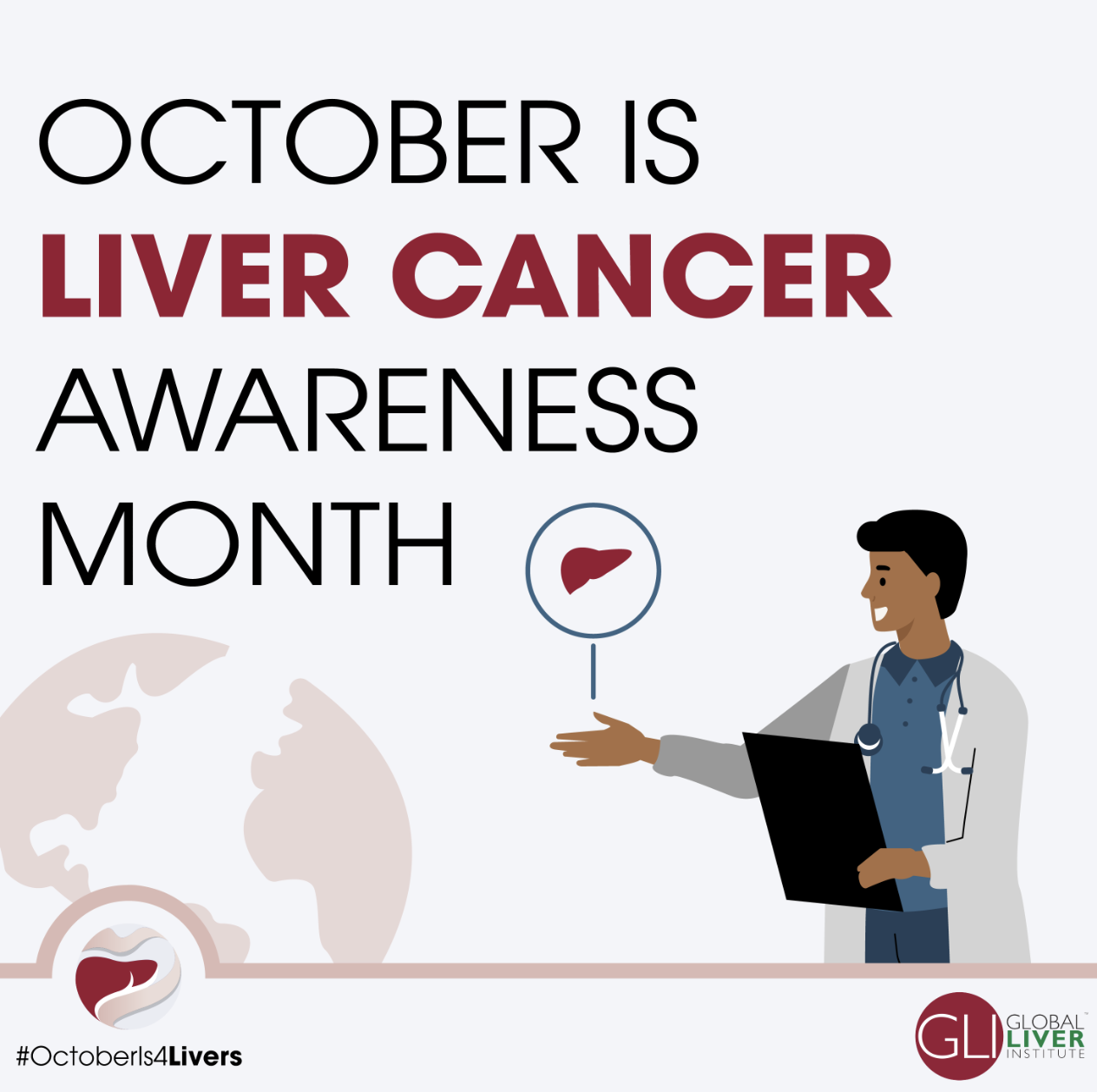
touchONCOLOGY are delighted to support Global Liver Institute (GLI) as they officially launch their seventh annual #OctoberIs4Livers campaign, aiming to raise awareness about liver cancer and the disparities that affect communities at risk. This initiative comes in observance of Liver Cancer Awareness Month and this year focuses on the important theme “Addressing Disparities in Liver Cancer Care.”
touchONCOLOGY coverage of data presented at European Society of Medical Oncology (ESMO) 2024 Annual Congress The LEAP-012 trial is a phase III, randomized, double-blind study that evaluated the efficacy and safety of combining lenvatinib and pembrolizumab with transarterial chemoembolization (TACE) compared ...

The ESMO GI 2024 meeting, held this year in Munich, Germany, brought together researchers and clinicians from around the world to discuss recent developments in gastrointestinal malignancies.

The annual ASCO2024 meeting was packed as always with the latest trial data and treatment advances in oncology.
Hepatocellular carcinoma (HCC) is the seventh most frequently occurring cancer in the world and the second most common cause of cancer mortality.1 The incidence of HCC has been growing rapidly, with a 75% increase in newly diagnosed cases from 1990 to 2015.2 Approximately 90% ...
The field of immuno-oncology has provided novel therapeutic agents that have led to significant improvements in patient outcomes across many tumour types. There have also been great efforts to incorporate immunotherapy (IO) into the treatment paradigms of gastrointestinal (GI) cancers. ...
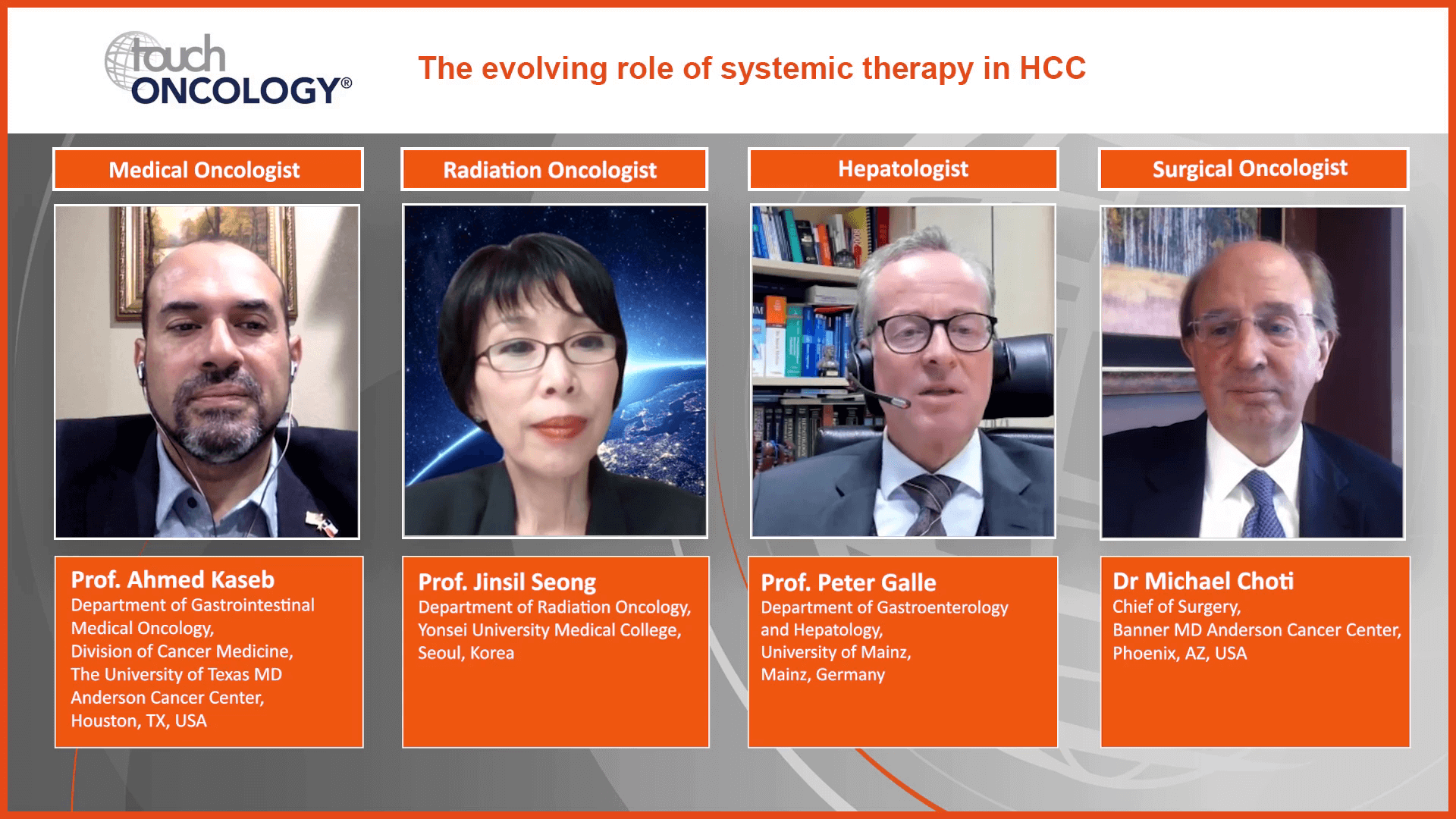
The antitumor activity of immune checkpoint inhibotors in various solid and haematologic malignancies has substantially increased immunotherapy implications for cancer. Once only a niche treatment for selected cancers (renal cancer and melanoma), now cancer immunotherapy has become an important option ...

touchONCOLOGY joins Professor Jean-Luc Van Laethem (Erasme University Hospital, Brussels, Belgium), principle investigator of the KEYNOTE-224 study, to discuss the updated results for pembrolizumab monotherapy as first-line therapy for advanced hepatocellular carcinoma. Questions 1. What were the objectives of the KEYNOTE-224 ...
Log into your Touch Account
Keep track of your clinical interests and newsletter subscriptions.
Sign up with an Email
Or use a .
Register now for FREE access
Already registered? Login below.
