
Search Results
24 Results Found for “TAS-120”

Pancreatic cancer (PC) is the tenth most common cancer in 2024, with 66,440 new cases and 51,570 deaths.1,2 Globally, the prevalence varies from 10/100,000 cases in the Americas and Europe to 0.9/100,000 cases in South Central Asia and most of Africa.3 Currently, it has the ...

Few alliances have impacted patient care as significantly as the Myeloproliferative Neoplasms Research Consortium (MPN-RC). Established in 2006, the MPN-RC is an international group dedicated to advancing research and developing innovative treatment strategies for myeloproliferative neoplasms. In this episode, we speak with Prof. John Mascarenhas, about the coalition's founding, operational mechanics and how their efforts have led to paradigm-shifting therapies in the field.

Cholangiocarcinoma (CCA) is a cancer of the epithelial cells lining the biliary tree in the liver and can occur both inside the liver (intrahepatic CCA [iCCA]) and outside the liver (extrahepatic CCA, which includes both perihilar and distal cholangiocarcinoma) (Figure 1). ...

Cholangiocarcinomas (CCAs) are a heterogenous group of cancers arising from the biliary epithelium. While they account for around 3% of all gastrointestinal malignancies, they are the second most common primary liver cancer.1 CCAs tend to metastasize and have early lymph node ...
Advanced non-small cell lung carcinoma (NSCLC) treatment paradigms have evolved during the past decade. Identification of tumor-specific molecular alteration in cancer driver genes has led to the development of targeted therapies.1–3 Most of the tumors harboring such alterations are sensitive ...

In 2020, an estimated 147,950 patients will be diagnosed with colorectal cancer (CRC) in the USA, with 53,200 deaths expected.1 While many patients with CRC are cured, metastatic CRC (mCRC) is still a prevalent disease, and systemic therapy options have markedly improved outcomes ...
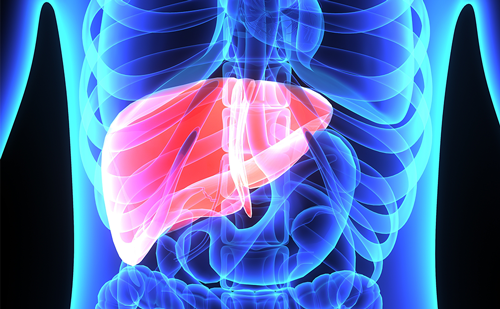
Cholangiocarcinoma constitutes approximately 3% of all gastrointestinal malignancies, and the incidence is on the rise, especially the intrahepatic subtype. These tumors are anatomically broadly classified into intrahepatic, perihilar, and distal cholangiocarcinoma. Recent understanding of tumorigenesis pathways has shown that there exists ...
Cholangiocarcinoma is an epithelial malignancy of the biliary system characterized by cholangiocyte differentiation, and its incidence is on the rise. Currently, cholangiocarcinomas are classified by their anatomical location in the biliary system as intrahepatic cholangiocarcinoma, distal cholangiocarcinoma, or hilar cholangiocarcinoma. ...
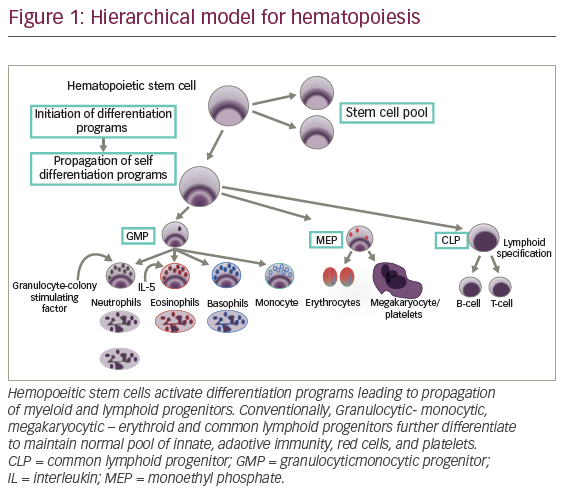
Myelodysplastic syndrome (MDS) is a cytogenetic, epigenetic, and immunological heterogeneous group of myeloid disorders characterized by dysplastic hematopoeisis and propensity for acute myelogenous leukemia (AML) transformation.1,2 The Surveillance, Epidemiology, and End Results (SEER) Program estimates that risk factors for the ...

The inhibition of angiogenesis and other signalling pathways has great potential in the treatment of various cancers including metastatic colorectal cancer (mCRC) and hepatocellular carcinoma (HCC). This approach is exploited by multikinase inhibitors (MKIs), which, when used in sequence with ...
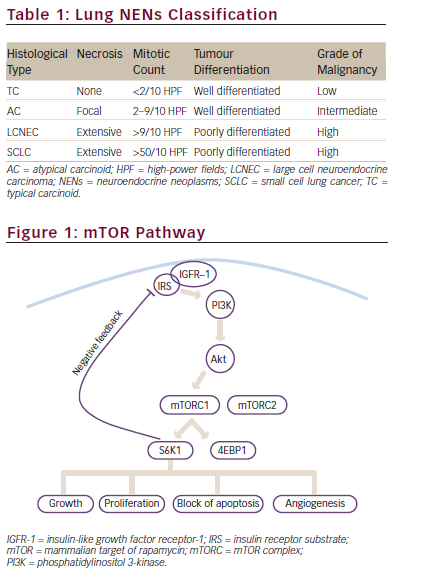
Neuroendocrine neoplasms (NENs) are a group of rare and heterogeneous malignancies that arise from neuroendocrine cells in most organs of the body. The presence, rather than absence of symptoms due to neuropeptides or hormones hypersecretion, distinguishes NENs in functioning and ...

The treatment of triple negative breast cancer (TNBC) is an unmet medical need, which refers to tumors that are estrogen receptor (ER) and progesterone receptor (PR) negative, and where human epidermal growth factor receptor 2 (HER2) is not overexpressed. This subset ...
It has been almost 50 years since the first study of an antiemetic (prochlorperazine versus placebo) for chemotherapy-induced nausea and vomiting (CINV) was published.1 However, we have not reached the point where CINV is never a problem for any patient receiving ...
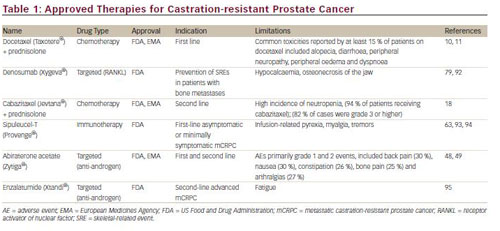
Prostate cancer is the most common noncutaneous malignancy. It is the sixth leading cause of cancer-related death in men worldwide,1 and the second most common cause of cancer death in US men.2 In 2012, it was estimated that 241,740 cases would be ...
Prostate cancer is the most common noncutaneous malignancy. It is the sixth leading cause of cancer-related death in men worldwide,1 and the second most common cause of cancer death in US men.2 In 2012, it was estimated that 241,740 cases would be ...
Cervical and vaginal cancers remain grave health problems worldwide. While structured screening programs based on the Papinicolaou exfoliative cytology smear have lowered the incidence for invasive disease and thus mortality attributed to cervical and vaginal cancer,1,2 these diseases are still ...
Detection of Primary Tumor In breast cancer, the word ‘detection’ is most commonly used to mean breast cancer screening, most commonly using mammography. Breast cancer diagnosis involves the characterization of a suspicious mass or imaging finding, and entails tissue sampling ...
Nutrition is an important factor in the treatment and progression of cancer. The majority of cancer patients experience weight loss as their disease progresses and, in general, weight loss is a major prognostic indicator of poor survival and impaired response ...
Log into your Touch Account
Keep track of your clinical interests and newsletter subscriptions.
Sign up with an Email
Or use a .
Register now for FREE access
Already registered? Login below.
