
Search Results
369 Results Found for “biomarker”

At European Society for Medical Oncology (ESMO) Congress 2026, new data from VOLGA, KEYNOTE-B15, ENERGIZE, KEYNOTE-866 and POTOMAC examine perioperative treatment combinations, circulating tumor DNA (ctDNA) and bladder-preserving strategies across muscle-invasive and non-muscle-invasive bladder cancer.

How might new treatment combinations and emerging biomarkers inform bladder cancer management? Five studies selected from ESMO 2026 address this question across different disease settings: VOLGA, KEYNOTE-B15/EV-304, ENERGIZE, KEYNOTE-866 and POTOMAC. Their findings examine perioperative treatment intensification, the potential of circulating tumor DNA (ctDNA) to characterize treatment response and the addition of immunotherapy to bacillus Calmette–Guérin (BCG) in high-risk non-muscle-invasive disease.

It is with great pleasure that we present the latest edition of touchREVIEWS in Oncology & Haematology. This issue reflects the growing momentum of precision oncology, from liquid biopsy and response-adapted strategies to antibody–drug conjugates (ADCs) and immune-based therapies, ...
Diffuse large B-cell lymphoma (DLBCL) is the most common lymphoma in the USA and Western Europe.1,2 DLBCL is treated with curative intent given the aggressive nature of the disease. Rituximab (R), cyclophosphamide (C), doxorubicin (H), vincristine (O) and prednisone (P) (...

Gastrointestinal (GI) cancers constitute a major contributor to global cancer incidence and mortality and remain among the leading causes of cancer-related death worldwide despite advances in prevention, screening and supportive care.1,2 Collectively encompassing malignancies of the esophagus, stomach, liver, biliary ...

ESMO 2026, presented new findings across the prostate cancer treatment landscape, from intensifying treatment before and after surgery to improving outcomes in metastatic disease. This round-up examines five selected studies: DASL-HiCaP, the PROTEUS substudy, CAPItello-281, PEACE-1 and CCTG PR21. Together, the findings address treatment intensification in high-risk localized disease, targeted treatment for PTEN-deficient tumors, the durability of survival benefits with abiraterone and patient-reported quality of life with different treatments for mCRPC.

ESMO 2026 brought important developments in lung cancer, with new data spanning maintenance treatment for ES-SCLC, targeted therapies for molecularly defined NSCLC and ADCs in earlier and later treatment settings. Among the key findings were improved overall survival with maintenance tarlatamab plus durvalumab in DeLLphi-305, longer survival with divarasib in Krascendo 1 and promising results for sacituzumab tirumotecan in OptiTROP-Lung06 and OptiTROP-Lung04. SAFFRON also provided new evidence for biomarker-directed treatment following progression on osimertinib. Dr Gabriel Lenz reviews five key trials presented at ESMO 2026, highlighting the efficacy and safety findings, their potential clinical implications and the questions that remain.

ESMO 2026 put gynecological oncology in the spotlight, with new survival data, phase III trial results and emerging therapies bringing cervical, endometrial and ovarian cancer into focus. The key sessions examined the role of immunotherapy, ADCs and targeted agents across first-line and previously treated settings. The findings included improved PFS with pembrolizumab in dMMR endometrial cancer, OS results from randomized studies and early efficacy data for investigational treatments in recurrent ovarian cancer.

The European Society for Medical Oncology (ESMO) Congress 2026 promises a compelling program of clinical data, spanning personalized cancer vaccines, next-generation antibody–drug conjugates (ADCs) and novel approaches to targeted therapy and immunotherapy. With several studies already generating excitement following positive topline announcements, all eyes will be on the full results and their potential implications for clinical practice. Below, we highlight the 12 presidential abstracts to watch, the key findings to look out for and the questions these studies could help answer.
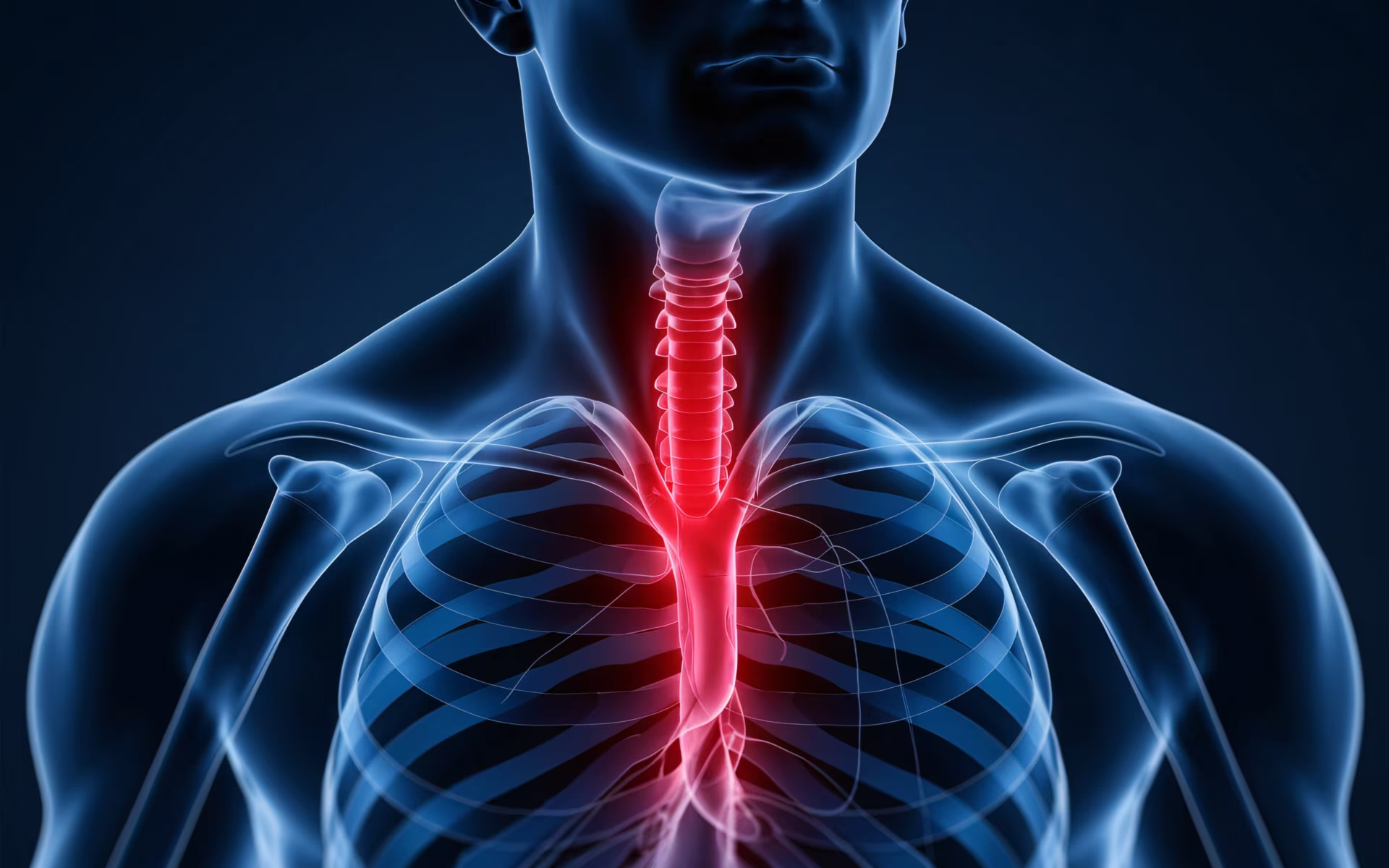
Esophageal cancer (EC) is a major global health concern, ranking as the 11th most commonly diagnosed cancer and the seventh leading cause of cancer-related deaths worldwide, with an estimated 494,320 new cases and 441,994 deaths in 2024.1 Esophageal squamous cell carcinoma (ESCC) remains ...

The microbiome has moved rapidly from an emerging area of cancer research towards a potential component of precision oncology. Yet despite compelling biological and observational evidence, important questions remain over how this knowledge should be translated safely into patient care.

Urothelial carcinoma (UC) is the 11th most common cancer in the UK, with approximately 11,000 new bladder cancer diagnoses annually.1 Globally, bladder cancer accounts for approximately 635,000 new diagnoses and 228,000 deaths annually, based on the latest GLOBOCAN estimates for 2024.2 Bladder cancer constitutes ...
Choosing the appropriate adjuvant therapy in patients with melanoma undergoing neoadjuvant treatment
This article examines current evidence supporting the use of neoadjuvant immunotherapy in patients with resectable macroscopic stage III melanoma and critically discusses the selection of appropriate adjuvant therapy following surgery. It is written in the context of emerging evidence from ...

How can clinicians distinguish true progression from pseudoprogression in MGMT-methylated glioblastoma? Dr Jigisha Thakkar discusses the clinical implications of time to true progression in MGMT-methylated glioblastoma and approaches to distinguishing pseudoprogression from treatment failure.

The 2026 World Conference on Lung Cancer delivered several results with the potential to change clinical practice. My main takeaway was the speed at which effective options are multiplying in both small-cell lung cancer and molecularly defined non-small-cell lung cancer. The immediate advance is welcome, but it also makes treatment selection more complex: mature survival, intracranial control, toxicity, sequencing and access will increasingly matter as much as response rate or progression-free survival.

From AI and real-time toxicity monitoring to exercise and behavioural interventions, Prof Joanne Bowen explores the innovations reshaping supportive cancer care and outlines MASCC’s priorities for translating emerging evidence into meaningful improvements for patients.
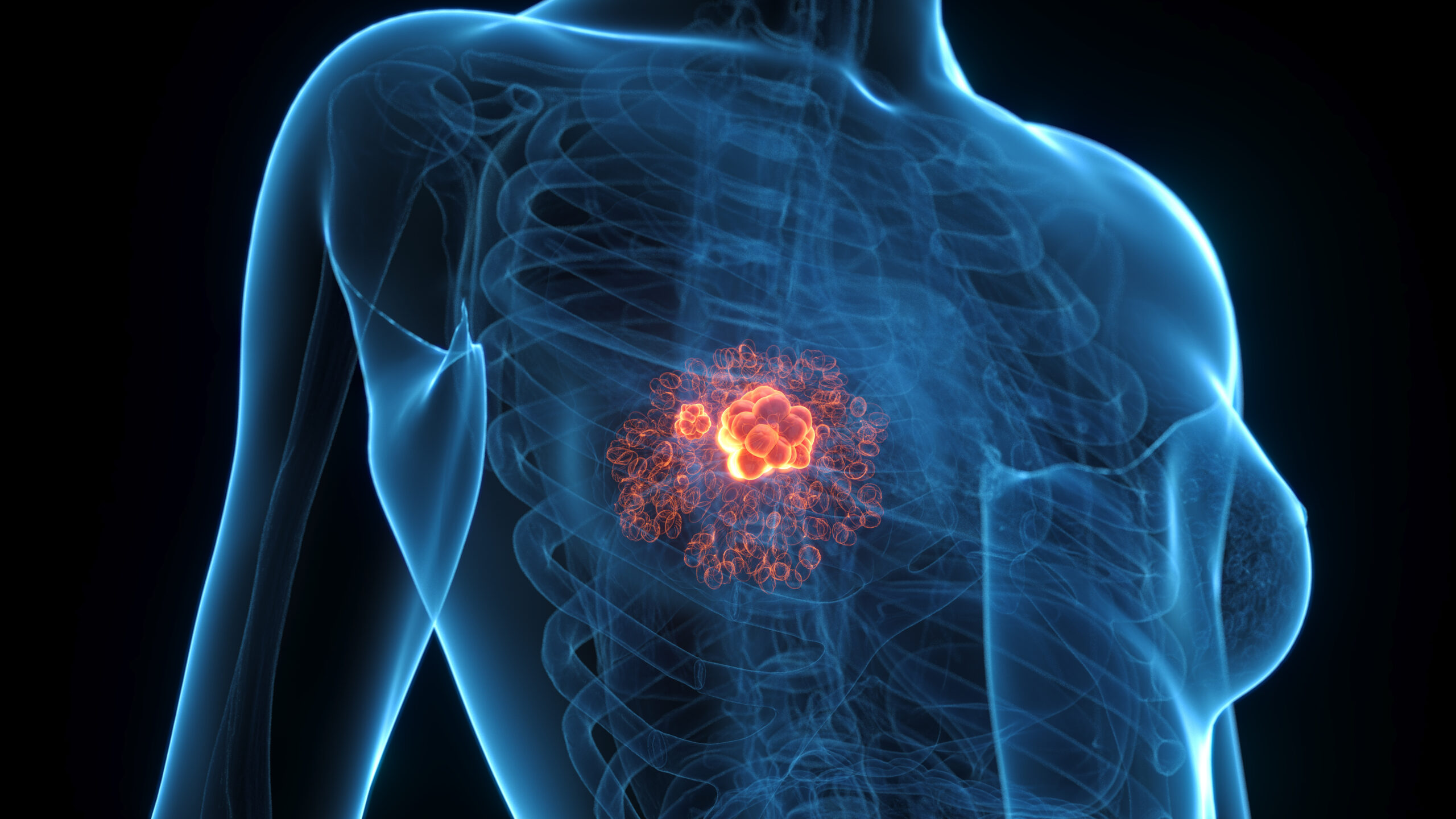
Circulating tumor DNA (ctDNA) has emerged as an innovative and minimally invasive tool in precision oncology. With a short half-life of 30–120 min, ctDNA provides real-time insight into tumor dynamics.1 In early-stage breast cancer, there is growing evidence supporting its potential ...


Log into your Touch Account
Keep track of your clinical interests and newsletter subscriptions.
Sign up with an Email
Or use a .
Register now for FREE access
Already registered? Login below.
