
Search Results
78 Results Found for “brain metastasis”

Metastatic triple-negative breast cancer (mTNBC) is a clinically heterogeneous disease, but compared with other breast cancer subtypes, triple-negative breast cancer (TNBC) is generally associated with a poorer prognosis and has historically had limited therapeutic options.1 The 5-year survival rate remains ...

Non-small cell lung cancer (NSCLC) remains the leading cause of cancer-related mortality worldwide.1 Over the past two decades, the molecular characterization of NSCLC has transformed the therapeutic landscape by enabling the development of targeted therapies that have significantly improved outcomes ...

Lung cancer is the second most common type of cancer worldwide and in the USA, with its incidence varying depending on geographic and socioeconomic factors.1–3 According to data from the Global Cancer Observatory: Cancer Incidence, Mortality and Prevalence (GLOBACAN) database, ...

Liquid biopsy: Initial concepts and application in solid tumours The US National Cancer Institute defines liquid biopsy (LB) as ‘a test done on a sample of blood to look for cancer cells from a tumour that are circulating in the ...

Endocrine therapy (ET) has changed the natural history of hormone receptor-positive (HR+) breast cancer (BC) and is the cornerstone of the treatment of HR+ BC. There are several ETs approved for the treatment of BC, including selective oestrogen receptor modulators (...

Trastuzumab deruxtecan (T-DXd) is a novel human epidermal growth factor receptor 2 (HER2)-targeted antibody–drug conjugate (ADC) designed to effectively deliver a potent topoisomerase I inhibitor (exatecan derivative) to HER2-expressing cancer cells and limit potential systemic toxicity.1 T-DXd has ...

The final results of the phase 3, TULIP trial (NCT03262935), which compared trastuzumab duocarmazine (T-Duo) with physician's choice of therapy in previously treated HER2-positive metastatic breast cancer, were presented at ESMO 2023. Dr. Philippe Aftimos, the study investigator from the Institute ...

Trastuzumab deruxtecan (T-DXd) is a highly effective drug for the treatment of human epidermal growth factor receptor 2 (HER2)-positive advanced recurrent breast cancer. It was approved by the US Food and Drug Admninistration even though it had only been through ...
The American Cancer Society estimates that approximately 248,530 new cases of prostate cancer will be diagnosed in the United States in 2021.1 For the nearly 90% of patients diagnosed with locoregional prostate cancer, the goal of treatment by surgical intervention or radiation is ...
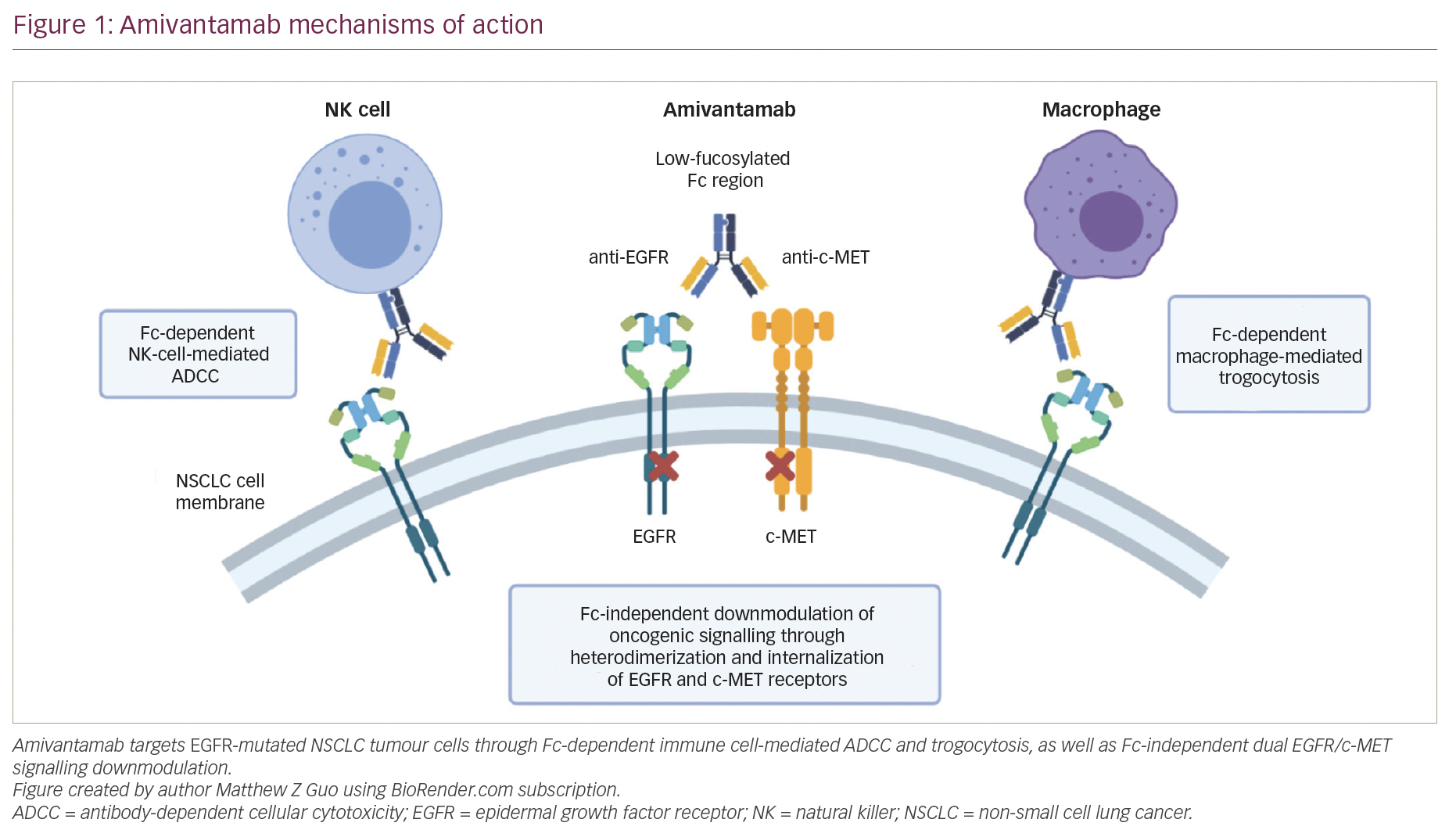
Cancer treatment has expanded rapidly in recent years as advancements in the fields of tumour biology and molecular diagnostics have informed the development of targeted therapies, improving survival in patients with oncogene-addicted cancers with therapeutically relevant molecular lesions. Osimertinib has ...
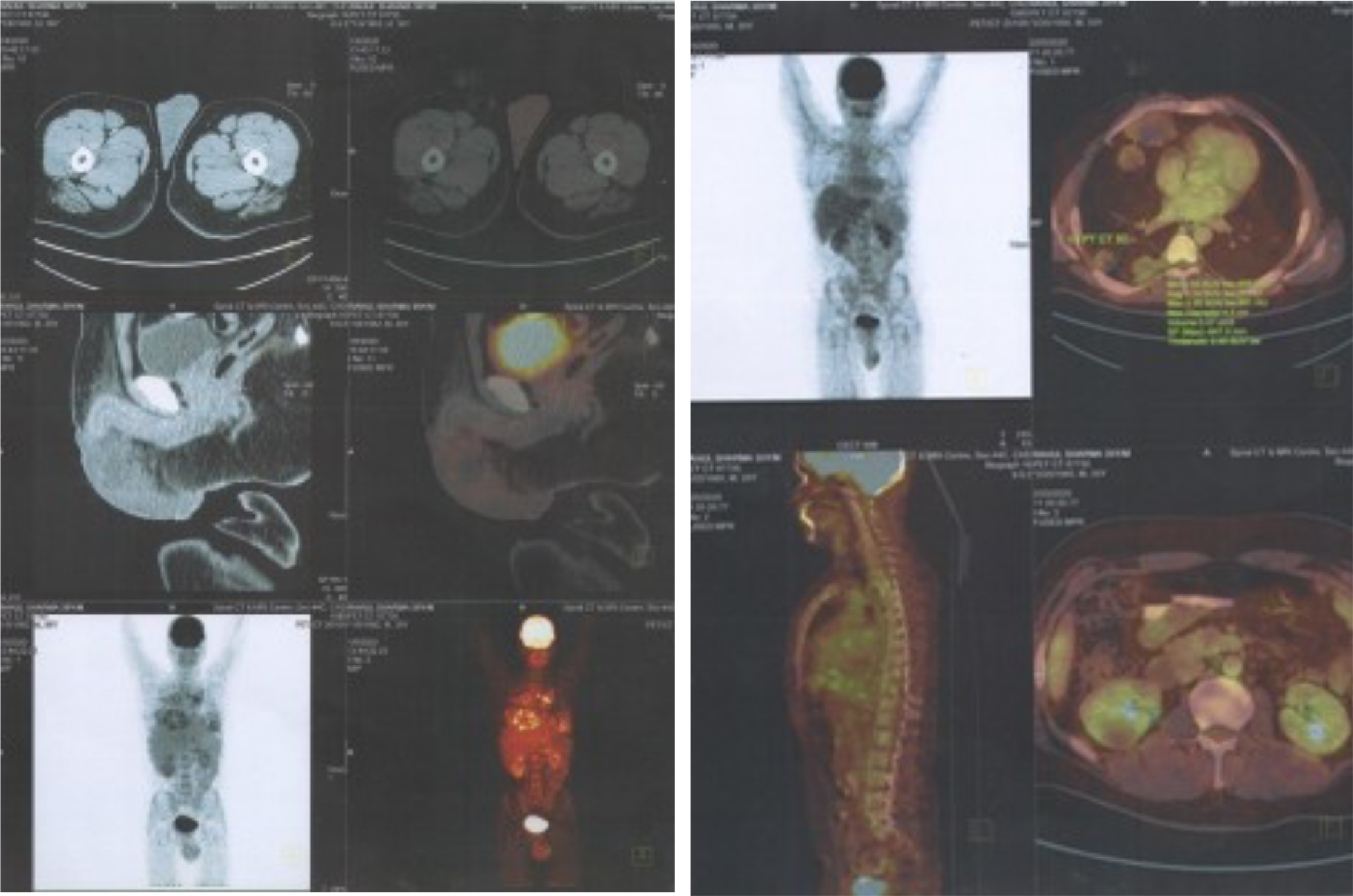
Choriocarcinoma of the testes is very rare, occurring either in pure form or as part of mixed germ cell tumor.1,2 Pure choriocarcinoma constitutes <1% of choriocarcinoma cases, whereas mixed tumors with choriocarcinoma make up 8% of testicular germ cell tumors.2 The ...
Advanced non-small cell lung carcinoma (NSCLC) treatment paradigms have evolved during the past decade. Identification of tumor-specific molecular alteration in cancer driver genes has led to the development of targeted therapies.1–3 Most of the tumors harboring such alterations are sensitive ...

At initial diagnosis of metastatic disease, central nervous system (CNS) metastases are present in 22–33% of patients with anaplastic lymphoma kinase (ALK)-rearranged (ALK+) non-small cell lung cancer (NSCLC). After crizotinib failure, the incidence can reach up to 70%, compared with 40% in ...

The American Society of Clinical Oncology (ASCO) 2020 meeting was held virtually this year due to the COVID-19 pandemic. Despite this, there were hundreds of abstracts, posters and presentations. In an interview, Axel S. Merseburger, chairman of the Department of Urology ...

Breast cancer is one of the most common types of cancers and will affect one in eight women in their lifetime.1 With the majority of breast cancers being estrogen receptor (ER)-positive, a large proportion of women will receive adjuvant ...

Advances in understanding of the molecular processes underlying non-small cell lung cancer (NSCLC) have led to the identification of several specific targets for therapeutic agents. To date, the most beneficial therapies targeting gene rearrangements are those that target the ALK, ...

Colorectal cancer (CRC) is the third most common cancer worldwide and the second most common cause of cancer-related death,1 with its incidence predicted to continue to rise significantly in the future.2 With the evolution of personalized medicine, genomic profiling is ...

Tumours that are positive for human epidermal growth factor receptor 2 (HER2) are found in about 15–20% of all breast cancers.1 HER2 positivity is associated with aggressive tumours that are often high grade, with increased rates of growth, early metastasis and have, ...
Log into your Touch Account
Keep track of your clinical interests and newsletter subscriptions.
Sign up with an Email
Or use a .
Register now for FREE access
Already registered? Login below.
