
Search Results
28 Results Found for “cholangiocarcinoma, ”

Small bowel adenocarcinoma (SBA) is a rare gastrointestinal malignancy, accounting for about 1–3% of gastrointestinal cancers.1,2 Its reported incidence has increased in recent decades, likely reflecting improved detection by balloon-assisted and capsule endoscopy and the more widespread use of cross-sectional imaging.3,4 ...

Despite being considered a rare type of malignancy, constituting only 3% of all gastrointestinal cancers, the incidence of biliary tract cancers (BTCs) has been increasing worldwide in recent years, with about 20,000 new cases annually only in the USA.1–3 These cancers arise ...

As 2024 draws to a close, we’re celebrating a wonderful year of content.

Rat sarcoma virus (RAS) proteins are a family of prototypical oncogenes frequently mutated in human cancers. Mutations in the RAS gene account for 19% of all pathogenic alterations and are the subject of extensive research in molecular and clinical oncology.1 The ...

In line with the continuously expanding molecular landscape of cancer, the ESMO Precision Medicine Working Group (PMWG) has revised its recommendations for tumour next-generation sequencing (NGS).

Welcome to the latest issue of touchREVIEWS in Oncology & Haematology. We are honoured to present a series of compelling articles that reflect cutting-edge developments and diverse perspectives in this ever-evolving field. This issue includes a series of editorials and ...
Cholangiocarcinoma (CCA) is a cancer of the epithelial cells lining the biliary tree in the liver and can occur both inside the liver (intrahepatic CCA [iCCA]) and outside the liver (extrahepatic CCA, which includes both perihilar and distal cholangiocarcinoma) (Figure 1). ...

Key points Olutasidenib induces durable responses in patients with relapsed or refractory (R/R) acute myeloid leukaemia (AML) with isocitrate dehydrogenase 1 (IDH1) mutations in the phase I and II clinical trials. The side effects of olutasidenib are well known and ...
Biliary tract cancers (BTCs) are a heterogeneous group of adenocarcinomas that originate from the epithelial lining of the biliary tree and are classified into cholangiocarcinoma (CCA) and gallbladder cancer. BTC is an aggressive and rare epithelial malignancy that is usually ...

Welcome to the latest edition of touchREVIEWS in Oncology & Haematology. Despite the success of the human papillomavirus vaccination programme, cervical cancer remains one of the most common cancers in women, and advanced disease carries a poor prognosis. Lebreton et ...

Cholangiocarcinomas (CCAs) are a heterogenous group of cancers arising from the biliary epithelium. While they account for around 3% of all gastrointestinal malignancies, they are the second most common primary liver cancer.1 CCAs tend to metastasize and have early lymph node ...
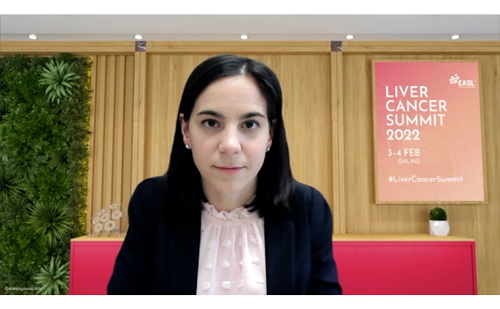
touchONCOLOGY caught up with Professor Angela Lamarca (Christie NHS Foundation Trust, Manchester, UK) to discuss her highlights from the Liver Cancer Summit 2022, targeted therapies for cholangiocarcinoma and some of the most important current trial data in hepatic-biliary oncology (the HIMALAYA ...

touchONCOLOGY joins Professor David S Hong (The University of Texas MD Anderson Cancer Center, Houston, TX, USA) at ESMO 2021 to discuss the safety and activity of gavocabtagene autoleucel in a dose-escalation study in patients with refractory ovarian cancer, malignant mesothelioma, ...
touchONCOLOGY joins Professor David S Hong (The University of Texas MD Anderson Cancer Center, Houston, TX, USA) at ESMO 2021 to discuss the safety and activity of gavocabtagene autoleucel in a dose-escalation study in patients with refractory ovarian cancer, malignant mesothelioma, ...

We were delighted to talk to Milind Javle (University of Texas MD Anderson Cancer Center, Houston, TX, US) about the use of infigratinib for the treatment of patients with previously treated advanced cholangiocarcinoma (Clinical Trial Identifier: NCT02150967). The abstract ‘Final ...

In 2020, an estimated 147,950 patients will be diagnosed with colorectal cancer (CRC) in the USA, with 53,200 deaths expected.1 While many patients with CRC are cured, metastatic CRC (mCRC) is still a prevalent disease, and systemic therapy options have markedly improved outcomes ...

Welcome to the spring edition of Oncology and Hematology Review (US). During the difficult days of this COVID-19 pandemic, which has impacted cancer care worldwide, we hope our journal provides reason for optimism. We begin with one of our popular ...
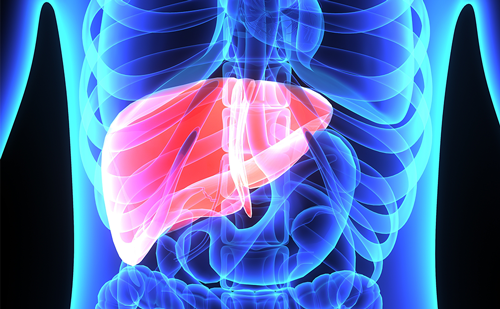
Cholangiocarcinoma constitutes approximately 3% of all gastrointestinal malignancies, and the incidence is on the rise, especially the intrahepatic subtype. These tumors are anatomically broadly classified into intrahepatic, perihilar, and distal cholangiocarcinoma. Recent understanding of tumorigenesis pathways has shown that there exists ...
Log into your Touch Account
Keep track of your clinical interests and newsletter subscriptions.
Sign up with an Email
Or use a .
Register now for FREE access
Already registered? Login below.
