
Search Results
280 Results Found for “colorectal cancer”
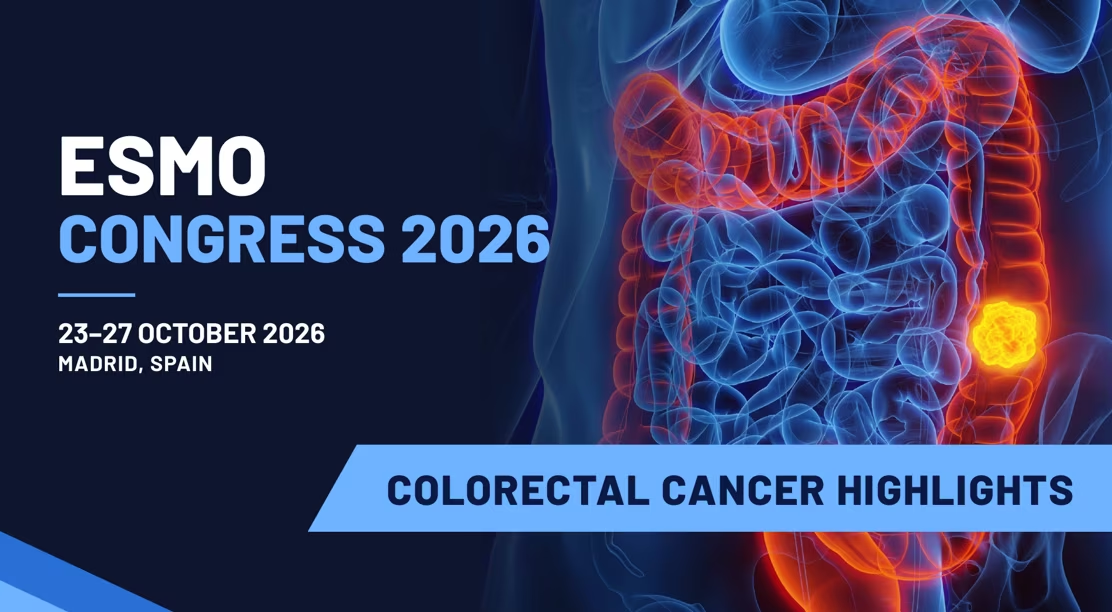
What are the most important developments in lower gastrointestinal oncology from ESMO 2026? Five selected studies examine key questions across locally advanced rectal cancer and metastatic and early-stage colorectal cancer. From the potential for immunotherapy to support organ preservation in dMMR/MSI-H rectal cancer, to longer-term survival outcomes with dual checkpoint inhibition and strategies to overcome acquired resistance to targeted therapy, these findings offer insights into evolving treatment approaches and their potential implications for clinical practice.

Gastrointestinal (GI) cancers constitute a major contributor to global cancer incidence and mortality and remain among the leading causes of cancer-related death worldwide despite advances in prevention, screening and supportive care.1,2 Collectively encompassing malignancies of the esophagus, stomach, liver, biliary ...


With the European Society for Medical Oncology (ESMO) Congress 2026 fast approaching, attention is turning to Madrid, where the meeting is held from 23–27th October. Whether you are joining onsite or via the virtual platform, the three Presidential Symposia are the sessions not to miss. This year they carry 12 late-breaking abstracts (LBAs) spanning melanoma, lung, genitourinary, gastrointestinal, gynecological and rare cancers. With close to 300 scientific and educational sessions to choose from, we know the programme can feel overwhelming. So we have put together a quick guide to the headline sessions: when and where they run, who is presenting, and links to explore each one in the programme planner, so you can decide which to prioritize.

The European Society for Medical Oncology (ESMO) Congress 2026 promises a compelling program of clinical data, spanning personalized cancer vaccines, next-generation antibody–drug conjugates (ADCs) and novel approaches to targeted therapy and immunotherapy. With several studies already generating excitement following positive topline announcements, all eyes will be on the full results and their potential implications for clinical practice. Below, we highlight the 12 presidential abstracts to watch, the key findings to look out for and the questions these studies could help answer.
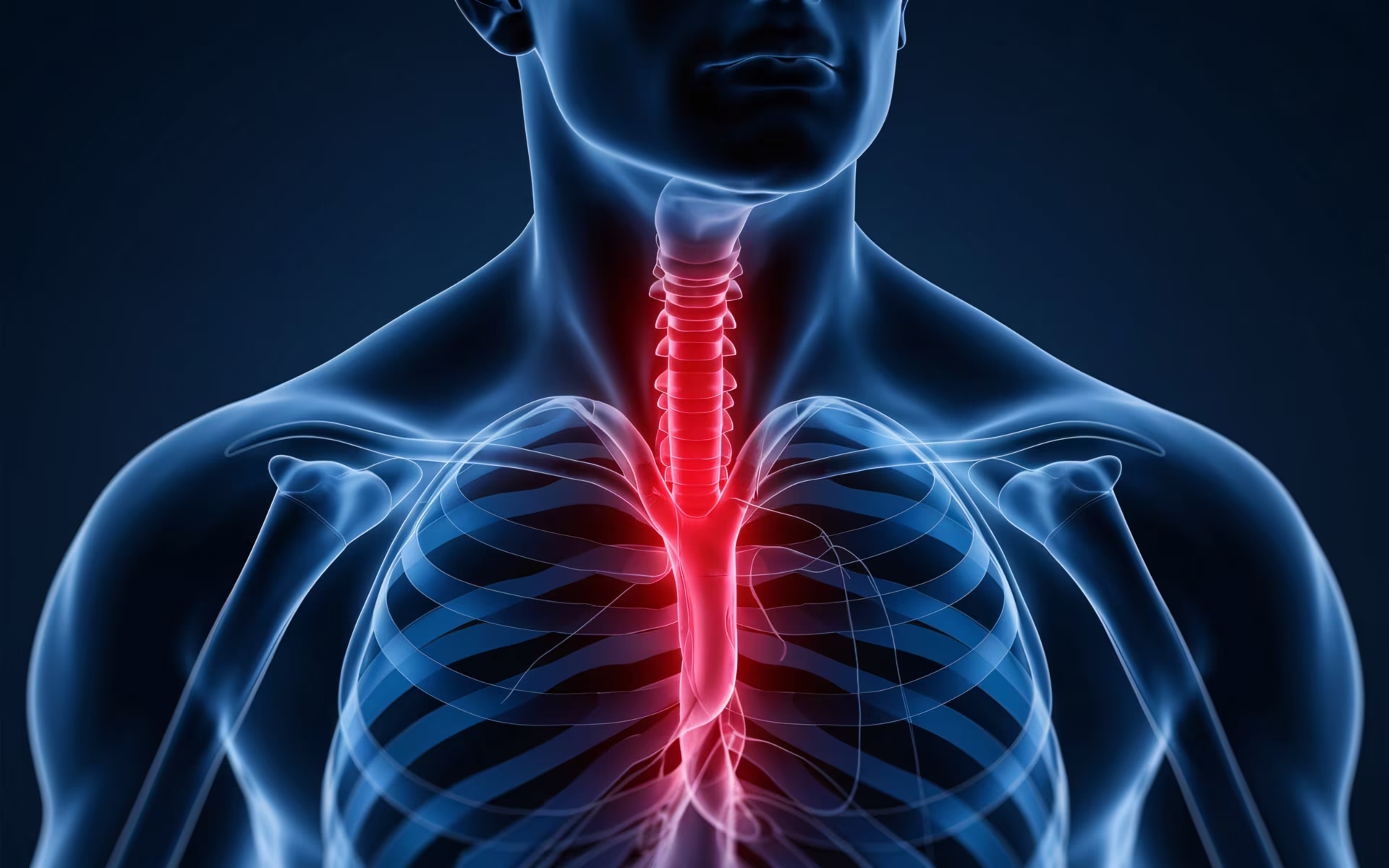
Esophageal cancer (EC) is a major global health concern, ranking as the 11th most commonly diagnosed cancer and the seventh leading cause of cancer-related deaths worldwide, with an estimated 494,320 new cases and 441,994 deaths in 2024.1 Esophageal squamous cell carcinoma (ESCC) remains ...

As EORTC enters a new chapter under the Presidency of Professor Benjamin Besse (Gustave Roussy Institute and Paris-Saclay University, Villejuif, France), the organization is looking to accelerate academic research while keeping patients and scientific independence at its core. In this detailed and in-depth Q&A, Prof Besse shares his priorities for EORTC, from supporting the next generation of investigators and broadening clinical trial populations, to giving greater weight to quality of life and patient perspectives. He also considers how emerging technologies, including artificial intelligence, could reshape the way cancer research is conducted.

Join us as leading experts discuss key data from the Plenary, Late-breaking and top oral sessions across each major disease area at ASCO 2026 touchONCOLOGY coverage of ASCO 2026 2026 American Society of Clinical Oncology (ASCO) Annual Meeting brought together the global oncology ...

Several late-breaking gastrointestinal oncology studies presented at ASCO 2026 highlighted how treatment selection is continuing to evolve across colorectal, hepatobiliary, gastric, and esophageal cancers, with new data on ctDNA-guided adjuvant therapy, earlier integration of targeted agents, and intensified perioperative strategies. In this round-up, we have selected six of the most important late-breakers, and examine the latest data from CIRCULATE, BREAKWATER, EMERALD-3, Neo-CRAG, SCIENCE, and RC48-C027.
The plenary session at the AACR Annual Meeting 2026 brought sharp focus to one of oncology’s most urgent challenges: the global rise in early-onset cancers. Across four complementary presentations, speakers combined epidemiology, molecular biology and clinical insight to frame a multifactorial, and still evolving, picture of risk in younger populations. Below, we have broken down the key points and take-home messages from the session.

Among glial tumours of the central nervous system (CNS), one of the most devastating is the category of H3K27-altered midline gliomas because of their uniform and rapid mortality, high neurological symptom burden and predilection for paediatric, adolescent and ...
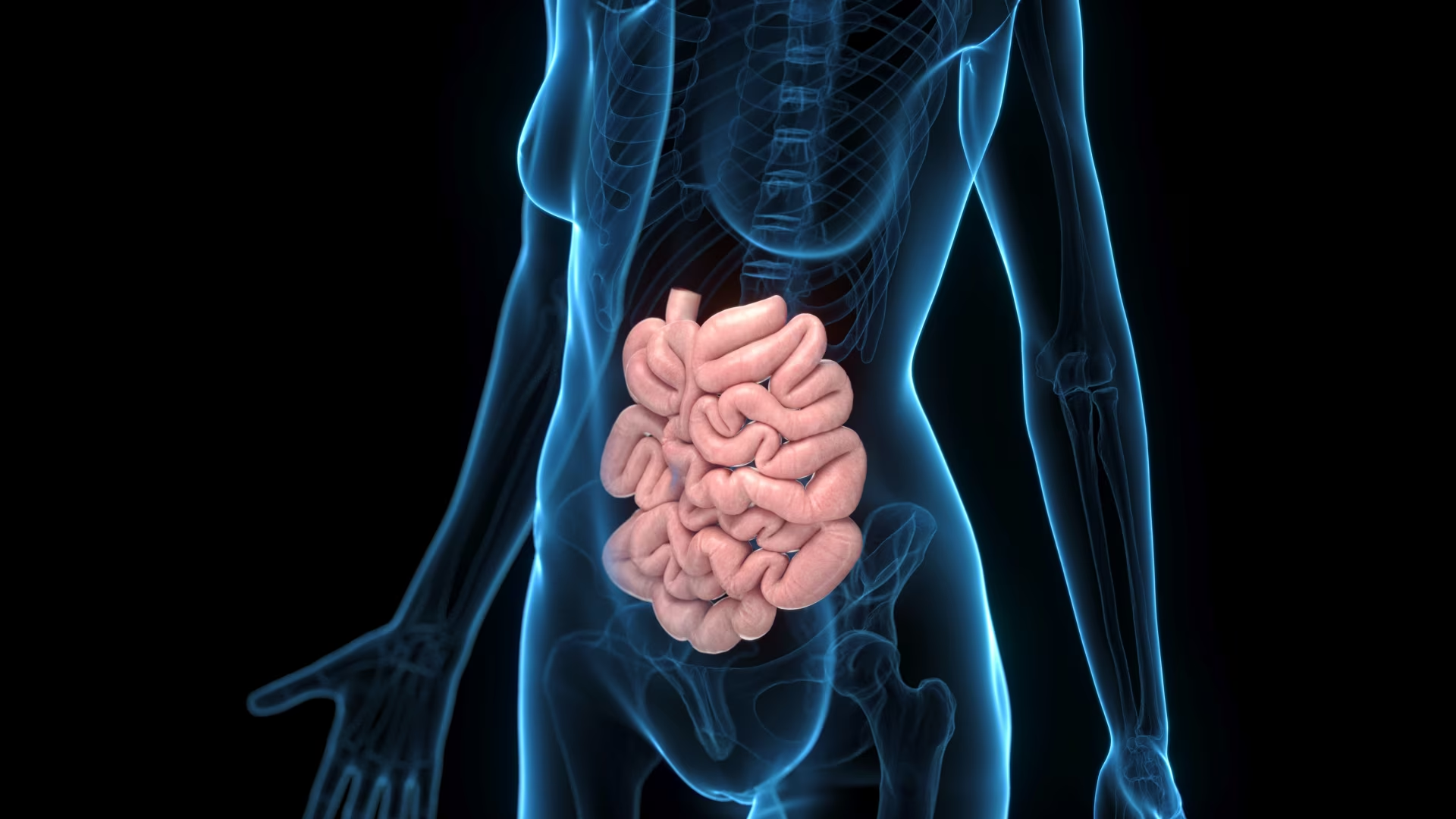
Small bowel adenocarcinoma (SBA) is a rare gastrointestinal malignancy, accounting for about 1–3% of gastrointestinal cancers.1,2 Its reported incidence has increased in recent decades, likely reflecting improved detection by balloon-assisted and capsule endoscopy and the more widespread use of cross-sectional imaging.3,4 ...

See who the oncology community selected as the rising stars of 2026!

In this Future Leaders interview, Margaret Wheless reflects on the mentors who shaped her career, the fulfillment she finds in patient care and teaching, and the importance of empathy, collaboration, and intentional mentorship for emerging oncologists.

Pancreatic cancer (PC) is the tenth most common cancer in 2024, with 66,440 new cases and 51,570 deaths.1,2 Globally, the prevalence varies from 10/100,000 cases in the Americas and Europe to 0.9/100,000 cases in South Central Asia and most of Africa.3 Currently, it has the ...


2025 has brought exciting developments in oncology, with groundbreaking research and real-world progress showcased at ASCO, ESMO, EHA, ASH and many more leading conferences around the world. We asked our key faculty to share what they believe has been most impactful so far this year – here’s what they told us.
As 2025 draws to a close, we’re celebrating another remarkable year of growth, collaboration and innovation at touchONCOLOGY. From thought-provoking expert interviews and peer-reviewed research to dynamic conference coverage and an expanding portfolio of medical education, this year has been defined by meaningful conversations and impactful learning. We’ve had the privilege of engaging with leading clinicians, researchers and partner societies across the globe - bringing together diverse voices to support the oncology community with timely, accessible and authoritative content. As we reflect on the past 12 months, we’re proud to highlight the moments, milestones and stories that shaped our year.
Log into your Touch Account
Keep track of your clinical interests and newsletter subscriptions.
Sign up with an Email
Or use a .
Register now for FREE access
Already registered? Login below.
