
Search Results
109 Results Found for “developing countries”

As EORTC enters a new chapter under the Presidency of Professor Benjamin Besse (Gustave Roussy Institute and Paris-Saclay University, Villejuif, France), the organization is looking to accelerate academic research while keeping patients and scientific independence at its core. In this detailed and in-depth Q&A, Prof Besse shares his priorities for EORTC, from supporting the next generation of investigators and broadening clinical trial populations, to giving greater weight to quality of life and patient perspectives. He also considers how emerging technologies, including artificial intelligence, could reshape the way cancer research is conducted.

At the 7th SIOP Europe Annual Meeting, the Projects in Spotlight sessions showcased the collaborative initiatives between SIOP Europe and key stakeholders. From innovation, rare malignancies and psychosocial support to survivorship, these projects aim to improve outcomes, coordination between research and clinical care, reduce inequalities, and strengthen patient-centred care across Europe. Scroll down for a snapshot of each project and click on the headings to find out more.

Among the emerging voices at the 7th SIOP Europe Annual Meeting, was Dr Miguel Vieira-Martins, (Princess Máxima Center, Utrecht, Netherlands and member of Young SIOPE Steering Committee). He is deeply engaged in both the scientific and collaborative structures driving the field forward. In this interview, he discusses how opportunities in Young SIOPE are supporting early-career professionals, and reflects on the importance of international networks, the rise of immunotherapy and how meetings like SIOPE are accelerating progress from bench to bedside.

Early-onset lung cancer is typically defined as occurring in individuals aged 18–50 years, although there is no universally accepted definition.1–3 This entity, though rare, poses unique diagnostic and therapeutic challenges. This article synthesizes current evidence on the unique features and management ...

Hepatocellular carcinoma (HCC) is the most common primary malignancy of the liver, comprising approximately 85% of all primary liver cancers.1 Globally, it ranks as the sixth-most common cancer and the third-leading cause of cancer-related mortality, with over 900,000 new cases and 830,000 deaths ...

Cervical cancer (CC) is the fourth most common cancer among women worldwide, with an estimated 604,000 new cases and 342,000 CC-related deaths in 2020.1# Approximately 90% of CCs are caused by infection with human papillomavirus (HPV).2 Even though the adoption of both primary (HPV ...
In this interview, Prof Mark Lawler discusses the Europe’s Beating Cancer Plan key achievements, challenges and future directions.

Geriatric oncology is at a turning point. With an aging population, integrating geriatric principles into oncology care is more critical than ever. Dr Grant Williams, President of the International Society of Geriatric Oncology (SIOG), is leading efforts to bridge the ...

Highlights Immunotherapy, especially combinatory immunotherapy, has shown promise with prolonged survival for patients with advanced mesothelioma in the first-line setting (see the sections on ‘Systemic treatment and immunotherapy debut’ and ‘Randomized immunotherapy trials of mesothelioma’). Histology-based therapy is important to ...

Liver cancer remains a significant global health challenge, often going undetected until it has progressed to advanced stages. A major barrier to early detection is the lack of awareness about liver health and risk factors, such as chronic liver diseases ...

The incidence rate of breast cancer (BC) is the highest in Pakistan among all Asian countries.1 In 2018 alone, 2.1 million cases were diagnosed, although the exact number is likely much higher due to poor reporting in rural areas and the lack ...

Few alliances have impacted patient care as significantly as the Myeloproliferative Neoplasms Research Consortium (MPN-RC). Established in 2006, the MPN-RC is an international group dedicated to advancing research and developing innovative treatment strategies for myeloproliferative neoplasms. In this episode, we speak with Prof. John Mascarenhas, about the coalition's founding, operational mechanics and how their efforts have led to paradigm-shifting therapies in the field.
As part the Young Oncologists session, at ESMO 2023, Prof. Petros Grivas (Clinical Director of the Genitourinary Cancer Program, University of Washington and Fred Hutchinson Cancer Center, Seattle, USA) and colleagues, spent time speaking with medial students and early-career physicians about ...
Gastro-oesophageal cancers (GEC), which include both gastric (GC) and oesophageal cancers (EC), are among the most common cancers globally.1 In the USA, the American Cancer Society estimated 20,640 new diagnoses of EC and 26,380 new diagnoses of GC, each contributing to 16,410 and 11,090 ...

Current treatment landscape in Canada Waldenström’s macroglobulinaemia (WM) is a rare haematological disorder with an incidence of about three cases per million, leading to approximately 150 new cases per year in Canada.1,2 WM is characterized by a clonal lymphoplasmacytic ...
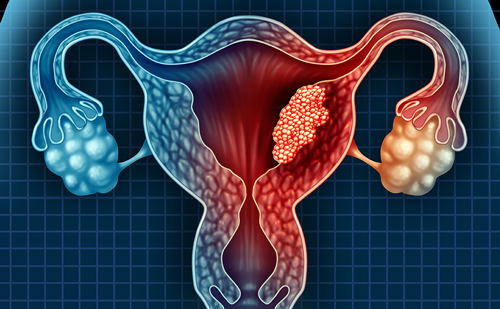
Endometrial cancer has become an increasingly significant cause of morbidity and mortality for women. Currently, endometrial cancer is the most common invasive gynaecologic malignancy, and the ninth most common cancer among women in the USA, accounting for approximately 65,620 new cancer ...

The European Code of Cancer Practice The European Code of Cancer Practice is a patient-centred manifesto of the key features required to deliver good clinical cancer practice and improve patient outcomes in Europe.1,2 It builds upon the European Cancer Patient’...
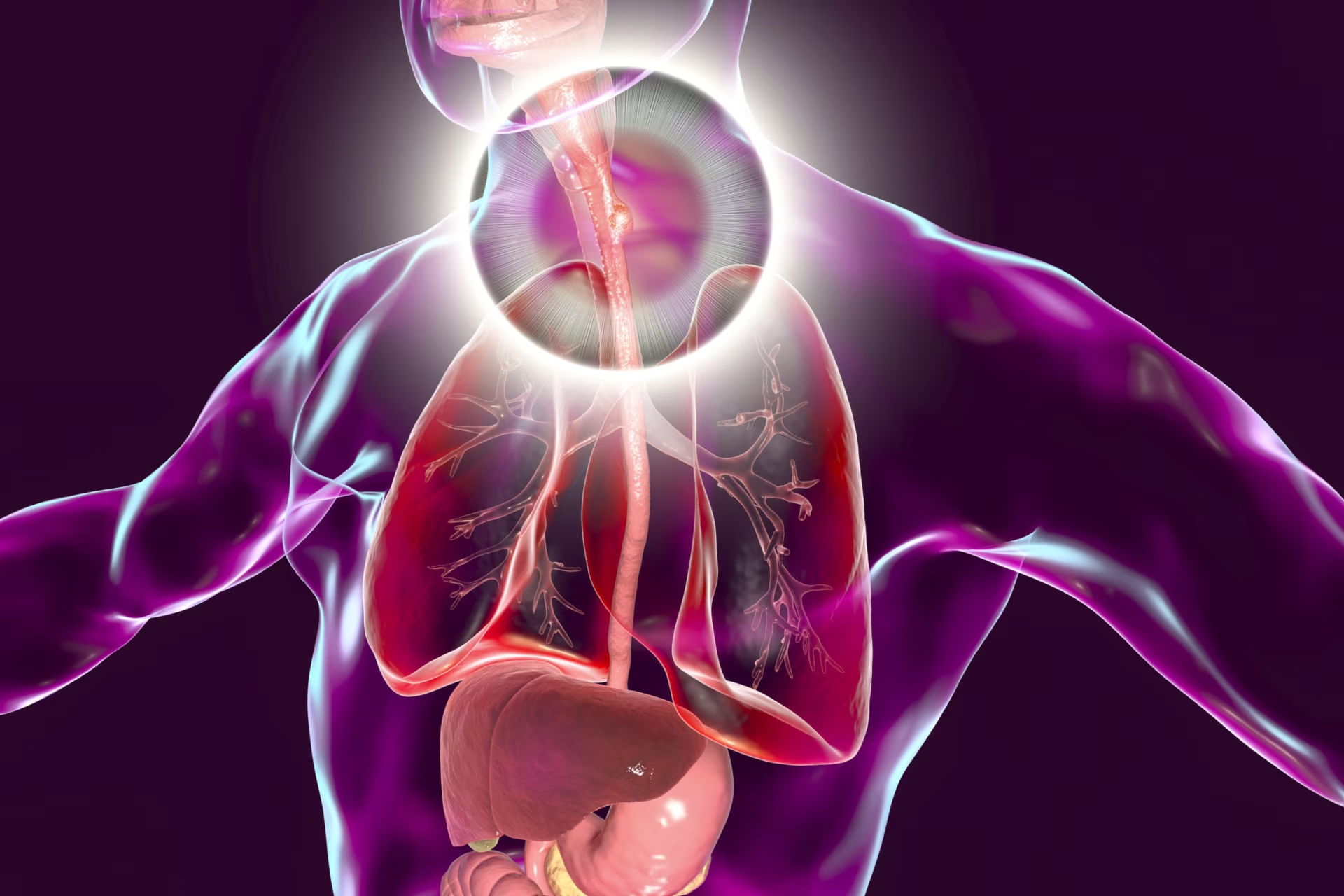
Esophageal cancer is the seventh most common malignancy and the sixth leading cause of death from cancer worldwide.1 The main histological subtypes are esophageal squamous cell carcinoma (ESCC) and esophageal adenocarcinoma. ESCC is the most common subtype, and the frequency ...
Log into your Touch Account
Keep track of your clinical interests and newsletter subscriptions.
Sign up with an Email
Or use a .
Register now for FREE access
Already registered? Login below.
