
Search Results
70 Results Found for “durvalumab, ”
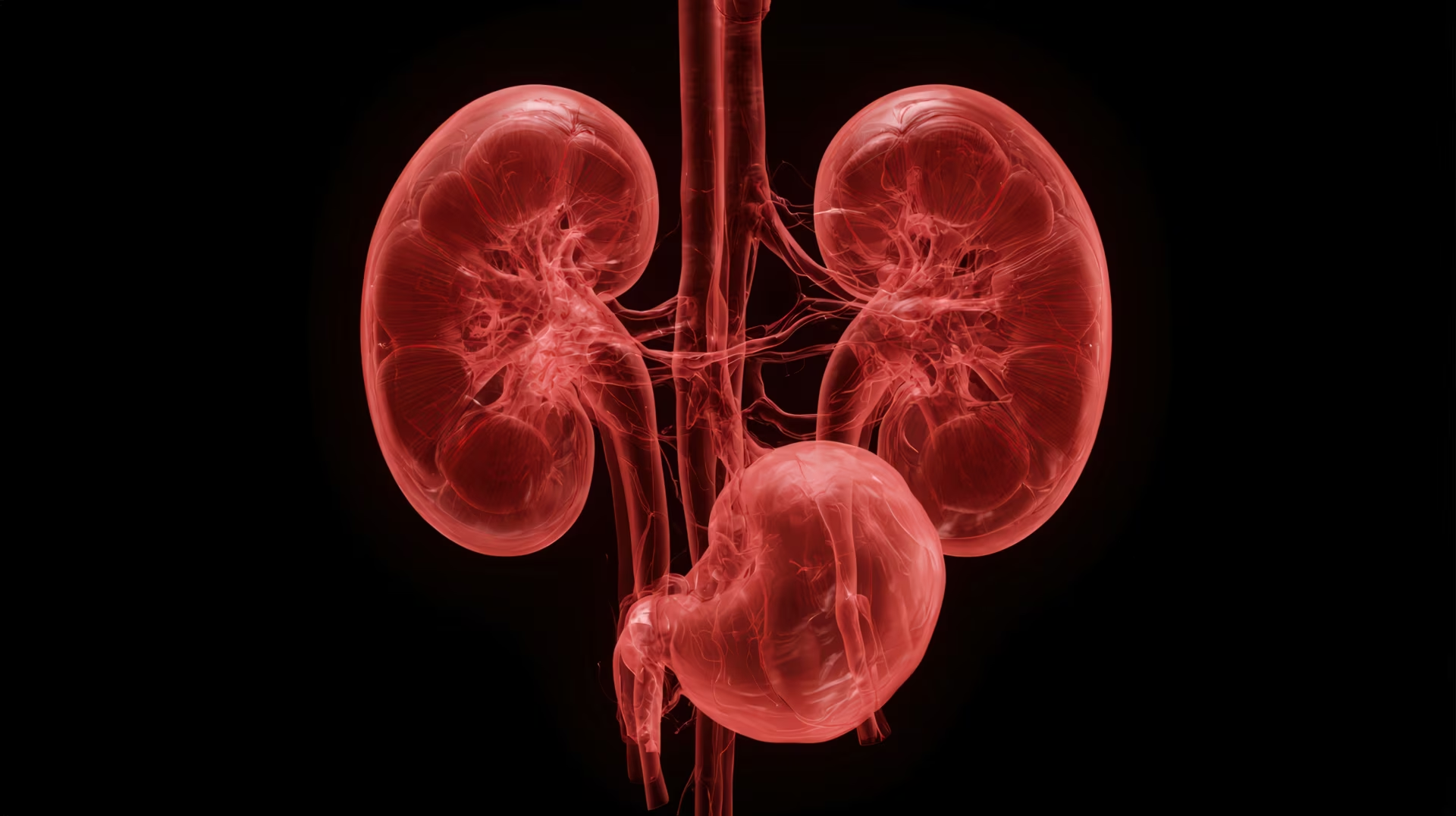
Urothelial carcinoma (UC) is the 11th most common cancer in the UK, with approximately 11,000 new bladder cancer diagnoses annually.1 Globally, bladder cancer accounts for approximately 635,000 new diagnoses and 228,000 deaths annually, based on the latest GLOBOCAN estimates for 2024.2 Bladder cancer constitutes ...
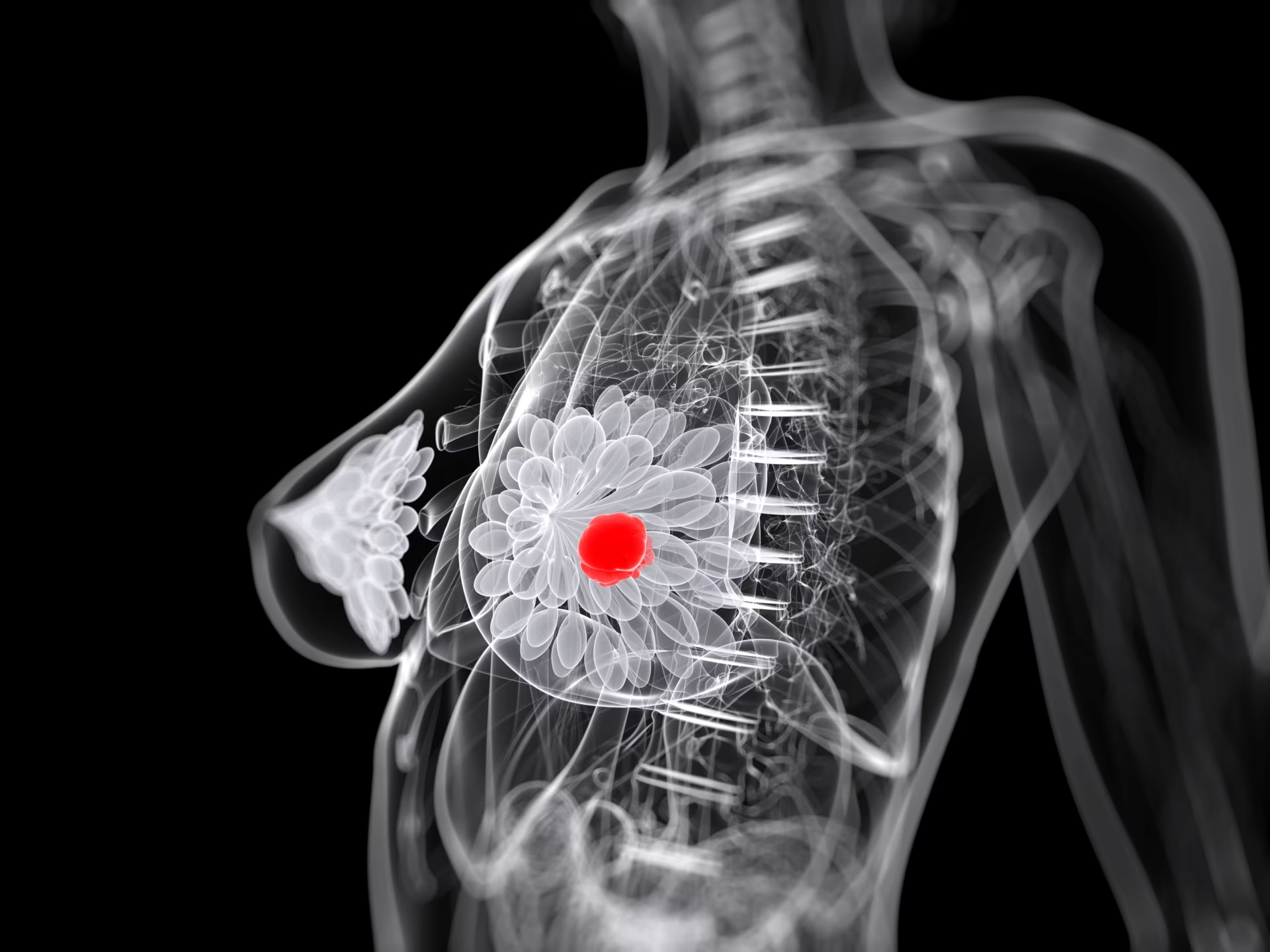
Metastatic triple-negative breast cancer (mTNBC) is a clinically heterogeneous disease, but compared with other breast cancer subtypes, triple-negative breast cancer (TNBC) is generally associated with a poorer prognosis and has historically had limited therapeutic options.1 The 5-year survival rate remains ...

From adjuvant immunotherapy to microbiome-driven precision medicine, the biggest renal cell carcinoma abstracts presented at ASCO 2026 highlight where the field is heading next, and what may change first. In this round-up, we discuss the key data from four of the meeting’s most important studies, from investigational to late-phase: RAMPART, KEYNOTE-564, CaboNivo in patients with nccRCC and microbiome-based predictive biomarker development in mRCC.

Bladder cancer’s treatment landscape is changing fast; and the biggest abstracts presented at ASCO 2026 show just how far that shift now extends. With insight from our Editor-in-Chief, Prof Axel S Merseburger (University Hospital Schleswig-Holstein, Germany), we examine the four studies likely to have the biggest impact on clinical practice across advanced and localized disease: EV-302, KEYNOTE-905, SAKK 06/19 and POTOMAC.

Several late-breaking gastrointestinal oncology studies presented at ASCO 2026 highlighted how treatment selection is continuing to evolve across colorectal, hepatobiliary, gastric, and esophageal cancers, with new data on ctDNA-guided adjuvant therapy, earlier integration of targeted agents, and intensified perioperative strategies. In this round-up, we have selected six of the most important late-breakers, and examine the latest data from CIRCULATE, BREAKWATER, EMERALD-3, Neo-CRAG, SCIENCE, and RC48-C027.
At the recent 2026 ASCO Genitourinary Cancers Symposium (ASCO GU26), Dr Jeannie Hoffman-Censits (The Sidney Kimmel Comprehensive Cancer Center, Johns Hopkins Medical Center, Baltimore, MD, USA) presented data from ECOG-ACRIN EA8192 cohort C, exploring a new approach for patients with high-grade (HG) upper tract urothelial carcinoma (UTUC) who are ineligible for cisplatin. With neoadjuvant options limited in this population, the trial assessed whether combining chemotherapy with immunotherapy could improve outcomes.

Pancreatic cancer (PC) is the tenth most common cancer in 2024, with 66,440 new cases and 51,570 deaths.1,2 Globally, the prevalence varies from 10/100,000 cases in the Americas and Europe to 0.9/100,000 cases in South Central Asia and most of Africa.3 Currently, it has the ...

As 2025 draws to a close, we’re celebrating another remarkable year of growth, collaboration and innovation at touchONCOLOGY. From thought-provoking expert interviews and peer-reviewed research to dynamic conference coverage and an expanding portfolio of medical education, this year has been defined by meaningful conversations and impactful learning. We’ve had the privilege of engaging with leading clinicians, researchers and partner societies across the globe - bringing together diverse voices to support the oncology community with timely, accessible and authoritative content. As we reflect on the past 12 months, we’re proud to highlight the moments, milestones and stories that shaped our year.
The European Society for Medical Oncology (ESMO) 2025 congress brought over 100 late-breaking abstracts, 250 sessions, 600 expert speakers and 33,800 delegates to Berlin in October. The meeting highlighted innovations ranging from novel agents to real-world evidence and patient-centred care. In this article, hear from the experts on the key breakthroughs and clinical insights set to shape the future of oncology practice.
From breakthrough perioperative regimens to biomarker-driven precision therapy, ESMO 2025 unveiled practice-changing data in bladder cancer. Landmark trials like KEYNOTE-905, IMvigor011, and BladderPath are redefining standards across disease stages—offering new hope for cisplatin-ineligible patients, guiding adjuvant decisions through ctDNA, and streamlining diagnostics with MRI.
In this interview, we speak with Prof. Domenica Lorusso (Humanitas Hospital San Pio X, Humanitas University, Rozzano, Milan) about the latest ROSELLA findings, their implications for clinical practice, the next steps in this research and other key data presented at this year’s meeting.
Fresh data from the ESMO 2025 Congress reveal major shifts in prostate and kidney cancer treatment. From radioligand therapy entering first-line prostate cancer to the first targeted AKT strategy in PTEN-deficient disease, and new benchmarks in RCC with LenCabo and RAMPART, the landscape is rapidly evolving.

“ESMO 2025 felt like a true turning point in breast cancer care” At the European Society for Medical Oncology (ESMO) 2025 congress, the landscape of early and advanced breast cancer management was powerfully reshaped, with new data spanning hormone-receptor positive (HR+), human ...
At ESMO25, oesophageal cancer care made substantive headway: the MATTERHORN trial established a significant overall survival benefit with perioperative durvalumab plus FLOT, while SKYSCRAPER-07 offered a provocative signal of benefit for adjuvant atezolizumab after chemoradiation in squamous disease. In this interview with Dr Michael Gibson we unpack the data, the implications for multidisciplinary practice and the future research direction.
Dr Petros Grivas discusses how the neoadjuvant and perioperative landscape for bladder cancer is rapidly evolving. From durvalumab-based combinations for cisplatin-eligible patients to pembrolizumab–enfortumab vedotin for those ineligible for platinum therapy, the field is shifting fast. Dr Grivas shares key trial updates from ESMO25, emerging biomarker insights and a glimpse into the future of personalized and bladder-preserving treatment.

Hepatocellular carcinoma (HCC) is the most common primary malignancy of the liver, comprising approximately 85% of all primary liver cancers.1 Globally, it ranks as the sixth-most common cancer and the third-leading cause of cancer-related mortality, with over 900,000 new cases and 830,000 deaths ...

The 2025 European Society for Medical Oncology (ESMO) Annual Meeting is fast approaching, and the global oncology community is gearing up for another transformative gathering of leading minds, data and innovation. This year’s congress will take place 17th–21st October in Berlin, Germany. It promises to showcase the latest advancements in cancer research, care delivery and international collaboration.

Dr Federico Monaca discusses the role of consolidative thoracic radiotherapy after chemo-immunotherapy in ES-SCLC, highlighting improved chest control but uncertain survival impact. He also reflects on key WCLC 2025 updates, including DLL3-targeted therapies, novel immunotherapy combinations, and biomarker-driven strategies offering fresh hope in small cell and non-small cell lung cancers.
Log into your Touch Account
Keep track of your clinical interests and newsletter subscriptions.
Sign up with an Email
Or use a .
Register now for FREE access
Already registered? Login below.
