
Search Results
45 Results Found for “gastro-oesophageal junction cancer”

At European Society for Medical Oncology (ESMO) Congress 2026, new data from VOLGA, KEYNOTE-B15, ENERGIZE, KEYNOTE-866 and POTOMAC examine perioperative treatment combinations, circulating tumor DNA (ctDNA) and bladder-preserving strategies across muscle-invasive and non-muscle-invasive bladder cancer.
Gastrointestinal (GI) cancers constitute a major contributor to global cancer incidence and mortality and remain among the leading causes of cancer-related death worldwide despite advances in prevention, screening and supportive care.1,2 Collectively encompassing malignancies of the esophagus, stomach, liver, biliary ...
Esophageal cancer (EC) is a major global health concern, ranking as the 11th most commonly diagnosed cancer and the seventh leading cause of cancer-related deaths worldwide, with an estimated 494,320 new cases and 441,994 deaths in 2024.1 Esophageal squamous cell carcinoma (ESCC) remains ...

Several late-breaking gastrointestinal oncology studies presented at ASCO 2026 highlighted how treatment selection is continuing to evolve across colorectal, hepatobiliary, gastric, and esophageal cancers, with new data on ctDNA-guided adjuvant therapy, earlier integration of targeted agents, and intensified perioperative strategies. In this round-up, we have selected six of the most important late-breakers, and examine the latest data from CIRCULATE, BREAKWATER, EMERALD-3, Neo-CRAG, SCIENCE, and RC48-C027.
Small bowel adenocarcinoma (SBA) is a rare gastrointestinal malignancy, accounting for about 1–3% of gastrointestinal cancers.1,2 Its reported incidence has increased in recent decades, likely reflecting improved detection by balloon-assisted and capsule endoscopy and the more widespread use of cross-sectional imaging.3,4 ...

The treatment paradigm for HER2-positive advanced gastric and GEJ adenocarcinoma has been reshaped by the integration of immune checkpoint inhibitors into trastuzumab-based chemotherapy. The phase III KEYNOTE-811 trial established the benefit of adding pembrolizumab to trastuzumab and chemotherapy, whereas the HERIZON-GEA-01 trial, presented at 2026 ASCO GI Cancers Symposium, explored a distinct strategy – enhancing HER2 blockade itself through substitution with the bispecific antibody zanidatamab, with or without PD-1 inhibition.
At ESMO25, oesophageal cancer care made substantive headway: the MATTERHORN trial established a significant overall survival benefit with perioperative durvalumab plus FLOT, while SKYSCRAPER-07 offered a provocative signal of benefit for adjuvant atezolizumab after chemoradiation in squamous disease. In this interview with Dr Michael Gibson we unpack the data, the implications for multidisciplinary practice and the future research direction.

Cervical cancer (CC) is the fourth most common cancer among women worldwide, with an estimated 604,000 new cases and 342,000 CC-related deaths in 2020.1# Approximately 90% of CCs are caused by infection with human papillomavirus (HPV).2 Even though the adoption of both primary (HPV ...

With the second half of 2025 underway, we asked our touchONCOLOGY Future Leaders 2025 to share the developments they believe will shape the future of the field. Here, they highlight five exciting areas that promise to transform practice – not only as the year draws to a close, but well into the future.

Oesophageal cancer is the eighth most commonly diagnosed cancer and is the sixth leading cause of cancer death worldwide.1,2 Worldwide, around 604,100 new instances of oesophageal cancer were recorded in 2020, leading to approximately 544,100 deaths. This translates to a standardized incidence rate ...

Rat sarcoma virus (RAS) proteins are a family of prototypical oncogenes frequently mutated in human cancers. Mutations in the RAS gene account for 19% of all pathogenic alterations and are the subject of extensive research in molecular and clinical oncology.1 The ...
Practice-changing data in the field of gastrointestinal cancer was presented at ASCO 2024. To understand these, as well as the other highlights from the meeting, we spoke with Assistant Professor of Medicine (Medical Oncology), Yale School of Medicine, Dr Michael Cecchini. In this interview, Dr Cecchini discusses the findings from the ESOPEC (NCT02509286), TRANSMET (NCT02597348), COLLISION (NCT03088150), ARC-9 (NCT04660812), ABBV-400 (NCT05029882) and other presentations, offering his valuable insights into the impact the results could have on clinical practice.
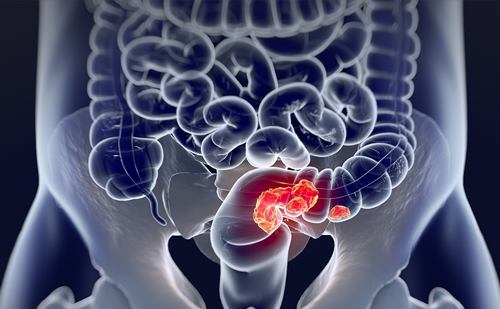
Outcomes for patients with metastatic colorectal cancer have steadily improve due to discovery of new drugs as well as increasing number patients undergoing local therapies.1 Angiogenesis is of a paramount importance in this disease and since vascular endothelial growth factor (...

In the latest edition of touchREVIEWS in Oncology & Haematology, we are pleased to present a collection of articles that delve into the latest research and advancements in the field. From innovative therapies and genetic treatments to analyses of digital ...
Gastric and gastro-oesophageal junction (GOJ) adenocarcinomas are highly aggressive tumours with an overall poor prognosis, which is primarily attributable to the late stage of diagnosis resulting from nonspecific symptoms.1,2 While curative surgical resection is recommended for early-stage cases,3 advanced disease ...
Data released from the KEYNOTE-585 (NCT03221426), KEYNOTE-811 (NCT03615326), MATTERHORN (NCT04592913) and SANO (NCT05491616) trials, were some of the most anticipated results and highlights in upper gastrointestinal cancer presented at EMSO 2023. To summarise the findings from these key studies and their ...
The field of immuno-oncology has provided novel therapeutic agents that have led to significant improvements in patient outcomes across many tumour types. There have also been great efforts to incorporate immunotherapy (IO) into the treatment paradigms of gastrointestinal (GI) cancers. ...

touchONCOLOGY spoke with editorial board member Michael K Gibson (Vanderbilt University, Nashville, TN, USA) to discuss his highlights from the American Society of Clinical Oncology (ASCO) Annual Meeting, 2–6, June 2023 in the field of upper GI oncology, including the phase 3 ATTRACTION-5 ...
Log into your Touch Account
Keep track of your clinical interests and newsletter subscriptions.
Sign up with an Email
Or use a .
Register now for FREE access
Already registered? Login below.
