
Search Results
92 Results Found for “hepatocellular carcinoma”

Gastrointestinal (GI) cancers constitute a major contributor to global cancer incidence and mortality and remain among the leading causes of cancer-related death worldwide despite advances in prevention, screening and supportive care.1,2 Collectively encompassing malignancies of the esophagus, stomach, liver, biliary ...

Abderrahim Oussalah discusses findings from the SEPT9_CROSS study evaluating circulating methylated SEPT9 as a blood-based biomarker for HCC detection in cirrhosis. “These findings support a two-tier surveillance framework in which mSEPT9 and AFP work together to improve both the ...

Several late-breaking gastrointestinal oncology studies presented at ASCO 2026 highlighted how treatment selection is continuing to evolve across colorectal, hepatobiliary, gastric, and esophageal cancers, with new data on ctDNA-guided adjuvant therapy, earlier integration of targeted agents, and intensified perioperative strategies. In this round-up, we have selected six of the most important late-breakers, and examine the latest data from CIRCULATE, BREAKWATER, EMERALD-3, Neo-CRAG, SCIENCE, and RC48-C027.

Immune checkpoint inhibitors (ICIs) act by blocking inhibitory pathways such as programmed cell death protein 1 (PD-1), programmed cell death ligand 1 (PD-L1) and cytotoxic T lymphocyte-associated antigen 4 (CTLA-4), thereby restoring T-cell activity and promoting tumour cell destruction.1,2 The ability of tumours ...

The intestinal microbiota, composed of approximately 1,000 species and over 100 trillion micro-organisms, plays a vital role in host physiology, including metabolism, barrier function and immune regulation.1 Disruption of this delicate host–microbiota balance – known as dysbiosis – has been implicated in the ...

It is with great pleasure that we present the latest edition of touchREVIEWS in Oncology & Haematology. This edition showcases the continued advances and innovation reshaping cancer care, as well as highlighting the continued unmet needs and challenges associated with ...

Hepatocellular carcinoma (HCC) is the most common primary malignancy of the liver, comprising approximately 85% of all primary liver cancers.1 Globally, it ranks as the sixth-most common cancer and the third-leading cause of cancer-related mortality, with over 900,000 new cases and 830,000 deaths ...

The newly released Lancet Commission on hepatocellular carcinoma (HCC) is a powerful wake-up call to the global health community. It highlights that more than 60% of liver cancer cases are preventable through action on hepatitis, metabolic dysfunction-associated steatotic liver disease (MASLD) and alcohol use. Without intervention, HCC cases could double by 2050 – reaching over 1.5 million new cases annually and 1.37 million deaths.
Despite being considered a rare type of malignancy, constituting only 3% of all gastrointestinal cancers, the incidence of biliary tract cancers (BTCs) has been increasing worldwide in recent years, with about 20,000 new cases annually only in the USA.1–3 These cancers arise ...

Metastatic castration-resistant prostate cancer (mCRPC) represents the most formidable stage of prostate cancer (PCa) and is responsible for the majority of PCa-related mortalities. This advanced form of the disease typically evolves from less aggressive stages.1 PCa is broadly categorized into ...

Rat sarcoma virus (RAS) proteins are a family of prototypical oncogenes frequently mutated in human cancers. Mutations in the RAS gene account for 19% of all pathogenic alterations and are the subject of extensive research in molecular and clinical oncology.1 The ...

Liver cancer remains a significant global health challenge, often going undetected until it has progressed to advanced stages. A major barrier to early detection is the lack of awareness about liver health and risk factors, such as chronic liver diseases ...
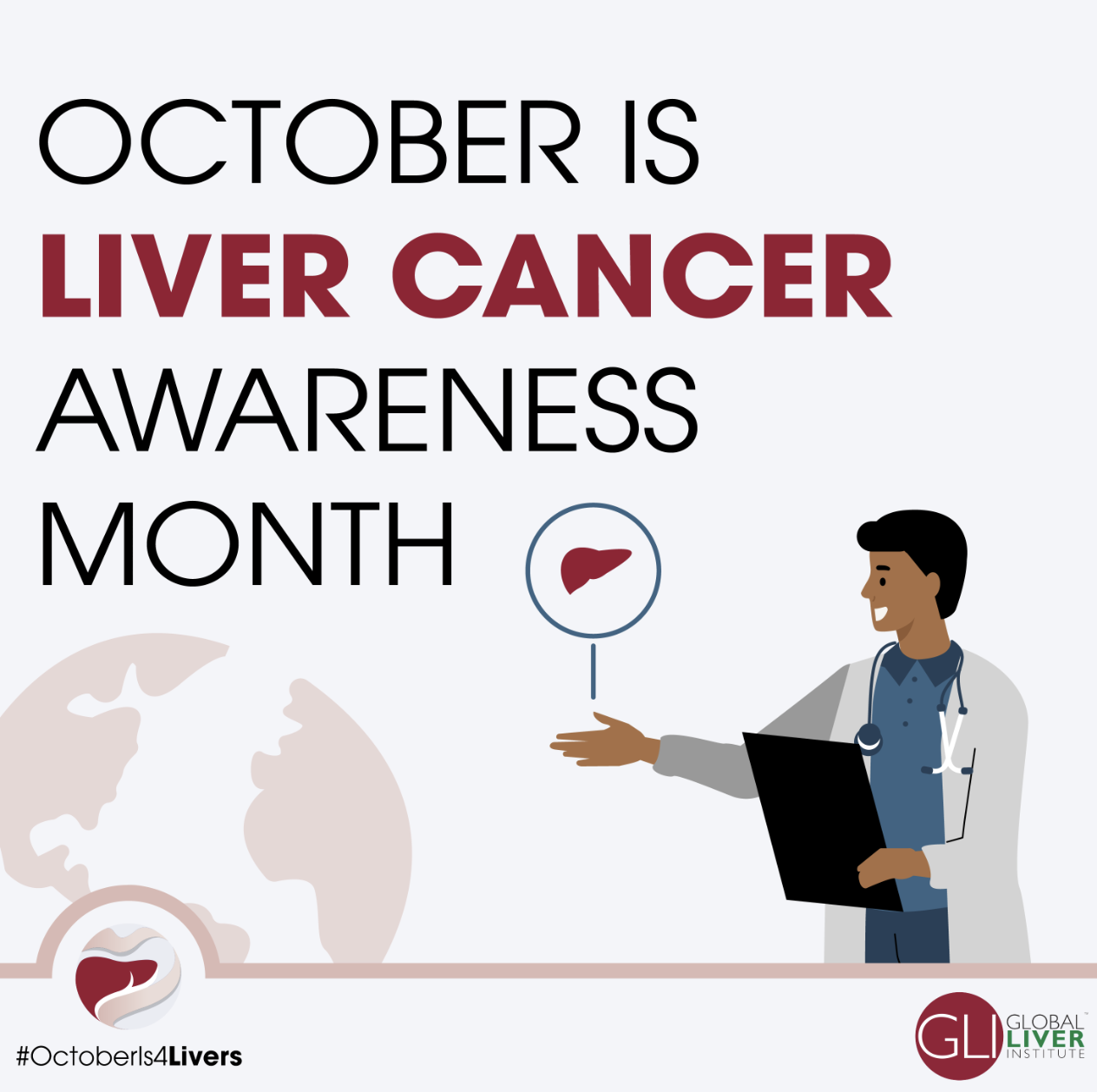
touchONCOLOGY are delighted to support Global Liver Institute (GLI) as they officially launch their seventh annual #OctoberIs4Livers campaign, aiming to raise awareness about liver cancer and the disparities that affect communities at risk. This initiative comes in observance of Liver Cancer Awareness Month and this year focuses on the important theme “Addressing Disparities in Liver Cancer Care.”
touchONCOLOGY coverage of data presented at European Society of Medical Oncology (ESMO) 2024 Annual Congress The LEAP-012 trial is a phase III, randomized, double-blind study that evaluated the efficacy and safety of combining lenvatinib and pembrolizumab with transarterial chemoembolization (TACE) compared ...

The ESMO GI 2024 meeting, held this year in Munich, Germany, brought together researchers and clinicians from around the world to discuss recent developments in gastrointestinal malignancies.

The annual ASCO2024 meeting was packed as always with the latest trial data and treatment advances in oncology.

Welcome to the latest issue of touchREVIEWS in Oncology & Haematology. We are honoured to present a series of compelling articles that reflect cutting-edge developments and diverse perspectives in this ever-evolving field. This issue includes a series of editorials and ...
Log into your Touch Account
Keep track of your clinical interests and newsletter subscriptions.
Sign up with an Email
Or use a .
Register now for FREE access
Already registered? Login below.
