
Search Results
16 Results Found for “isocitrate dehydrogenase”

Extended follow-up from the phase 3 INDIGO trial presented at ASCO 2026 provides further evidence that vorasidenib may offer durable disease control in patients with grade 2 glioma harboring IDH1/2 mutations, reinforcing earlier findings that led to its regulatory approvals. In the article below, we provide a details analysis of the latest INDIGO data and Dr Timothy Cloughesy's expert perspective on what the longer-term efficacy and safety findings could mean for the evolving treatment landscape in IDH-mutant glioma.

Among glial tumours of the central nervous system (CNS), one of the most devastating is the category of H3K27-altered midline gliomas because of their uniform and rapid mortality, high neurological symptom burden and predilection for paediatric, adolescent and ...

Acute myeloid leukaemia (AML) is a heterogeneous haematologic cancer associated with clonal expansion of myeloid blasts in the bloodstream, bone marrow and other tissues. AML is associated with blasts expressing various complex molecular and cytogenetic alterations, which play an important ...

Despite being considered a rare type of malignancy, constituting only 3% of all gastrointestinal cancers, the incidence of biliary tract cancers (BTCs) has been increasing worldwide in recent years, with about 20,000 new cases annually only in the USA.1–3 These cancers arise ...

Cholangiocarcinoma (CCA) is a cancer of the epithelial cells lining the biliary tree in the liver and can occur both inside the liver (intrahepatic CCA [iCCA]) and outside the liver (extrahepatic CCA, which includes both perihilar and distal cholangiocarcinoma) (Figure 1). ...

Key points Olutasidenib induces durable responses in patients with relapsed or refractory (R/R) acute myeloid leukaemia (AML) with isocitrate dehydrogenase 1 (IDH1) mutations in the phase I and II clinical trials. The side effects of olutasidenib are well known and ...

Adult-type diffuse low-glade gliomas (LGGs) (World Health Organization [WHO] grade 2) represent 5–10% of all primary brain tumours.1 The median age of onset is in the third and fourth decades of life. Common clinical presentations include seizures, focal neurological deficits, and new-onset ...

Biliary tract cancers (BTCs) are a heterogeneous group of adenocarcinomas that originate from the epithelial lining of the biliary tree and are classified into cholangiocarcinoma (CCA) and gallbladder cancer. BTC is an aggressive and rare epithelial malignancy that is usually ...
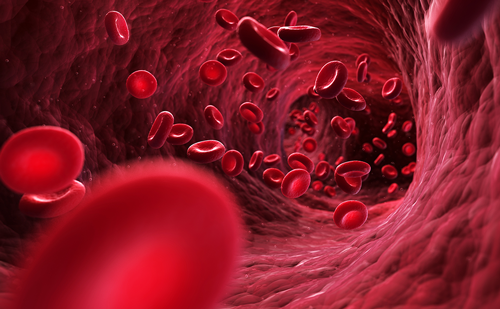
Acute myeloid leukaemia (AML) is a heterogeneous haematological malignancy characterized by the presence of ≥20% blasts in bone marrow or peripheral blood or the presence of defined genetic abnormalities.1 In 2020, there were an estimated 21,450 new patients with AML and 11,180 AML-related deaths ...

Cholangiocarcinomas (CCAs) are a heterogenous group of cancers arising from the biliary epithelium. While they account for around 3% of all gastrointestinal malignancies, they are the second most common primary liver cancer.1 CCAs tend to metastasize and have early lymph node ...
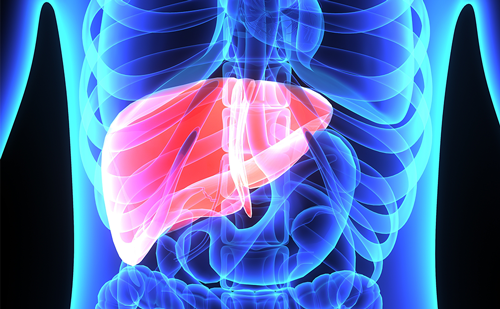
Cholangiocarcinoma constitutes approximately 3% of all gastrointestinal malignancies, and the incidence is on the rise, especially the intrahepatic subtype. These tumors are anatomically broadly classified into intrahepatic, perihilar, and distal cholangiocarcinoma. Recent understanding of tumorigenesis pathways has shown that there exists ...
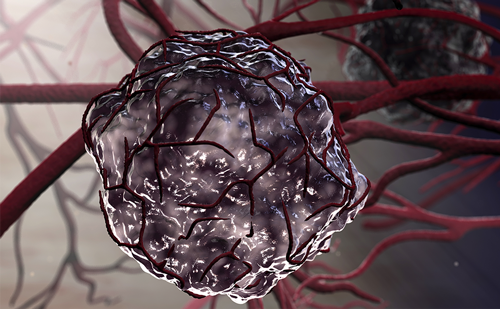
Cholangiocarcinoma is an epithelial malignancy of the biliary system characterized by cholangiocyte differentiation, and its incidence is on the rise. Currently, cholangiocarcinomas are classified by their anatomical location in the biliary system as intrahepatic cholangiocarcinoma, distal cholangiocarcinoma, or hilar cholangiocarcinoma. ...
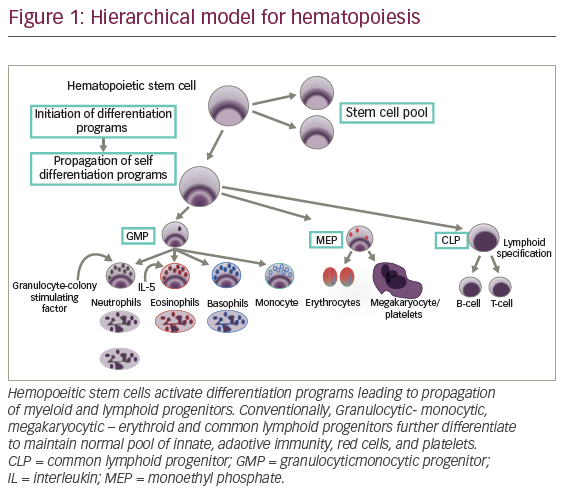
Myelodysplastic syndrome (MDS) is a cytogenetic, epigenetic, and immunological heterogeneous group of myeloid disorders characterized by dysplastic hematopoeisis and propensity for acute myelogenous leukemia (AML) transformation.1,2 The Surveillance, Epidemiology, and End Results (SEER) Program estimates that risk factors for the ...
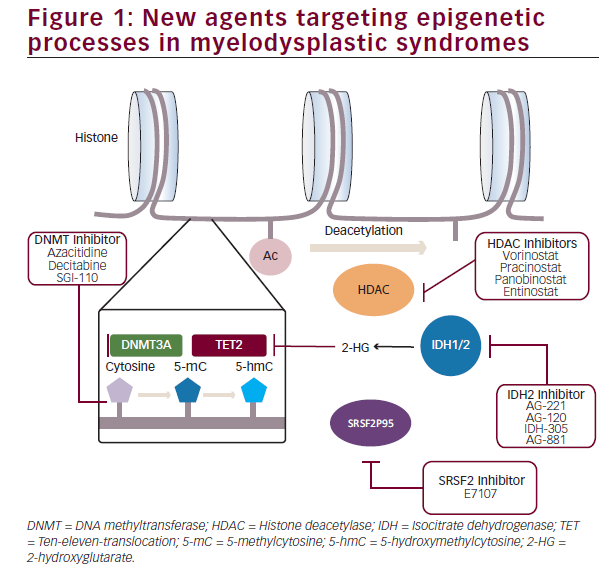
Epigenetic dysregulation in myelodysplastic syndromes – how important is it? Our understanding of the biology and pathogenesis of myelodysplastic syndromes (MDS) has evolved dramatically in the last two decades. Evidence of an epigenetic background of the disease identified by a hypermethylation ...
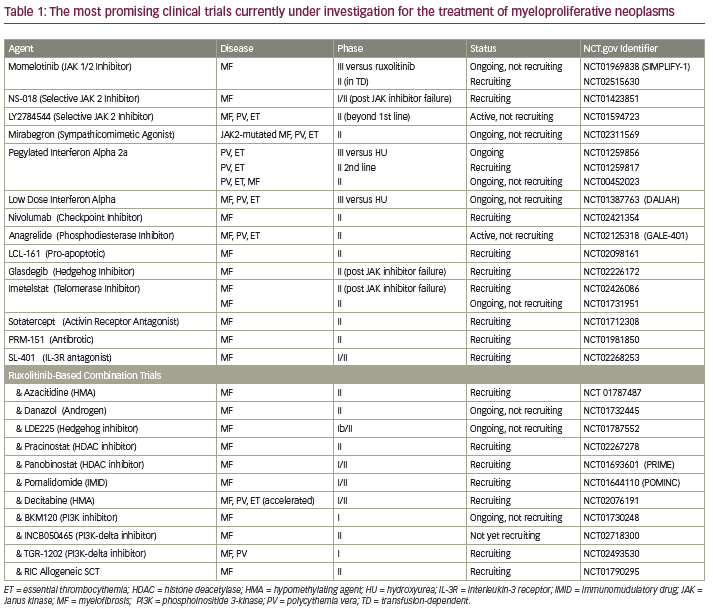
Janus kinase/signal transducer and activator of transcription inhibition A major breakthrough in understanding the molecular drivers of myeloproliferative neoplasms (MPNs) came in 2005, with the discovery of the Janus kinase 2 (JAK2) V617F driver mutation.1 Mutated JAK activates a number ...

Philadelphia-chromosome-negative myeloproliferative neoplasms (MPNs), including polycythaemia vera (PV), primary myelofibrosis (PMF) and essential thrombocythaemia (ET) are defined as clonal haematopoietic stem cell disorders. They are characterised by increased proliferation of terminally differentiated myeloid cells. Philadelphia-chromosome-negative myeloproliferative neoplasms (MPNs), including polycythaemia ...
Log into your Touch Account
Keep track of your clinical interests and newsletter subscriptions.
Sign up with an Email
Or use a .
Register now for FREE access
Already registered? Login below.
