
Search Results
823 Results Found for “medical oncology”

Urothelial carcinoma (UC) is the 11th most common cancer in the UK, with approximately 11,000 new bladder cancer diagnoses annually.1 Globally, bladder cancer accounts for approximately 635,000 new diagnoses and 228,000 deaths annually, based on the latest GLOBOCAN estimates for 2024.2 Bladder cancer constitutes ...
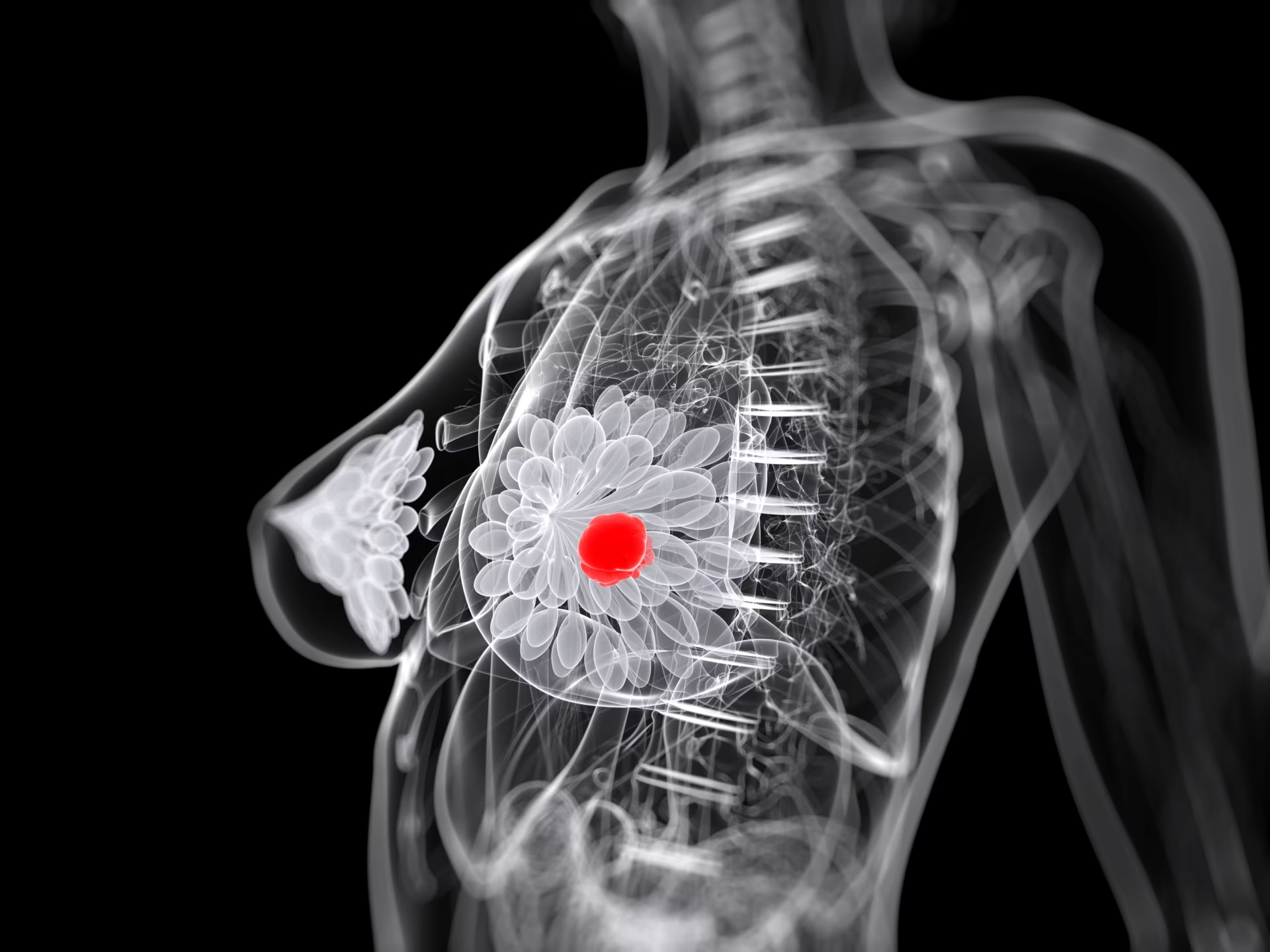
Metastatic triple-negative breast cancer (mTNBC) is a clinically heterogeneous disease, but compared with other breast cancer subtypes, triple-negative breast cancer (TNBC) is generally associated with a poorer prognosis and has historically had limited therapeutic options.1 The 5-year survival rate remains ...

As EORTC enters a new chapter under the Presidency of Professor Benjamin Besse (Gustave Roussy Institute and Paris-Saclay University, Villejuif, France), the organization is looking to accelerate academic research while keeping patients and scientific independence at its core. In this detailed and in-depth Q&A, Prof Besse shares his priorities for EORTC, from supporting the next generation of investigators and broadening clinical trial populations, to giving greater weight to quality of life and patient perspectives. He also considers how emerging technologies, including artificial intelligence, could reshape the way cancer research is conducted.

How can clinicians distinguish true progression from pseudoprogression in MGMT-methylated glioblastoma? Dr Jigisha Thakkar discusses the clinical implications of time to true progression in MGMT-methylated glioblastoma and approaches to distinguishing pseudoprogression from treatment failure.

Dr Igor Gómez-Randulfe Rodríguez examines four studies from WCLC 2026 that could influence the evolving management of small-cell lung cancer and molecularly defined non-small-cell lung cancer, from B7-H3 antibody-drug conjugates and MRI surveillance to emerging therapies targeting EGFR exon 20 insertions and ROS1.

The 2026 World Conference on Lung Cancer delivered several results with the potential to change clinical practice. My main takeaway was the speed at which effective options are multiplying in both small-cell lung cancer and molecularly defined non-small-cell lung cancer. The immediate advance is welcome, but it also makes treatment selection more complex: mature survival, intracranial control, toxicity, sequencing and access will increasingly matter as much as response rate or progression-free survival.

From AI and real-time toxicity monitoring to exercise and behavioural interventions, Prof Joanne Bowen explores the innovations reshaping supportive cancer care and outlines MASCC’s priorities for translating emerging evidence into meaningful improvements for patients.
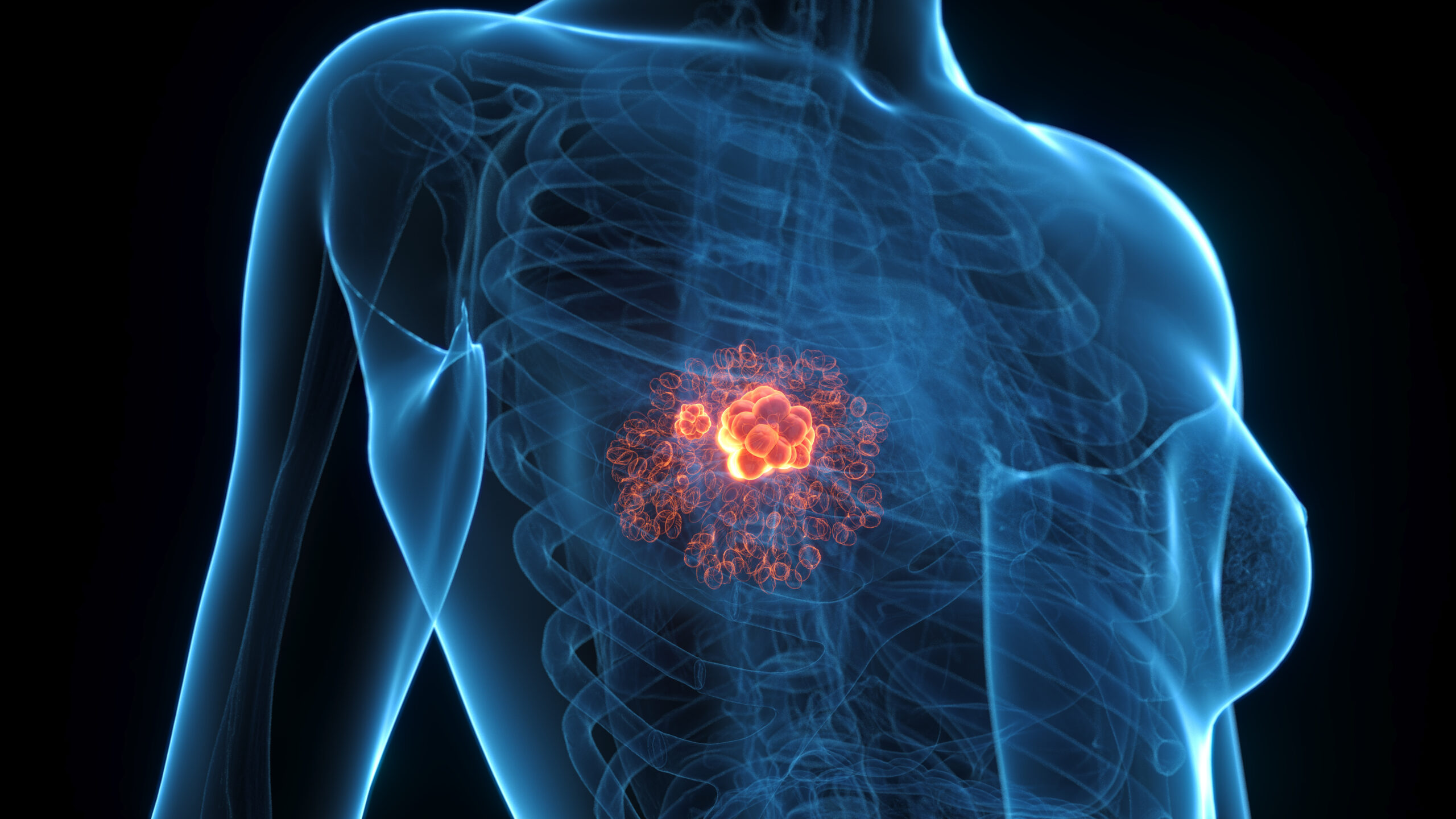
Circulating tumor DNA (ctDNA) has emerged as an innovative and minimally invasive tool in precision oncology. With a short half-life of 30–120 min, ctDNA provides real-time insight into tumor dynamics.1 In early-stage breast cancer, there is growing evidence supporting its potential ...

The AIEOP-BFM ALL 2017 trial represents one of the clearest demonstrations to date that frontline immunotherapy can outperform and out-safeguard conventional chemotherapy in pediatric ALL. Beyond its immediate implications for high-risk disease, the study may provide the framework for broader treatment redesign across ALL risk groups, with future trials now focused on how far chemotherapy exposure can be safely reduced while preserving—and potentially improving—long-term cure. In this exclusive Q&A, Prof Martin Schrappe suggests this may be only the beginning of chemotherapy de-escalation in childhood ALL.

For almost two decades, R-CHOP has remained the established frontline standard for DLBCL, yet approximately 40% of patients are not cured with first-line therapy. At EHA 2026, Prof Georg Lenz presented new phase 3 data from the frontMIND study suggesting that this long-standing backbone may now be open to improvement. The study showed that adding tafasitamab and lenalidomide to R-CHOP significantly improved progression-free survival (PFS) in previously untreated patients with high-risk DLBCL and high-grade B-cell lymphoma (HGBL), marking one of the first positive frontline intensification trials in this setting in recent years.

Several important lymphoma studies presented at ASCO 2026 provided new data across newly diagnosed and relapsed/refractory disease settings. The studies spanned aggressive B-cell lymphomas and classic Hodgkin lymphoma, evaluating novel antibody-based combinations, epigenetic targeting strategies and chemotherapy-sparing approaches. Dr Tycel Phillips provides his expert insights into the six most important studies of the meeting.

Late-breaking data from the phase 3 SENTRY trial show that selinexor plus ruxolitinib significantly improved spleen volume reduction in JAK inhibitor–naïve myelofibrosis, with rapid and sustained responses and an early signal for overall survival benefit. While symptom improvement was comparable to ruxolitinib alone, exploratory biomarker findings suggest potential disease-modifying activity, positioning the combination as a possible new frontline strategy.

Join us as leading experts discuss key data from the Plenary, Late-breaking and top oral sessions across each major disease area at ASCO 2026 touchONCOLOGY coverage of ASCO 2026 2026 American Society of Clinical Oncology (ASCO) Annual Meeting brought together the global oncology ...

Abderrahim Oussalah discusses findings from the SEPT9_CROSS study evaluating circulating methylated SEPT9 as a blood-based biomarker for HCC detection in cirrhosis. “These findings support a two-tier surveillance framework in which mSEPT9 and AFP work together to improve both the ...
Extended follow-up from the phase 3 INDIGO trial presented at ASCO 2026 provides further evidence that vorasidenib may offer durable disease control in patients with grade 2 glioma harboring IDH1/2 mutations, reinforcing earlier findings that led to its regulatory approvals. In the article below, we provide a details analysis of the latest INDIGO data and Dr Timothy Cloughesy's expert perspective on what the longer-term efficacy and safety findings could mean for the evolving treatment landscape in IDH-mutant glioma.

Could upfront PARP inhibition transform outcomes for patients with HRR-altered metastatic hormone-sensitive prostate cancer? New data from the landmark TALAPRO-3 trial show meaningful rPFS gains with talazoparib plus enzalutamide, reinforcing the importance of early biomarker testing. [touchplayvideo video_id="m9...

From adjuvant immunotherapy to microbiome-driven precision medicine, the biggest renal cell carcinoma abstracts presented at ASCO 2026 highlight where the field is heading next, and what may change first. In this round-up, we discuss the key data from four of the meeting’s most important studies, from investigational to late-phase: RAMPART, KEYNOTE-564, CaboNivo in patients with nccRCC and microbiome-based predictive biomarker development in mRCC.

Bladder cancer’s treatment landscape is changing fast; and the biggest abstracts presented at ASCO 2026 show just how far that shift now extends. With insight from our Editor-in-Chief, Prof Axel S Merseburger (University Hospital Schleswig-Holstein, Germany), we examine the four studies likely to have the biggest impact on clinical practice across advanced and localized disease: EV-302, KEYNOTE-905, SAKK 06/19 and POTOMAC.
Log into your Touch Account
Keep track of your clinical interests and newsletter subscriptions.
Sign up with an Email
Or use a .
Register now for FREE access
Already registered? Login below.
