
Search Results
30 Results Found for “mismatch repair deficient”
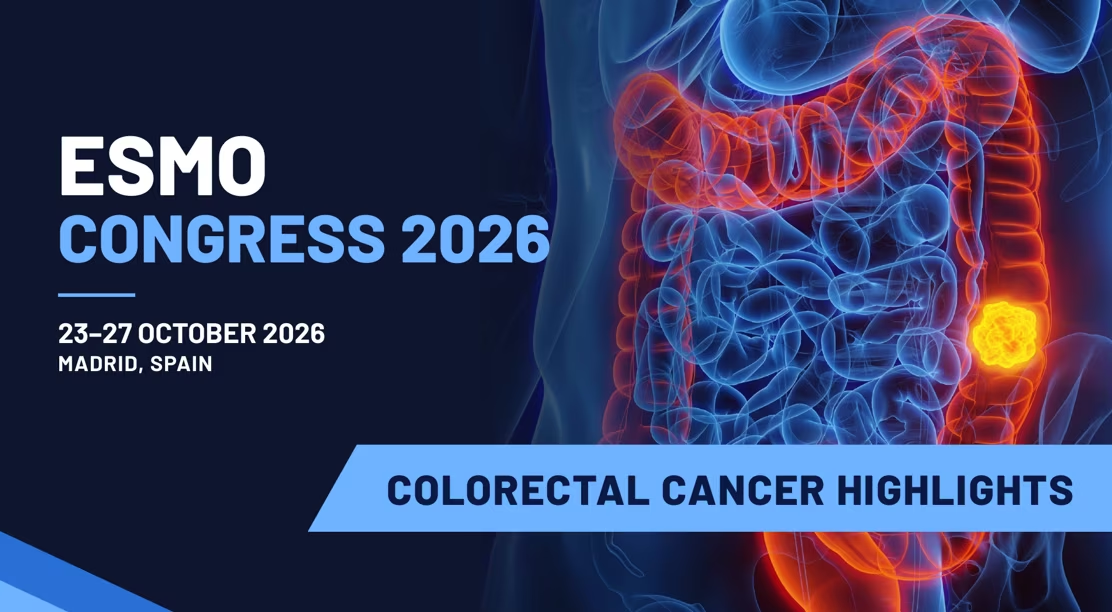
What are the most important developments in lower gastrointestinal oncology from ESMO 2026? Five selected studies examine key questions across locally advanced rectal cancer and metastatic and early-stage colorectal cancer. From the potential for immunotherapy to support organ preservation in dMMR/MSI-H rectal cancer, to longer-term survival outcomes with dual checkpoint inhibition and strategies to overcome acquired resistance to targeted therapy, these findings offer insights into evolving treatment approaches and their potential implications for clinical practice.

Gastrointestinal (GI) cancers constitute a major contributor to global cancer incidence and mortality and remain among the leading causes of cancer-related death worldwide despite advances in prevention, screening and supportive care.1,2 Collectively encompassing malignancies of the esophagus, stomach, liver, biliary ...

ESMO 2026 put gynecological oncology in the spotlight, with new survival data, phase III trial results and emerging therapies bringing cervical, endometrial and ovarian cancer into focus. The key sessions examined the role of immunotherapy, ADCs and targeted agents across first-line and previously treated settings. The findings included improved PFS with pembrolizumab in dMMR endometrial cancer, OS results from randomized studies and early efficacy data for investigational treatments in recurrent ovarian cancer.

The European Society for Medical Oncology (ESMO) Congress 2026 promises a compelling program of clinical data, spanning personalized cancer vaccines, next-generation antibody–drug conjugates (ADCs) and novel approaches to targeted therapy and immunotherapy. With several studies already generating excitement following positive topline announcements, all eyes will be on the full results and their potential implications for clinical practice. Below, we highlight the 12 presidential abstracts to watch, the key findings to look out for and the questions these studies could help answer.
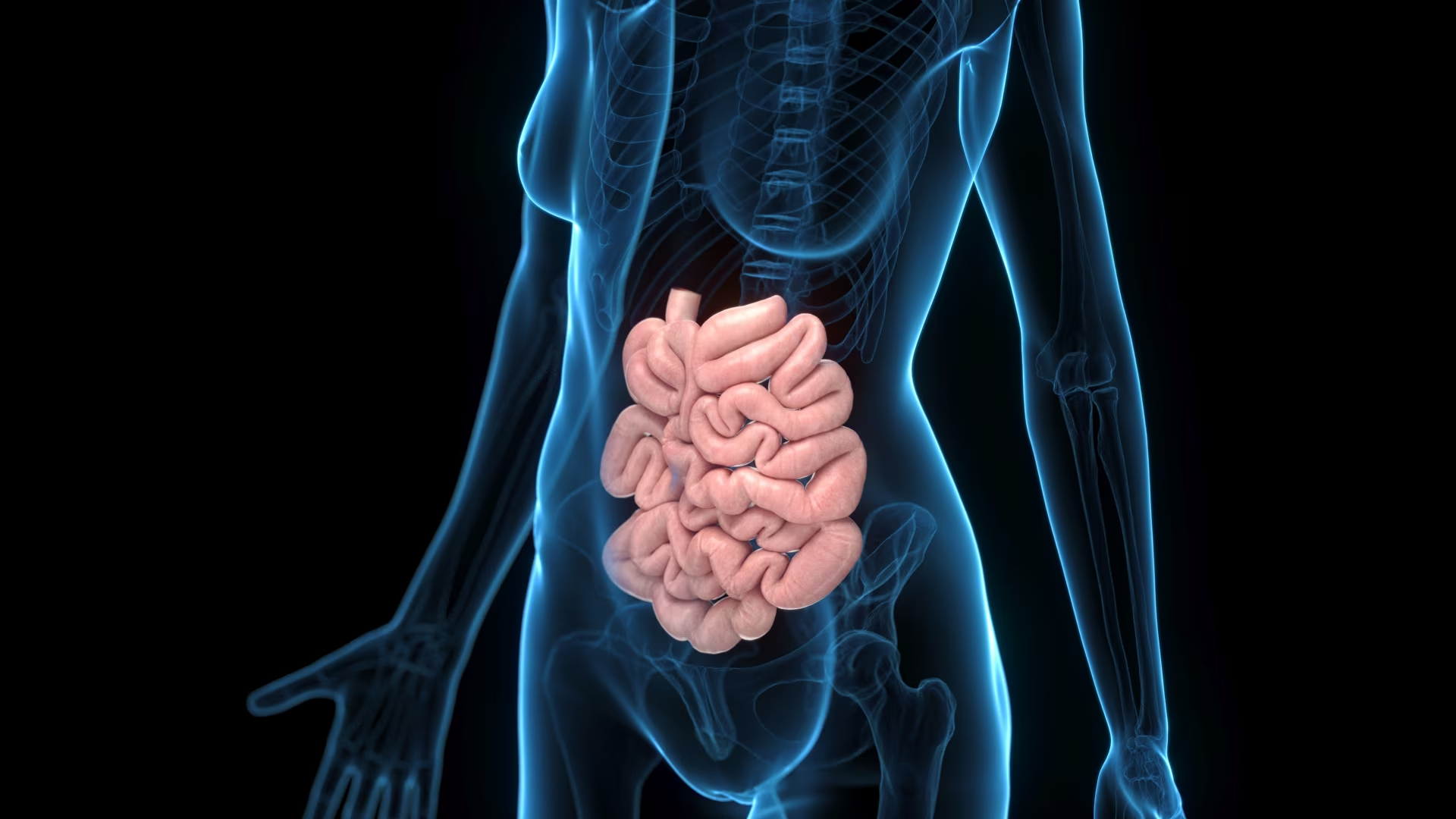
Small bowel adenocarcinoma (SBA) is a rare gastrointestinal malignancy, accounting for about 1–3% of gastrointestinal cancers.1,2 Its reported incidence has increased in recent decades, likely reflecting improved detection by balloon-assisted and capsule endoscopy and the more widespread use of cross-sectional imaging.3,4 ...

At ESGO26 investigators answered some of the field’s most persistent questions: the optimal timing of surgery, chemotherapy scheduling, the promise of immunotherapy in platinum-resistant disease and how molecular profiling can sharpen surgical decision-making. And the results didn't disappoint. Below are four of the most important abstracts from the Late-breaking, Best Oral and Best Three Minutes sessions: ENGOT-ov65/KEYNOTE-B96, RACC, ACR-368-201 and EUGENIE revealed insights that could shift the standard of care. Here’s what you need to know.

Dr Frank Sinicrope presented results from the ATOMIC trial at #ASCO25, showing that adding atezolizumab to adjuvant FOLFOX halved the risk of recurrence or death in stage III dMMR colon cancer. With no major safety concerns, the findings support chemo-immunotherapy as a new standard of care for this patient group.
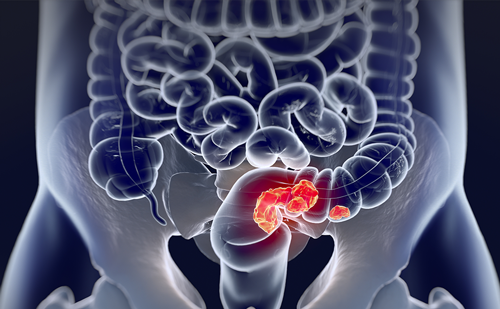
At #ASCO25, Dr Frank Sinicrope discussed major colon cancer trial updates, including ctDNA’s prognostic power post-surgery, the limitations of chemotherapy escalation in high-risk patients, and survival gains with first-line encorafenib + cetuximab + mFOLFOX6 in BRAF-mutant mCRC. These findings may reshape risk stratification and frontline treatment strategies.

Despite being considered a rare type of malignancy, constituting only 3% of all gastrointestinal cancers, the incidence of biliary tract cancers (BTCs) has been increasing worldwide in recent years, with about 20,000 new cases annually only in the USA.1–3 These cancers arise ...

What’s new in GI oncology? With the 2025 ASCO Gastrointestinal Cancers Symposium still fresh in our minds, we hear from leading experts on the key abstracts and presentations from the conference in the fields of colorectal and pancreatic cancer. Circulating ...

Trifluridine/tipiracil (FTD/TPI) is a novel oral formulation of two drugs with promising results in the treatment of metastatic colorectal cancer (mCRC).1 Trifluridine is a thymidine-based nucleoside analogue that, after intracellular phosphorylation, gets incorporated into DNA, causing DNA dysfunction.2 ...

The ESMO GI 2024 meeting, held this year in Munich, Germany, brought together researchers and clinicians from around the world to discuss recent developments in gastrointestinal malignancies.

To further understand the key developments and research presented in the field of gynaecological oncology at ASCO 2024, we spoke with Dr. Domenica Lorusso, Professor of Obstetrics and Gynaecology at Humanitas University of Milan, Italy. In this interview, Dr. Lorusso discusses the findings from the BrUOG 354 (NCT03355976), AGO-OVAR 2.29/ENGOT-ov34 (NCT03353831), KEYVIBE-005 (NCT05007106), and CARACO (NCT01218490) trials, offering her valuable insights into the potential impact these results could have on clinical practice.

Welcome to the latest issue of touchREVIEWS in Oncology & Haematology. We are honoured to present a series of compelling articles that reflect cutting-edge developments and diverse perspectives in this ever-evolving field. This issue includes a series of editorials and ...

The treatment of advanced or recurrent endometrial cancer has advanced significantly in recent years. This is particularly important, given the rising mortality rates of endometrial cancer, particularly among high-risk subtypes.1 Platinum-based chemotherapy had long been the standard of care in ...
Oesophageal cancer (OC) is the seventh most common malignancy and the sixth leading cause of death from cancer worldwide,1 with approximately 604,000 new cases in 2020.2 OC has two main histological subtypes: oesophageal squamous cell carcinoma (OSCC) and oesophageal adenocarcinoma (OAC). Worldwide, ...
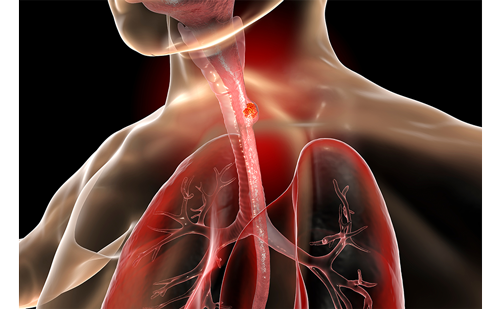
Cancers of the oesophagus and oesophagogastric junction (OGJ), termed upper gastrointestinal (UGI) cancers, are lethal and constitute a significant public health problem. In 2020, 604,000 cases and 544,000 UGI cancer-related deaths were estimated worldwide.1 UGI cancers are the seventh most frequently diagnosed cancer ...
Neoadjuvant immunotherapy has shown promising responses in several cancer types. In this touchONCOLOGY interview Dr Myriam Chalabi (Netherlands Cancer Institute, Amsterdam, Netherlands) discusses the NICHE-2 study results, investigating patients with non-metastatic deficient DNA mismatch repair (dMMR) colon cancer, treated with ...
Log into your Touch Account
Keep track of your clinical interests and newsletter subscriptions.
Sign up with an Email
Or use a .
Register now for FREE access
Already registered? Login below.
