
Search Results
76 Results Found for “pharmacokinetics”
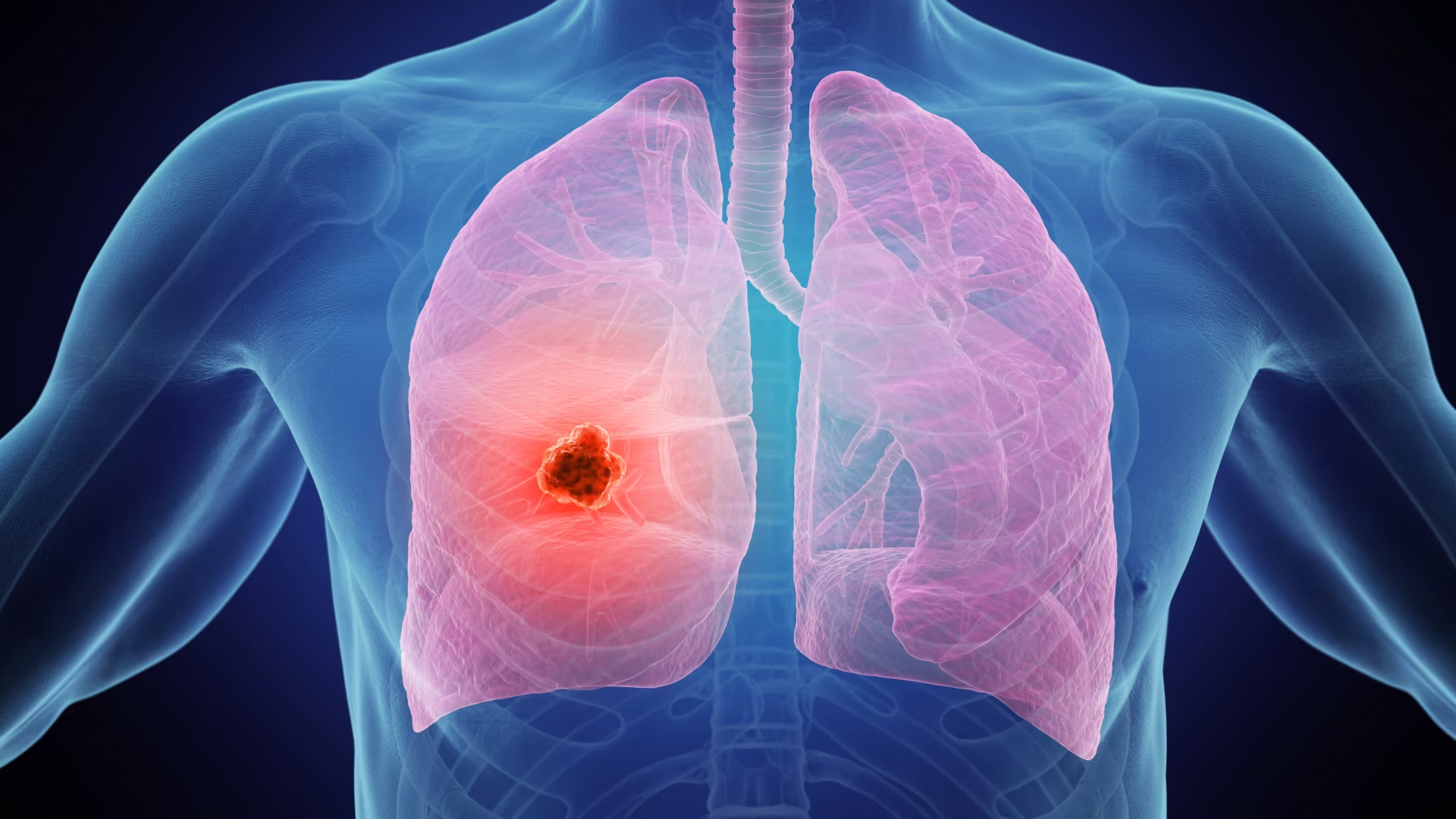
Non-small cell lung cancer (NSCLC) remains the leading cause of cancer-related mortality worldwide.1 Over the past two decades, the molecular characterization of NSCLC has transformed the therapeutic landscape by enabling the development of targeted therapies that have significantly improved outcomes ...

The first primary microangiopathic haemolytic anaemia was identified as thrombotic thrombocytopenic purpura (TTP) by Dr Moschowitz in 1924. At that time, the classic pentad of clinical features, still used today, included fever, erythrocyte fragmentation, thrombocytopenia, kidney injury and neurologic injury.1 It ...

Head and neck cancer (HNC), with over 946,000 new cases and 482,000 deaths in 2022, is the seventh most common cause of cancer-related deaths globally.1 Specifically, in the USA, the number of estimated new cases in 2024 was 74,000.2 Head and neck squamous cell carcinoma (...

Highlights Immunotherapy, especially combinatory immunotherapy, has shown promise with prolonged survival for patients with advanced mesothelioma in the first-line setting (see the sections on ‘Systemic treatment and immunotherapy debut’ and ‘Randomized immunotherapy trials of mesothelioma’). Histology-based therapy is important to ...

Oesophageal cancer is the eighth most commonly diagnosed cancer and is the sixth leading cause of cancer death worldwide.1,2 Worldwide, around 604,100 new instances of oesophageal cancer were recorded in 2020, leading to approximately 544,100 deaths. This translates to a standardized incidence rate ...

Rat sarcoma virus (RAS) proteins are a family of prototypical oncogenes frequently mutated in human cancers. Mutations in the RAS gene account for 19% of all pathogenic alterations and are the subject of extensive research in molecular and clinical oncology.1 The ...

Trifluridine/tipiracil (FTD/TPI) is a novel oral formulation of two drugs with promising results in the treatment of metastatic colorectal cancer (mCRC).1 Trifluridine is a thymidine-based nucleoside analogue that, after intracellular phosphorylation, gets incorporated into DNA, causing DNA dysfunction.2 ...
Endocrine therapy (ET) has changed the natural history of hormone receptor-positive (HR+) breast cancer (BC) and is the cornerstone of the treatment of HR+ BC. There are several ETs approved for the treatment of BC, including selective oestrogen receptor modulators (...

Trastuzumab deruxtecan (T-DXd) is a novel human epidermal growth factor receptor 2 (HER2)-targeted antibody–drug conjugate (ADC) designed to effectively deliver a potent topoisomerase I inhibitor (exatecan derivative) to HER2-expressing cancer cells and limit potential systemic toxicity.1 T-DXd has ...
Unmet clinical needs for patients with advanced epidermal growth factor receptor-mutated non–small-cell lung cancer Epidermal growth factor receptor (EGFR)-tyrosine kinase inhibitors (TKIs) have become the standard first-line therapy for patients with advanced non–small-cell lung cancer (NSCLC) harbouring ...

Severe haemophilia A (HA), defined as baseline factor VIII (FVIII) levels of <1%, results in traumatic and spontaneous bleeding episodes, which occur primarily in the joints, in addition to the muscles, soft tissue and the central nervous system. Prophylactic treatment ...

Lenalidomide is a standard of care in multiple myeloma. But with the prevalence of the lenalidomide-refractory population increasing, the CARTITUDE-4 trial aimed to assess ciltacabtagene autoleucel for this patient population. In this touchONCOLOGY interview, we speak with Dr Binod Dhakal (...

The purpose of phase I clinical trials are to evaluate the safety, dosage and potential side effects of a new drug or treatment in humans for the first time. In this touchONCOLOGY interview, we speak with Dr Vivek Subbiah (University ...
Acute myeloid leukaemia (AML) is a heterogeneous haematological malignancy characterized by the presence of ≥20% blasts in bone marrow or peripheral blood or the presence of defined genetic abnormalities.1 In 2020, there were an estimated 21,450 new patients with AML and 11,180 AML-related deaths ...
Chemotherapy-induced myelosuppression has long been considered a toxicity that limits the dose of cytotoxic agents, which contributes to significant morbidity and mortality.1 Sub-optimal dose intensity may decrease the efficacy of therapy, thereby compromising progression-free survival (PFS) and overall survival (OS) ...
B-cell signalling pathways are critical regulators of B-cell development, expansion, and survival and function via various mediators, including Src family kinases (SFKs), spleen tyrosine kinase, Bruton’s tyrosine kinase (BTK) and phosphatidylinositol 3 kinase (PI3K) (Figure 1).1,2 BTK, a member of ...
Neuroendocrine neoplasms (NENs) comprise a heterogenous group of malignancies with diverse clinical behaviour determined by tumour characteristics such as grade, differentiation and primary tumour origin.1 While neuroendocrine carcinomas are poorly differentiated aggressive malignancies, well-differentiated neuroendocrine tumours (NETs) tend to be ...

The addition of rituximab to chemotherapy provides an overall survival benefit in aggressive lymphomas,1 whereas for indolent lymphoma subtypes this addition has resulted in improvements in progression-free survival.2 For more than two decades, immunotherapy with monoclonal ‘naked’ antibodies targeting CD20 ...
Log into your Touch Account
Keep track of your clinical interests and newsletter subscriptions.
Sign up with an Email
Or use a .
Register now for FREE access
Already registered? Login below.
