
Search Results
478 Results Found for “radiation therapy”
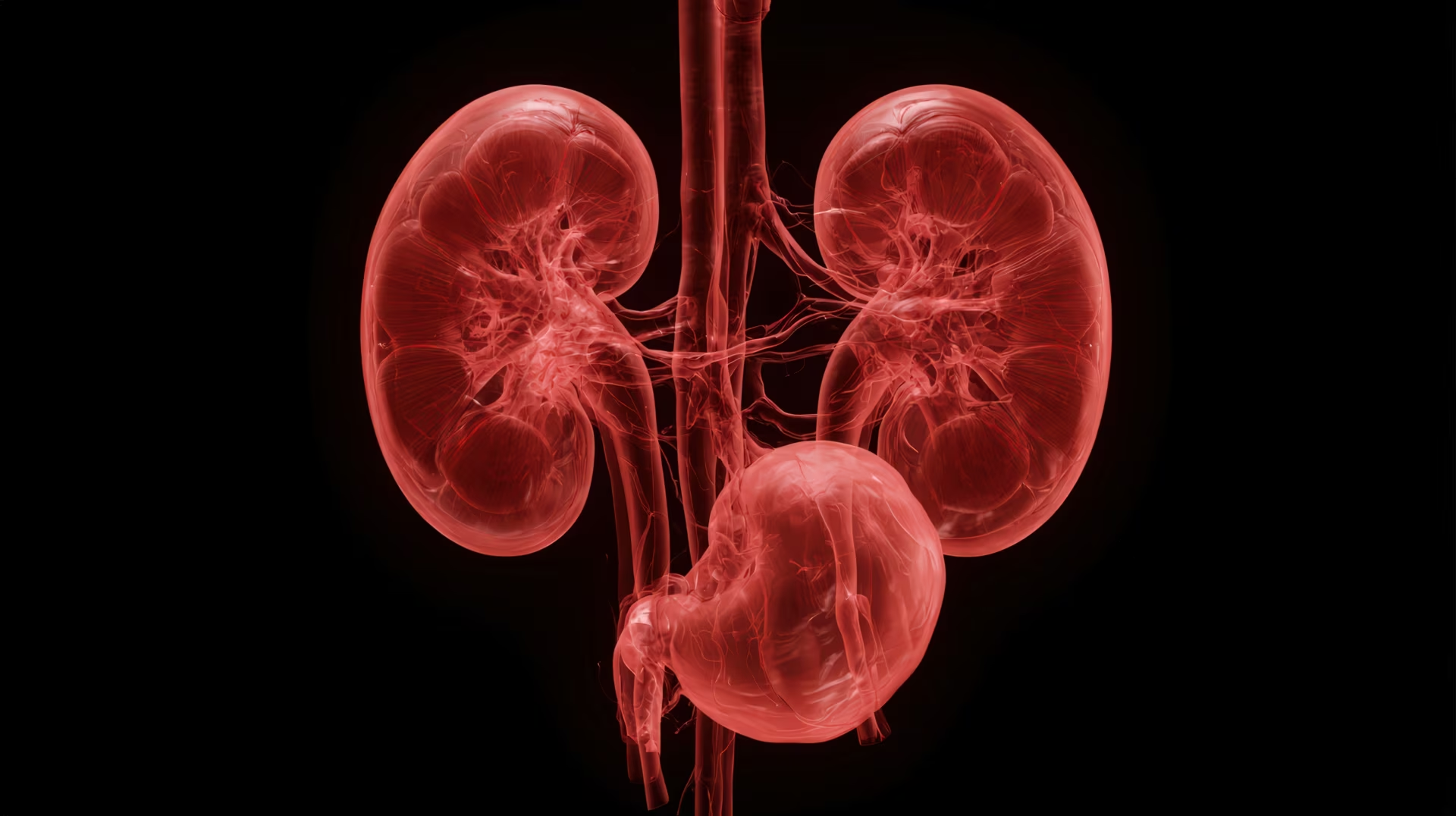
Urothelial carcinoma (UC) is the 11th most common cancer in the UK, with approximately 11,000 new bladder cancer diagnoses annually.1 Globally, bladder cancer accounts for approximately 635,000 new diagnoses and 228,000 deaths annually, based on the latest GLOBOCAN estimates for 2024.2 Bladder cancer constitutes ...

Dr Igor Gómez-Randulfe Rodríguez examines four studies from WCLC 2026 that could influence the evolving management of small-cell lung cancer and molecularly defined non-small-cell lung cancer, from B7-H3 antibody-drug conjugates and MRI surveillance to emerging therapies targeting EGFR exon 20 insertions and ROS1.

The 2026 World Conference on Lung Cancer delivered several results with the potential to change clinical practice. My main takeaway was the speed at which effective options are multiplying in both small-cell lung cancer and molecularly defined non-small-cell lung cancer. The immediate advance is welcome, but it also makes treatment selection more complex: mature survival, intracranial control, toxicity, sequencing and access will increasingly matter as much as response rate or progression-free survival.

Landmark abstracts across localized and advanced prostate cancer presented at ASCO 2026 addressed treatment intensification, biomarker-driven therapy, radiotherapy modality comparisons, and novel radioligand strategies. In this piece we examine four studies that reflect important shifts in prostate cancer management, influencing both near-term treatment pathways and future: PROTEUS, TALAPRO-3, COMPPARE and ProstACT Global.

At ASCO 2026 several neuro-oncology presentations focused less on introducing entirely new paradigms and more on defining where existing and emerging therapies may best fit. Across brain metastases and glioma, phase 3 data addressed longstanding practical questions around radiation delivery, chemotherapy duration, and local therapies, while updated targeted therapy data in IDH-mutant glioma continued to mature. In this piece, Dr Rimas Lukas highlights four main abstracts from ASCO 2026, discussing their take-aways and considering their potential relevance for clinical practice.

At AAN 2026, Dr Jigisha Thakkar presented data challenging long-standing assumptions of continuous tumor growth and suggesting that some patients may benefit from more individualized surveillance and treatment strategies. In this Q&A, Dr Thakkar discusses how intermittent dormancy in IDH-mutant gliomas may influence clinical decision-making, from MRI surveillance intervals to the timing of therapeutic intervention.

Among glial tumours of the central nervous system (CNS), one of the most devastating is the category of H3K27-altered midline gliomas because of their uniform and rapid mortality, high neurological symptom burden and predilection for paediatric, adolescent and ...

An immunosuppressed person is one whose immune function is impaired by underlying disease and/or immunosuppressive medications, resulting in reduced immunosurveillance against malignant cells and increased vulnerability to opportunistic infections. Longstanding immunosuppression has been linked to increased risk for cutaneous (...

The 15th European Breast Cancer Conference (EBCC15) showcased a wave of research poised to reshape breast cancer care. Below, we spotlight the key highlights from this year’s conference.

Pancreatic cancer (PC) is the tenth most common cancer in 2024, with 66,440 new cases and 51,570 deaths.1,2 Globally, the prevalence varies from 10/100,000 cases in the Americas and Europe to 0.9/100,000 cases in South Central Asia and most of Africa.3 Currently, it has the ...

Emerging strategies in head and neck cancer focus on personalizing therapy and reducing toxicity. ctDNA-guided chemotherapy with pembrolizumab in recurrent HNSCC achieved a 73% response rate, while ozuriftamab vedotin showed promising activity in pretreated HPV-positive OPSCC. Long-term results from the Quarterback trials indicate that reduced-dose chemoradiation after induction chemotherapy maintains durable control in selected patients. These findings support further exploration of molecular-guided, targeted, and de-escalated approaches to optimize outcomes.
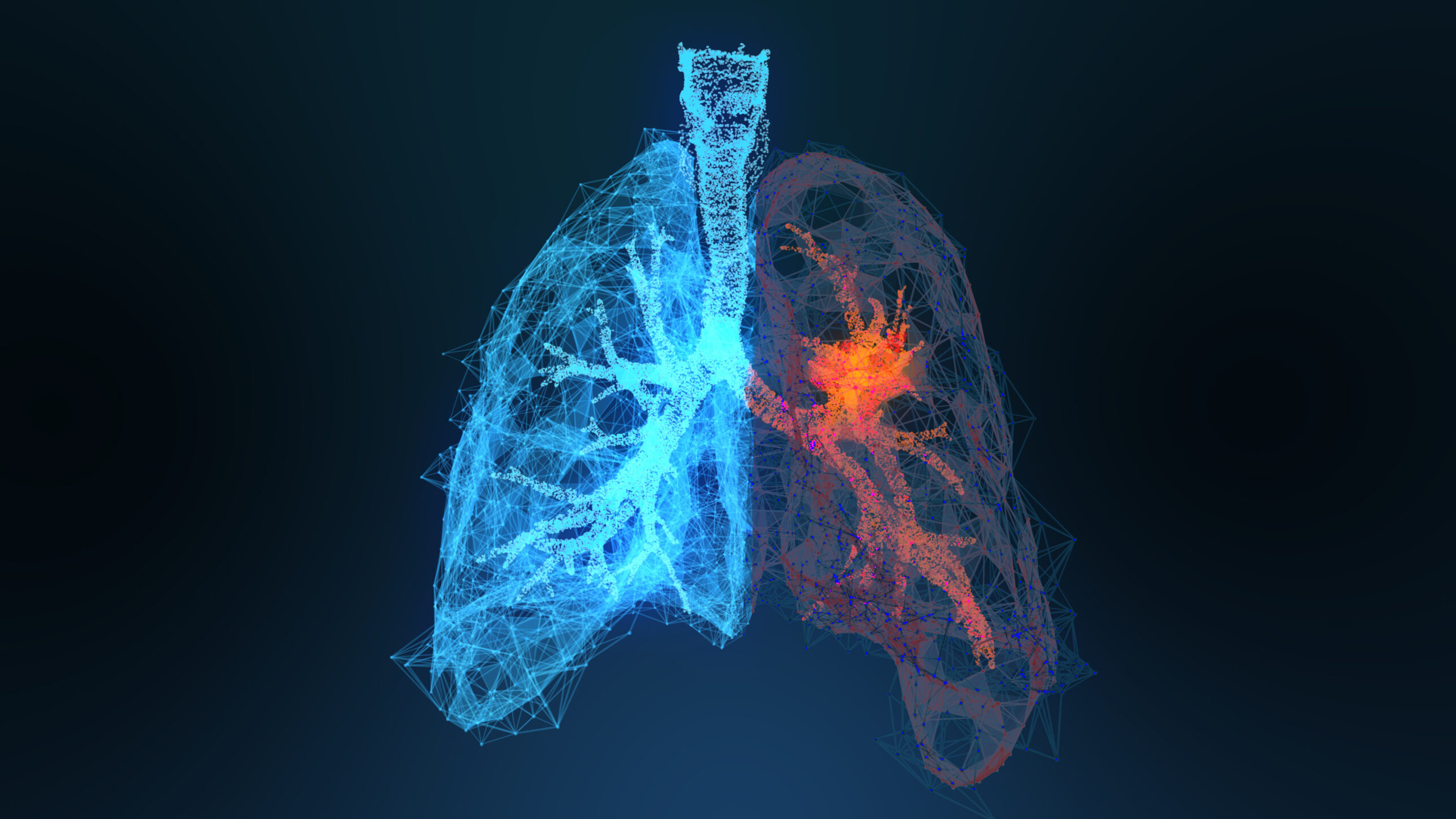
At this year’s ESMO 2025 lung-cancer programme, several large phase II/III studies delivered practice-shaking results across EGFR-mutant, squamous, small-cell and ALK-positive disease. From upfront osimertinib plus chemo to antibody-drug conjugates in chemo-resistant EGFR-mutant disease and adjuvant ALK inhibition, here are the six landmark abstracts clinicians and researchers need to know — and what they could mean for the clinic.

At ESMO25, late-breaking data from the PATHFINDER 2 trial highlighted the Galleri multi-cancer early detection (MCED) test’s potential to transform cancer screening. Detecting early-stage cancers across multiple tissues, the test showed a 62% positive predictive value and identified over seven times more screen-detected cancers than current methods. Complementing standard screening programs, MCED tests could bridge the gap for cancers without routine screening.
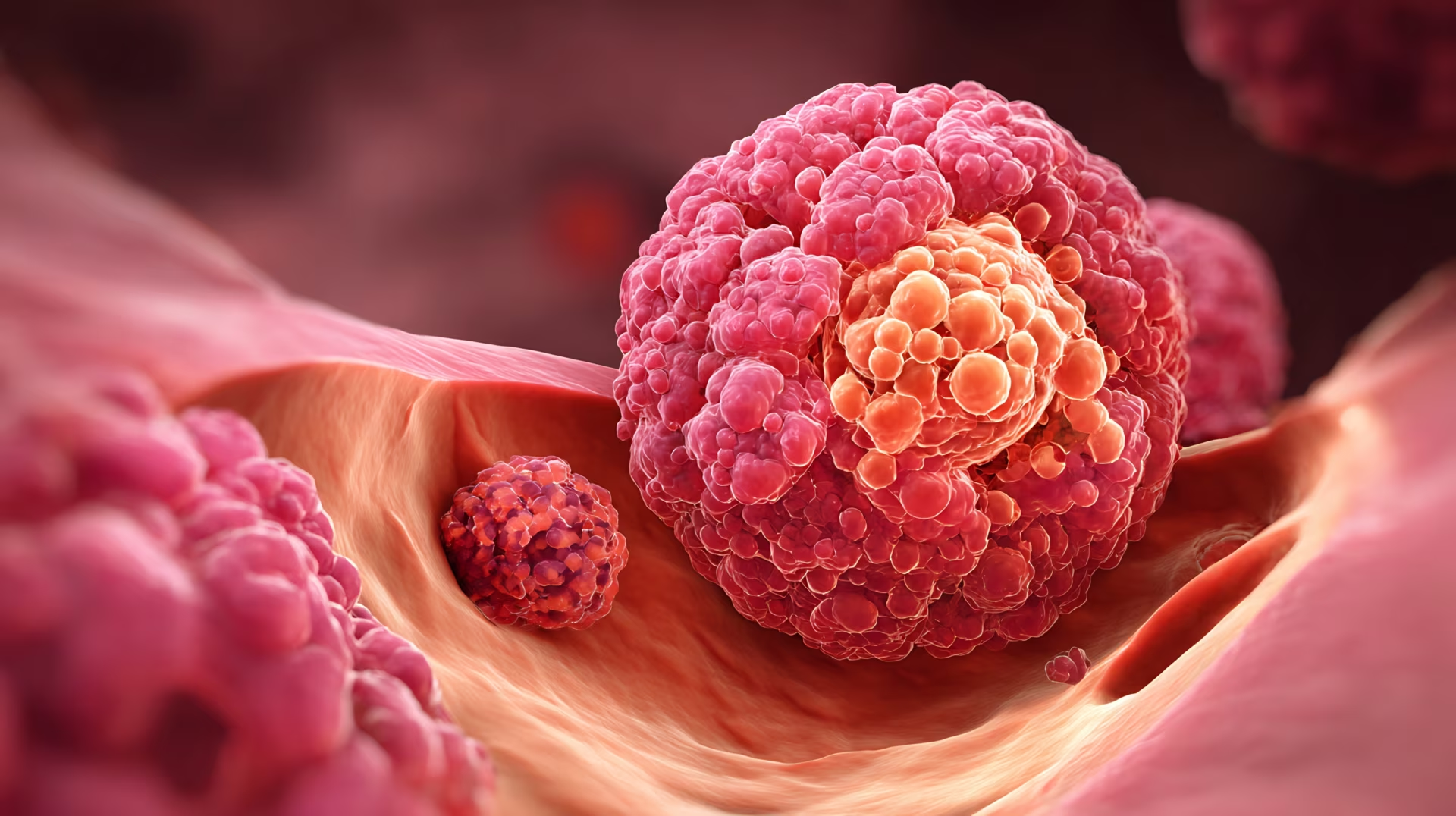
At ESMO25, oesophageal cancer care made substantive headway: the MATTERHORN trial established a significant overall survival benefit with perioperative durvalumab plus FLOT, while SKYSCRAPER-07 offered a provocative signal of benefit for adjuvant atezolizumab after chemoradiation in squamous disease. In this interview with Dr Michael Gibson we unpack the data, the implications for multidisciplinary practice and the future research direction.
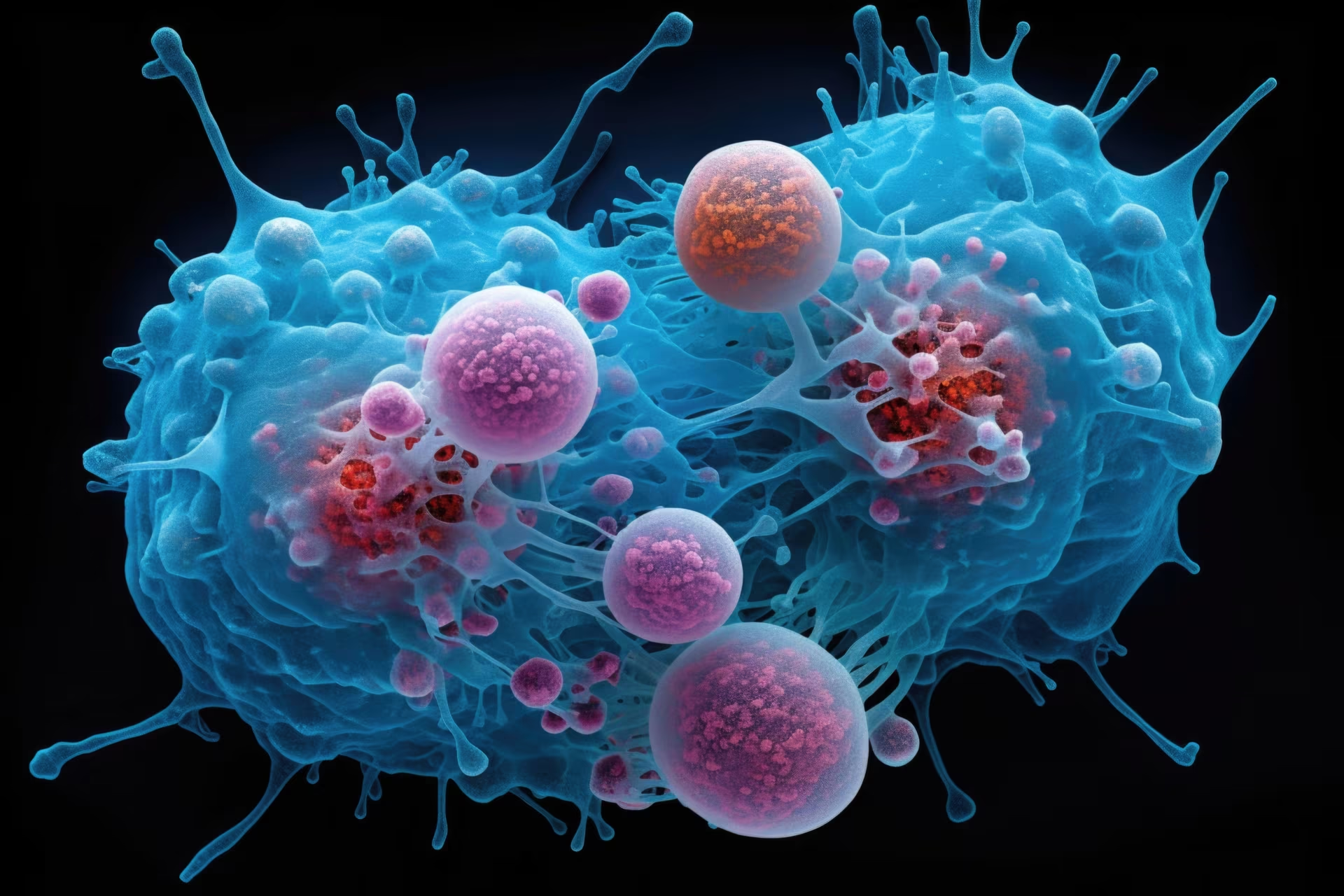
Dr Petros Grivas discusses how the neoadjuvant and perioperative landscape for bladder cancer is rapidly evolving. From durvalumab-based combinations for cisplatin-eligible patients to pembrolizumab–enfortumab vedotin for those ineligible for platinum therapy, the field is shifting fast. Dr Grivas shares key trial updates from ESMO25, emerging biomarker insights and a glimpse into the future of personalized and bladder-preserving treatment.

The intestinal microbiota, composed of approximately 1,000 species and over 100 trillion micro-organisms, plays a vital role in host physiology, including metabolism, barrier function and immune regulation.1 Disruption of this delicate host–microbiota balance – known as dysbiosis – has been implicated in the ...

It is with great pleasure that we present the latest edition of touchREVIEWS in Oncology & Haematology. This edition showcases the continued advances and innovation reshaping cancer care, as well as highlighting the continued unmet needs and challenges associated with ...

Early-onset lung cancer is typically defined as occurring in individuals aged 18–50 years, although there is no universally accepted definition.1–3 This entity, though rare, poses unique diagnostic and therapeutic challenges. This article synthesizes current evidence on the unique features and management ...
Log into your Touch Account
Keep track of your clinical interests and newsletter subscriptions.
Sign up with an Email
Or use a .
Register now for FREE access
Already registered? Login below.
