
Search Results
447 Results Found for “radiotherapy”

Urothelial carcinoma (UC) is the 11th most common cancer in the UK, with approximately 11,000 new bladder cancer diagnoses annually.1 Globally, bladder cancer accounts for approximately 635,000 new diagnoses and 228,000 deaths annually, based on the latest GLOBOCAN estimates for 2024.2 Bladder cancer constitutes ...

As EORTC enters a new chapter under the Presidency of Professor Benjamin Besse (Gustave Roussy Institute and Paris-Saclay University, Villejuif, France), the organization is looking to accelerate academic research while keeping patients and scientific independence at its core. In this detailed and in-depth Q&A, Prof Besse shares his priorities for EORTC, from supporting the next generation of investigators and broadening clinical trial populations, to giving greater weight to quality of life and patient perspectives. He also considers how emerging technologies, including artificial intelligence, could reshape the way cancer research is conducted.

How can clinicians distinguish true progression from pseudoprogression in MGMT-methylated glioblastoma? Dr Jigisha Thakkar discusses the clinical implications of time to true progression in MGMT-methylated glioblastoma and approaches to distinguishing pseudoprogression from treatment failure.

Join us as leading experts discuss key data from the Plenary, Late-breaking and top oral sessions across each major disease area at ASCO 2026 touchONCOLOGY coverage of ASCO 2026 2026 American Society of Clinical Oncology (ASCO) Annual Meeting brought together the global oncology ...
Extended follow-up from the phase 3 INDIGO trial presented at ASCO 2026 provides further evidence that vorasidenib may offer durable disease control in patients with grade 2 glioma harboring IDH1/2 mutations, reinforcing earlier findings that led to its regulatory approvals. In the article below, we provide a details analysis of the latest INDIGO data and Dr Timothy Cloughesy's expert perspective on what the longer-term efficacy and safety findings could mean for the evolving treatment landscape in IDH-mutant glioma.

Landmark abstracts across localized and advanced prostate cancer presented at ASCO 2026 addressed treatment intensification, biomarker-driven therapy, radiotherapy modality comparisons, and novel radioligand strategies. In this piece we examine four studies that reflect important shifts in prostate cancer management, influencing both near-term treatment pathways and future: PROTEUS, TALAPRO-3, COMPPARE and ProstACT Global.

Several late-breaking gastrointestinal oncology studies presented at ASCO 2026 highlighted how treatment selection is continuing to evolve across colorectal, hepatobiliary, gastric, and esophageal cancers, with new data on ctDNA-guided adjuvant therapy, earlier integration of targeted agents, and intensified perioperative strategies. In this round-up, we have selected six of the most important late-breakers, and examine the latest data from CIRCULATE, BREAKWATER, EMERALD-3, Neo-CRAG, SCIENCE, and RC48-C027.

At ASCO 2026 several neuro-oncology presentations focused less on introducing entirely new paradigms and more on defining where existing and emerging therapies may best fit. Across brain metastases and glioma, phase 3 data addressed longstanding practical questions around radiation delivery, chemotherapy duration, and local therapies, while updated targeted therapy data in IDH-mutant glioma continued to mature. In this piece, Dr Rimas Lukas highlights four main abstracts from ASCO 2026, discussing their take-aways and considering their potential relevance for clinical practice.

The 38th Annual Congress of the European Association of Nuclear Medicine (EANM) in Barcelona brought together over 9,400 participants, marking a major milestone. The meeting highlighted major advances in oncologic imaging and theranostics, with a strong emphasis on precision medicine and combination treatment strategies. Across plenary sessions, debates, and late-breaking discussions, the meeting underscored how nuclear medicine is increasingly central to cancer diagnosis, treatment selection, and therapeutic delivery.
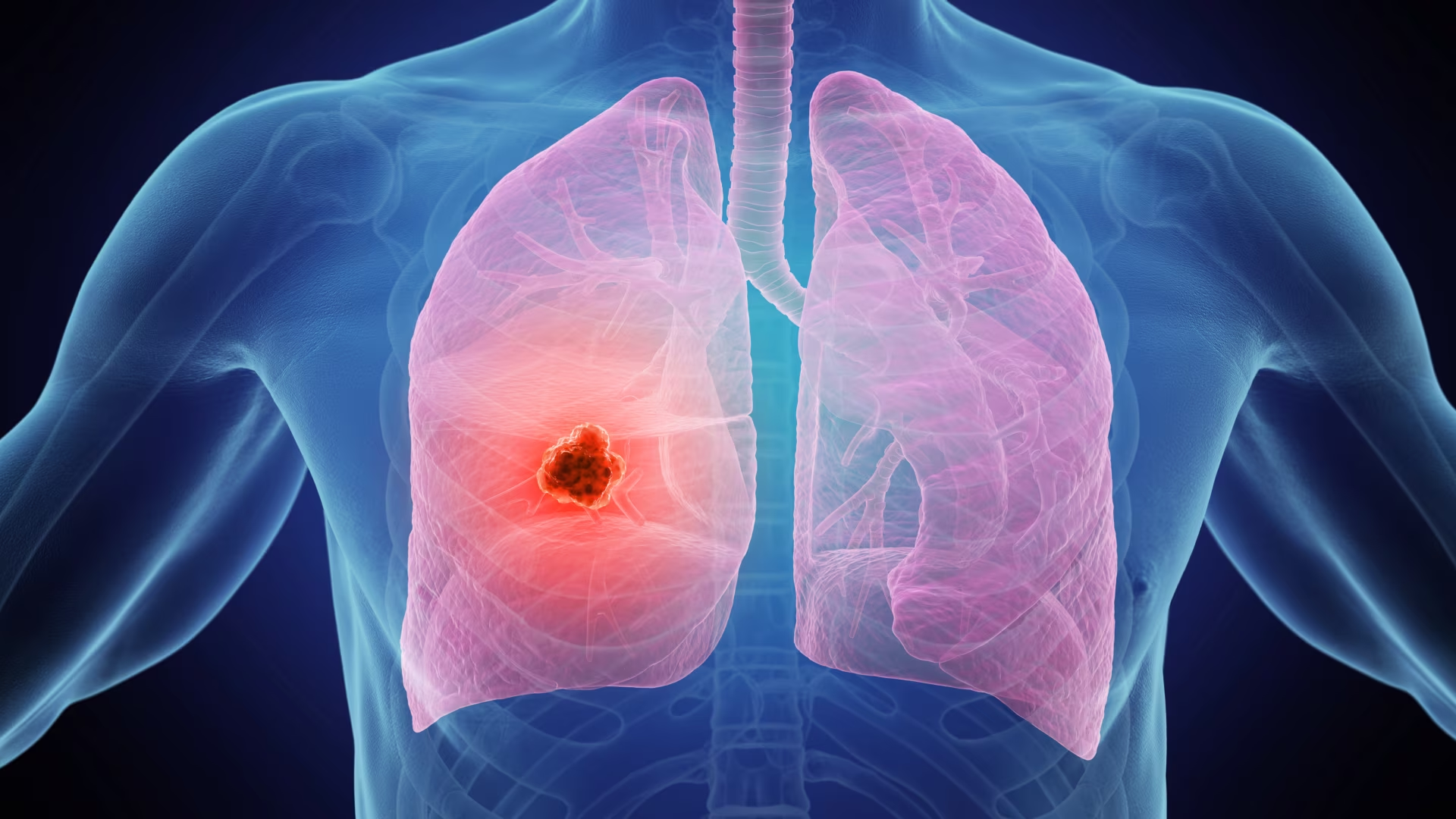
Non-small cell lung cancer (NSCLC) remains the leading cause of cancer-related mortality worldwide.1 Over the past two decades, the molecular characterization of NSCLC has transformed the therapeutic landscape by enabling the development of targeted therapies that have significantly improved outcomes ...



The 15th European Breast Cancer Conference (EBCC15) showcased a wave of research poised to reshape breast cancer care. Below, we spotlight the key highlights from this year’s conference.

Prof Bertrand Tombal reflected on how advances in imaging, evolving treatment strategies and persistent evidence gaps are reshaping the management of oligometastatic prostate cancer. In the conversation below, he discusses why the concept remains controversial, the promise and limitations of metastasis-directed therapy and how clinicians should navigate an increasingly complex treatment landscape.

Pancreatic cancer (PC) is the tenth most common cancer in 2024, with 66,440 new cases and 51,570 deaths.1,2 Globally, the prevalence varies from 10/100,000 cases in the Americas and Europe to 0.9/100,000 cases in South Central Asia and most of Africa.3 Currently, it has the ...

Emerging strategies in head and neck cancer focus on personalizing therapy and reducing toxicity. ctDNA-guided chemotherapy with pembrolizumab in recurrent HNSCC achieved a 73% response rate, while ozuriftamab vedotin showed promising activity in pretreated HPV-positive OPSCC. Long-term results from the Quarterback trials indicate that reduced-dose chemoradiation after induction chemotherapy maintains durable control in selected patients. These findings support further exploration of molecular-guided, targeted, and de-escalated approaches to optimize outcomes.

The 2026 ASCO Genitourinary Cancers Symposium showcased pivotal advances across renal, prostate and bladder cancers. Key late-breaking trials across kidney, prostate and bladder cancer highlighted promising combinations, novel targeted therapies and innovative radioligand approaches, demonstrating improved disease control, progression-free survival and ...

As 2025 draws to a close, we’re celebrating another remarkable year of growth, collaboration and innovation at touchONCOLOGY. From thought-provoking expert interviews and peer-reviewed research to dynamic conference coverage and an expanding portfolio of medical education, this year has been defined by meaningful conversations and impactful learning. We’ve had the privilege of engaging with leading clinicians, researchers and partner societies across the globe - bringing together diverse voices to support the oncology community with timely, accessible and authoritative content. As we reflect on the past 12 months, we’re proud to highlight the moments, milestones and stories that shaped our year.

Log into your Touch Account
Keep track of your clinical interests and newsletter subscriptions.
Sign up with an Email
Or use a .
Register now for FREE access
Already registered? Login below.
