
Search Results
167 Results Found for “vascular endothelial growth factor receptor”

The European Society for Medical Oncology (ESMO) Congress 2026 promises a compelling program of clinical data, spanning personalized cancer vaccines, next-generation antibody–drug conjugates (ADCs) and novel approaches to targeted therapy and immunotherapy. With several studies already generating excitement following positive topline announcements, all eyes will be on the full results and their potential implications for clinical practice. Below, we highlight the 12 presidential abstracts to watch, the key findings to look out for and the questions these studies could help answer.

Small bowel adenocarcinoma (SBA) is a rare gastrointestinal malignancy, accounting for about 1–3% of gastrointestinal cancers.1,2 Its reported incidence has increased in recent decades, likely reflecting improved detection by balloon-assisted and capsule endoscopy and the more widespread use of cross-sectional imaging.3,4 ...

Pancreatic cancer (PC) is the tenth most common cancer in 2024, with 66,440 new cases and 51,570 deaths.1,2 Globally, the prevalence varies from 10/100,000 cases in the Americas and Europe to 0.9/100,000 cases in South Central Asia and most of Africa.3 Currently, it has the ...

Early-onset lung cancer is typically defined as occurring in individuals aged 18–50 years, although there is no universally accepted definition.1–3 This entity, though rare, poses unique diagnostic and therapeutic challenges. This article synthesizes current evidence on the unique features and management ...

Hepatocellular carcinoma (HCC) is the most common primary malignancy of the liver, comprising approximately 85% of all primary liver cancers.1 Globally, it ranks as the sixth-most common cancer and the third-leading cause of cancer-related mortality, with over 900,000 new cases and 830,000 deaths ...

Cervical cancer (CC) is the fourth most common cancer among women worldwide, with an estimated 604,000 new cases and 342,000 CC-related deaths in 2020.1# Approximately 90% of CCs are caused by infection with human papillomavirus (HPV).2 Even though the adoption of both primary (HPV ...

Lung cancer is the second most common type of cancer worldwide and in the USA, with its incidence varying depending on geographic and socioeconomic factors.1–3 According to data from the Global Cancer Observatory: Cancer Incidence, Mortality and Prevalence (GLOBACAN) database, ...

Despite being considered a rare type of malignancy, constituting only 3% of all gastrointestinal cancers, the incidence of biliary tract cancers (BTCs) has been increasing worldwide in recent years, with about 20,000 new cases annually only in the USA.1–3 These cancers arise ...

Highlights Immunotherapy, especially combinatory immunotherapy, has shown promise with prolonged survival for patients with advanced mesothelioma in the first-line setting (see the sections on ‘Systemic treatment and immunotherapy debut’ and ‘Randomized immunotherapy trials of mesothelioma’). Histology-based therapy is important to ...

Metastatic castration-resistant prostate cancer (mCRPC) represents the most formidable stage of prostate cancer (PCa) and is responsible for the majority of PCa-related mortalities. This advanced form of the disease typically evolves from less aggressive stages.1 PCa is broadly categorized into ...

Highlights from ESGO 2024, featuring the latest data and insights presented at the meeting.

Welcome to the latest issue of touchREVIEWS in Oncology & Haematology. We are honoured to present a series of compelling articles that reflect cutting-edge developments and diverse perspectives in this ever-evolving field. This issue includes a series of editorials and ...
Cholangiocarcinoma (CCA) is a cancer of the epithelial cells lining the biliary tree in the liver and can occur both inside the liver (intrahepatic CCA [iCCA]) and outside the liver (extrahepatic CCA, which includes both perihilar and distal cholangiocarcinoma) (Figure 1). ...
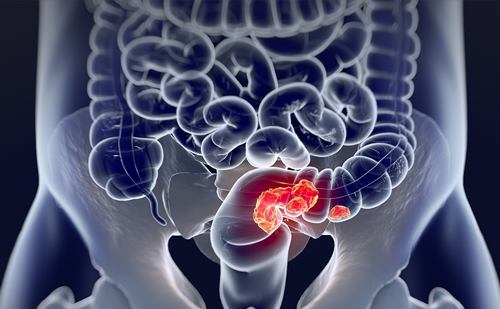
Outcomes for patients with metastatic colorectal cancer have steadily improve due to discovery of new drugs as well as increasing number patients undergoing local therapies.1 Angiogenesis is of a paramount importance in this disease and since vascular endothelial growth factor (...
Gastro-oesophageal cancers (GEC), which include both gastric (GC) and oesophageal cancers (EC), are among the most common cancers globally.1 In the USA, the American Cancer Society estimated 20,640 new diagnoses of EC and 26,380 new diagnoses of GC, each contributing to 16,410 and 11,090 ...
Cervical cancer (CC) remains one of the most frequent cancers in women, representing the fourth cause of neoplasia in women in terms of incidence, and has a high lethality rate.1 Indeed, worldwide 341,831 women die each year because of this disease, ...

Cholangiocarcinomas (CCAs) are a heterogenous group of cancers arising from the biliary epithelium. While they account for around 3% of all gastrointestinal malignancies, they are the second most common primary liver cancer.1 CCAs tend to metastasize and have early lymph node ...
Sarcomas are a diverse group of rare muscle, bone and connective tissue tumours. Within soft-tissue sarcoma alone, there are over 70 subtypes, which demonstrate substantial heterogeneity in biology, genetics and clinical behaviour.1 Further complicating their management is the range of treatment ...
Log into your Touch Account
Keep track of your clinical interests and newsletter subscriptions.
Sign up with an Email
Or use a .
Register now for FREE access
Already registered? Login below.
