







Feedback
We’d love to hear your feedback on this activity. It helps us to continually improve our products.
CORRECT!

Faculty & Disclosures

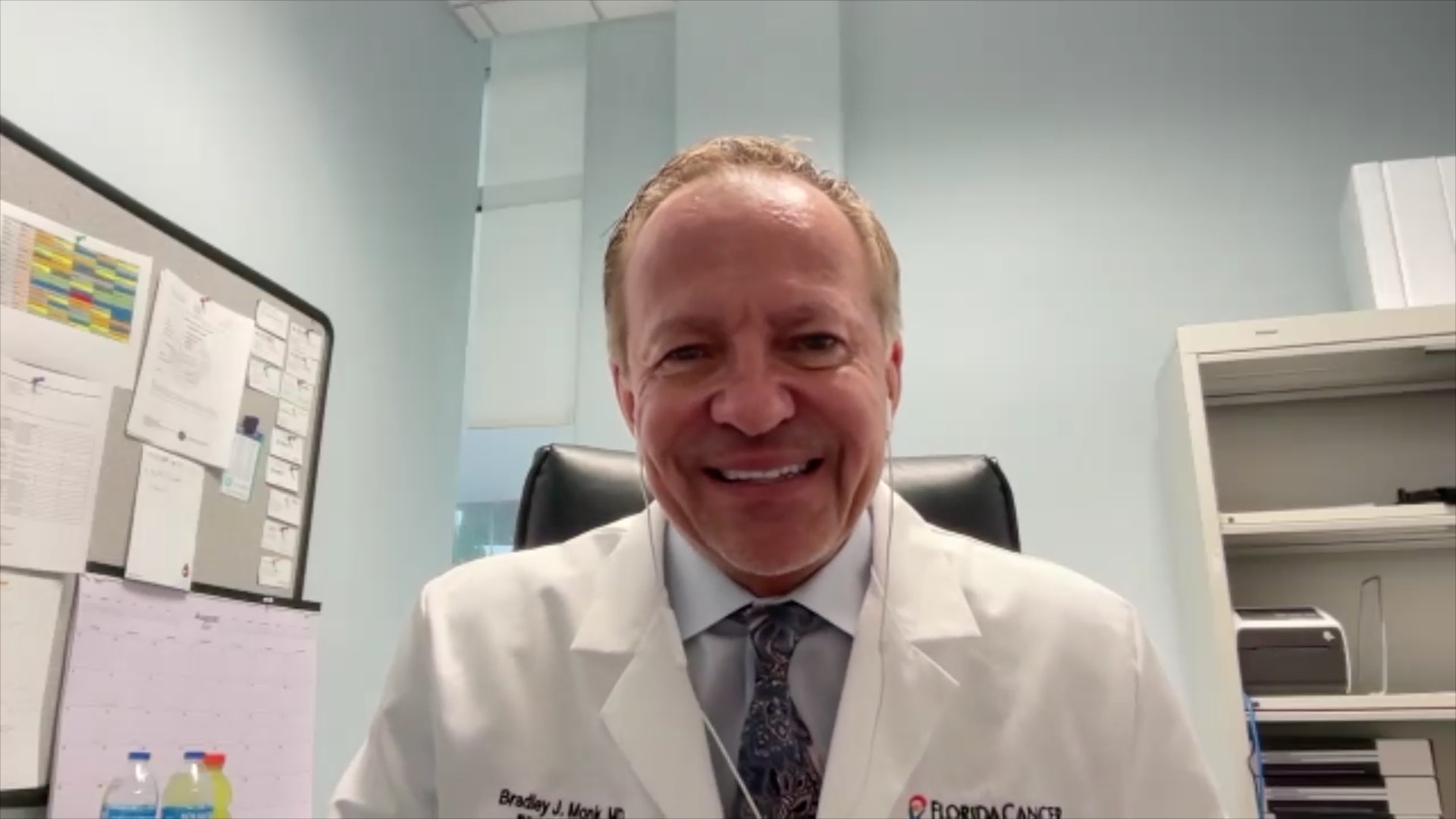
Dr Lizza Hendriks
Maastricht University Medical Center, Maastricht, The Netherlands
Dr Lizza Hendriks is a pulmonologist specializing in lung cancer at Maastricht University Medical Center, The Netherlands, where she leads the Clinical Lung Cancer Research Department. Her main interest is in brain metastases in patients with lung cancer, obtaining a PhD on this topic in 2016. read more
Dr Hendriks leads the Innovative Cancer Diagnostics Therapy group at the School for Oncology and Developmental Biology (GROW) at Maastricht University and is (local) principal investigator in several phase II and III clinical trials, focusing on (locally) advanced NSCLC and SCLC, targeted treatments and immunotherapies. She is an active member of Dutch (Dutch Society of Pulmonology [NVALT] and the Tuberculosis and Netherlands Respiratory Society), European (European Organisation for Research and Treatment of Cancer [EORTC], European Respiratory Society, European Society for Medical Oncology [ESMO] and the European Thoracic Oncology Platform) and global societies (American Society of Clinical Oncology and the International Association for the Study of Lung Cancer). Dr Hendriks is secretary of the NVALT studies foundation and chairs the EORTC sub-committee on Systemic Treatment for Metastatic NSCLC. She is a member of national and ESMO guideline committees and is a programme committee member or chair of several international conferences. She is a member of the Young Academy of the Royal Netherlands Academy of Arts and Sciences.
Dr Lizza Hendriks discloses: Advisory board or panel fees from Amgen, Anheart, AstraZeneca, Bayer, Boehringer Ingelheim, Janssen, Lilly, Merck, MSD, Novartis, Pfizer and Takeda. Grants/research support from AbbVie, Amgen, AstraZeneca, Blueprint, Boehringer Ingelheim (relationship terminated), Gilead, GSK, Merck, Mirati, MSD, Novartis, Pfizer, Roche Genentech and Takeda. Other financial or material support (royalties, patent, etc.) from Secretary NVALT studies foundation and Subchair EORTC metastatic NSCLC systemic therapy. Speaker’s bureau fees from AstraZeneca, Bayer, Benecke, GSK, High5 Oncology, Janssen, Lilly, MSD, Pfizer, Sanofi and Takeda.

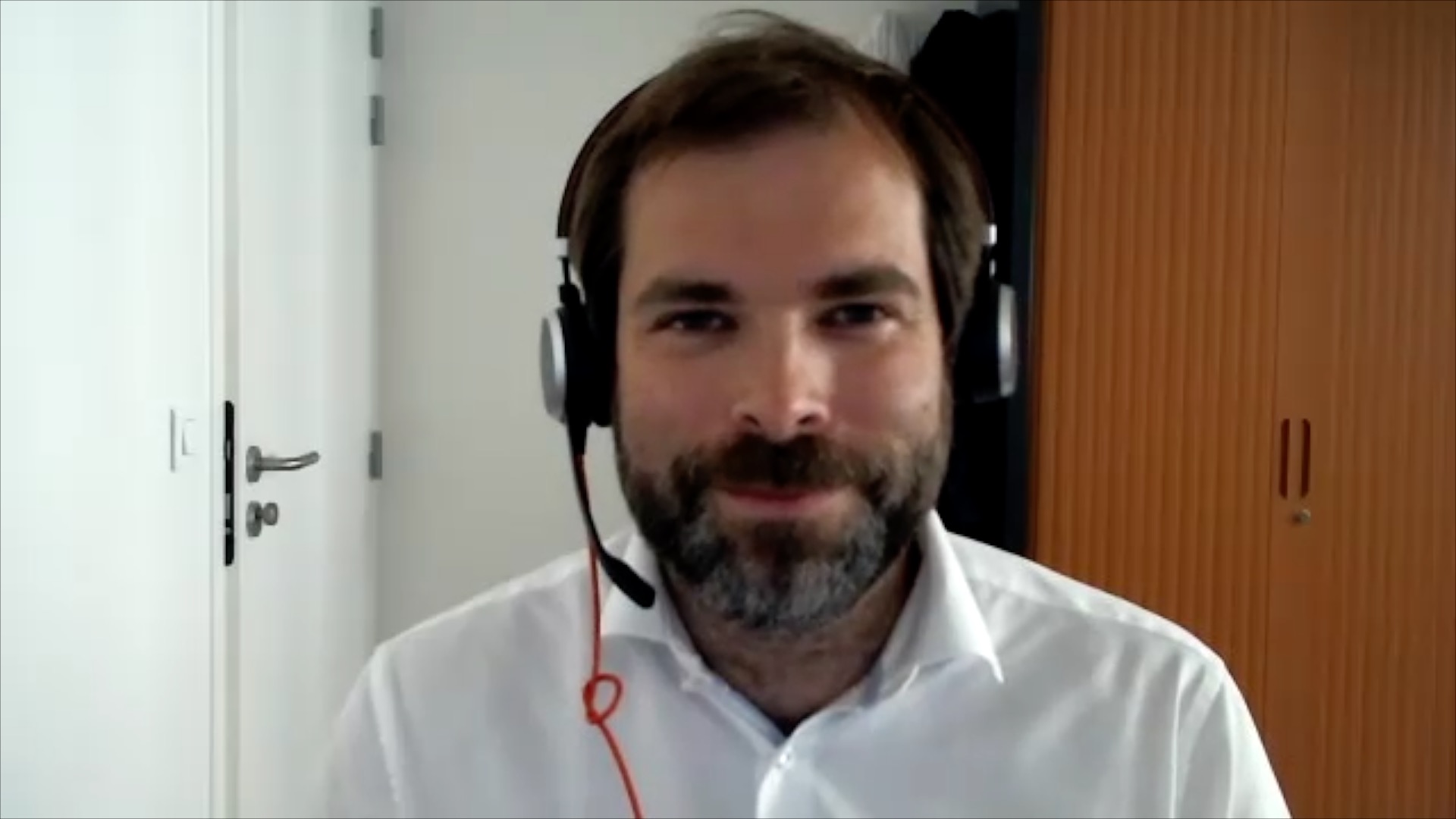
Dr Jacob Sands
Dana-Farber Cancer Institute, Boston, MA, USA
Dr Jacob Sands is a thoracic oncologist at the Dana-Farber Cancer Institute, Boston, MA, USA, who specializes in treating lung cancer and conducts clinical and translational work in lung cancer diagnostics and treatment. read more
Dr Sands leads a National Cancer Institute-sponsored adjuvant non-small cell lung cancer (NSCLC) study with planned enrolment of >1,200 patients, is a co-author of manuscripts that have changed the SCLC paradigm, including lurbinectedin and tarlatamab, as well as a lead author and presenter of datopotamab deruxtecan for NSCLC. He is also a co-founder and president of the Rescue Lung Society, a non-profit medical society focused on advancing lung screening.
Dr Jacob Sands discloses: Consultancy fees from AbbVie, Amgen, AstraZeneca, Daiichi Sankyo, G1 Therapeutics, Guardant, Lilly, Medtronic, Merck, Pharma Mar and Sanofi (all relationships terminated).

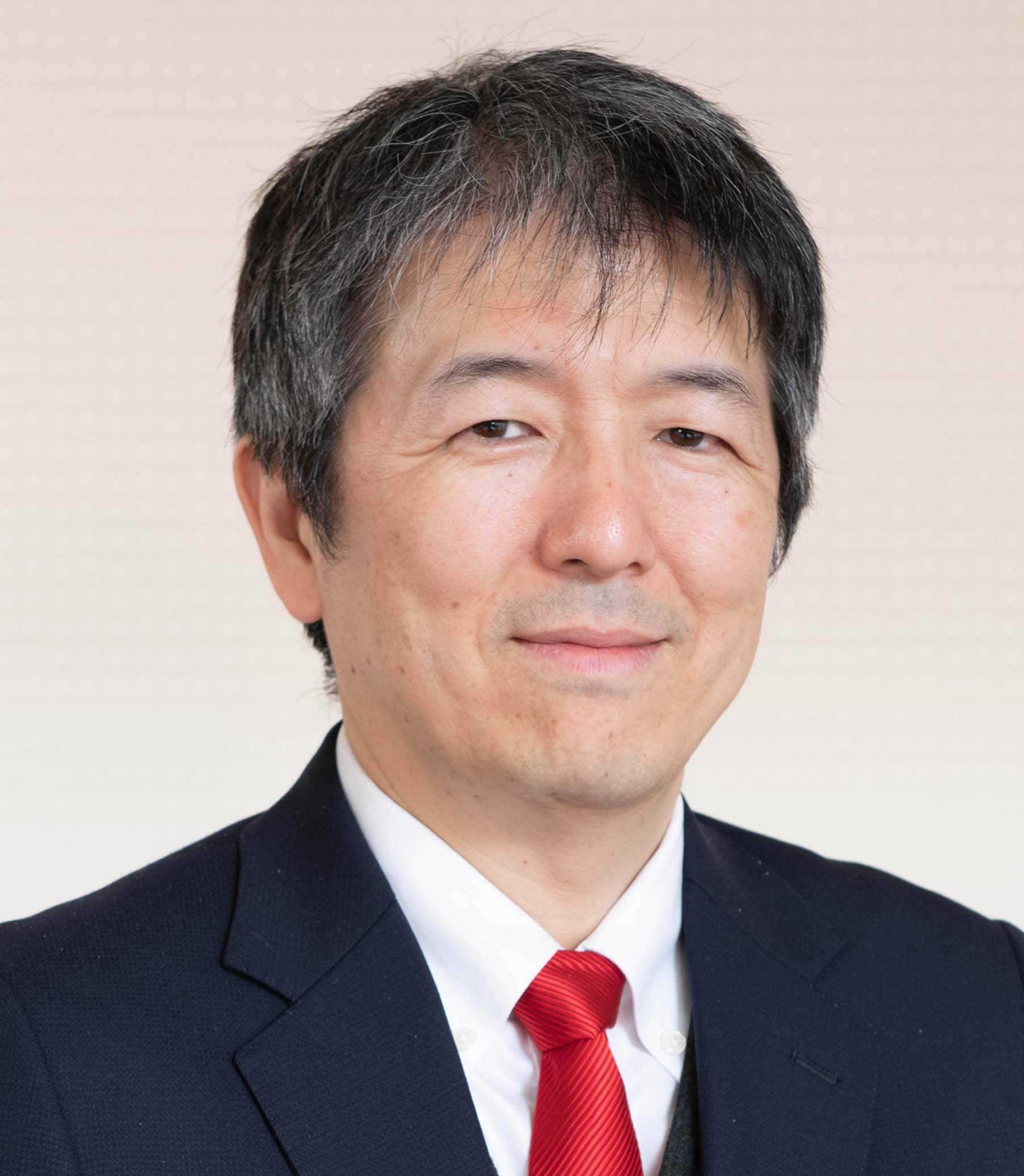
Prof. Suresh Senan
Amsterdam University Medical Center, Amsterdam, The Netherlands
Professor Suresh Senan is a radiation oncologist at the Amsterdam University Medical Center in The Netherlands. read more
His research has focused on trials of systemic agents and radiation for lung malignancies, new radiotherapy techniques and studying population outcomes. He is a faculty member for thoracic malignancies at the European Society of Medical Oncology and the International Association for the Study of Lung Cancer.
Prof. Suresh Senan discloses: Advisory board or panel fees from AstraZeneca, BMS, MSD and Varian Medical Systems. Grants/research support from AstraZeneca.